
Navigating the skies between the sun-drenched landscapes of Florida and the bustling metropolis of New York is a common journey for millions. Whether you’re seeking a quick weekend escape, a business trip, or a transition to a new life, understanding the flight duration is paramount for effective planning. This comprehensive guide delves into the nuances of flights from Florida to New York, exploring the factors that influence travel time and what travelers can expect.
Understanding the Variables: Factors Influencing Flight Time
The seemingly simple question of “how long is the flight?” is met with a spectrum of answers, as numerous elements contribute to the total time spent in the air. For a direct flight between Florida and New York, the average duration is surprisingly consistent, yet small variations can arise from a confluence of technological, environmental, and operational factors.
Distance and Aircraft Type
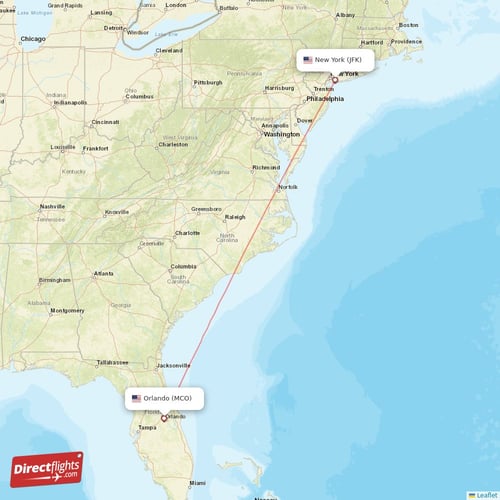
The sheer distance between the two states is the primary determinant of flight duration. While Florida is a large state with multiple major airports, and New York also encompasses several key aviation hubs, the geographical span remains relatively consistent for most common flight paths. For instance, a flight from Miami International Airport to John F. Kennedy International Airport will cover a similar distance as a flight from Orlando International Airport to LaGuardia Airport.
The type of aircraft also plays a role, albeit a more subtle one. Modern commercial jets, such as those operated by American Airlines, Delta Air Lines, and JetBlue Airways, are designed for efficiency. While differences exist in cruising speeds, these variations are usually absorbed within the broader operational planning of airlines, making them less noticeable to the average passenger on a direct flight. The vast majority of flights on this route utilize aircraft capable of maintaining speeds that result in flight times within a predictable range.
Air Traffic Control and Flight Paths
The complex web of air traffic control (ATC) is an invisible yet crucial element in determining flight duration. Controllers at both ends of the journey, as well as along the route, meticulously manage the flow of aircraft to ensure safety and efficiency. This involves assigning specific flight levels, altitudes, and routes. While airlines propose optimal flight paths, ATC has the final say, and deviations can occur due to congestion, weather phenomena, or other air traffic management initiatives. These adjustments, though often minor, can add a few minutes to the overall flight time.
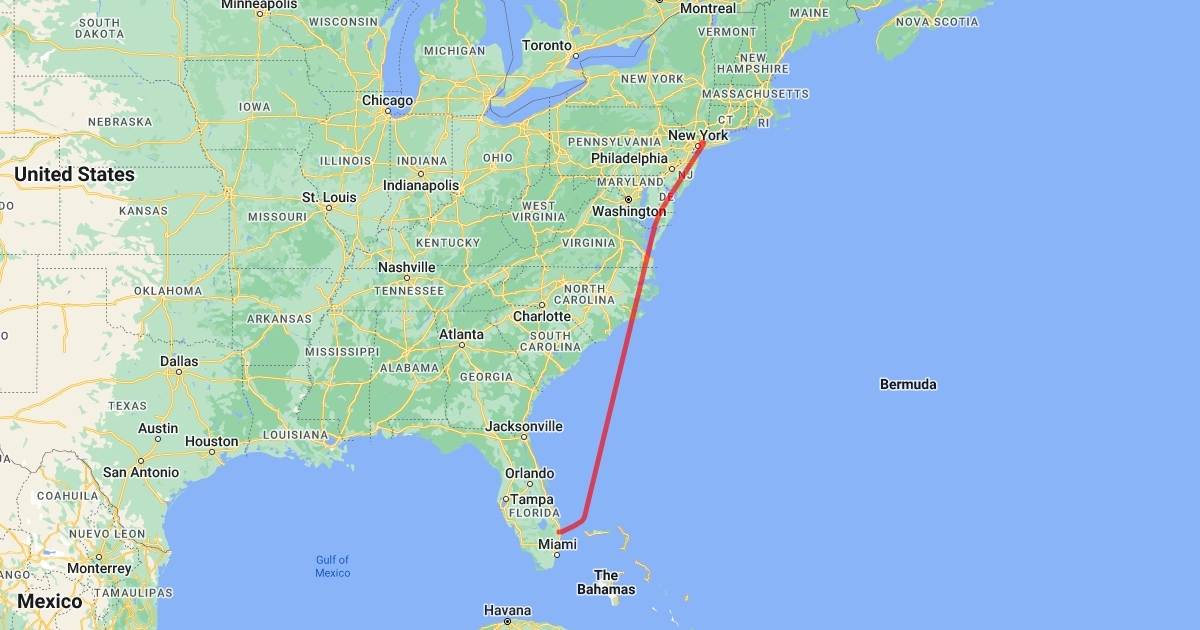
Furthermore, the designated airways themselves are not always the shortest geographical line between two points. To avoid populated areas, military zones, or severe weather, aircraft often follow a series of waypoints, creating a circuitous, yet safe, route. The specific flight path for any given flight is dynamically determined based on real-time conditions, making each journey potentially unique in its aerial trajectory.
Wind Conditions: The Unseen Force
Perhaps the most significant variable factor impacting flight duration is wind. Specifically, tailwinds and headwinds can dramatically alter the time it takes to cover the distance. A tailwind, which blows in the same direction as the aircraft’s travel, can significantly shorten flight times. Conversely, a headwind, blowing against the aircraft, will increase the duration as the plane has to work harder to make progress.
During the winter months, especially, the jet stream – a high-altitude, fast-flowing air current – can have a pronounced effect. Flying eastbound from Florida to New York often benefits from the prevailing westerly winds of the jet stream, leading to shorter flight times. Flights traveling westbound from New York to Florida may encounter headwinds, extending the journey. These wind effects can account for differences of up to 15-30 minutes on a single flight.
Direct Flight Durations: What to Expect
For travelers prioritizing speed and convenience, direct flights are the most sought-after option. These flights bypass any intermediate stops, taking passengers from their departure gate in Florida to their arrival gate in New York without interruption.
Eastbound Flights (Florida to New York)
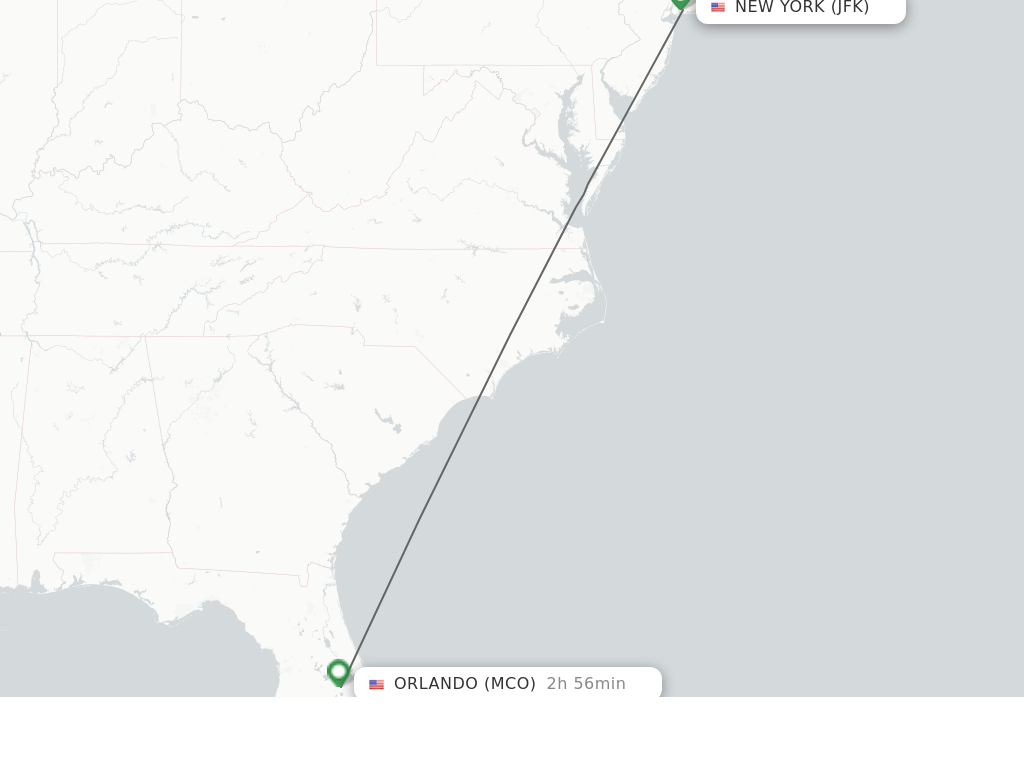
Flights traveling from Florida to New York generally experience slightly shorter flight times due to prevailing wind patterns. On average, a direct flight in this direction can be expected to last between 2 hours and 45 minutes to 3 hours and 15 minutes. This range accounts for typical variations in wind speed and direction, as well as minor adjustments in air traffic routing. Major airports in Florida like Orlando International Airport, Miami International Airport, and Fort Lauderdale-Hollywood International Airport offer numerous direct services to New York’s primary airports, including JFK, LaGuardia, and Newark Liberty International Airport.
Westbound Flights (New York to Florida)
The return journey, from New York to Florida, often takes a bit longer. This is primarily due to headwinds encountered when flying against the general direction of the jet stream. The typical duration for a direct flight from New York to Florida ranges from 3 hours to 3 hours and 30 minutes. Again, this is an average, and specific flight times can fluctuate based on the prevailing weather conditions on any given day. The same major airports are served in both directions, ensuring ample connectivity.
Indirect Flights: When Stops Add Time
While direct flights offer the most efficient travel, indirect flights, those with one or more layovers, are also a common choice, often due to cost savings or a desire to break up a long journey. These flights invariably add significant time to the overall travel experience.
The Impact of Layover Duration
The length of a layover is the most critical factor in determining the total travel time for an indirect flight. A brief layover, perhaps an hour or two, might add only an extra 30-60 minutes to the journey compared to a direct flight, primarily due to taxiing, deplaning, and reboarding procedures. However, longer layovers, especially those lasting several hours, can extend the total travel time considerably.
A flight with a single layover in a hub city, such as Atlanta, Charlotte, or Philadelphia, can easily transform a journey of just over three hours into a half-day or even full-day affair. Travelers may find themselves with total travel times ranging from 5 hours to 8 hours or more, depending on the layover duration and the specific routing.
Potential for Delays and Connecting Flights
Indirect flights also introduce a greater risk of delays. If the first leg of the journey is delayed, it can jeopardize the connection to the second flight. Missing a connecting flight can lead to lengthy waits at the layover airport, further extending the travel time and potentially requiring rebooking, which can be a stressful experience.
When booking indirect flights, it is advisable to:
- Allow ample connection time: Aim for layovers of at least 90 minutes to two hours, especially at larger, busier airports.
- Consider the airline alliance: If booking with different airlines, understand their policies regarding missed connections and baggage transfers. Booking with a single airline or a partner airline within an alliance can simplify the process.
- Factor in time zone changes: Remember that travel time includes the time spent on the ground during layovers, which occur within the local time of the layover city.
Planning Your Trip: Maximizing Efficiency and Comfort
Whether you choose a direct or indirect flight, effective planning can ensure a smoother and more predictable travel experience between Florida and New York.
Choosing Your Departure and Arrival Airports
Both Florida and New York boast multiple major airports, and the choice of departure and arrival points can subtly influence flight times. For example, flights from South Florida (e.g., Miami, Fort Lauderdale) to New York City (e.g., JFK, LGA, EWR) might have slightly different average flight durations compared to those originating in Central Florida (e.g., Orlando) or North Florida (e.g., Jacksonville). Similarly, the specific New York area airport you are flying into can also have marginal effects.
When booking, consider not only the flight duration but also the proximity of the airports to your final destination and the ease of transportation from the airport to your accommodation, whether it’s a hotel in Manhattan or a resort in the Florida Keys.
Utilizing Flight Tracking Tools
In the modern era of air travel, a wealth of tools are available to help travelers stay informed. Flight tracking websites and mobile applications, such as FlightAware or FlightRadar24, allow you to monitor the real-time progress of your flight. These tools can provide estimated arrival times based on current conditions and even show the actual flight path being taken. While not directly influencing flight duration, they offer valuable insights and can help manage expectations, especially if there are any minor deviations from the planned schedule. Airlines also offer their own tracking services through their websites and apps.
Considering Time of Day and Day of Week
While less impactful than wind or layovers, the time of day and day of the week can sometimes introduce minor variations in flight times. Flights during peak travel hours or on busy days might encounter more air traffic congestion during departure and arrival, potentially adding a few minutes. Conversely, early morning or late-night flights, or those on less popular travel days, might experience smoother air traffic flow. This is generally a less significant factor for this particular route but can be worth noting for those seeking to optimize every aspect of their journey.
In conclusion, while the flight from Florida to New York is a relatively short domestic hop, understanding the contributing factors to its duration is key. Direct flights typically range from just under three hours to around three and a half hours, with eastbound journeys often being slightly quicker. Indirect flights can significantly extend this time, making careful planning and consideration of layover durations essential. By being aware of these variables, travelers can better prepare for their journey and ensure a seamless transition between the warmth of Florida and the vibrant energy of New York.
LifeOutOfTheBox is a participant in the Amazon Services LLC Associates Program, an affiliate advertising program designed to provide a means for sites to earn advertising fees by advertising and linking to Amazon.com. Amazon, the Amazon logo, AmazonSupply, and the AmazonSupply logo are trademarks of Amazon.com, Inc. or its affiliates. As an Amazon Associate we earn affiliate commissions from qualifying purchases.