
Choosing the right roofing material and ensuring proper installation are paramount for any homeowner, but in a state like Florida, with its unique climate and environmental challenges, these decisions carry even greater weight. The relentless sun, high humidity, frequent thunderstorms, and the ever-present threat of hurricanes demand roofing systems that are not only durable but also specifically designed to withstand these conditions. Understanding the lifespan of different roofing materials in the Sunshine State is crucial for making informed investment decisions, protecting your property, and minimizing long-term maintenance costs. This guide will delve into the expected longevity of various roofing types in Florida, exploring the factors that influence their performance and lifespan, and offering insights into how to maximize their durability.
Understanding Florida’s Unique Roofing Challenges
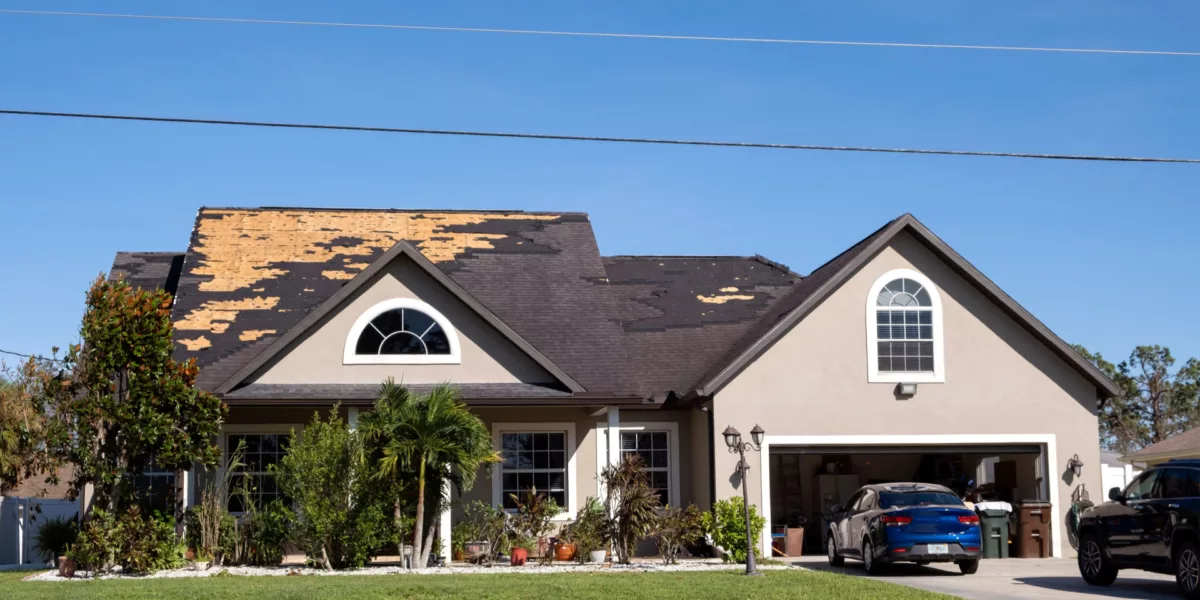
The climate in Florida presents a unique set of challenges for roofing systems that significantly impact their lifespan. Unlike many other regions, Florida experiences a subtropical to tropical climate characterized by intense solar radiation, high humidity, and heavy rainfall, often accompanied by powerful winds.
The Impact of Solar Radiation and Heat
The intense Florida sun beats down relentlessly, contributing to the degradation of roofing materials over time. UV rays can break down the chemical bonds in asphalt shingles, causing them to become brittle, crack, and lose their granular surface. Metal roofs can experience expansion and contraction due to extreme temperature fluctuations, and their coatings can fade or chalk. Even tiles, while generally robust, can become susceptible to hairline fractures from prolonged exposure to extreme heat. The constant absorption and release of heat also stress the underlying roof deck and can contribute to premature material failure.
Humidity and Moisture Intrusion
High humidity levels in Florida create a breeding ground for mold, mildew, and algae, which can not only detract from the aesthetic appeal of your roof but also compromise its structural integrity. Moisture trapped within the roofing system can lead to rot in wooden components, corrosion in metal elements, and the deterioration of underlayment materials. Proper ventilation is therefore not just a recommendation but an absolute necessity to allow moisture vapor to escape, preventing condensation buildup and the associated damage.
Wind and Storm Resistance
Florida is no stranger to severe weather, including hurricanes and tropical storms. High winds can lift, tear, and even detach roofing materials. The force of wind-driven rain can push water under shingles and through seams, leading to leaks and internal damage. Therefore, the ability of a roofing system to withstand uplift forces and effectively shed water is a critical factor in its longevity in this region. Building codes in Florida are designed to address these wind-related risks, often requiring specific fastening methods and stronger materials.
Saltwater and Coastal Environments
For homes located in coastal areas of Florida, the presence of salt in the air adds another layer of challenge. Salt spray can accelerate corrosion in metal components and contribute to the degradation of certain roofing materials. This is particularly true for metal roofing systems, where salt can lead to rust and pitting if not properly protected with corrosion-resistant coatings.
Lifespan of Common Roofing Materials in Florida
The lifespan of a roof in Florida is heavily dependent on the material used, its quality, the expertise of the installation, and adherence to maintenance schedules. Here’s a breakdown of common roofing materials and their expected durability in the Sunshine State:
Asphalt Shingles
Asphalt shingles are a popular choice due to their affordability and wide range of styles. In Florida, you can typically expect a good quality architectural asphalt shingle to last between 15 to 30 years. However, several factors can influence this range:
- Standard vs. Architectural Shingles: Standard 3-tab shingles, being thinner and less robust, tend to have a shorter lifespan, often closer to the 15-year mark. Architectural shingles, with their thicker composition and layered design, offer better wind resistance and UV protection, thus extending their life.
- Quality of Materials: Not all asphalt shingles are created equal. Higher-quality shingles with enhanced features like algae resistance and superior granule adhesion will naturally perform better and last longer in the harsh Florida sun and humidity.
- Installation: Proper installation is critical. Correct nailing patterns, adequate underlayment, and proper sealing around vents and flashing are essential to prevent wind uplift and moisture intrusion, both of which can drastically shorten a shingle roof’s lifespan.
- Maintenance: Regular cleaning to remove algae and moss, and prompt repair of any damaged or missing shingles, can significantly prolong the life of an asphalt roof.
Expected Lifespan in Florida: 15-30 years, with architectural shingles generally performing better.
Metal Roofing
Metal roofing has gained significant traction in Florida for its durability, energy efficiency, and resistance to extreme weather. When properly installed and maintained, metal roofs can offer exceptional longevity.
- Material Types: Common metal roofing materials include standing seam aluminum, steel (galvalume or galvanized), and copper. Aluminum and standing seam steel are particularly well-suited for Florida due to their excellent corrosion resistance.
- Coatings and Finishes: The quality of the protective coating is paramount. High-performance paint finishes, such as Kynar 500 or Hylar 5000, offer superior UV resistance, color retention, and protection against corrosion, especially important in coastal areas.
- Installation: The installation of metal roofing requires specialized skills to ensure proper panel alignment, fastening, and sealing. A poorly installed metal roof can be susceptible to leaks and wind damage.
- Maintenance: While generally low maintenance, periodic inspections to check for loose fasteners or minor damage are recommended. In coastal areas, occasional rinsing to remove salt accumulation can be beneficial.
Expected Lifespan in Florida: 40-70 years, with some high-quality standing seam metal roofs potentially lasting 70+ years.
Tile Roofing (Clay and Concrete)
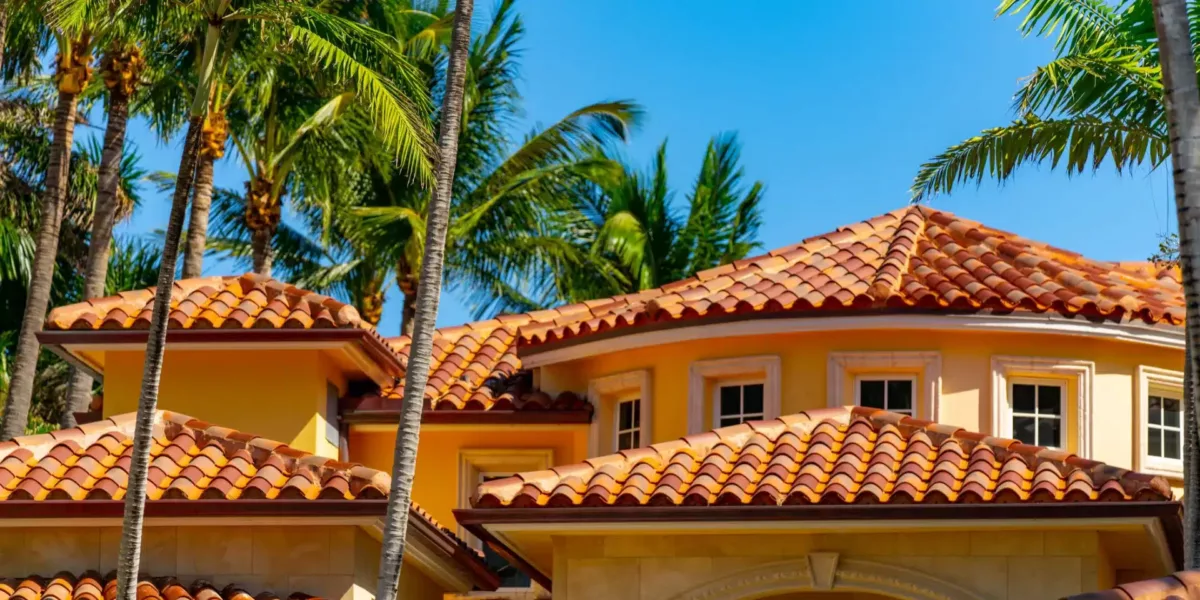
Tile roofs, particularly those made of clay or concrete, are a classic and visually appealing choice for Florida homes. Their substantial weight and interlocking design provide excellent resistance to high winds and fire.
- Durability: Tile roofs are inherently durable and can withstand the elements very well. They are resistant to rot, insect damage, and fire.
- Climate Suitability: Their natural thermal mass can help regulate indoor temperatures, contributing to energy efficiency. They also hold up well against the intense sun and heavy rains.
- Installation: Proper installation is crucial, as tiles are heavy and require secure fastening to the roof deck. Incorrect installation can lead to cracking or displacement during high winds.
- Maintenance: While the tiles themselves are long-lasting, the underlayment and flashing can deteriorate over time. Periodic inspections to check for cracked or broken tiles and to ensure the integrity of the flashing and underlayment are recommended. Algae and moss can grow on tiles, and cleaning may be necessary.
Expected Lifespan in Florida: 50-100 years, with the tiles themselves often outliving the underlying structure. The lifespan is largely determined by the quality of the underlayment and the integrity of the fastening system.
Synthetic and Composite Roofing
Synthetic and composite roofing materials, often made from recycled plastics and rubber, are designed to mimic the look of slate or wood shakes while offering enhanced durability and lower maintenance.
- Performance: These materials are engineered to be highly resistant to impact, extreme temperatures, UV rays, and moisture, making them a strong contender for Florida. They often come with excellent warranties.
- Installation: Installation is typically similar to that of asphalt shingles, though specific manufacturer guidelines must be followed.
- Maintenance: They are generally low maintenance, requiring only occasional cleaning to remove debris or surface buildup.
Expected Lifespan in Florida: 30-50 years or more, depending on the specific product and manufacturer.
Factors Influencing Roof Lifespan in Florida
Beyond the material itself, several other critical factors significantly influence how long a roof will last in Florida. Understanding these elements can help homeowners make better choices and ensure they get the most out of their roofing investment.
Quality of Installation
This cannot be overstated. Even the highest-quality roofing materials will fail prematurely if not installed correctly. A skilled and experienced roofing contractor will:
- Adhere to Manufacturer Specifications: Every roofing product comes with detailed installation instructions. A reputable contractor will follow these to the letter.
- Proper Underlayment: The underlayment is the second layer of defense against water. In Florida, a high-quality synthetic underlayment that can withstand heat and moisture is often recommended.
- Correct Fastening: The type and number of fasteners, and their placement, are critical for wind resistance. This is especially important in hurricane-prone areas.
- Flashing and Sealing: Proper installation of flashing around chimneys, vents, skylights, and in valleys is essential to prevent leaks.
Ventilation and Attic Insulation
A well-ventilated attic and adequate insulation are crucial for extending the life of any roofing system in Florida.
- Heat and Moisture Management: Proper attic ventilation (e.g., soffit vents and ridge vents) allows hot, moist air to escape, preventing heat buildup in the attic that can degrade roofing materials from the underside. It also helps to prevent condensation, which can lead to mold and rot.
- Energy Efficiency: Good insulation works in tandem with ventilation to keep the home cooler in the summer and reduce the load on the HVAC system, which in turn reduces overall heat stress on the roof.
Maintenance and Regular Inspections
Proactive maintenance is key to maximizing roof life.
- Debris Removal: Leaves, branches, and other debris can trap moisture and promote the growth of mold and algae. Regularly clearing these off the roof is important.
- Gutter Cleaning: Clogged gutters can cause water to back up under shingles or overflow, leading to water damage to the roof and fascia.
- Algae and Moss Treatment: In humid Florida environments, algae and moss can thrive. While they may be cosmetic at first, they can trap moisture and potentially damage roofing materials over time. Specific cleaning solutions are available.
- Prompt Repairs: Addressing small issues like a few loose or cracked shingles immediately can prevent them from becoming larger, more costly problems.
Environmental Factors and Exposure
While materials are chosen for their durability, the specific microclimate of a property can still play a role.
- Sun Exposure: A roof that receives full, direct sun all day will likely experience more degradation than one that is partially shaded.
- Proximity to Saltwater: As mentioned, coastal homes face the added challenge of salt spray.
- Tree Overhangs: While trees offer shade, they also drop leaves and branches and can pose a risk during storms. Their proximity to the roof should be managed.
Making the Right Choice for Your Florida Home
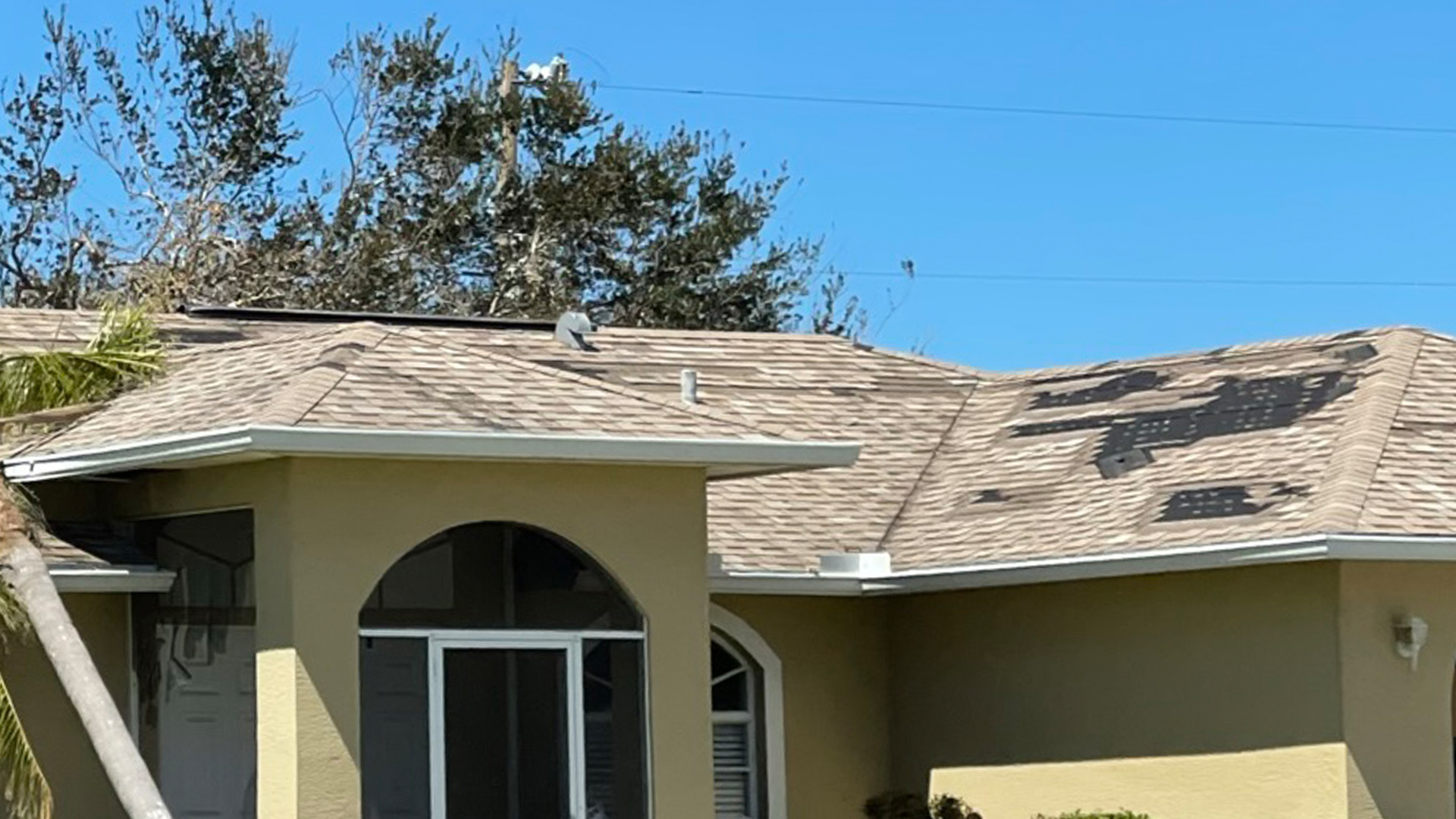
Selecting a roofing material for a Florida home involves balancing initial cost, desired aesthetics, and long-term performance. While asphalt shingles offer an attractive entry-level price point, investing in materials like metal or tile can provide significantly greater longevity and resilience against the unique demands of the Florida climate.
When consulting with roofing professionals in Florida, be sure to discuss your specific needs, budget, and the architectural style of your home. Inquire about warranties on both materials and labor, and ask for references from local clients. A thorough understanding of the expected lifespan of different roofing systems, coupled with a commitment to quality installation and ongoing maintenance, will ensure your Florida home is well-protected for decades to come.
LifeOutOfTheBox is a participant in the Amazon Services LLC Associates Program, an affiliate advertising program designed to provide a means for sites to earn advertising fees by advertising and linking to Amazon.com. Amazon, the Amazon logo, AmazonSupply, and the AmazonSupply logo are trademarks of Amazon.com, Inc. or its affiliates. As an Amazon Associate we earn affiliate commissions from qualifying purchases.