
Florida, often celebrated for its sun-drenched beaches, vibrant theme parks, and rich cultural tapestry, also boasts a robust and diverse educational landscape. Beyond the allure of vacation destinations, the Sunshine State is home to a significant number of institutions of higher learning, catering to a wide array of academic pursuits and student aspirations. Understanding the sheer volume and variety of these institutions is crucial for prospective students, educators, and anyone interested in the state’s intellectual capital. The question of “how many colleges are in the state of Florida?” is not merely a statistical inquiry; it delves into the infrastructure that supports academic excellence, research, and the professional development of its residents and attracts students from across the globe.
The Educational Ecosystem of Florida
The educational infrastructure in Florida is a complex and multifaceted network, comprising public and private universities, community colleges, and specialized vocational and technical schools. This diverse array ensures that educational opportunities are accessible to a broad spectrum of learners, from those seeking a four-year degree to individuals pursuing specific career training. The presence of these institutions plays a vital role in the state’s economy, fostering innovation, driving research, and preparing a skilled workforce to meet the demands of various industries.
Public Universities and State Colleges
Florida’s public higher education system is one of the most comprehensive in the nation. It is primarily anchored by the State University System of Florida (SUS), a collection of robust research universities, and the Florida College System, which includes state colleges offering associate degrees, bachelor’s degrees, and certificate programs.
The State University System (SUS)
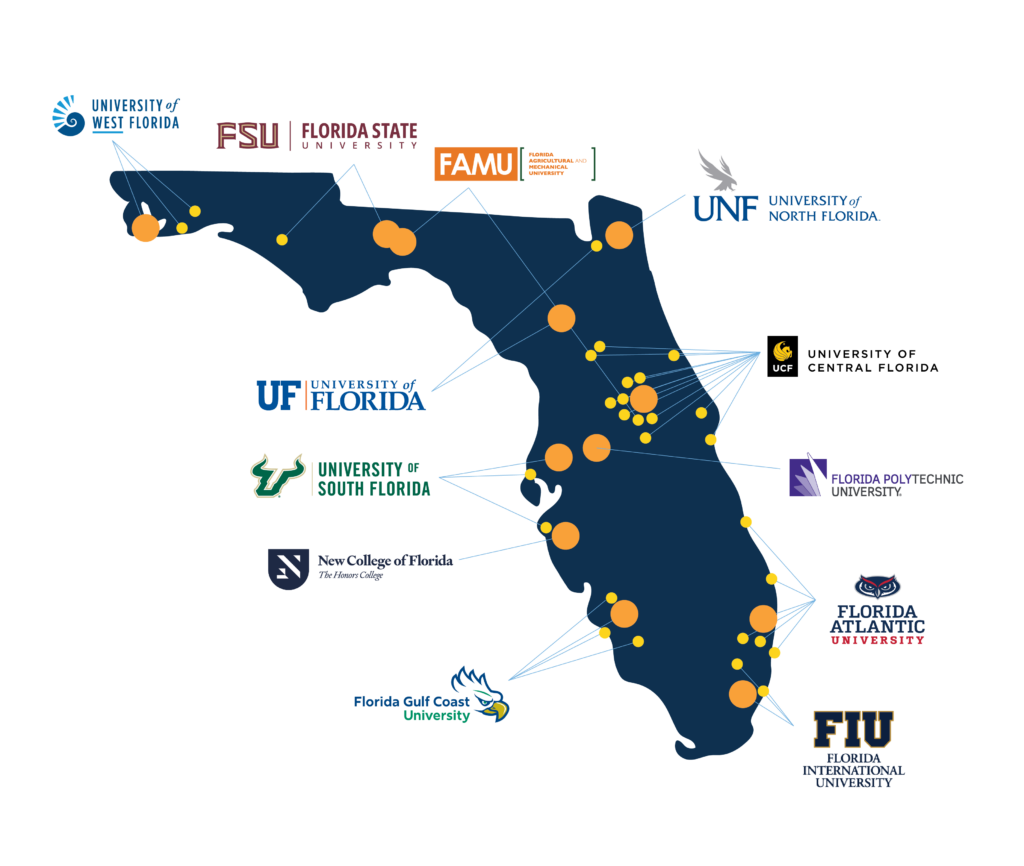
The SUS is comprised of twelve distinct universities, each with its own unique strengths and areas of focus. These institutions are integral to the state’s research output, economic development, and the cultivation of future leaders.
- University of Florida (UF): Located in Gainesville, UF is a premier public research university and a member of the prestigious Association of American Universities. It is renowned for its comprehensive programs in agriculture, engineering, law, medicine, and veterinary medicine.
- Florida State University (FSU): Situated in Tallahassee, FSU is another leading research institution offering a wide range of undergraduate and graduate programs. It is particularly recognized for its programs in law, business, and film.
- University of Central Florida (UCF): Based in Orlando, UCF is one of the largest universities in the United States by enrollment. It has a strong focus on aerospace, optics, and computer science, benefiting from its proximity to the Kennedy Space Center.
- University of South Florida (USF): With its main campus in Tampa, USF is a major research university with campuses across the state, including St. Petersburg and Sarasota-Manatee. It is known for its programs in health sciences, marine science, and cybersecurity.
- Florida International University (FIU): Located in Miami, FIU is a vibrant, diverse research university with a strong emphasis on international affairs, business, and the arts. It is a leading institution for Hispanic and minority student success.
- Florida Atlantic University (FAU): With its main campus in Boca Raton, FAU serves South Florida and offers a wide array of programs, with notable strengths in architecture, business, and education.
- Florida A&M University (FAMU): In Tallahassee, FAMU is a historically black college or university (HBCU) with a strong tradition in pharmacy, law, and journalism.
- University of North Florida (UNF): Situated in Jacksonville, UNF is recognized for its commitment to undergraduate teaching and its programs in business, education, and health sciences.
- Florida Gulf Coast University (FGCU): Located near Fort Myers, FGCU is one of the newer universities in the SUS, with a focus on interdisciplinary studies and environmental science.
- New College of Florida: A small, public liberal arts college in Sarasota, New College is known for its rigorous academic program and independent study system.
- Florida Polytechnic University: The state’s newest university, located in Lakeland, it is dedicated exclusively to science, technology, engineering, and mathematics (STEM) education.
- Florida Memorial University: Though a private HBCU, its inclusion here acknowledges its significant role in higher education within the state, often collaborating with public institutions.
The Florida College System
The Florida College System comprises thirty public community colleges and state colleges. These institutions are pivotal in providing accessible and affordable higher education, offering pathways to bachelor’s degrees, associate degrees, and workforce certifications. They serve as crucial feeders for the SUS universities, allowing students to complete their first two years of coursework at a lower cost before transferring.
These colleges are located across the state, with notable institutions including Miami Dade College, Valencia College in Orlando, St. Petersburg College, and Tallahassee Community College. Their role in workforce development is immense, offering programs in fields such as nursing, advanced manufacturing, and information technology, directly addressing the needs of local and state economies.
Private Institutions of Higher Learning
Beyond the public sector, Florida hosts a substantial number of private colleges and universities, many of which are religiously affiliated or have specialized academic missions. These institutions contribute significantly to the diversity of educational offerings and often provide smaller class sizes and unique learning environments.
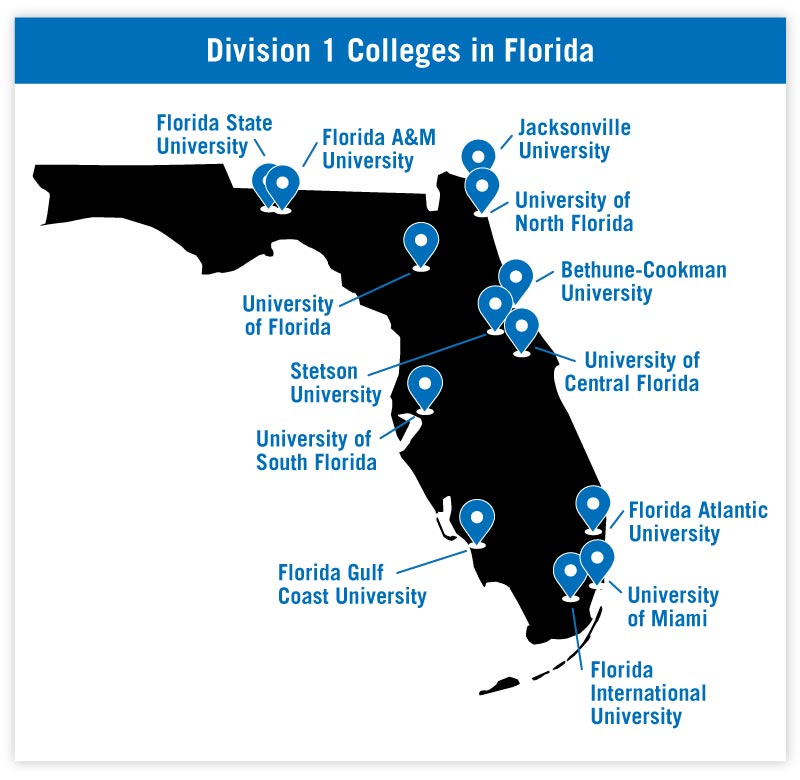
- University of Miami: A highly respected private research university in Coral Gables, the University of Miami is renowned for its medical school, business programs, and strong athletic tradition.
- Rollins College: Located in Winter Park, Rollins is one of the oldest institutions of higher learning in Florida and is known for its liberal arts education and commitment to community engagement.
- Saint Leo University: A Catholic, liberal arts university with its main campus in Saint Leo, it also has a significant online presence and numerous satellite campuses across the state and beyond.
- Eckerd College: A private liberal arts college in St. Petersburg, Eckerd is known for its experiential education and strong maritime programs.
- Nova Southeastern University (NSU): With its main campus in Fort Lauderdale, NSU is a private research university with a wide range of professional programs, including osteopathic medicine, law, and business.
- Barry University: A Catholic, liberal arts university in Miami Shores, Barry is known for its programs in education, law, and nursing.
- Keiser University: A large, private career university with numerous campuses across Florida, Keiser focuses on career-driven education in fields like healthcare, technology, and business.
- Art Institute of Fort Lauderdale: Specializing in creative fields, this institution offers programs in design, fashion, and media arts.
This is not an exhaustive list, as numerous other private colleges, seminaries, and specialized institutions operate within Florida, each contributing to the rich tapestry of higher education.
Vocational, Technical, and Specialized Schools
In addition to traditional colleges and universities, Florida supports a robust network of vocational, technical, and specialized schools. These institutions are vital for providing targeted training and skill development for specific trades and industries, playing a crucial role in the state’s workforce pipeline.
Career and Technical Education Centers
Operated by school districts and community colleges, these centers offer programs designed to prepare students for immediate employment in fields such as automotive technology, culinary arts, cosmetology, and HVAC repair. They often collaborate with local businesses to ensure their curricula align with industry demands.
Specialized Training Institutes
Florida also hosts specialized institutes focusing on niche areas. For example, institutions dedicated to flight training, marine technology, or advanced manufacturing can be found across the state, catering to industries that are significant to Florida’s economy and geographic advantages. The Florida Department of Education oversees many of these programs to ensure quality and relevance.
The Evolving Landscape of Higher Education in Florida
The exact number of colleges in Florida can fluctuate slightly due to mergers, new accreditations, or program closures. However, a comprehensive overview reveals a system that is both vast and dynamic. The state’s commitment to expanding access to higher education, fostering research and innovation, and preparing its citizens for the jobs of the future is evident in the sheer number and diversity of its post-secondary institutions.
From the sprawling research campuses of the State University System to the accessible pathways offered by the Florida College System, and the specialized training provided by vocational schools, Florida’s educational ecosystem is a critical component of its identity and its future growth. Prospective students seeking academic opportunities, families planning their educational futures, or researchers exploring educational trends will find a wealth of options within the Sunshine State, reflecting its dedication to learning and development. The continuous development of educational programs ensures that Florida remains a significant hub for intellectual and professional advancement.
LifeOutOfTheBox is a participant in the Amazon Services LLC Associates Program, an affiliate advertising program designed to provide a means for sites to earn advertising fees by advertising and linking to Amazon.com. Amazon, the Amazon logo, AmazonSupply, and the AmazonSupply logo are trademarks of Amazon.com, Inc. or its affiliates. As an Amazon Associate we earn affiliate commissions from qualifying purchases.