
Understanding the Demographics and Their Impact on Florida’s Cultural Tapestry
Florida, often affectionately dubbed the “Sunshine State,” is renowned for its vibrant multicultural landscape, a rich mosaic woven from threads of diverse origins. Among the most influential and significant demographic groups that have shaped its identity are individuals of Cuban heritage. The question of “How many Cubans in Florida?” is not merely an exercise in statistical enumeration; it delves into the heart of a profound cultural, economic, and social connection that has transformed cities like Miami into global hubs of Cuban-American life. Understanding these numbers provides crucial insight into the state’s unique character, its political leanings, and the continuous influx of traditions, flavors, and aspirations that define Florida today.

The Magnitude of the Cuban-American Population in Florida
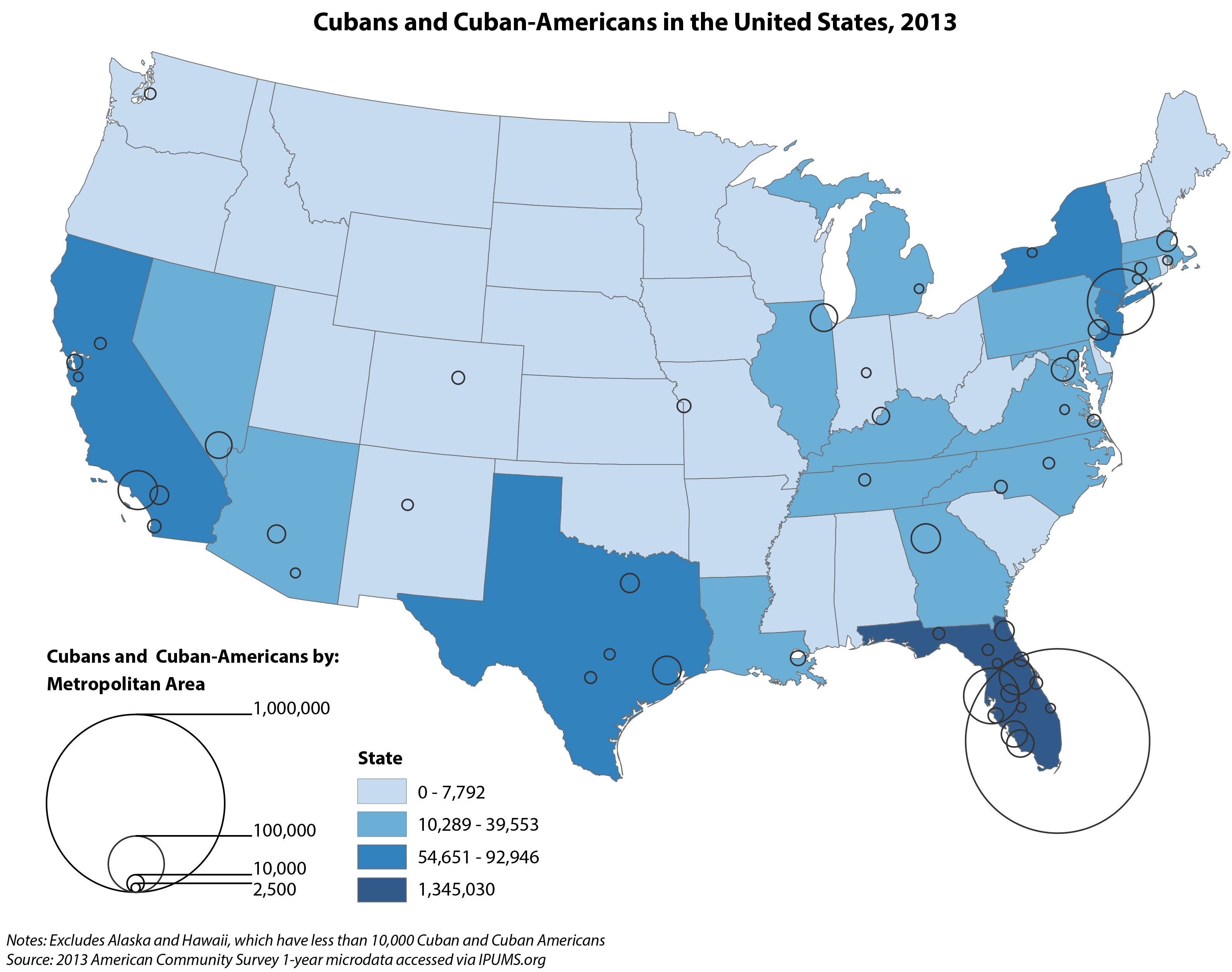
The presence of Cubans in Florida is not a recent phenomenon, but rather a narrative that spans decades, marked by waves of migration driven by political and economic circumstances in Cuba. While exact figures can fluctuate based on census data and ongoing migration, official statistics consistently place Florida as the primary destination for Cubans and Cuban-Americans in the United States.
According to the most recent available census data, the number of individuals identifying as Cuban or of Cuban descent residing in Florida is substantial, numbering well over a million. This demographic dominance is particularly pronounced in certain geographical areas, creating distinct enclaves where Cuban culture thrives.
Key Areas of Concentration
- South Florida: This region is undeniably the epicenter of Cuban-American population. Miami-Dade County stands out with an overwhelming majority of its residents having Cuban ancestry. Cities within this county, such as Hialeah, Miami, and West Miami, are often referred to as the “capital of the Cuban diaspora.” The concentration here is so significant that it influences local politics, businesses, and everyday life.
- Central Florida: In recent years, Central Florida has seen a growing influx of Cubans, particularly in the Orlando metropolitan area and surrounding counties like Osceola County. This expansion reflects evolving economic opportunities and the establishment of established community networks that facilitate the settlement of newcomers.
- Other Regions: While less concentrated, Cuban communities can also be found in other parts of Florida, including the Tampa Bay Area and smaller pockets in other counties, reflecting a gradual dispersal across the state.
The sheer volume of the Cuban population in Florida has led to the creation of unique cultural landscapes that are instantly recognizable. These areas are not just residential zones; they are vibrant centers of commerce, community, and cultural preservation.
The Cultural Imprint: A Transformative Influence
The substantial Cuban population in Florida has indelibly shaped the state’s cultural identity, imbuing it with a distinctive flair that draws visitors and residents alike. This influence extends far beyond mere statistics, permeating the very essence of Florida life.
Culinary Delights
Perhaps the most immediate and widely appreciated impact is felt in the culinary scene. Cuban cuisine, with its robust flavors and comforting dishes, has become a staple across Florida. From the iconic Cuban sandwich to savory ropa vieja and sweet pastelitos, the authentic tastes of Cuba are readily available in countless restaurants, cafes, and bakeries. Little Havana in Miami, for instance, is a culinary pilgrimage site, offering an immersive gastronomic experience that transports visitors directly to the streets of Havana.
Linguistic Vibrancy
The Spanish language, particularly with Cuban inflections, is a common sound throughout many Florida communities. This linguistic richness contributes to a multilingual environment that enhances the state’s cosmopolitan appeal. Spanish is not just spoken; it is integrated into signage, media, and everyday interactions, fostering a sense of familiarity and welcome for Spanish speakers.
Artistic and Musical Expression
The rhythm of Cuban music is a constant presence, filling the airwaves and dance floors across Florida. Salsa, son cubano, and reggaeton have found enthusiastic audiences and performers, contributing to a dynamic and energetic arts scene. Visual arts, literature, and film also benefit from the rich cultural heritage brought by Cuban immigrants, offering unique perspectives and artistic innovations.
Community and Social Fabric
Cuban-American organizations and community centers play a vital role in supporting new immigrants, preserving cultural traditions, and fostering a sense of belonging. These institutions offer a network of support, from language classes and job assistance to cultural events and religious services, ensuring that the Cuban heritage continues to thrive across generations.

Economic Contributions and Entrepreneurship
The impact of the Cuban population in Florida is also profoundly economic. Cuban immigrants have a long-standing reputation for their entrepreneurial spirit and resilience, actively contributing to the state’s economic growth and diversification.
Small Business Catalysts
From family-owned restaurants and bakeries to import-export businesses and professional services, Cubans have established a significant presence in Florida’s small business sector. Their ventures often fill market niches, create local employment opportunities, and contribute to the state’s tax base. The dynamism of these businesses is a testament to the drive and innovation brought by the community.
Driving Industries
Certain industries in Florida bear a strong imprint of Cuban involvement. The import-export sector, particularly between Florida and Latin America, has been significantly bolstered by Cuban-American entrepreneurs. Furthermore, the construction, healthcare, and tourism sectors also benefit from the skilled workforce and entrepreneurial drive of this demographic.
Investment and Development
The concentration of Cuban-Americans, particularly in South Florida, has also fueled significant investment and urban development. Their economic power has played a role in shaping the growth of cities and their commercial landscapes.
Political and Social Dynamics
The large and influential Cuban-American population in Florida has a considerable impact on the state’s political and social dynamics. Their experiences, priorities, and voting patterns often shape electoral outcomes and policy debates.
Political Engagement
Historically, the Cuban-American community in Florida has been highly politically engaged. Their voting bloc is a significant consideration for candidates seeking office at local, state, and national levels. Issues pertaining to foreign policy concerning Cuba, economic policies, and social services are often at the forefront of their concerns.
Shaping Public Discourse
The community’s voice actively contributes to public discourse on a wide range of issues. Their perspectives, often shaped by their unique historical and cultural journey, enrich the conversations surrounding immigration, human rights, and international relations.
Generational Shifts
It is important to note that the Cuban-American community is not monolithic, and generational differences can influence perspectives and priorities. While earlier generations may have been primarily focused on issues directly related to Cuba, subsequent generations, born and raised in Florida, often exhibit a broader range of concerns while still maintaining a strong connection to their heritage.
Future Trends and Ongoing Significance
As Florida continues to grow and evolve, the role and significance of its Cuban population are set to endure. The ongoing migration patterns, though subject to various factors, will likely maintain Florida as a primary destination for those seeking new opportunities and a connection to a familiar culture.
The state’s demographic future will undoubtedly continue to be shaped by the contributions of its Cuban residents. Their entrepreneurial spirit, cultural richness, and active civic participation will remain integral to Florida’s identity, ensuring that the question of “How many Cubans in Florida?” leads to a deeper understanding of the state’s vibrant and enduring multicultural legacy. The continued integration and expansion of Cuban communities across different regions of Florida suggest a future where this influence becomes even more widespread, further enriching the diverse tapestry of the Sunshine State.
LifeOutOfTheBox is a participant in the Amazon Services LLC Associates Program, an affiliate advertising program designed to provide a means for sites to earn advertising fees by advertising and linking to Amazon.com. Amazon, the Amazon logo, AmazonSupply, and the AmazonSupply logo are trademarks of Amazon.com, Inc. or its affiliates. As an Amazon Associate we earn affiliate commissions from qualifying purchases.