
The question of undocumented immigration in Florida is a complex one, fraught with varying estimates and significant socio-economic implications. While precise figures are inherently elusive due to the clandestine nature of undocumented status, several reputable organizations and government agencies have attempted to quantify the population. Understanding these estimates requires an examination of the methodologies employed and the inherent challenges in data collection. The implications of these numbers extend far beyond simple demographics, impacting Florida’s economy, social services, and political landscape.
Estimating the Undocumented Population
The most cited source for estimates of the undocumented immigrant population in the United States and its constituent states is the Center for Migration Studies (CMS) and the Pew Research Center. These organizations often collaborate with or build upon data from governmental sources, such as the Department of Homeland Security (DHS), to produce their figures.

Methodologies and Challenges
The primary method for estimating undocumented populations involves analyzing demographic trends and comparing them with available data on legal immigration and emigration. Researchers often utilize:
- Census Data and Surveys: While the U.S. Census Bureau collects data on the foreign-born population, it doesn’t directly measure legal status. However, surveys like the American Community Survey (ACS) can provide valuable insights into educational attainment, employment, and household composition, which can then be cross-referenced with other datasets.
- Administrative Records: Data from agencies like DHS, which track visa overstays and apprehensions at the border, offer crucial pieces of the puzzle. However, these records do not capture everyone who might be residing without authorization.
- Statistical Modeling: Researchers employ sophisticated statistical models to infer the size of the undocumented population by accounting for factors such as birth rates, death rates, and patterns of legal immigration and deportation. These models attempt to bridge the gap where direct data is unavailable.
The inherent challenges in accurately counting the undocumented population are numerous. These include:
- Lack of Self-Reporting: Undocumented individuals may be hesitant to report their status in surveys or to government agencies due to fear of deportation.
- Mobility: The undocumented population can be highly mobile, moving within states or across state lines, making tracking difficult.
- Varying Definitions: Different studies or agencies might use slightly different definitions of “undocumented immigrant,” leading to variations in estimates.
Recent Estimates for Florida
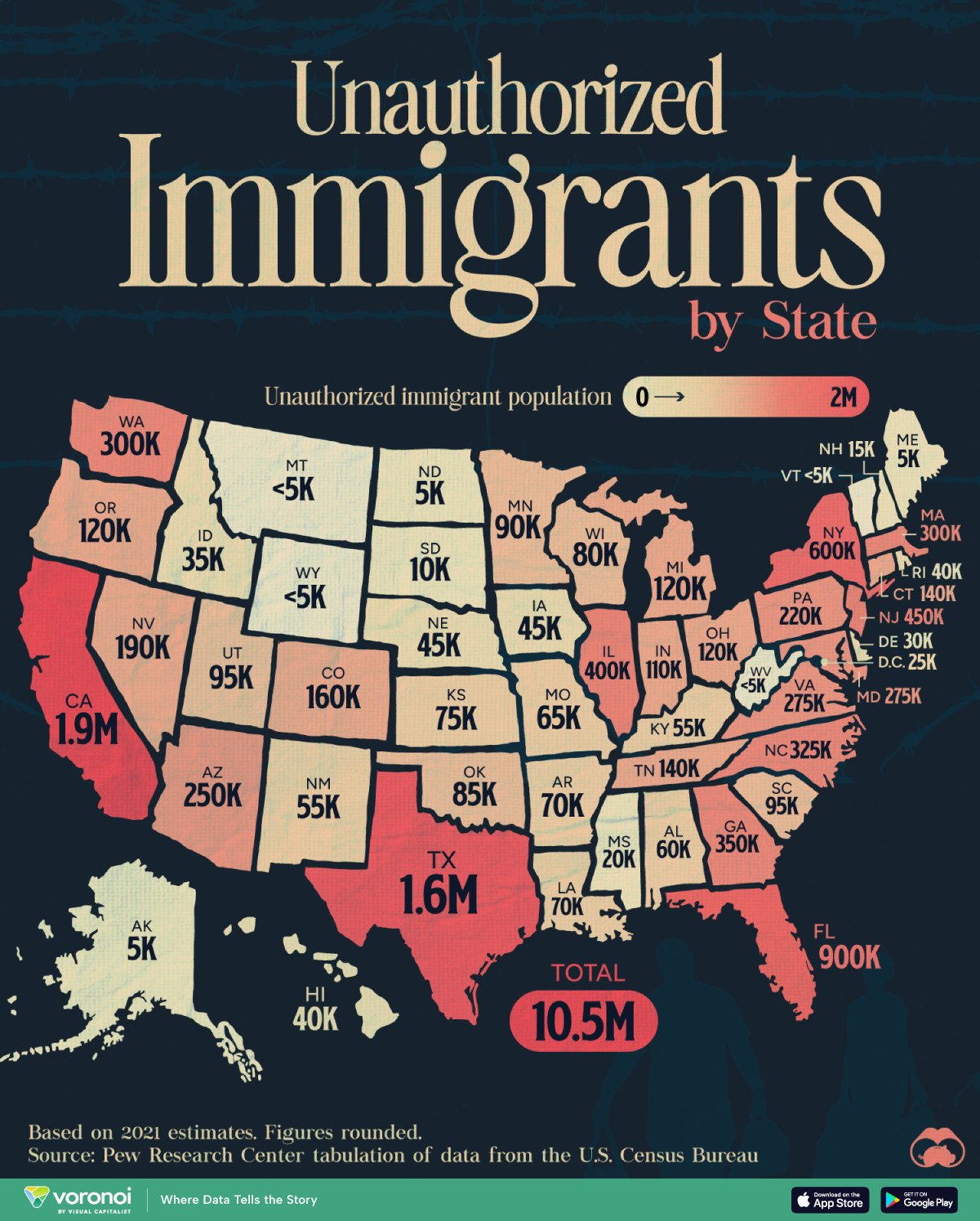
Based on analyses from organizations like the Pew Research Center, estimates for the undocumented immigrant population in Florida have generally placed the figure in the hundreds of thousands. For instance, research published in recent years has suggested numbers ranging from around 700,000 to over 1 million. These figures represent a significant portion of the state’s overall population and contribute to its diverse demographic makeup.
It’s important to note that these are estimates, and the actual number could be higher or lower. Factors like economic conditions in Florida and in immigrants’ countries of origin, as well as immigration enforcement policies, can influence migration patterns and, consequently, the undocumented population size.
Socio-Economic Impact on Florida
The presence of a substantial undocumented population in Florida has tangible socio-economic effects that are often debated and analyzed. These impacts span various sectors, from the labor market to the demand for public services.
Labor Force Contributions
Undocumented immigrants play a significant role in certain sectors of the Florida economy, particularly in agriculture, construction, hospitality, and domestic services. These industries often rely on a labor force that is willing to perform physically demanding jobs, sometimes at wages that may be less attractive to native-born workers.
- Agricultural Sector: Florida’s vast agricultural industry, producing a significant portion of the nation’s fruits and vegetables, has historically depended heavily on immigrant labor, including undocumented workers, for planting, harvesting, and packing.
- Construction Industry: Following natural disasters and periods of economic growth, the demand for construction workers in Florida is high. Undocumented immigrants have often filled these roles, contributing to the rebuilding and development of communities.
- Hospitality and Tourism: As a major tourist destination with numerous hotels, resorts, and restaurants, Florida benefits from a workforce that supports its vibrant tourism sector. Many undocumented immigrants are employed in roles within hotels, restaurants, and cleaning services.
Economists sometimes point to the contributions of undocumented workers to economic output, noting that they consume goods and services, thereby stimulating demand and contributing to economic activity. However, debates also arise regarding wage suppression and the impact on the earnings of low-skilled native-born workers.
Strain on Public Services
The presence of undocumented immigrants can also place a strain on public services, though the extent of this strain is a subject of ongoing discussion and analysis.
- Education: Public schools in Florida are mandated by law to provide education to all children, regardless of their immigration status. This means that undocumented families have access to K-12 education for their children, contributing to school enrollment numbers and resource demands in various districts, particularly in areas with high immigrant populations like Miami-Dade or Osceola counties.
- Healthcare: While undocumented immigrants do not typically qualify for federal healthcare programs like Medicaid, they do utilize emergency room services, which are legally required to treat patients regardless of ability to pay. This can lead to significant costs for hospitals and healthcare systems. Some local initiatives and community health centers aim to provide more affordable or accessible care.
- Infrastructure: A larger population, regardless of legal status, naturally increases the demand for infrastructure such as roads, public transportation, and utilities.
It is crucial to acknowledge that many undocumented immigrants also pay taxes, both directly and indirectly. They pay sales taxes on goods and services, and many also pay property taxes through their rent. Some individuals obtain Individual Taxpayer Identification Numbers (ITINs) to file federal income taxes, even if they are not eligible for a Social Security number.
Demographics and Distribution Within Florida
The undocumented population in Florida is not uniformly distributed across the state. Certain regions and urban centers tend to have higher concentrations due to various factors, including economic opportunities, existing community networks, and proximity to transportation hubs.
Key Areas of Concentration
- South Florida: Regions like Miami-Dade, Broward, and Palm Beach counties have historically been major destinations for immigrants, including those who are undocumented. The diverse economy, robust service industry, and established immigrant communities in these areas contribute to higher concentrations.
- Central Florida: Counties such as Orange, Osceola, and Hillsborough also host significant undocumented populations, often linked to the agricultural sectors in surrounding rural areas and the thriving tourism industry in cities like Orlando.
- Agricultural Regions: Areas with extensive farming operations, particularly in the interior and western parts of the state, often see a concentration of undocumented workers who are essential to the agricultural cycle.
Origin Countries and Cultural Diversity
The undocumented population in Florida is diverse, reflecting global migration patterns. While many individuals come from Latin American countries, including Mexico, Cuba, Haiti, and Central American nations like El Salvador, Guatemala, and Honduras, there are also significant populations from other regions of the world. This diversity enriches the cultural fabric of Florida, contributing to a vibrant mosaic of languages, traditions, and cuisines found in cities from Miami to Tampa.
The presence of these diverse communities contributes to the unique character of Florida, influencing everything from local festivals and restaurants to the languages spoken in daily life.
Policy Debates and Future Considerations
The question of how many undocumented immigrants reside in Florida is central to ongoing policy debates at both the state and federal levels. These discussions often revolve around enforcement, integration, and the economic and social impacts of immigration.
State-Level Policies and Initiatives
Florida, like other states, has navigated complex immigration policies. State lawmakers have addressed issues ranging from employment verification for public contractors to law enforcement cooperation with federal immigration authorities. These policies aim to manage the presence of undocumented immigrants within the state’s borders and address concerns related to public safety and resource allocation. Initiatives have sometimes focused on encouraging voluntary departures or increasing enforcement measures, while others have explored pathways for integration or addressing labor needs.
Federal Immigration Reform
Ultimately, the long-term resolution of issues surrounding undocumented immigration often hinges on comprehensive federal immigration reform. Debates in Washington D.C. have frequently centered on border security, pathways to citizenship for undocumented individuals already living in the United States, and the future of employment-based immigration. Any significant changes in federal policy can have a profound effect on the number and status of undocumented immigrants in Florida and across the nation.
The Evolving Landscape
The demographic and economic landscape of Florida is continually evolving. Factors such as economic growth, global events, and shifts in immigration policies will likely influence migration patterns and the undocumented population in the future. Accurate, reliable data and thoughtful analysis are essential for policymakers and the public alike to understand the full scope of this issue and to develop informed approaches to immigration in Florida. The quest for definitive numbers remains a challenge, but the ongoing efforts to estimate and understand the undocumented population are crucial for shaping the state’s future.
LifeOutOfTheBox is a participant in the Amazon Services LLC Associates Program, an affiliate advertising program designed to provide a means for sites to earn advertising fees by advertising and linking to Amazon.com. Amazon, the Amazon logo, AmazonSupply, and the AmazonSupply logo are trademarks of Amazon.com, Inc. or its affiliates. As an Amazon Associate we earn affiliate commissions from qualifying purchases.