
Florida, the Sunshine State, beckons with its sun-drenched beaches, vibrant cities, and a rich tapestry of natural beauty. But beyond the mainland allure lies a fascinating archipelago, a constellation of islands that dot its extensive coastline and inland waterways. The question of “how many islands” Florida possesses is not a simple one to answer with a definitive number. Instead, it opens a gateway to exploring the diverse island landscapes that define this popular travel destination, from the bustling hubs of metropolitan areas to the serene sanctuaries of its natural reserves. Understanding Florida’s island count is to understand its geographical soul and the myriad of travel experiences it offers.

The Defining Characteristics of Florida’s Islands
Florida’s island formations are as varied as the state itself. They range from small, uninhabited sandbars that shift with the tides to larger, developed landmasses that host entire communities and world-class resorts.
Natural Islands: The Unspoiled Wilderness
A significant portion of Florida’s islands are natural formations, sculpted by geological processes and the dynamic forces of the Atlantic Ocean and the Gulf of Mexico.
Barrier Islands: The First Line of Defense
Along Florida’s eastern coast, a chain of barrier islands acts as a protective buffer against storm surges and erosion. These include well-known destinations like Amelia Island in the north, the extensive stretch of the Outer Banks (though this is primarily a North Carolina feature, Florida has its own versions), and the pristine shores of Sanibel Island and Captiva Island on the Gulf coast. These islands often boast stunning beaches, abundant wildlife, and opportunities for birdwatching, shelling, and kayaking. Their natural state is a major draw for travelers seeking tranquility and an escape from the mainland bustle.
Mangrove Islands: Vital Ecosystems
The southwestern coast of Florida, particularly the 10,000 Islands region, is characterized by a vast network of mangrove islands. These intricate ecosystems are crucial nurseries for marine life, providing habitat for fish, crustaceans, and numerous bird species. Exploring these islands by kayak or boat offers an intimate encounter with Florida’s unique coastal ecology. While many are small and inaccessible, their collective presence significantly shapes the marine environment and the coastal character of areas like Everglades National Park.
Inland Islands: Freshwater Havens
Beyond the coasts, Florida’s interior is dotted with islands nestled within its numerous lakes and rivers. These can range from small islets in large lakes like Lake Okeechobee to larger landmasses that have become popular recreational areas. While not as numerous or as prominent as their coastal counterparts, these freshwater islands offer unique fishing, boating, and camping experiences, contributing to Florida’s diverse outdoor pursuits.
Man-Made Islands: Engineering Marvels and Urban Hubs
Florida’s rapid development and tourism industry have also led to the creation of numerous man-made islands, often designed for residential, commercial, or recreational purposes.
Urban Islands: Connectivity and Commerce
Cities like Miami have transformed natural landforms and even created entirely new islands to expand their urban footprint. Miami Beach, originally a narrow strip of land, has grown through extensive development and land reclamation, becoming a world-renowned destination for its art deco architecture, vibrant nightlife, and luxurious resorts. Other areas, such as parts of Tampa and Fort Lauderdale, also feature islands or peninsulas that are integral to their urban fabric and tourism appeal.
Recreational and Residential Islands: Exclusive Enclaves
Many of Florida’s islands are designed as exclusive residential communities or dedicated recreational zones. These can range from luxurious private islands for discerning travelers to accessible island parks offering unique day trip opportunities. The development of these islands reflects Florida’s appeal as a desirable place to live and vacation, with carefully planned infrastructure and amenities catering to a variety of lifestyles.
The Uncountable Nature of Florida’s Islands
Given the dynamic nature of coastal environments and the continuous human intervention, providing an exact figure for Florida’s islands is an exercise in futility.
The Impact of Tides and Seasons
The very definition of an “island” can be fluid in coastal Florida. Small sandbars appear and disappear with the changing tides and seasonal weather patterns. What might be a distinct landmass during low tide could be submerged or connected to the mainland during high tide. This constant state of flux means that any count would be a snapshot in time, quickly rendered inaccurate.
The Scale of the Archipelago
Florida’s coastline, spanning over 1,350 miles on the Atlantic and over 825 miles on the Gulf, is incredibly complex. This vast expanse is studded with countless small cays, islets, and spits. When combined with the islands found in its extensive network of rivers, lakes, and intracoastal waterways, the sheer volume becomes overwhelming for a precise count. Geographers and cartographers may have official designations for larger islands, but the multitude of smaller formations often goes uncounted in broad surveys.
The Dynamic Nature of Land
Furthermore, land reclamation projects, dredging, and natural erosion continually alter the landscape. New islands can be formed through sediment deposition, while others may shrink or disappear over time. This dynamic geological process means that the number of islands is not static but rather in a constant state of subtle change.
Exploring Florida’s Island Destinations: A Traveler’s Guide
While a precise number remains elusive, the allure of Florida’s islands is undeniable for travelers. Each offers a unique slice of the Sunshine State’s diverse appeal.
The Keys: A Tropical Paradise
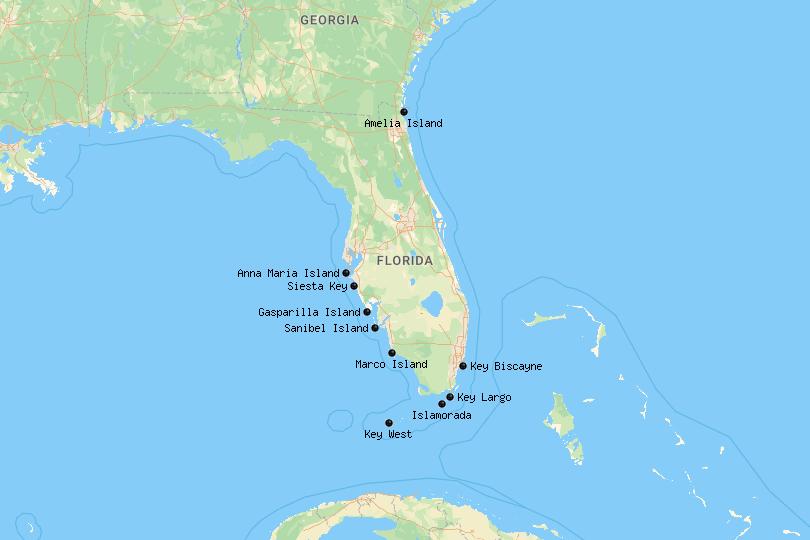
Perhaps the most iconic island chain in Florida is the Florida Keys. This string of tropical islands stretches 113 miles off the southern tip of the mainland, creating a unique sub-tropical environment.
Key West: The Southernmost Point
Key West, the southernmost island, is a vibrant hub known for its colorful Victorian architecture, lively Duval Street, and rich history. It offers a blend of relaxation and eclectic culture, attracting artists, writers, and vacationers alike. Attractions like the Ernest Hemingway Home and Museum and the historic Key West Lighthouse are must-sees.
Other Keys: Snorkeling, Diving, and Serenity
Further up the chain, islands like Marathon, Islamorada, and Key Largo offer distinct experiences. Marathon is home to the famous Seven Mile Bridge and excellent opportunities for dolphin encounters at the Dolphin Research Center. Islamorada, the “Sportfishing Capital of the World,” is renowned for its deep-sea fishing. Key Largo, the first of the Keys, is famous for its pristine waters, ideal for snorkeling and diving in places like the John Pennekamp Coral Reef State Park.
The Gulf Coast Islands: Shells, Sunsets, and Serenity
Florida’s Gulf Coast is fringed with islands that offer a different, yet equally captivating, experience.
Sanibel and Captiva: Sheller’s Paradise
Sanibel Island and its smaller neighbor, Captiva Island, are internationally acclaimed for their abundant shelling opportunities. The unique east-west orientation of the islands creates a natural scoop that gathers seashells from the Gulf. Beyond shelling, these islands offer tranquil beaches, nature preserves like the J.N. “Ding” Darling National Wildlife Refuge, and a relaxed, upscale atmosphere.
Anna Maria Island: Old Florida Charm
Anna Maria Island, located in Manatee County, retains a charming “Old Florida” feel. With its no-commercialization policy, visitors can enjoy pristine beaches, quaint shops, and a slower pace of life. The island is perfect for leisurely bike rides, fishing, and enjoying spectacular Gulf sunsets.
The 10,000 Islands: A Wilderness Adventure
For the intrepid explorer, the 10,000 Islands region south of Naples offers a vast wilderness of mangrove islands. Accessible primarily by boat, this area is a haven for kayakers, birdwatchers, and those seeking an off-the-beaten-path adventure. Exploring this labyrinthine waterway provides a unique perspective on Florida’s natural heritage.
The Atlantic Coast Islands: History and Natural Beauty
Florida’s Atlantic coast also boasts its share of remarkable islands.
Amelia Island: Historic Charm and Natural Beauty
Amelia Island, in northeast Florida, blends a rich history with stunning natural landscapes. Fort Clinch State Park preserves a 19th-century fort, offering a glimpse into the past. The island’s beaches, maritime forests, and golf courses make it a popular destination for a variety of vacationers.
Palm Beach: Luxury and Elegance
Palm Beach, an island town on the southeast coast, is synonymous with luxury and exclusivity. Known for its opulent estates, high-end boutiques along Worth Avenue, and beautiful beaches, it attracts a sophisticated clientele seeking a refined island experience.

Canaveral National Seashore Islands: Nature’s Sanctuary
Part of the protected Canaveral National Seashore, several islands and spits off the central Atlantic coast serve as critical nesting grounds for sea turtles and important habitats for shorebirds. While some are accessible for public use, others are preserved for their ecological significance, offering a glimpse into Florida’s vital natural resources.
In conclusion, while a definitive number of islands in Florida may be impossible to ascertain, their collective presence is fundamental to the state’s identity and its immense appeal as a travel destination. From the vibrant energy of man-made urban islands to the tranquil seclusion of natural barrier islands and mangrove islets, Florida’s archipelago offers an unparalleled diversity of experiences for every traveler. Each island, whether large or small, contributes to the unique charm and allure of the Sunshine State, inviting exploration and discovery.
LifeOutOfTheBox is a participant in the Amazon Services LLC Associates Program, an affiliate advertising program designed to provide a means for sites to earn advertising fees by advertising and linking to Amazon.com. Amazon, the Amazon logo, AmazonSupply, and the AmazonSupply logo are trademarks of Amazon.com, Inc. or its affiliates. As an Amazon Associate we earn affiliate commissions from qualifying purchases.