
Navigating the Sunshine State often involves traversing its extensive network of toll roads, bridges, and expressways. For travelers, understanding the cost of these tolls is a crucial part of budgeting for a Florida vacation or a business trip. From the vibrant streets of Miami to the theme park mecca of Orlando, toll costs can add up, influencing driving routes and overall travel expenses. This guide aims to demystify Florida’s toll system, providing insights into pricing structures, payment methods, and ways to manage these expenses effectively.
Understanding Florida’s Toll Road Network
Florida’s commitment to efficient transportation is evident in its vast toll system, primarily managed by the Florida Department of Transportation (FDOT) and various regional authorities like the Central Florida Expressway Authority (CFX) and the Florida’s Turnpike Enterprise. These entities operate a diverse array of tolled facilities, including:
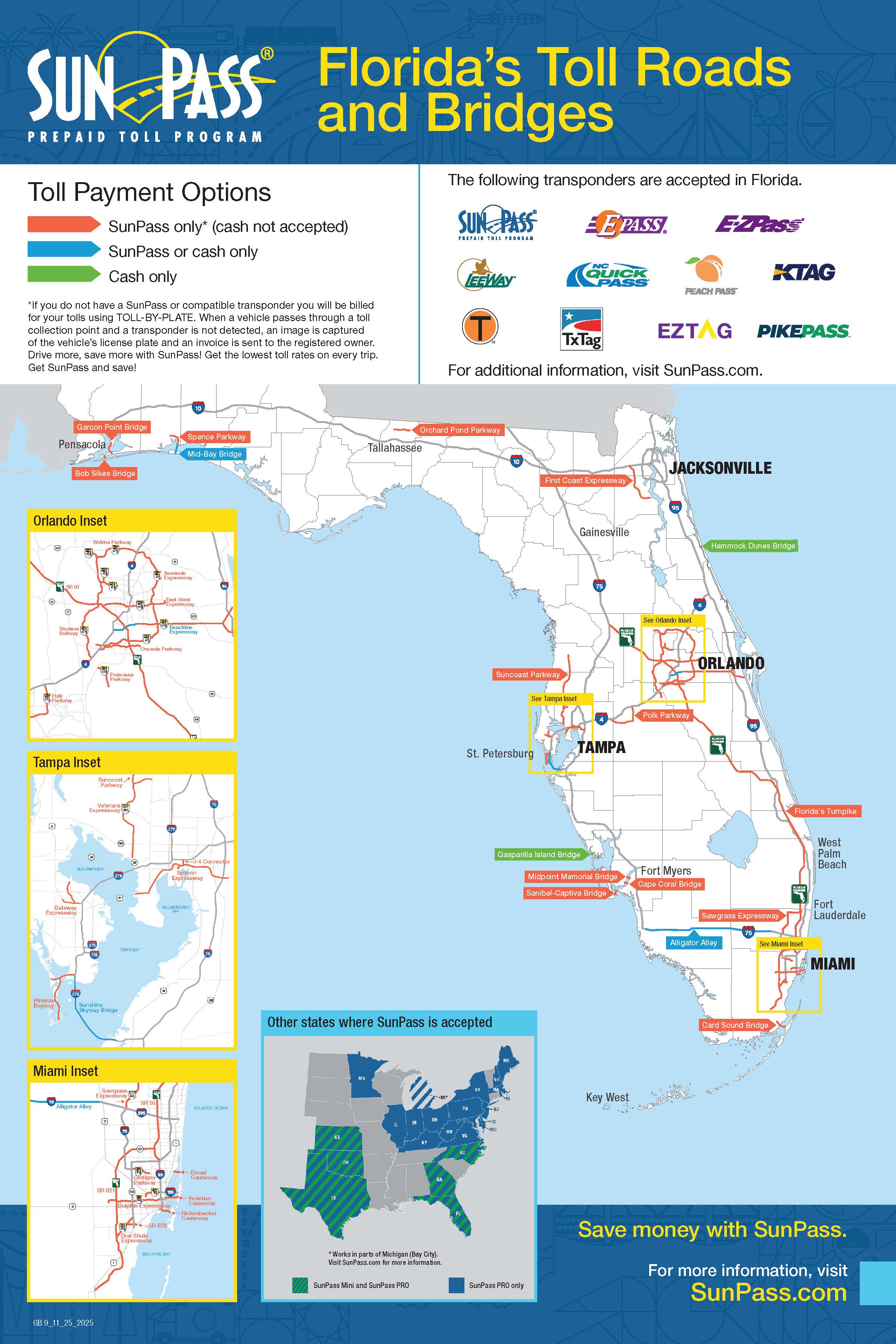
- Turnpikes: Long-distance, high-speed highways designed for efficient travel across the state. The Florida’s Turnpike itself is a prime example, stretching over 300 miles and connecting major population centers.
- Expressways: Urban and suburban arteries that provide direct routes through metropolitan areas, often bypassing congested surface streets. Examples include the Ronald Reagan Turnpike in South Florida and the Seminole Expressway in Central Florida.
- Bridges and Tunnels: Many of the state’s most scenic and vital crossings, particularly in coastal areas like Tampa Bay and the Florida Keys, are tolled to fund their construction and maintenance.
- Toll Zones and Variable Pricing: Some areas feature electronic toll zones or express lanes with variable pricing, where tolls fluctuate based on real-time traffic demand.
The pricing for these facilities is not static. It is influenced by several factors, including the distance traveled, the type of vehicle, the time of day, and whether you are a registered toll transponder holder. For instance, driving a commercial truck will incur a higher toll than operating a standard passenger car.
Key Toll Authorities and Their Territories
Navigating Florida’s toll system can be simplified by understanding the main authorities responsible for different regions:
- Florida’s Turnpike Enterprise: This is the largest toll agency in the state, managing the majority of the turnpikes and many expressways across the state, from South Florida north to the panhandle.
- Central Florida Expressway Authority (CFX): Serving the greater Orlando metropolitan area, CFX operates several major expressways, including the State Road 417 (Greeneway) and the State Road 408 (East-West Expressway).
- Tampa Hillsborough Expressway Authority (THEA): This authority manages toll facilities in the Tampa area, including the Selmon Expressway.
- Bridges and other Regional Authorities: Numerous other local and regional entities operate specific bridges and toll roads, often catering to local traffic patterns and needs.
While the FDOT oversees the overarching transportation infrastructure, these individual authorities set and manage the tolls on their respective facilities. This means toll rates can vary even for similar types of roads depending on which authority governs them.
Calculating Your Toll Costs: Factors and Estimates
Determining the exact cost of Florida tolls requires considering several variables. While there isn’t a single, simple answer, understanding these factors will help you estimate your expenses.
Vehicle Type and Axle Count
The most significant factor influencing toll rates, aside from distance, is the type of vehicle. Tolls are typically based on the number of axles on a vehicle.
- Two-Axle Vehicles: Standard passenger cars, motorcycles, and SUVs fall into this category. These generally have the lowest toll rates.
- Three-Axle Vehicles: Larger trucks, RVs, and vehicles towing trailers often have three or more axles. These vehicles are charged higher rates due to their increased weight and road impact.
- Multi-Axle Vehicles: Heavy-duty commercial trucks with four or more axles face the highest toll charges.
The difference in toll can be substantial. A trip that costs $5 for a car might cost $15 or more for a large truck.
Time of Day and Demand Pricing
Some of Florida’s busiest toll facilities, particularly express lanes in metropolitan areas like Miami and Tampa, employ variable pricing. This means tolls can change throughout the day, with higher rates during peak rush hours when demand is greatest, and lower rates during off-peak times. This strategy aims to manage traffic flow and encourage drivers to use alternative routes or travel times.
SunPass and Toll Transponders: The Cost Advantage
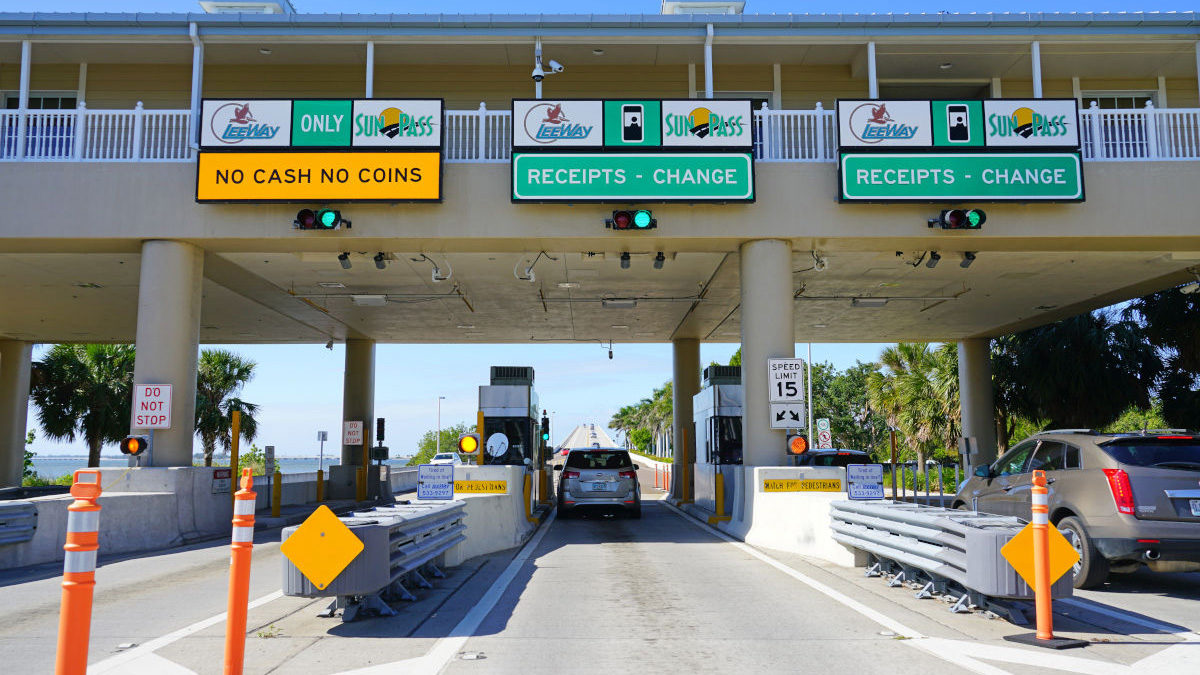
One of the most effective ways to manage toll costs is by using a toll transponder, such as SunPass. Drivers who use a transponder typically receive a discount compared to those who pay by mail or plate. This discount can range from 10% to 25% or more, depending on the specific toll authority and facility.
- SunPass: This is the primary statewide prepaid toll system. You can purchase a transponder online, at retail locations like Walgreens and CVS, or at FDOT customer service centers. You load money onto your SunPass account, and tolls are automatically deducted as you pass through toll points.
- Other Transponders: E-ZPass and O-Pass are also accepted on many Florida toll roads, allowing for interoperability with other states’ toll systems.
Pay-By-Plate and Toll-By-Mail

For drivers without a transponder, toll authorities utilize a “pay-by-plate” or “toll-by-mail” system. Cameras capture your license plate, and a bill is mailed to the registered owner of the vehicle. While convenient, this method often comes with higher administrative fees and no discount, making it the most expensive option for frequent toll road users. If you receive a bill, it’s crucial to pay it promptly to avoid additional penalties and late fees.
Estimating Specific Routes
To get a precise idea of your toll costs for a particular journey, you can utilize online tools provided by the toll authorities:
- Florida’s Turnpike Enterprise: Offers an interactive toll calculator on its website.
- Central Florida Expressway Authority (CFX): Provides a trip calculator for its network of expressways.
- Google Maps and other Navigation Apps: Many navigation apps allow you to view estimated toll costs for your chosen route. You can often toggle options to avoid tolls entirely if cost is a primary concern.
For example, a popular route for tourists heading from Miami International Airport to Walt Disney World Resort in Orlando might involve a combination of the Florida’s Turnpike and CFX expressways. The total toll cost for this trip can range from $20 to $40 or more for a standard car, depending on the specific roads taken and whether SunPass is used.
Managing Your Toll Expenses Effectively
For both leisure travelers and business visitors, keeping toll costs manageable is key to a smoother financial experience in Florida. Here are some strategies:
Plan Your Routes Strategically
Before embarking on your journey, consider your route. While toll roads often offer the fastest and most direct path, sometimes opting for non-tolled surface streets can save money, especially for shorter distances or if you have ample time. Many navigation apps can provide both toll and no-toll route options, allowing you to compare travel times and estimated costs.
For instance, if you are traveling from Fort Lauderdale to Palm Beach, you could take the I-95 (which has some tolled express lanes) or a combination of US highways. The choice depends on your priority: speed or cost savings.
Invest in a SunPass Transponder
As highlighted earlier, using a SunPass transponder is the most effective way to reduce your toll expenses. The discounts offered by toll authorities far outweigh the initial cost of the transponder itself. Even for a short visit, if you plan to drive on multiple toll roads, a SunPass will likely pay for itself. You can often purchase a temporary transponder or set up a prepaid account for a specific period.
Understand and Adhere to Toll Payment Deadlines
If you receive a toll-by-mail invoice, ensure you pay it by the due date. Ignoring these bills can lead to escalating penalties, liens on your vehicle registration, and other legal issues. If you believe a bill is incorrect, contact the issuing toll authority immediately to resolve the discrepancy.
Consider Toll Discounts for Frequent Travelers
Some toll authorities offer special programs or discounts for frequent users or residents of specific areas. While these are less common for short-term visitors, it’s worth investigating if you plan extended stays or repeated travel within certain regions of Florida.
Budgeting for Tolls
When planning your Florida trip, it’s wise to build a buffer into your travel budget for tolls. Using online calculators and factoring in your intended travel routes will give you a more accurate estimate. A good rule of thumb is to add 15-20% more than your estimated toll costs to account for any unexpected detours or changes in plans.
The Impact of Tolls on Florida Tourism and Transportation
Tolls in Florida play a dual role: they are a vital funding mechanism for maintaining and expanding the state’s transportation infrastructure, and they represent a recurring expense for travelers. The revenue generated from tolls directly contributes to projects such as road widening, bridge repairs, and the development of new expressways, which are essential for supporting Florida’s booming population and thriving tourism industry.
From facilitating access to world-renowned attractions like Walt Disney World Resort, Universal Orlando Resort, and the pristine beaches of the Florida Keys, to connecting major business hubs like Miami, Orlando, and Tampa, toll roads are integral to the state’s mobility. Without them, congestion would be significantly worse, and the pace of infrastructure development would likely slow.
However, for budget-conscious travelers, the cumulative cost of tolls can be a notable part of their vacation expenses. This is why understanding the toll system, utilizing cost-saving measures like SunPass, and strategically planning routes are so important. The goal is to balance the convenience and efficiency of toll roads with the need to manage travel budgets effectively, ensuring that the joy of exploring Florida is not overshadowed by unexpected road charges. As Florida continues to grow, its toll infrastructure will undoubtedly evolve, making ongoing awareness of toll costs and payment methods essential for all drivers.
LifeOutOfTheBox is a participant in the Amazon Services LLC Associates Program, an affiliate advertising program designed to provide a means for sites to earn advertising fees by advertising and linking to Amazon.com. Amazon, the Amazon logo, AmazonSupply, and the AmazonSupply logo are trademarks of Amazon.com, Inc. or its affiliates. As an Amazon Associate we earn affiliate commissions from qualifying purchases.