
Understanding the earning potential for paramedics in Florida is crucial for aspiring professionals, those considering a career change, and even individuals interested in the economic landscape of emergency medical services within the Sunshine State. This detailed exploration delves into the various factors influencing paramedic salaries, from experience and location to employer type and specialized certifications. While the role of a paramedic is undeniably driven by a deep commitment to public service, financial compensation is a significant aspect of professional life.
Factors Influencing Paramedic Salaries in Florida
Several key variables contribute to the salary range observed for paramedics across Florida. A thorough understanding of these elements can provide a more accurate picture of potential earnings.

Experience Level
The adage “experience matters” holds particularly true in the field of emergency medical services. Entry-level paramedics, often fresh out of accredited training programs, typically command a lower starting salary. As they accumulate years of hands-on experience, respond to a wider array of medical emergencies, and develop advanced clinical skills, their value to employers increases. This progression is often reflected in salary increases, with seasoned paramedics earning significantly more than their less experienced counterparts.
Geographic Location
Florida is a diverse state with varying costs of living and demand for healthcare professionals. Major metropolitan areas and highly populated regions often offer higher salaries to attract and retain talent, especially in areas with a higher concentration of medical facilities and a greater volume of emergency calls. For instance, paramedics working in or near cities like Miami, Orlando, or Tampa may find their earning potential to be higher than those in more rural or less densely populated counties. The cost of living in these urban centers also tends to be higher, which can justify the increased compensation.
Employer Type
The entity employing a paramedic can significantly impact their compensation package. Common employers include:
- Public EMS Agencies: These are often county- or city-run services. Salaries can be influenced by municipal budgets and collective bargaining agreements. While benefits might be robust, base salaries could sometimes be more modest compared to private sector options, though this is not always the case.
- Private Ambulance Companies: A substantial portion of EMS in Florida is provided by private companies. These companies compete for contracts and talent, which can lead to competitive salary offerings. Their compensation structures can vary widely based on the company’s size, operational efficiency, and the contracts they hold with hospitals or local governments.
- Hospital-Based EMS: Some larger hospital systems operate their own EMS divisions. Paramedics employed directly by hospitals may benefit from hospital-wide pay scales, benefits packages, and opportunities for advancement within the healthcare institution.
- Fire Departments: In many Florida communities, paramedics are integrated into fire departments. In these roles, they often enjoy the same pay scales and benefits as other firefighters, which can be quite competitive.
Specializations and Certifications
Paramedics can enhance their earning potential by obtaining specialized certifications. These advanced qualifications demonstrate expertise in specific areas and can lead to higher-paying roles or assignments. Examples include:
- Critical Care Paramedic (CCP): These paramedics are trained to provide advanced care to critically ill or injured patients during inter-facility transports, often involving complex equipment and higher levels of medical intervention.
- Flight Paramedic: Working with air medical services, flight paramedics are crucial for rapid transport of critically ill patients, requiring specialized skills in helicopter operations and advanced medical care in a demanding environment.
- Hazardous Materials (HAZMAT) Technician: Paramedics with HAZMAT training can respond to incidents involving dangerous substances, adding a critical skill set to their repertoire.
- Tactical Paramedic: These individuals provide medical support to law enforcement special operations units, requiring a high degree of physical fitness and specialized tactical medical knowledge.
Each of these specializations often comes with a salary premium, reflecting the advanced training, inherent risks, and specialized knowledge required.
Education and Training
While a high school diploma or GED is typically the minimum educational requirement for paramedic school, completing an accredited paramedic program is essential. Further education, such as an Associate’s or Bachelor’s degree in emergency medical services or a related healthcare field, can also open doors to leadership positions or specialized roles that may offer higher compensation.
Average Paramedic Salaries in Florida
Pinpointing an exact average salary for paramedics in Florida is challenging due to the aforementioned variables. However, based on available data from various sources, a general range can be established.
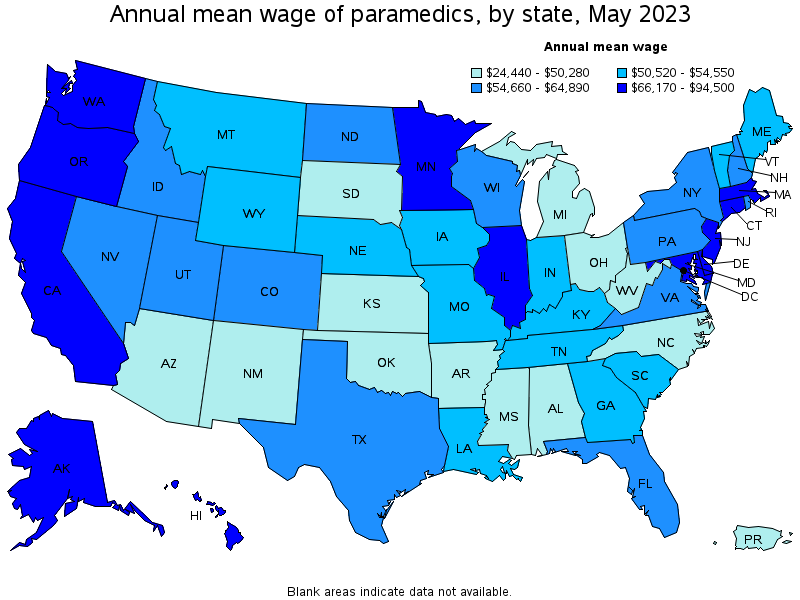
The U.S. Bureau of Labor Statistics (BLS) provides national wage data that can be a useful reference point. For Florida, the median annual wage for paramedics was reported to be around $50,000 to $60,000 as of recent data. It is important to note that “median” signifies the midpoint, meaning half of paramedics earned more than this amount, and half earned less.
However, many sources suggest that the actual earning potential in Florida can stretch considerably beyond the median. Entry-level positions might start in the $35,000 to $45,000 range, while experienced paramedics, particularly those with specialized skills or working in high-demand areas or for certain private employers, could earn upwards of $70,000 to $85,000 or even more. Some highly specialized roles, such as flight paramedics or tactical paramedics in major metropolitan areas, may command even higher salaries.
Salary Breakdown by Experience
- Entry-Level Paramedic (0-2 years): $35,000 – $45,000
- Mid-Level Paramedic (3-7 years): $45,000 – $60,000
- Experienced Paramedic (8+ years): $60,000 – $85,000+
These figures are approximate and subject to change based on market conditions and the specific employer.
Geographic Salary Variations Within Florida
The economic landscape of Florida presents significant regional differences in paramedic salaries.
Major Metropolitan Areas
Cities like Miami-Dade County, Broward County, Orange County (home to Orlando), and Hillsborough County (home to Tampa) generally offer higher wages. This is due to a combination of a higher cost of living, a greater demand for emergency services driven by larger populations and tourism, and a more competitive job market among healthcare providers. Paramedics in these areas might see starting salaries that are already at or above the state median, with ample opportunities for growth.
Mid-Sized Cities and Suburban Areas
In cities like Jacksonville, Fort Lauderdale, or areas within the Florida Keys, salaries can be competitive, though perhaps not as high as the absolute largest urban centers. These areas often strike a balance between cost of living and earning potential.
Rural and Less Populated Areas
Paramedic positions in more rural counties or less densely populated parts of Florida may offer slightly lower base salaries. However, these roles can sometimes come with other benefits, such as more predictable schedules, a strong sense of community impact, or potentially lower living expenses, which can offset the difference in gross income. Recruitment and retention can be a challenge in these areas, leading some employers to offer incentives.
Benefits and Total Compensation
When evaluating a paramedic’s overall compensation in Florida, it is essential to consider the benefits package offered by the employer. Beyond the base salary, comprehensive benefits can significantly add to the total compensation.
Health Insurance
Most employers provide health insurance coverage for paramedics, which is a substantial financial benefit given the rising costs of healthcare. This often includes medical, dental, and vision coverage for the employee and potentially their dependents.
Retirement Plans
Many public sector employers, and increasingly private ones, offer retirement plans, such as 401(k) or pension plans. Contributions from the employer can significantly boost long-term financial security.
Paid Time Off (PTO)
Generous PTO policies, including vacation days, sick leave, and holidays, are a common component of paramedic compensation. This allows for work-life balance and personal well-being.
Other Benefits
Additional benefits might include:
- Life Insurance: Employer-provided life insurance policies offer financial security for the paramedic’s family.
- Disability Insurance: Short-term and long-term disability insurance can provide income protection in case of injury or illness.
- Continuing Education Reimbursement: Many employers will cover the costs associated with maintaining certifications and pursuing advanced training.
- Uniform and Equipment Allowances: Some positions may include allowances for uniforms or personal protective equipment.
- Shift Differentials: Paramedics working less desirable shifts (e.g., nights, weekends, holidays) often receive a higher hourly rate or a shift differential bonus.
Career Advancement and Earning Potential
The path for a paramedic in Florida does not necessarily end with the basic certification. Opportunities for career advancement can lead to increased responsibilities and, consequently, higher earning potential.
Supervisory and Management Roles
With experience, paramedics can move into supervisory roles, such as shift supervisor, operations manager, or training coordinator. These positions typically involve managing staff, overseeing operations, and ensuring compliance with protocols, which generally come with a higher salary.
Education and Instruction
Paramedics with a passion for teaching can pursue roles as instructors in paramedic programs or continue their education to become faculty members at colleges or universities. This path often requires advanced degrees but can be rewarding both intellectually and financially.
Specialized Fields
As mentioned earlier, pursuing specialized certifications like Critical Care, Flight, or Tactical medicine opens up niche, high-demand roles that often command premium salaries. These roles require a higher level of skill, autonomy, and responsibility.
Transition to Other Healthcare Roles
The skills and knowledge gained as a paramedic can serve as a strong foundation for other healthcare careers. Some paramedics choose to pursue further education to become registered nurses (RNs), physician assistants (PAs), or even physicians. While this involves significant additional education and training, it represents a path to substantially higher earning potential within the broader healthcare industry.
In conclusion, while the exact salary for a paramedic in Florida is influenced by a multitude of factors, it offers a respectable and potentially lucrative career for dedicated individuals. The combination of a solid base salary, comprehensive benefits, and abundant opportunities for advancement and specialization makes it an attractive profession for those committed to serving their communities and making a tangible difference in people’s lives.
LifeOutOfTheBox is a participant in the Amazon Services LLC Associates Program, an affiliate advertising program designed to provide a means for sites to earn advertising fees by advertising and linking to Amazon.com. Amazon, the Amazon logo, AmazonSupply, and the AmazonSupply logo are trademarks of Amazon.com, Inc. or its affiliates. As an Amazon Associate we earn affiliate commissions from qualifying purchases.