
Florida, a state renowned for its sun-drenched beaches, vibrant theme parks, and diverse ecosystems, also presents a compelling landscape for veterinary professionals. The Sunshine State’s unique demographic, a blend of permanent residents, seasonal visitors, and a significant pet population, drives the demand for skilled veterinarians. Understanding the earning potential for these animal healthcare practitioners is crucial for those considering a career in this field or for pet owners seeking to appreciate the investment in their beloved companions’ well-being. This exploration delves into the financial realities of veterinary medicine in Florida, examining the factors that influence salary, typical compensation ranges, and the opportunities that await in this dynamic market.

Factors Influencing Veterinary Salaries in Florida
The compensation of a veterinarian in Florida is not a monolithic figure; rather, it’s a complex interplay of various elements. These can range from the veterinarian’s individual experience and specialization to the type of practice they are involved in and the specific geographic location within the state.
Experience and Seniority
As with most professions, a veterinarian’s years of experience significantly impact their earning potential. Entry-level veterinarians, often fresh out of veterinary school, will typically command a lower salary. As they gain practical experience, refine their skills, and build a professional reputation, their market value increases. Senior veterinarians, particularly those who have taken on leadership roles, managed practices, or developed specialized expertise, can expect to earn substantially more. This progression reflects not only acquired knowledge but also the trust and responsibility they are deemed capable of handling.
Specialization and Advanced Certifications
The field of veterinary medicine, much like human medicine, has numerous specialties. Veterinarians who pursue advanced training and board certification in areas such as surgery, internal medicine, cardiology, dermatology, or emergency and critical care often see a notable boost in their income. These specialists are equipped to handle complex cases that require a deeper level of knowledge and skill, making them invaluable assets to veterinary hospitals and referral centers. The demand for these specialized services in a state with a large and affluent pet-owning population contributes to higher earning potential for these professionals.
Type of Practice
The setting in which a veterinarian practices plays a pivotal role in their salary. The primary categories include:
General Practice Clinics
These are the most common veterinary facilities, offering a broad range of services from routine check-ups and vaccinations to minor surgical procedures and dental care. Salaries in general practice can vary widely based on the clinic’s size, clientele, and profitability. Practices located in affluent areas or those with a strong reputation for excellent client service may offer more competitive compensation.
Emergency and Specialty Hospitals
These facilities operate 24/7, providing critical care and advanced diagnostics for animals requiring immediate attention. Veterinarians working in emergency roles, especially those with specialization, often earn higher salaries due to the demanding nature of the work, the need for immediate decision-making, and the higher complexity of cases. Specialty hospitals, housing multiple specialists, also tend to offer higher compensation packages to attract and retain top talent.
Referral Practices
Similar to specialty hospitals, referral practices receive patients from general practitioners for advanced diagnostics and treatment. These often involve highly specialized equipment and demanding caseloads, leading to competitive salaries for veterinarians with specific expertise.
Academic and Research Institutions
Veterinarians involved in teaching at veterinary schools or conducting research often have different salary structures, which may include benefits beyond direct salary, such as research funding, grants, and opportunities for publication. These roles are crucial for advancing veterinary knowledge and training future generations of practitioners.
Corporate and Industry Roles
The pharmaceutical industry, pet food companies, and veterinary product manufacturers employ veterinarians in roles such as research and development, technical support, and sales. These positions can sometimes offer lucrative compensation packages, often including bonuses and stock options, depending on the company and the specific role.
Geographic Location Within Florida
Florida’s diverse geography means that cost of living and demand for veterinary services can vary significantly from one region to another.
Major Metropolitan Areas
Cities like Miami, Orlando, Tampa, and Jacksonville typically offer higher salary ranges. This is often attributed to a higher cost of living, a larger pet population, and a greater number of established veterinary practices, including larger, multi-doctor hospitals and referral centers. The concentration of affluence in these areas can also translate to a higher willingness among pet owners to invest in comprehensive veterinary care.
Suburban and Rural Areas

While salaries in suburban areas might be slightly lower than in major urban centers, they can still be competitive, especially in growing communities. In more rural parts of Florida, the demand for veterinary services, particularly for large animal practitioners, can be high, though the overall salary ceiling might be lower compared to metropolitan hubs. However, the cost of living in these areas is often significantly less, which can lead to a comparable or even better quality of life.
Average Veterinary Salaries in Florida
Pinpointing an exact average salary for veterinarians in Florida is challenging due to the myriad influencing factors. However, available data from various professional surveys and salary aggregators can provide a reasonable estimation.
Entry-Level Veterinarians
New graduates entering the workforce in Florida can generally expect to earn salaries ranging from approximately $70,000 to $90,000 annually. This figure can be higher in specialized practices or in high-demand metropolitan areas. This initial compensation often reflects a period of mentorship and further on-the-job training.
Mid-Career Veterinarians
Veterinarians with 5-10 years of experience, who have honed their skills and perhaps taken on more responsibility, typically see their earnings increase. The average salary for this group can fall between $90,000 and $120,000 per year. Those with specialized skills or in management roles within this experience bracket may exceed this range.
Experienced and Specialist Veterinarians
Veterinarians with over 10 years of experience, especially those who are board-certified specialists, practice emergency medicine, or hold leadership positions, can command significantly higher salaries. Earnings for this group can range from $120,000 to $180,000 or even upwards of $200,000 annually for highly sought-after specialists in lucrative practices. The demand for specialists in areas like advanced surgery, oncology, and cardiology in populous regions like South Florida or the Tampa Bay Area contributes to these elevated figures.
Compensation Beyond Base Salary
It is important to note that a veterinarian’s total compensation package often extends beyond their base salary. Many employers offer a range of benefits that add considerable value:
Health Insurance and Retirement Plans
Comprehensive health, dental, and vision insurance are standard offerings. Many practices also provide retirement savings plans, such as 401(k)s, often with employer matching contributions, which are vital for long-term financial planning.
Paid Time Off and Continuing Education
Generous paid time off (PTO) policies, including vacation, sick leave, and holidays, are common. Furthermore, many employers offer financial support and dedicated time off for continuing education (CE) courses, conferences, and professional development. This investment in a veterinarian’s ongoing learning is crucial for staying current with advancements in veterinary medicine and maintaining licensure.
Malpractice Insurance and Licensure Fees
Professional liability (malpractice) insurance is typically covered by the employer, as are the fees for state and national veterinary licenses and association memberships. These are essential professional expenses that employers absorb.
Bonuses and Profit Sharing
Performance-based bonuses, particularly in private practices, can be a significant component of a veterinarian’s earnings. These might be tied to individual performance metrics, practice profitability, or client satisfaction. Some practices also offer profit-sharing or ownership opportunities for long-term employees, providing a pathway to substantial wealth accumulation.
Relocation Assistance
For veterinarians relocating to Florida for a new position, some employers may offer relocation assistance packages to help cover moving expenses, easing the transition.
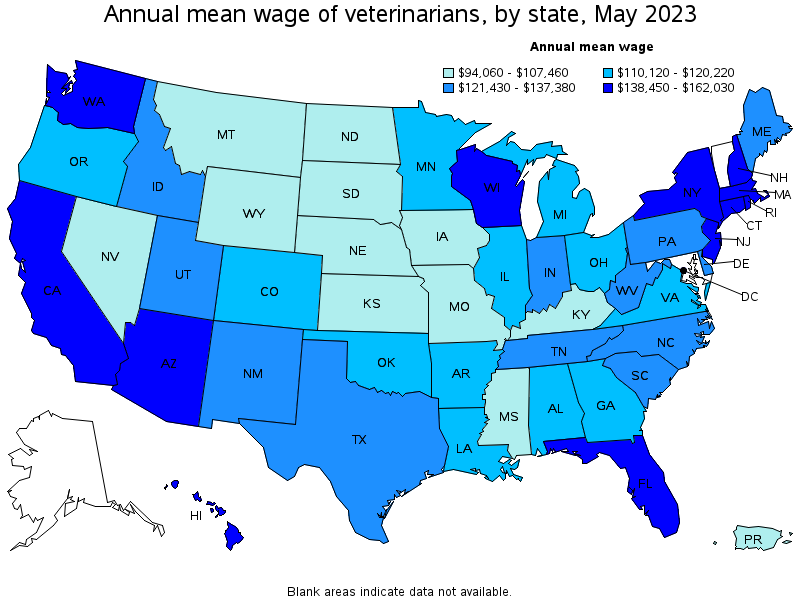
Career Outlook and Earning Potential
The demand for veterinarians in Florida is projected to remain strong. The state’s growing human population, coupled with the deep emotional bond many residents share with their pets, ensures a consistent need for skilled animal healthcare professionals. The increasing humanization of pets, where animals are viewed as integral family members, further drives demand for high-quality veterinary care, including preventative medicine, advanced diagnostics, and specialized treatments.
Veterinarians who are adaptable, possess strong communication skills, and are committed to lifelong learning are well-positioned for success. The pursuit of specialization, whether in a high-demand area like emergency and critical care or a niche like veterinary dentistry or rehabilitation, can significantly enhance earning potential. Furthermore, developing business acumen can open doors to practice ownership, a path that, while demanding, offers the greatest financial rewards and autonomy.
As the landscape of veterinary medicine continues to evolve with technological advancements and new treatment modalities, the earning potential for veterinarians in Florida is expected to grow in tandem with the increasing value placed on animal health and well-being. From the bustling streets of Miami to the serene coasts near Naples, the career of a veterinarian in Florida offers not only the profound satisfaction of caring for animals but also a financially rewarding and professionally stimulating journey.
LifeOutOfTheBox is a participant in the Amazon Services LLC Associates Program, an affiliate advertising program designed to provide a means for sites to earn advertising fees by advertising and linking to Amazon.com. Amazon, the Amazon logo, AmazonSupply, and the AmazonSupply logo are trademarks of Amazon.com, Inc. or its affiliates. As an Amazon Associate we earn affiliate commissions from qualifying purchases.