
Florida’s humid climate makes a well-functioning central air conditioning system not a luxury, but a necessity. The constant battle against oppressive heat and sticky humidity means that when your AC unit falters, its replacement becomes an urgent priority. Understanding the costs involved in a central air conditioning replacement in Florida is crucial for homeowners to budget effectively and make informed decisions. Several factors contribute to the overall price, from the type of unit you choose to the complexity of the installation.
Factors Influencing Central Air Conditioning Replacement Costs in Florida
The price tag for a new central air conditioning system in the Sunshine State can vary significantly. While a general range can be provided, pinpointing an exact figure requires a detailed assessment of your specific needs and home. However, by understanding the key elements that drive the cost, you can better prepare for this substantial investment.
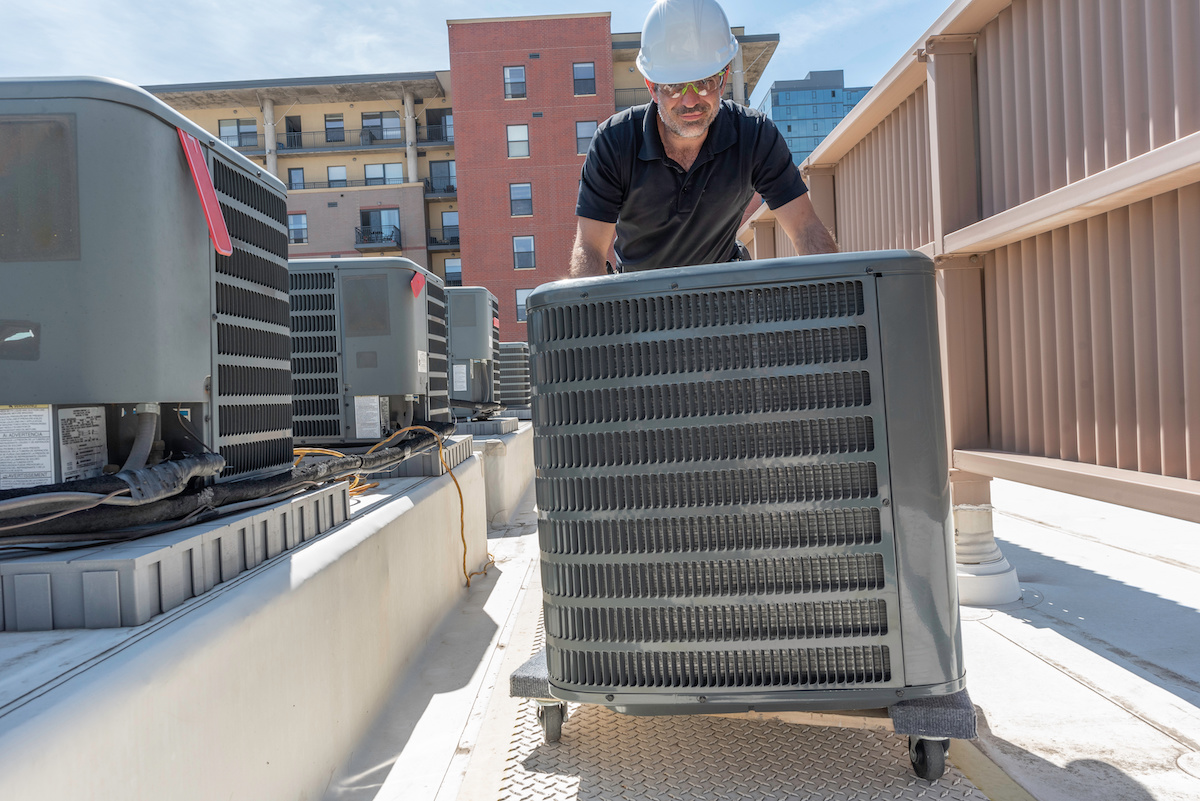
Unit Size and Capacity (Tonnage)
The most fundamental factor in AC replacement cost is the size of the unit, measured in tons. The tonnage of an air conditioner refers to its cooling capacity – how much heat it can remove from your home per hour. A larger home or a home with more significant heat load (due to factors like large windows, poor insulation, or extensive sun exposure) will require a higher tonnage unit.
- Undersized Units: An AC unit that is too small will struggle to cool your home effectively, running constantly and leading to high energy bills and premature wear and tear.
- Oversized Units: Conversely, an oversized unit will cool your home too quickly, leading to short cycling. This prevents the system from dehumidifying the air properly, resulting in a clammy, uncomfortable environment, and also increases energy consumption and puts undue stress on the components.
HVAC professionals perform a Manual J load calculation to accurately determine the appropriate tonnage for your home. This calculation considers square footage, ceiling height, insulation levels, window types and sizes, climate zone, and even the number of occupants and heat-generating appliances. A typical residential central air conditioning replacement in Florida might involve units ranging from 2 to 5 tons, with larger homes potentially requiring more. As tonnage increases, so does the cost of the unit itself.
Energy Efficiency (SEER Rating)
The Seasonal Energy Efficiency Ratio (SEER) is a measure of how efficiently an air conditioner cools your home over an entire cooling season. Higher SEER ratings indicate greater energy efficiency, meaning the unit uses less electricity to produce the same amount of cooling. In Florida, where AC units often run for more than 2,000 hours per year, a higher SEER rating can lead to substantial long-term savings on electricity bills.
- Minimum SEER Requirements: The U.S. Department of Energy mandates minimum SEER ratings, which vary by region. In the South, the minimum SEER rating is currently 14.
- Higher SEER Units: While units with SEER ratings of 16, 18, 20, or even higher are available, they come with a higher upfront cost. However, the increased energy savings over the lifespan of the unit can often offset this initial premium, especially in a high-usage environment like Florida.
- Cost vs. Savings: Investing in a higher SEER unit is a classic example of paying more upfront to save more over time. For a Florida homeowner, the payback period for a higher SEER unit can be relatively short due to the demanding climate.
Brand and Quality of Equipment
Like most products, air conditioning systems come from various manufacturers, each offering different tiers of quality, features, and warranties. Reputable brands known for their durability, reliability, and advanced technology generally command higher prices.
- Premium Brands: Manufacturers like Carrier, Trane, and Lennox are often considered premium options, offering robust performance and longer lifespans. Their systems typically come with more comprehensive warranties.
- Mid-Tier Brands: Other established brands may offer a good balance of performance, features, and price.
- Budget Brands: While more budget-friendly options exist, it’s essential to carefully research their reputation for reliability and customer support, especially in a demanding climate like Florida.
The quality of components within the AC system – such as the compressor, condenser coil, and evaporator coil – also plays a role. Higher-quality materials and manufacturing processes contribute to better efficiency, quieter operation, and increased longevity, all of which factor into the overall cost.
Type of Air Conditioning System
While the title specifies “central air conditioning,” there are variations within this category that can affect cost.
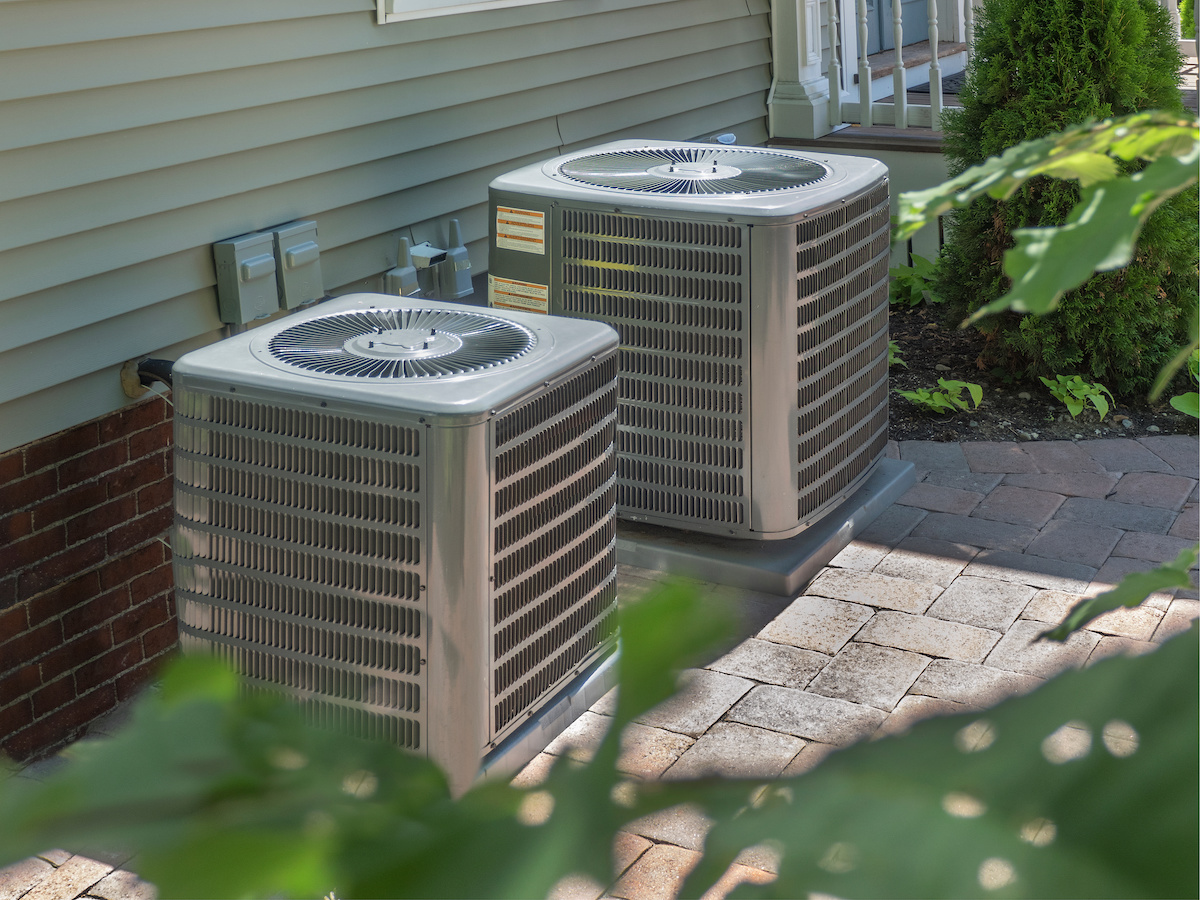
- Split Systems: The most common type in Florida, split systems consist of an outdoor unit (condenser and compressor) and an indoor unit (evaporator coil and air handler). Replacements typically involve replacing both or just the failing component, depending on its age and condition.
- Packaged Systems: Less common in residential settings in Florida, these units contain all components in a single outdoor cabinet.
- Heat Pumps: While often considered separate, heat pumps function as both heating and cooling systems. In Florida’s mild winters, heat pumps are a popular and energy-efficient choice, and their replacement cost is comparable to, or slightly higher than, AC-only systems, depending on the model and features.
Installation Complexity and Labor Costs
Beyond the equipment itself, the installation process is a significant cost component. The labor involved can vary considerably based on several factors:
- Accessibility: If the existing unit is in a difficult-to-reach location (e.g., a tight crawl space, a steep roof, or a cluttered attic), installation will take longer and require more effort, increasing labor costs.
- Ductwork Modifications: In some cases, new ductwork may be needed or existing ductwork may require modifications to accommodate the new unit’s size, airflow requirements, or to seal leaks. This adds to the overall cost.
- Electrical Work: The new AC system may require upgrades to your home’s electrical panel or wiring to handle the increased power demands, adding to the installation expense.
- Refrigerant Line Set: If the existing refrigerant lines are old, corroded, or incompatible with the new system, they may need to be replaced.
- Permits and Inspections: Many Florida municipalities require permits for HVAC replacements, and these often involve inspection fees. Your contractor will typically handle this process.
- Contractor’s Overhead and Expertise: Experienced and reputable HVAC companies in Florida will have higher labor rates reflecting their expertise, licensing, insurance, and overhead costs. However, this often translates to a higher quality installation and better long-term system performance.
Average Cost Breakdown for a Central Air Conditioning Replacement in Florida
Estimating a precise figure without an on-site assessment is challenging, but a reasonable ballpark for a central air conditioning replacement in Florida can range from $5,000 to $12,000 or more. This broad range accounts for the variables discussed above.
Entry-Level Replacements
A basic, mid-efficiency (e.g., SEER 14-16) 2- to 3-ton split system replacement in a straightforward installation scenario might fall on the lower end of this spectrum, perhaps starting around $5,000 to $7,000. These units would typically be from reputable, but not necessarily premium, brands.
Mid-Range Replacements
For homeowners seeking a balance of efficiency and performance, a 3- to 4-ton unit with a SEER rating of 16-18 from a well-known brand, including moderate installation complexity, could cost between $7,000 and $9,000.
High-End Replacements
A high-efficiency (SEER 20+) system from a premium brand, potentially with advanced features like variable-speed compressors or smart thermostat integration, or in a more complex installation scenario for a larger home (4-5+ tons), could easily exceed $9,000 to $12,000, and in some cases, push towards $15,000 or higher.
Important Note: These figures are estimates. The actual cost will depend on the specific details of your home and the chosen equipment. Always obtain multiple quotes from licensed and insured HVAC contractors.
Additional Costs and Considerations
Beyond the core replacement of the AC unit and its installation, several other factors can influence the total expense and should be factored into your budget.
Permits and Inspection Fees
As mentioned, most Florida cities and counties require permits for AC replacements. These permits are essential for ensuring the work is done to code and for legal reasons. Fees can range from $50 to several hundred dollars, depending on your local jurisdiction.
Disposal of Old Unit
Reputable HVAC contractors will include the responsible disposal of your old air conditioning unit in their quote. This often involves proper handling of refrigerants, which are subject to environmental regulations.
Warranty Considerations
The warranty provided with a new AC system is a crucial aspect of its long-term value.
- Parts Warranty: Most manufacturers offer a parts warranty, typically ranging from 5 to 10 years, covering defects in materials and workmanship.
- Labor Warranty: Some contractors offer a labor warranty, which covers the cost of labor for repairs during a specified period. This is a valuable addition.
- Compressor Warranty: The compressor is the heart of the AC unit, and often has an extended warranty, sometimes up to 10 years or even a lifetime warranty for specific premium models.
It’s essential to understand the duration and coverage of both the manufacturer’s parts warranty and the contractor’s labor warranty. This can significantly impact potential out-of-pocket expenses for repairs down the line.
Smart Thermostat Integration
Many modern AC systems are designed to work seamlessly with smart thermostats, such as those from Nest or Ecobee. These devices offer advanced features like remote control, energy usage monitoring, and personalized scheduling, leading to further energy savings. The cost of a smart thermostat itself can range from $100 to $300, and integration may incur a small additional labor charge.
Air Quality Enhancements
Florida’s humidity can exacerbate indoor air quality issues, making it an opportune time to consider upgrades.
- Air Purifiers: Whole-home air purifiers can be integrated into the ductwork to remove allergens, pollutants, and odors.
- Dehumidifiers: While central ACs dehumidify, a dedicated whole-home dehumidifier might be considered for homes with persistent humidity problems.
- UV Germicidal Lights: These lights can be installed in the air handler to kill mold, bacteria, and viruses circulating through the ductwork.
These add-ons will increase the overall project cost but can significantly improve the health and comfort of your home environment.
Financing Options
Given the significant investment of an AC replacement, many Florida homeowners explore financing options. HVAC companies often partner with financing institutions to offer loans with competitive interest rates and flexible payment terms. Exploring these options can make a new system more financially accessible.
Choosing the Right HVAC Contractor in Florida
Selecting a reputable and experienced HVAC contractor is paramount to ensuring a successful AC replacement and maximizing your investment. Here’s what to look for:
Licensing and Insurance
Ensure the contractor is licensed by the state of Florida and carries adequate liability insurance and workers’ compensation insurance. This protects you from financial responsibility in case of accidents or damage during the installation.
Experience and Reviews
Look for contractors with a proven track record, particularly in the Florida climate. Check online reviews, testimonials, and ask for references. A contractor who has been in business for many years in your local area (e.g., serving cities like Miami, Orlando, or Tampa) is often a good sign of stability and satisfied customers.
Detailed Quotes
Obtain at least three detailed quotes from different contractors. These quotes should clearly outline the equipment being proposed (brand, model, SEER rating, tonnage), all labor costs, warranty information, and any additional fees. Be wary of quotes that seem significantly lower than others, as they may indicate cut corners or hidden costs.
Professionalism and Communication
During the assessment and quoting process, pay attention to the contractor’s professionalism, communication style, and willingness to answer your questions thoroughly. A good contractor will take the time to explain your options and the rationale behind their recommendations.

Load Calculation
Insist that the contractor performs a Manual J load calculation to determine the correct size for your new AC system. Skipping this step is a common mistake that leads to improperly sized units and reduced efficiency.
By carefully considering these factors and working with a trusted professional, Florida homeowners can navigate the process of central air conditioning replacement with confidence, ensuring a comfortable and energy-efficient home for years to come.
LifeOutOfTheBox is a participant in the Amazon Services LLC Associates Program, an affiliate advertising program designed to provide a means for sites to earn advertising fees by advertising and linking to Amazon.com. Amazon, the Amazon logo, AmazonSupply, and the AmazonSupply logo are trademarks of Amazon.com, Inc. or its affiliates. As an Amazon Associate we earn affiliate commissions from qualifying purchases.