
The allure of the Sunshine State—with its pristine beaches, vibrant theme parks, and rich cultural tapestry—draws millions of visitors each year. For many, the dream of experiencing this paradise includes exploring its diverse landscapes and attractions. However, to truly unlock the full potential of a Florida adventure, understanding the associated costs, particularly those related to necessary permits and licenses for certain activities, is crucial. While the term “Florida license” can encompass a broad spectrum of official documentation, this exploration will focus on those that directly impact a tourist’s ability to engage with the state’s natural wonders and recreational opportunities, primarily under the umbrella of Tourism. We will delve into the costs and considerations for fishing, hunting, and boating licenses, as well as driver’s licenses for those planning an extended stay or extensive road travel.
Navigating Florida’s Waters: Fishing and Boating Licenses
Florida’s extensive coastline and abundant freshwater systems offer unparalleled opportunities for angling and waterborne exploration. To legally participate in these activities, obtaining the appropriate licenses is a mandatory and essential step for both residents and visitors. These licenses not only ensure compliance with state regulations but also contribute to the conservation efforts that preserve Florida’s aquatic ecosystems for future generations.
Freshwater vs. Saltwater Fishing Licenses
The cost of a fishing license in Florida varies based on the type of fishing (freshwater or saltwater), the duration of the license, and the applicant’s residency status. Non-resident licenses are generally more expensive than resident licenses, reflecting the state’s resource allocation.
For non-residents, a 3-day freshwater fishing license typically costs around $17, while a 7-day license is approximately $28. For saltwater fishing, the rates are slightly higher: a 3-day non-resident saltwater license is about $30, and a 7-day license is around $47. An annual non-resident freshwater fishing license will set you back approximately $77, and a saltwater annual license is around $130. If you plan to engage in both freshwater and saltwater fishing throughout your stay, you can opt for a “combination” license, which offers a more cost-effective solution. For instance, a non-resident annual freshwater and saltwater combination license costs roughly $151.
It’s important to note that certain specific types of fishing may require additional permits. For example, if you intend to harvest specific species like snook, redfish, or tarpon, or if you plan to use a muzzleloading firearm for fishing, you might need a special Stamp or permit in addition to your base fishing license. These endorsements typically add a modest amount to the overall cost, ranging from a few dollars for individual species stamps to around $50 for a tarpon tag.
Boating Licenses and Permits
Operating a boat in Florida also comes with its own set of regulations and, consequently, potential costs. The primary requirement for operating a vessel is to possess a valid boater education card, which is obtained after completing an approved boating safety course. While there isn’t a direct “boating license fee” in the traditional sense, the cost of the course and examination can range from $30 to $75, depending on the provider.
However, if you do not possess a boater education card, you can still operate a vessel in Florida as long as you are accompanied by a person who is at least 18 years old and holds a valid boater education card or is a licensed Florida driver who was born on or after January 1, 1988. This onboard supervision is a crucial safety measure implemented by the state.
Beyond personal operation, vessels themselves often require registration and decal fees. The cost of boat registration varies significantly based on the length of the vessel and its type. For smaller boats, annual registration fees might be around $50, while larger or more complex vessels can cost several hundred dollars. Trailer registration for boat trailers also incurs an annual fee, typically around $35.
For those renting a boat for a short period, many rental companies include the necessary permits and have staff who are licensed and qualified to operate the vessels. However, it is always advisable to confirm these details with the rental agency beforehand to avoid any unexpected issues or additional charges.
Exploring the Wilds: Hunting Licenses
Florida boasts a diverse range of habitats, from the expansive Everglades National Park to the rolling hills of the panhandle, offering ample opportunities for hunting enthusiasts. Similar to fishing licenses, hunting licenses in Florida are segmented by residency, species, and season.
For non-residents, a 10-day Florida hunting license, which covers hunting in general, costs approximately $101.50. An annual non-resident hunting license is significantly more expensive, running around $251.50. These general licenses grant the holder the ability to hunt various game species under regulated conditions.
However, specific game animals often require additional permits or “stamps.” For instance, a Florida Migratory Bird Permit is necessary to hunt doves, ducks, geese, and coots, costing about $5.50 for a 3-day period, $12.50 for 7 days, and $26.50 annually. If you plan to hunt deer, a Florida Deer Permit is required, which costs around $10.50 for a 7-day period or $51.50 annually. For hunting wild turkeys, a Florida Turkey Permit is also needed, with similar pricing structures.
Hunters aiming to pursue alligator or bear will require highly specialized and often limited permits, which are typically issued through a lottery system and come with substantial fees, reflecting the conservation efforts and management required for these species.

It is imperative for all hunters to familiarize themselves with the Florida Fish and Wildlife Conservation Commission (FWC) regulations, including season dates, bag limits, and legal hunting equipment, to ensure a safe and legal hunting experience. The FWC website provides comprehensive information on all license types, fees, and current regulations.
On the Road in the Sunshine State: Driver’s Licenses
For visitors planning to drive in Florida, understanding the requirements for operating a motor vehicle is essential, especially for those intending to stay beyond the typical tourist duration.
Tourist and Visitor Driving Privileges
Tourists holding valid driver’s licenses from their home state or country can generally drive in Florida for up to 12 months. However, if the license is not in English, an international driving permit (IDP) should accompany it. The IDP is not a license itself but a translation of your foreign license and can be obtained from organizations like AAA in your home country before your trip. The cost of an IDP is typically around $20.
Obtaining a Florida Driver’s License
If your visit extends beyond a year, or if you establish residency in Florida, you will need to obtain a Florida driver’s license. The process involves several steps and associated fees.
First-time applicants for a standard Class E driver’s license (which covers most passenger vehicles) must present proof of identity, social security number, and two proofs of residential address in Florida. They will also need to pass vision, knowledge, and driving skills tests.
The fees for a Florida driver’s license are as follows:
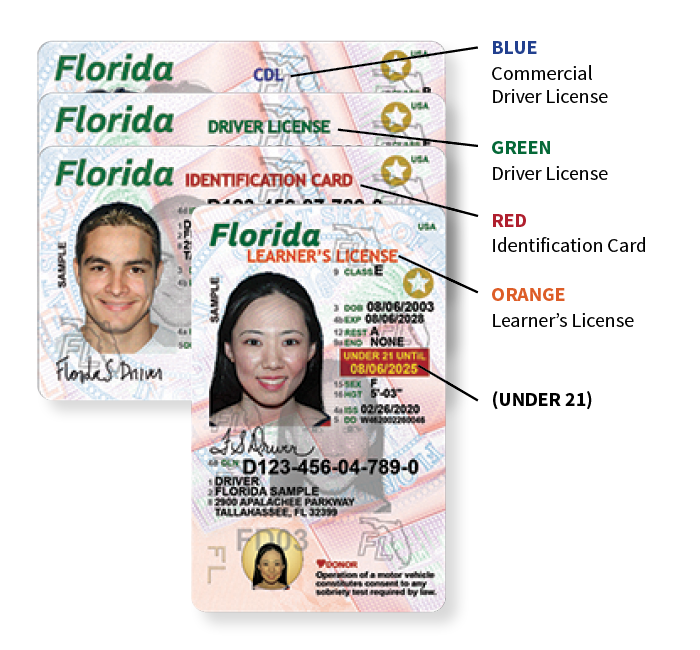
- Learner’s Permit (under 18): $48
- Class E Driver’s License (valid for 8 years): $48
- Identification Card (for non-drivers): $25
Applicants transferring from another state may be exempt from the driving skills test if their current license is valid and meets certain criteria. However, they will still need to pass the vision and knowledge tests and pay the required license fee.
For individuals planning to operate larger vehicles or commercial trucks, different classes of licenses and additional endorsements are required, with corresponding higher fees and more stringent testing.
Other Potential Licenses and Permits for Tourists
While fishing, hunting, and driving are the most common activities requiring licenses for tourists, a few other less common scenarios might arise.
Recreational Vehicle (RV) Permits
For those traveling in or renting recreational vehicles, Florida does not require a specific “RV license” for operation, provided the vehicle falls within the standard weight limits for a Class E license. However, some state parks and campgrounds may have specific permit or registration requirements for RVs, often tied to the site reservation and generally nominal in cost.

Special Event and Activity Permits
Certain organized tours or specialized activities, particularly those involving interaction with wildlife or accessing protected areas, might necessitate permits. For instance, guided tours within certain sensitive ecological zones or participation in specific festivals might have associated fees or require special permissions, often bundled into the tour package. It is always wise to clarify with the tour operator or event organizer about any required permits and their associated costs.
In conclusion, while the core “Florida license” often conjures images of driving permits, the realm of tourism in the Sunshine State extends to licenses that unlock its natural beauty and recreational treasures. From the thrill of reeling in a Florida fish to the freedom of navigating its waterways or the adventure of exploring its wilder spaces, understanding and budgeting for these essential permits will ensure a seamless, legal, and unforgettable experience. The investment in these licenses is not merely a financial transaction; it’s a contribution to the preservation of the very attractions that make Florida such a sought-after destination.
LifeOutOfTheBox is a participant in the Amazon Services LLC Associates Program, an affiliate advertising program designed to provide a means for sites to earn advertising fees by advertising and linking to Amazon.com. Amazon, the Amazon logo, AmazonSupply, and the AmazonSupply logo are trademarks of Amazon.com, Inc. or its affiliates. As an Amazon Associate we earn affiliate commissions from qualifying purchases.