
When planning a trip to the Sunshine State, understanding the financial landscape, particularly concerning federal taxes, is an essential component of budgeting and financial preparedness. While Florida is renowned for its no state income tax policy, this does not negate the presence and impact of federal taxation on various aspects of travel and lifestyle within the state. This article delves into how federal taxes, such as those on goods, services, and specific activities, can influence your spending and overall financial experience while exploring Florida.
Understanding Federal Taxation’s Reach in Florida
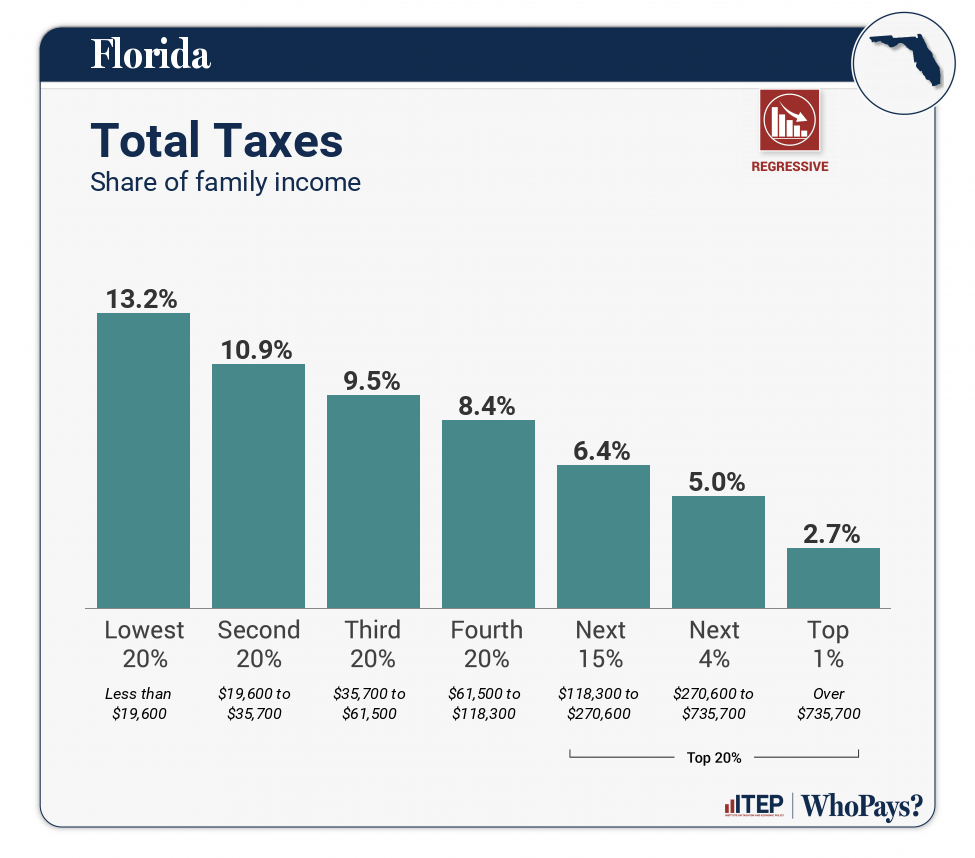
Florida’s unique tax structure, notably the absence of state-level income tax, often leads to a misconception that taxes are minimal for residents and visitors alike. However, federal taxes remain a significant consideration. These taxes are levied by the U.S. government and apply across all states, including Florida, impacting everything from the price of your morning coffee to the cost of your airline ticket. It’s crucial to differentiate between state and federal taxes to form an accurate financial picture.
The Role of Federal Income Tax
While Florida does not collect state income tax, U.S. citizens and residents are still subject to federal income tax. This tax is based on your annual earnings and affects your overall disposable income, which in turn influences how much you can budget for travel, accommodation, and leisure activities in Florida. For residents, this means a portion of their income is allocated to federal taxes, impacting savings and spending. For visitors who are U.S. residents, their existing federal tax obligations continue regardless of their location. Understanding your personal federal tax bracket and deductions can help in estimating your budget for a Florida vacation or even a longer stay.
Federal Taxes on Goods and Services: The Unseen Cost
A substantial portion of federal taxation that directly affects travelers and residents in Florida comes in the form of taxes on goods and services. These are often embedded within the prices of everyday items and services.
Sales Tax and Federal Components
While Florida has a state sales tax, the federal government also imposes taxes that can be part of the overall price you pay. For instance, certain luxury goods or specific services might carry federal excise taxes. While not explicitly itemized on every receipt as a “federal tax,” these components contribute to the final price. It’s important to note that Florida’s state sales tax rate can vary by county, with additional local discretionary sales surtaxes often added. However, the core federal taxes are universal.
Fuel Taxes and Transportation
One of the most direct federal taxes affecting travel in Florida is the federal fuel tax. This tax is applied to gasoline and diesel fuel, contributing to the upkeep of the nation’s transportation infrastructure. When you rent a car, drive your own vehicle, or take a flight, a portion of your expenditure on fuel or airline tickets is allocated to federal taxes. This can significantly impact the cost of road trips or flights to destinations like Orlando or Miami.
Taxes on Specific Industries
Certain industries are subject to specific federal taxes that can affect the cost of travel and leisure. For example, the airline industry pays federal excise taxes on tickets, which are passed on to consumers. Similarly, federal taxes on alcohol and tobacco products are factored into their retail prices.
Federal Taxes Related to Accommodation and Tourism
While Florida doesn’t impose state income tax on lodging, federal taxes can still play a role, albeit indirectly.
Taxes on Travel Services
When booking accommodations, whether it’s a suite at the Grand Hyatt Hotel in Tampa or a villa in the Florida Keys, the prices often include various taxes. While the majority of these are state and local, federal taxes on specific travel-related services or the revenue of travel companies can indirectly influence pricing.
Resort Fees and Federal Considerations
Many resorts, such as those in Naples or Palm Beach, charge mandatory resort fees. While these fees are primarily to cover amenities and services, the revenue generated by these businesses is subject to federal corporate income tax. This, in turn, can influence the pricing strategies and the overall cost structure of the resorts, ultimately impacting what travelers pay.
Federal Taxes and Business Operations in Florida Tourism
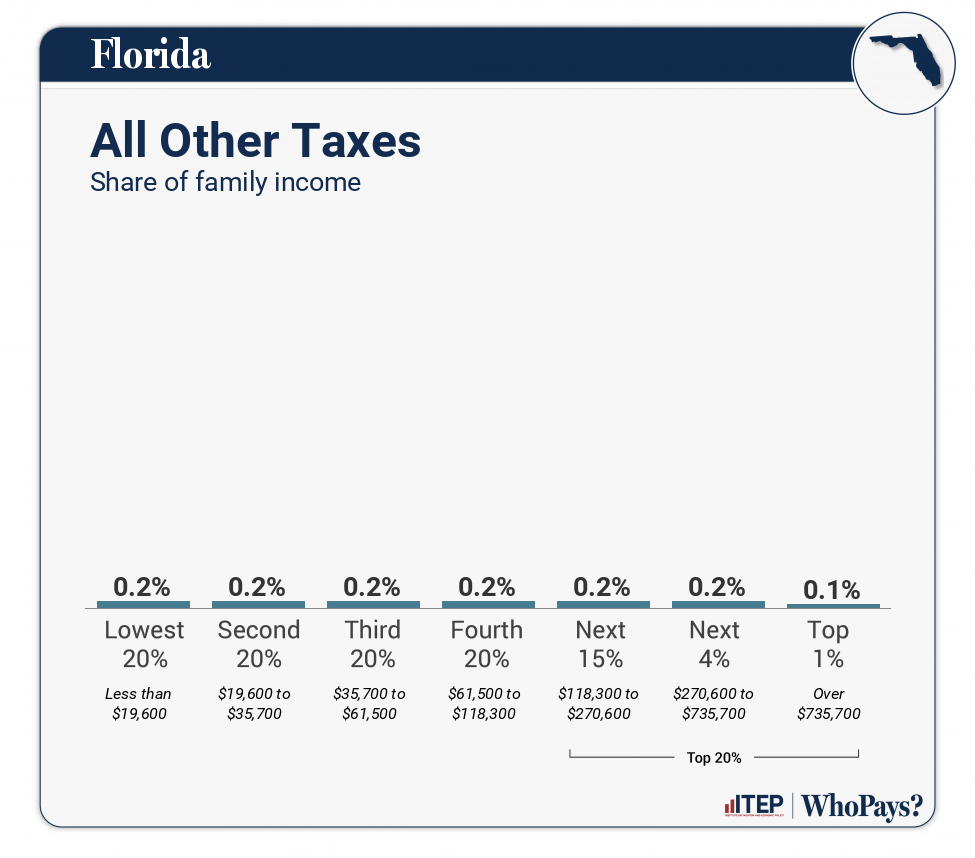
The tourism industry in Florida is a massive economic engine. The businesses that facilitate travel and leisure – from airlines and car rental companies to hotels and tour operators – are all subject to federal taxation. This includes corporate income taxes, payroll taxes for employees, and various other federal levies. The profitability and operational costs of these businesses, shaped by federal tax obligations, can influence the prices they set for consumers.
Impact on Investment and Development
Federal tax policies can also influence investment in Florida’s tourism infrastructure. Tax incentives or the burden of federal taxes can affect a company’s decision to invest in new resorts, expand attractions like Walt Disney World or Universal Studios, or develop new travel experiences. This can indirectly affect the availability and pricing of tourism products for consumers.
Navigating Federal Taxes for Florida Travelers and Residents
While the absence of Florida state income tax is a significant draw, a comprehensive understanding of federal taxation is vital for anyone spending time or living in the state.
Budgeting for Federal Tax Implications
When planning your expenses for a trip to Florida, remember to account for the impact of federal taxes. This includes:
- Fuel Costs: Factor in federal fuel taxes when estimating the cost of driving or flying.
- Purchases: Recognize that prices for many goods and services already include federal tax components.
- Accommodation: While state and local taxes on lodging are common, the pricing of hotels and resorts is also influenced by the federal tax environment of the businesses operating them.
- Activities and Entertainment: Federal excise taxes can apply to certain entertainment venues or activities.
Federal Tax Deductions and Credits for Travel
For U.S. residents, certain travel expenses might be tax-deductible if they are directly related to business. For example, if you are attending a conference in Orlando for work, you may be able to deduct certain costs associated with your trip. It is always advisable to consult with a tax professional for personalized advice on potential deductions and credits related to travel.
Long-Term Stays and Residency
For individuals considering a longer stay or establishing residency in Florida, understanding federal income tax obligations remains paramount. While Florida’s tax environment is attractive, federal taxes apply universally. This means that if you earn income while residing in Florida, you will still be subject to federal income tax. For those relocating, understanding how their income streams will be taxed at the federal level is a critical part of the financial planning process.
Federal Tax Considerations for Businesses in Florida
Florida’s thriving business environment, particularly in tourism, means that many entrepreneurs and companies are operating within the state. These businesses face a range of federal tax obligations that shape their operations and profitability.
Corporate Income Tax
Businesses operating in Florida, regardless of their size or sector, are subject to federal corporate income tax on their profits. This is a fundamental aspect of the U.S. federal tax system. The rate at which corporations are taxed can significantly impact their reinvestment capacity, expansion plans, and ultimately, their competitiveness.
Payroll Taxes
Employers in Florida are responsible for paying federal payroll taxes, including Social Security and Medicare taxes, on behalf of their employees. These taxes fund vital social insurance programs and are a significant operational cost for businesses. The number of employees a business has, and their earnings, directly correlates with the amount of federal payroll taxes paid.
Other Federal Business Taxes
Beyond income and payroll taxes, businesses in Florida may encounter other federal tax requirements. These can include:
- Excise Taxes: Applied to specific goods or services, such as fuel, alcohol, tobacco, and certain manufactured products.
- Employment Taxes: While most are covered under payroll taxes, specific industries or employment structures might have additional federal employment tax considerations.
- Environmental Taxes: Certain industries may be subject to federal environmental taxes based on their operations and the resources they use.
The cumulative effect of these federal tax obligations is a crucial factor for businesses operating in Florida. They influence pricing, operational efficiency, and strategic decision-making. For the tourism sector, this means that the costs associated with running hotels in Key West, operating theme parks in Orlando, or managing tour operations along the coast are all shaped by the federal tax landscape.

Conclusion: A Holistic Financial Perspective
In conclusion, while Florida’s status as a state with no income tax is a significant financial advantage, it is essential to maintain a comprehensive understanding of federal taxation. Federal taxes on income, goods, services, and business operations are a constant presence that influences the cost of travel, living, and doing business in the Sunshine State. By acknowledging and accounting for these federal fiscal realities, both visitors and residents can better budget, plan, and make informed financial decisions, ensuring a smoother and more predictable experience in Florida. Whether you are planning a vacation to visit landmarks like the Everglades or considering a long-term stay, a clear grasp of federal tax implications is key to a financially sound journey.
LifeOutOfTheBox is a participant in the Amazon Services LLC Associates Program, an affiliate advertising program designed to provide a means for sites to earn advertising fees by advertising and linking to Amazon.com. Amazon, the Amazon logo, AmazonSupply, and the AmazonSupply logo are trademarks of Amazon.com, Inc. or its affiliates. As an Amazon Associate we earn affiliate commissions from qualifying purchases.