
Understanding the costs associated with renewing your vehicle registration in Florida is a crucial aspect of responsible vehicle ownership. This process ensures your vehicle is legally permitted to operate on public roads and contributes to the state’s infrastructure and services. While the base registration fee might seem straightforward, several factors can influence the final amount you’ll pay. This guide aims to demystify the renewal process, outlining the typical costs and variables involved for residents of the Sunshine State.
Understanding the Base Registration Fee
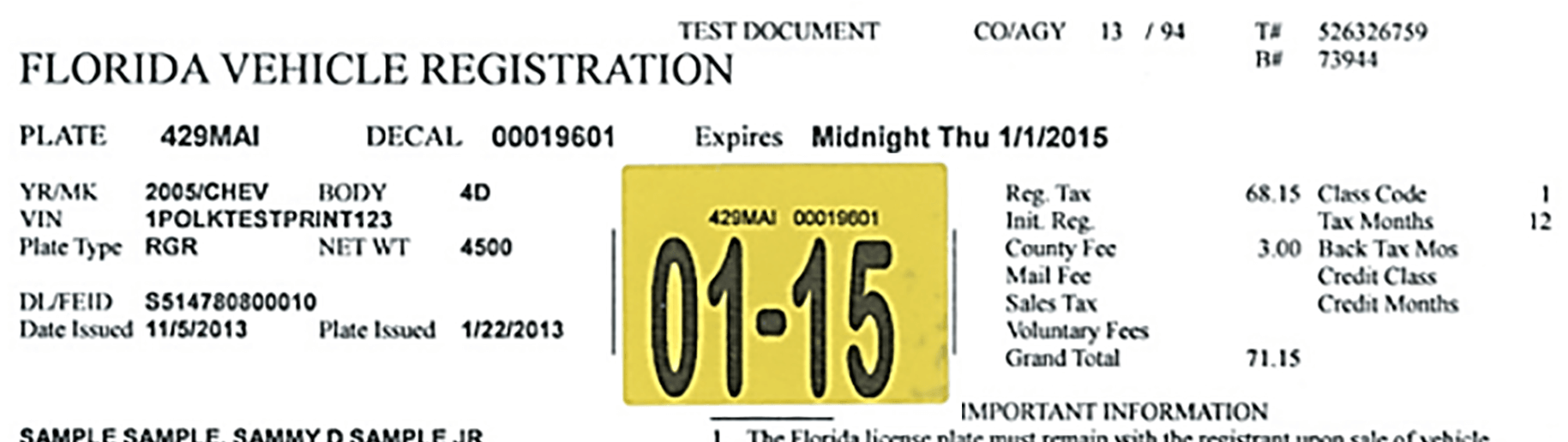
The core of your vehicle registration renewal cost in Florida is the base registration fee. This fee is primarily determined by the type and weight of your vehicle.
Passenger Vehicles
For standard passenger vehicles, often defined as those weighing less than 5,000 pounds, the base registration fee is generally quite modest. This fee is designed to be accessible for the majority of Florida residents. It’s important to note that this fee alone may not represent the total cost, as additional charges can be applied.
Trucks and Larger Vehicles
Vehicles exceeding the 5,000-pound threshold, which includes many trucks, SUVs, and vans, will incur a higher base registration fee. This tiered system is implemented because larger and heavier vehicles generally contribute more to road wear and tear. The exact weight classifications and corresponding fees are set by the Florida Department of Highway Safety and Motor Vehicles (FLHSMV).
Motorcycles and Mopeds
Motorcycles and mopeds typically have a lower base registration fee compared to passenger vehicles. These fees are standardized and reflect the generally lower impact these smaller vehicles have on road infrastructure.
Additional Fees and Surcharges
Beyond the base registration fee, several other charges can be added to your renewal bill. These fees often support specific programs, services, or governmental functions.
Discretionary Fees
Many counties in Florida have the option to impose discretionary local fees. These fees can vary significantly from one county to another and are often used to fund local road improvements, public transportation initiatives, or law enforcement. For example, a resident in Miami-Dade County might pay a different total amount for registration renewal than someone in Escambia County, even for the same type of vehicle, due to these discretionary charges. It is crucial to be aware of these local variations when estimating your renewal cost.
Specialty Plate Fees
If you opt for a specialty license plate, such as those supporting environmental causes, educational institutions, or specific organizations, you will likely incur an additional fee. These fees vary depending on the specialty plate chosen and contribute to the fund managed by the organization or cause the plate represents.
Other Statutory Fees
Several other statutory fees might be applied. These can include fees for:
- Electronic Titling Fees: To support the state’s electronic titling system.
- County Fees: Often a small fee that goes back to the county tax collector’s office for administrative costs.
- Replacement Decal Fees: If you need a new registration decal outside of the renewal period.
These ancillary fees, while individually small, can add up and contribute to the overall renewal cost.
Estimating Your Renewal Cost
To get an accurate estimate of your vehicle registration renewal cost in Florida, it’s best to consult official sources or use online tools provided by the state.
The FLHSMV Website
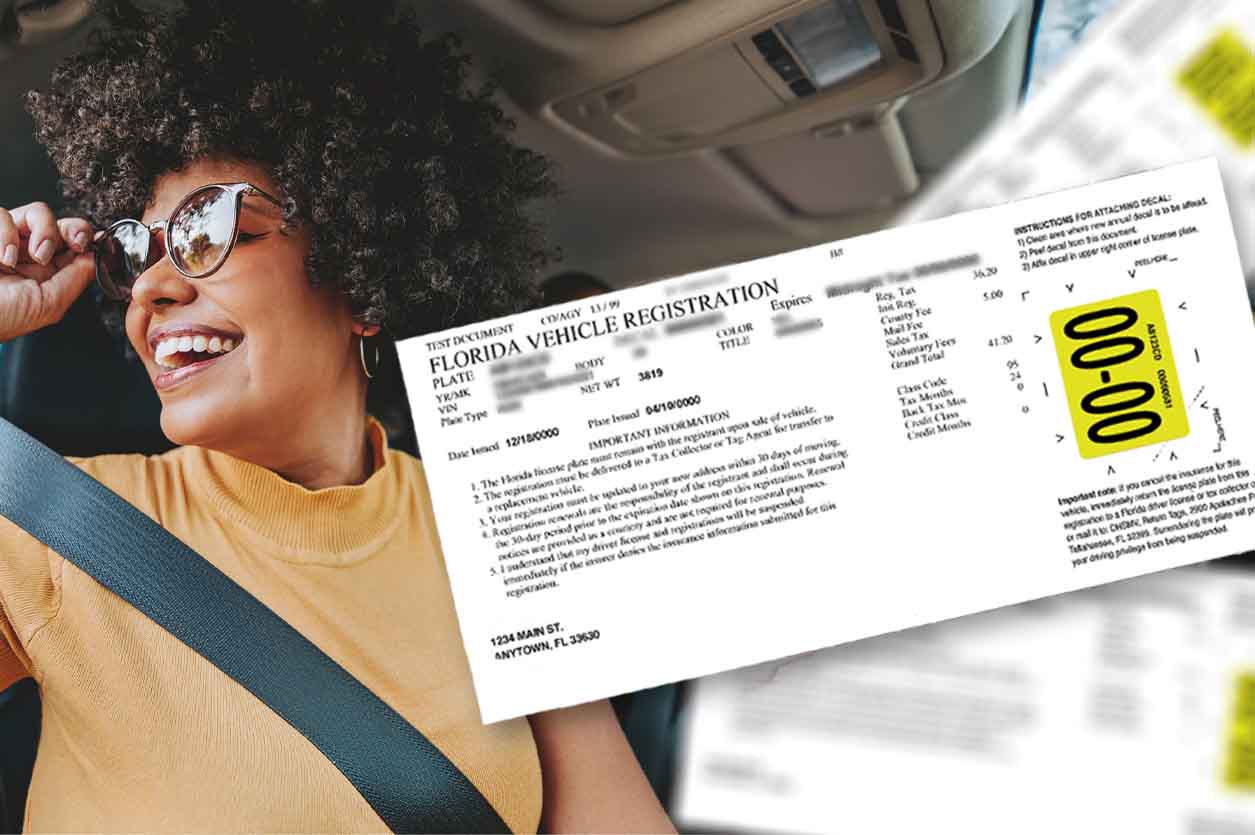
The Florida Department of Highway Safety and Motor Vehicles (FLHSMV) is the primary authority for vehicle registration. Their official website provides detailed information on registration fees, including fee schedules based on vehicle weight and type. While they may not offer a precise calculator for every scenario (due to county-specific discretionary fees), they provide the foundational information for understanding the base costs.
County Tax Collector Websites
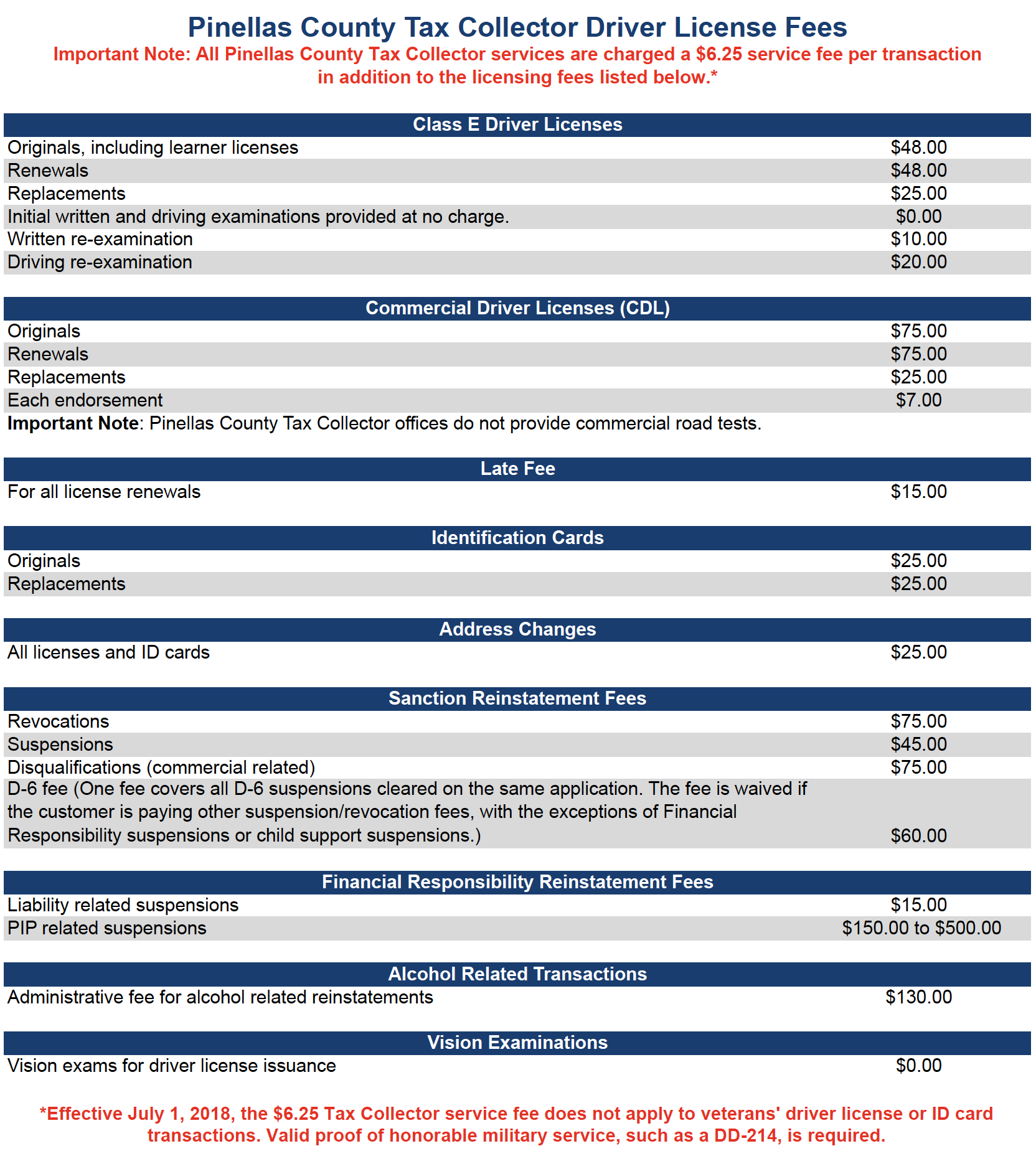
Since discretionary fees vary by county, visiting the website of your local county tax collector’s office is highly recommended. Many county tax collector websites offer online tools or provide downloadable fee schedules that can help you calculate your specific renewal cost, including all applicable local surcharges.
Factors Influencing Your Specific Cost
When calculating your renewal cost, consider these key factors:
- Vehicle Weight: The most significant determinant of the base registration fee.
- Vehicle Type: Passenger car, truck, motorcycle, RV, etc.
- County of Residence: To account for discretionary local fees.
- License Plate Type: Standard plate versus specialty plate.
- Any Outstanding Fees or Penalties: If your registration has lapsed, penalties may apply.
The Renewal Process and Timelines
Vehicle registration in Florida is typically valid for one year, expiring on your birthday. You will receive a renewal notice by mail or email in the weeks leading up to your expiration date.
Online Renewal
Florida offers convenient online renewal services through the FLHSMV website. This is often the quickest and most efficient way to renew your registration, allowing you to pay fees and receive your new decals by mail.
In-Person Renewal
You can also renew your registration in person at your local county tax collector’s office or at designated Florida driver license service centers. This option is beneficial if you have complex questions or prefer to handle the transaction face-to-face.
Mail-In Renewal
Renewal by mail is another option, though it is generally the slowest method. Ensure you mail your renewal form and payment well in advance of your expiration date to avoid late fees.
Why Vehicle Registration Matters
Beyond the legal requirement, vehicle registration fees in Florida play a vital role in funding essential public services and infrastructure.
Road Maintenance and Improvement
A significant portion of registration fees is allocated to the maintenance and improvement of Florida’s extensive road network. This includes everything from patching potholes on local streets to major highway construction projects that facilitate commerce and daily travel.
Public Safety Initiatives
Funds generated from registration fees also contribute to public safety initiatives. This can include support for law enforcement agencies, emergency services, and programs aimed at improving traffic safety and reducing accidents.
Environmental Programs
Certain fees, particularly those associated with specialty plates, directly support environmental conservation efforts and other causes that benefit the state and its residents.
By understanding the components of your vehicle registration renewal cost, Florida residents can better budget for this annual expense and appreciate the contribution these fees make to the state’s overall well-being. It is always advisable to check the official FLHSMV website or your county tax collector’s site for the most up-to-date information regarding fees and renewal procedures.
LifeOutOfTheBox is a participant in the Amazon Services LLC Associates Program, an affiliate advertising program designed to provide a means for sites to earn advertising fees by advertising and linking to Amazon.com. Amazon, the Amazon logo, AmazonSupply, and the AmazonSupply logo are trademarks of Amazon.com, Inc. or its affiliates. As an Amazon Associate we earn affiliate commissions from qualifying purchases.