
Renewing your vehicle registration in Florida is a necessary annual task for all vehicle owners. This process ensures your vehicle is legally permitted to operate on the state’s roadways. While the core purpose of registration is consistent across the state, the exact cost can vary based on several factors. Understanding these variables is key to budgeting for this recurring expense and avoiding potential penalties or disruptions to your daily commute. This guide delves into the typical costs associated with vehicle registration renewal in the Sunshine State, breaking down the fees and highlighting what influences the final price tag.
Understanding the Fee Structure for Vehicle Registration Renewal
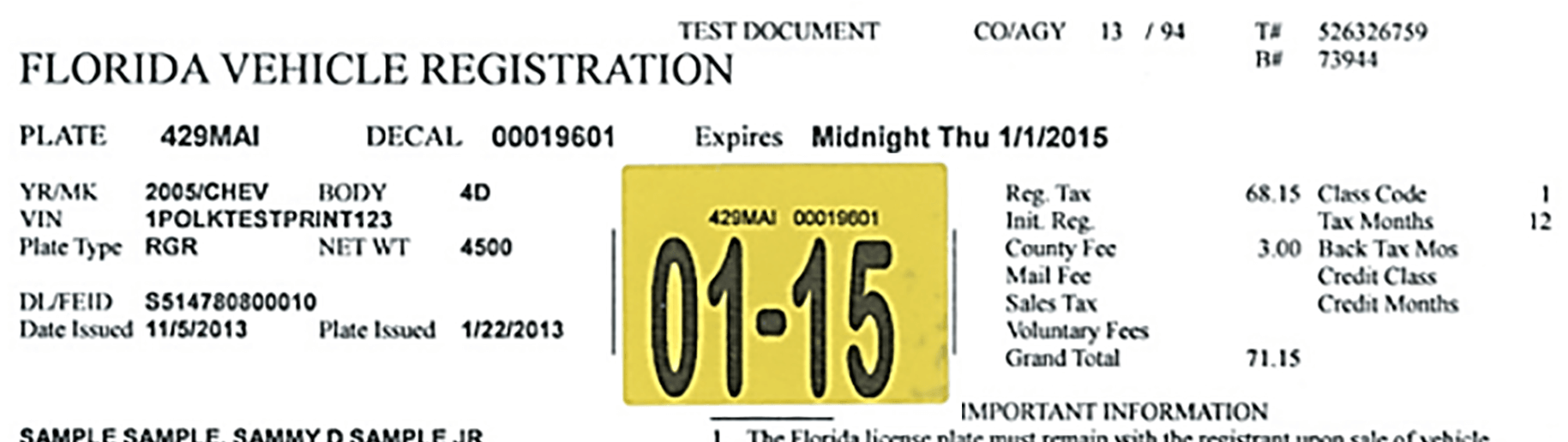
The cost of renewing your vehicle registration in Florida is not a fixed amount. Instead, it’s a composite of various fees, some of which are mandated by the state, while others are county-specific or depend on the type of vehicle you own. The primary components that contribute to the renewal cost include the base registration fee, a license plate fee, and local county fees. Additional charges may apply for specific vehicle types or optional services.
Base Registration Fee
This is a fundamental fee set by the state and is generally determined by the weight of your vehicle. For passenger cars, the base registration fee is typically a modest amount. Heavier vehicles, such as trucks and SUVs, will incur a higher base registration fee due to their increased impact on road infrastructure. This fee helps fund the maintenance and improvement of roads and highways throughout Florida.
License Plate Fee
When you first register a vehicle, you are issued a license plate. The renewal process includes a fee to cover the ongoing use and potential replacement of these plates. This fee is generally a flat rate for standard plates, though specialty license plates, which often feature unique designs supporting various causes or organizations, may come with an additional surcharge.
Local County Fees
Beyond the state-mandated fees, each of Florida‘s 67 counties can impose its own discretionary fees. These county fees are often referred to as discretionary sales surtaxes or local option fees. They are typically added to the registration renewal cost and can vary significantly from one county to another. The purpose of these local fees is to provide funding for local transportation projects and services within that specific county. This is a major reason why two individuals with identical vehicles might pay different amounts for registration renewal if they reside in different counties. For instance, the fees in Miami-Dade County might differ from those in Orange County.
Vehicle Type and Weight
As mentioned, the weight of your vehicle is a significant factor in determining the base registration fee. The Florida Department of Highway Safety and Motor Vehicles (FLHSMV) categorizes vehicles by weight classes. The heavier the vehicle, the higher the fee. This applies to a wide range of vehicles, from compact cars to large commercial trucks.
Specialty License Plates
Florida offers a wide array of specialty license plates. These plates often support specific charities, organizations, or themes, such as environmental causes, collegiate sports teams, or military branches. While they allow vehicle owners to showcase their interests or support, they typically incur an additional annual fee on top of the standard registration cost. The proceeds from these specialty plate fees often go directly to the sponsoring organization.
Factors Influencing the Final Renewal Cost
The base fees are just part of the equation. Several other elements can influence the total amount you pay when renewing your vehicle registration in Florida. Understanding these nuances can help you anticipate the final bill and potentially explore options to manage the cost.
Vehicle Age and Emissions Standards
While Florida does not have a broad emissions testing requirement for all vehicles, the age of your vehicle can sometimes play a role, particularly if it falls under specific federal or state regulations. However, for the majority of passenger vehicles, the primary driver of cost remains weight. Newer vehicles, regardless of age, will still be subject to the standard weight-based fees.
Fuel Type
In some states, the type of fuel a vehicle uses can influence registration fees. While Florida primarily bases its fees on weight, there can be specific classifications or surcharges for certain types of vehicles, such as electric vehicles or alternative fuel vehicles, though these are often designed to be comparable to or even beneficial compared to traditional gasoline vehicles. For most standard passenger vehicles, this is not a primary cost driver.
Ownership and Title Fees
The renewal fee primarily covers the registration itself. However, if there are changes in ownership, or if you need to transfer a title, there will be separate title fees. These are typically one-time fees associated with establishing legal ownership of the vehicle.
Late Fees and Penalties
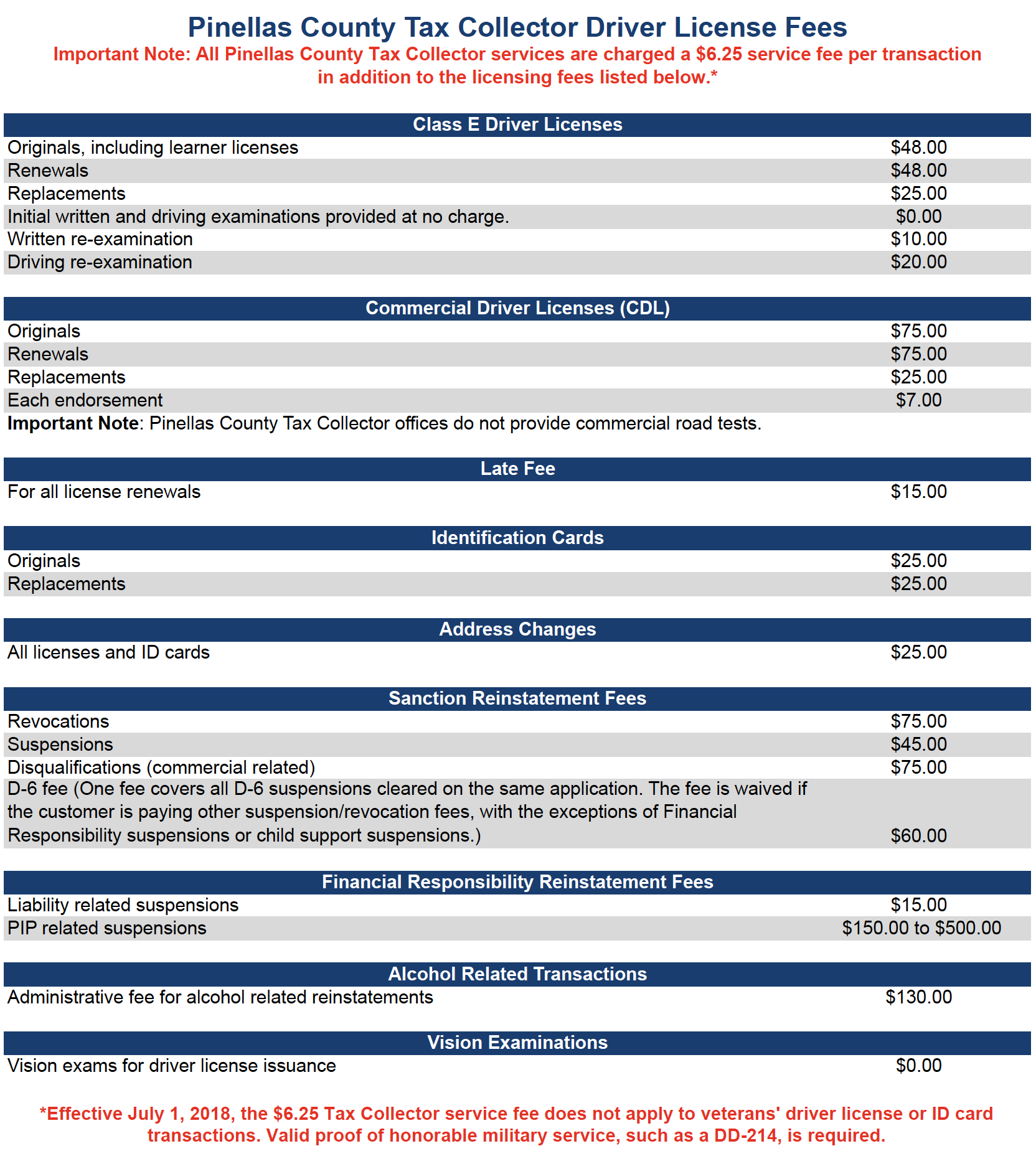
Failing to renew your vehicle registration by its expiration date will result in penalties. Florida imposes late fees, which are added to the renewal cost. These penalties increase the longer the registration is expired. It is crucial to renew on time to avoid these additional expenses and to ensure your vehicle remains legally registered.
Optional Services
During the renewal process, you might be offered optional services, such as expedited processing or the ability to purchase a new decal immediately. These services usually come with a small additional fee.
Calculating Your Estimated Renewal Cost
To get a clearer picture of how much you might pay, it’s helpful to consider a hypothetical scenario. Let’s assume you own a standard passenger car weighing between 2,500 and 3,499 pounds.
- Base Registration Fee: For this weight class, the base registration fee is typically around $15.00.
- License Plate Fee: The standard license plate fee is often around $2.85.
- County Discretionary Fee: This is where the variation comes in. For example, in Duval County, a common discretionary fee might be $5.00. In contrast, a county like Palm Beach County might have a higher discretionary fee, perhaps around $10.00.
Adding these hypothetical figures:
- Low Estimate (e.g., Duval County): $15.00 (base) + $2.85 (plate) + $5.00 (county) = $22.85
- Higher Estimate (e.g., Palm Beach County): $15.00 (base) + $2.85 (plate) + $10.00 (county) = $27.85
This is a simplified example. For larger vehicles or those with specialty plates, the cost will increase. For instance, a heavy truck or an RV will have a significantly higher base registration fee. Specialty plates can add anywhere from $5 to $25 or more annually.
It’s also important to note that the FLHSMV website provides a fee calculator, and county tax collector offices can provide the most accurate estimates for your specific vehicle and location.
Example for a Motorcycle
Motorcycle registration fees are generally lower than those for cars.
- Base Registration Fee: Approximately $10.00.
- License Plate Fee: Around $2.85.
- County Discretionary Fee: Varies by county, similar to cars.
So, a motorcycle renewal might range from $17.85 upwards, depending on the county.
Example for a Commercial Vehicle
Commercial vehicles, especially those with high gross vehicle weights (GVWR), will incur substantially higher fees. The base registration for heavy trucks can run into hundreds of dollars annually, reflecting their impact on road usage.
Where and How to Renew Your Vehicle Registration
Florida residents have several convenient options for renewing their vehicle registration. The most common methods are online, by mail, or in person at a local county tax collector’s office.
Online Renewal
The Florida Department of Highway Safety and Motor Vehicles (FLHSMV) offers an online renewal system. This is often the quickest and most convenient method. You will need your license plate number, the vehicle’s title number, and a valid payment method. The website will calculate your specific renewal fee, including all applicable state and local charges, and allow you to pay electronically.
Renewal by Mail
If you prefer to renew by mail, you can typically send a check or money order to your county tax collector’s office. You will usually receive a renewal notice in the mail prior to your expiration date, which will include the total amount due and the mailing address. Ensure you mail your payment well in advance of the expiration date to account for postal delivery times.
In-Person Renewal
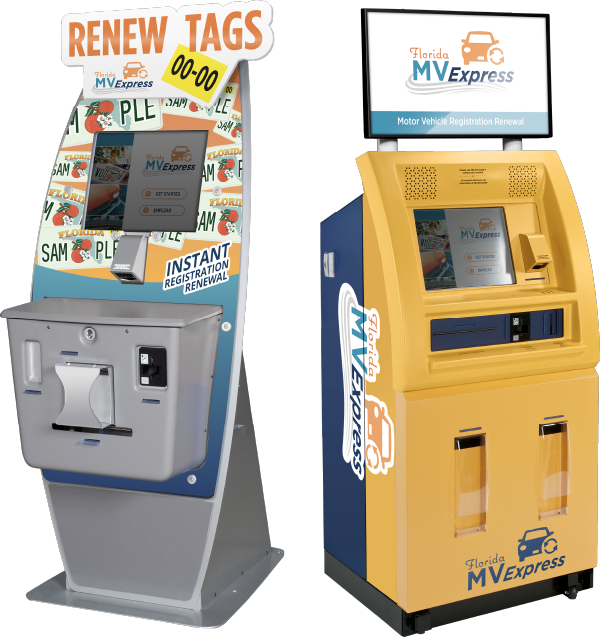
Visiting your local county tax collector’s office is another option. This allows you to speak with a representative, ask any questions you may have, and pay your renewal fee in person. You will need to bring your current registration or renewal notice, proof of insurance, and a valid payment method. Some offices offer self-service kiosks for faster transactions.
When you renew, remember to have your proof of Florida insurance readily available, as this is a mandatory requirement for registration renewal. Failure to provide valid insurance can prevent your renewal from being processed.
By understanding the components of your vehicle registration renewal fee and the various ways to complete the process, you can ensure your vehicle remains legally registered and you avoid unnecessary costs and complications.
LifeOutOfTheBox is a participant in the Amazon Services LLC Associates Program, an affiliate advertising program designed to provide a means for sites to earn advertising fees by advertising and linking to Amazon.com. Amazon, the Amazon logo, AmazonSupply, and the AmazonSupply logo are trademarks of Amazon.com, Inc. or its affiliates. As an Amazon Associate we earn affiliate commissions from qualifying purchases.