
Navigating the process of applying for Florida Unemployment can seem daunting, especially during challenging times. This guide aims to demystify the application process, providing clear, actionable steps to help individuals in the Sunshine State secure the financial support they need. Understanding the eligibility requirements, the necessary documentation, and the online application portal is crucial for a smooth and successful experience. Whether you’ve been furloughed, laid off, or your hours have been significantly reduced, knowing how to access these benefits is a vital part of managing your personal finances and planning for the future. This resource focuses on providing comprehensive information to empower applicants, ensuring they can confidently submit their claims and understand what to expect throughout the process.

Understanding Eligibility and Requirements
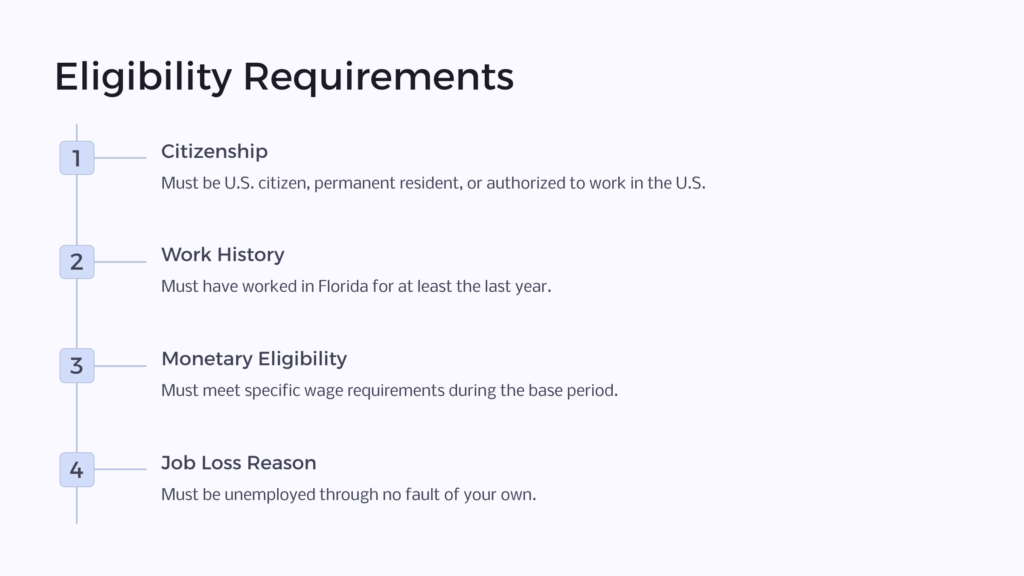
Before diving into the application process, it’s essential to understand if you meet the basic eligibility criteria for Florida Unemployment. The Department of Economic Opportunity (DEO) oversees these benefits, and their guidelines are specific. Generally, you must be unemployed through no fault of your own, be a U.S. citizen or legally authorized to work in the U.S., and have earned sufficient wages during your base period.
Base Period Wages
The “base period” is a specific 12-month period used to calculate your potential weekly benefit amount. Florida uses two types of base periods:
- Standard Base Period: This covers the first four of the last five completed calendar quarters before you file your claim. For example, if you file in January 2024, your standard base period would typically be from October 1, 2022, to September 30, 2023.
- Alternate Base Period: If you do not qualify under the standard base period, the DEO may use an alternate base period, which is the last four completed calendar quarters before you file your claim.
To be eligible, you must have earned wages in at least one of the calendar quarters within your base period, and your total earnings in the base period must meet a minimum requirement. This minimum amount is subject to change and is updated annually. The DEO will use your wage history, typically derived from reports filed by your employers, to determine your eligibility and benefit amount.
Reasons for Unemployment
The reason for your unemployment is a critical factor. Generally, you must be unemployed due to:
- Lack of Work: This includes layoffs, business closures, or reduction in force.
- Discharge Not for Misconduct: If you were fired, it must not be for reasons such as dishonesty, insubordination, or violation of company policy that would be considered willful misconduct.
- Voluntary Quit with Good Cause: Quitting your job can be considered “with good cause” if you had to leave due to compelling reasons, such as unsafe working conditions, domestic violence, or a significant change in your work location that made your commute unreasonably long.
If you quit your job voluntarily without good cause, or if you were discharged for misconduct, you may be disqualified from receiving benefits. The DEO will investigate the circumstances surrounding your separation from employment.
Availability and Actively Seeking Work
To continue receiving benefits, you must be able, available, and actively seeking suitable work each week.
- Able to Work: You must be physically and mentally capable of performing work.
- Available for Work: You must be ready and willing to accept suitable employment immediately. This means you cannot be unavailable due to illness, vacation, attending school full-time (unless approved by the DEO), or other reasons that would prevent you from accepting a job offer.
- Actively Seeking Work: You are required to make a diligent effort to find suitable employment each week. This typically involves activities like searching online job boards, contacting employers, attending job fairs, and submitting applications and resumes. The DEO may require you to register with Employ Florida, the state’s online job matching system, and to document your job search activities.
The Application Process: Step-by-Step
Applying for Florida Unemployment is primarily done online through the Florida Department of Economic Opportunity (DEO) website. It is recommended to have all necessary information prepared before starting the application to ensure a smooth and efficient process.
Gathering Necessary Information
Before you begin your online application, collect the following information:
- Social Security Number (SSN): Your own SSN.
- Driver’s License or State ID Number: If you have one.
- Mailing Address and Phone Number: Where you can be reached.
- Employment History: For the last 18 months, including:
- Employer names, addresses, and phone numbers.
- Dates of employment (start and end dates for each employer).
- Reason for separation from each employer.
- Gross earnings for each employer.
- Alien Registration Number and Expiration Date: If you are not a U.S. citizen.
- DD-214 Member 4 Copy: If you have prior military service in the last 18 months.
- SF8 and SF50 Forms: If you were a federal employee in the last 18 months.
- Union Information: If you are a member of a union and are out of work due to lack of work, provide the name and number of your union.
Creating Your Account and Submitting the Claim
- Visit the DEO Website: Navigate to the official website of the Florida Department of Economic Opportunity. Look for the section related to Reemployment Assistance or Unemployment Benefits.
- Register for an Account: You will likely need to create a user account on the DEO’s online portal. This account will be your primary point of contact for managing your claim.
- Complete the Application: Follow the prompts to fill out the unemployment application form. Be honest and accurate with all the information you provide. Incomplete or inaccurate information can delay your claim or lead to disqualification.
- Review and Submit: Before submitting, carefully review all the information you have entered. Ensure that your dates, employer details, and reasons for separation are correct. Once you are confident, submit your application.
- Confirmation: After submission, you should receive a confirmation message or email. Save this confirmation for your records.
What to Expect After Applying
Once your claim is submitted, the DEO will process it. This involves verifying your identity, employment history, and eligibility.
- Determination of Eligibility: The DEO will review your application and may contact your former employers to confirm the details of your employment and separation. You will receive a determination letter outlining whether you are eligible for benefits and, if so, your weekly benefit amount and the duration of your benefits.
- Monetary Determination: This document details your potential weekly benefit amount and the total amount of benefits you may receive, based on your earnings during the base period.
- Non-Monetary Determination: This addresses your eligibility based on the reason for your separation from employment.
It’s important to respond promptly if the DEO requests additional information or clarification.
Maintaining Your Claim: Weekly Certifications and Job Search
After your claim is approved, you must take specific actions each week to continue receiving benefits. This is a critical step that many applicants overlook, leading to a lapse in payments.
Weekly Certification
To receive payment for a given week, you must “certify” that you were able, available, and actively seeking work during that week. This is typically done online through the DEO’s portal. You will be asked a series of questions, similar to those in the initial application, to confirm your status for that specific week.
- Timing: Certifications are usually available for a specific window of time each week (e.g., Sunday through Saturday). Failing to certify within this window means you will not receive benefits for that week.
- Accuracy: Be truthful in your weekly certifications. Misrepresenting your availability or job search efforts can result in penalties, including repayment of benefits and disqualification from future claims.
- Reporting Earnings: If you earn any wages during a week you are claiming benefits, you must report these earnings accurately. These earnings may reduce your weekly benefit amount.
Documenting Your Work Search
As mentioned earlier, actively seeking work is a requirement. The DEO may require you to document your work search activities. This means keeping a detailed record of:
- Employers Contacted: Names of businesses and contact persons.
- Dates of Contact: When you reached out.
- Method of Contact: Phone, email, in-person, online application.
- Outcome: If you were interviewed, applied for a specific position, or were rejected.
While the DEO may not ask for this documentation every week, having it readily available is crucial if requested. Failure to provide proof of work search can lead to disqualification. Employ Florida is often used as a platform to log these activities, making it easier to comply with DEO requirements.
Appeals and Resolving Issues
Despite best efforts, issues can arise with unemployment claims. Understanding the appeals process is important should your claim be denied or if there are discrepancies.
Understanding Denials
If your claim is denied, you will receive a formal notice from the DEO explaining the reason for the denial. This notice will also include information on your right to appeal the decision. Common reasons for denial include not meeting wage requirements, voluntarily quitting without good cause, or being discharged for misconduct.
The Appeals Process
If you disagree with the DEO’s decision, you have the right to appeal.
- Filing an Appeal: Appeals must be filed within a specified timeframe, usually 20 days from the date of the determination notice. This is typically done online through the DEO portal, by mail, or fax. Ensure you meet the deadline.
- Appeals Referee Hearing: Your appeal will typically be heard by an Appeals Referee. This is a formal hearing where you will have the opportunity to present your case, provide evidence, and explain why you believe the original decision was incorrect. Your former employer will also have an opportunity to present their side.
- Evidence: Gather any supporting documentation that can help your case. This might include emails, letters, witness statements, or pay stubs.
- Decision: After the hearing, the Appeals Referee will issue a written decision. If you disagree with this decision, you may have further appeal options to higher levels within the court system.
Common Claim Issues and Solutions
- Delays in Processing: This can often be due to incomplete information, issues verifying employment, or a high volume of claims. Ensure all information is accurate and complete from the start. If you experience significant delays, contact the DEO for an update.
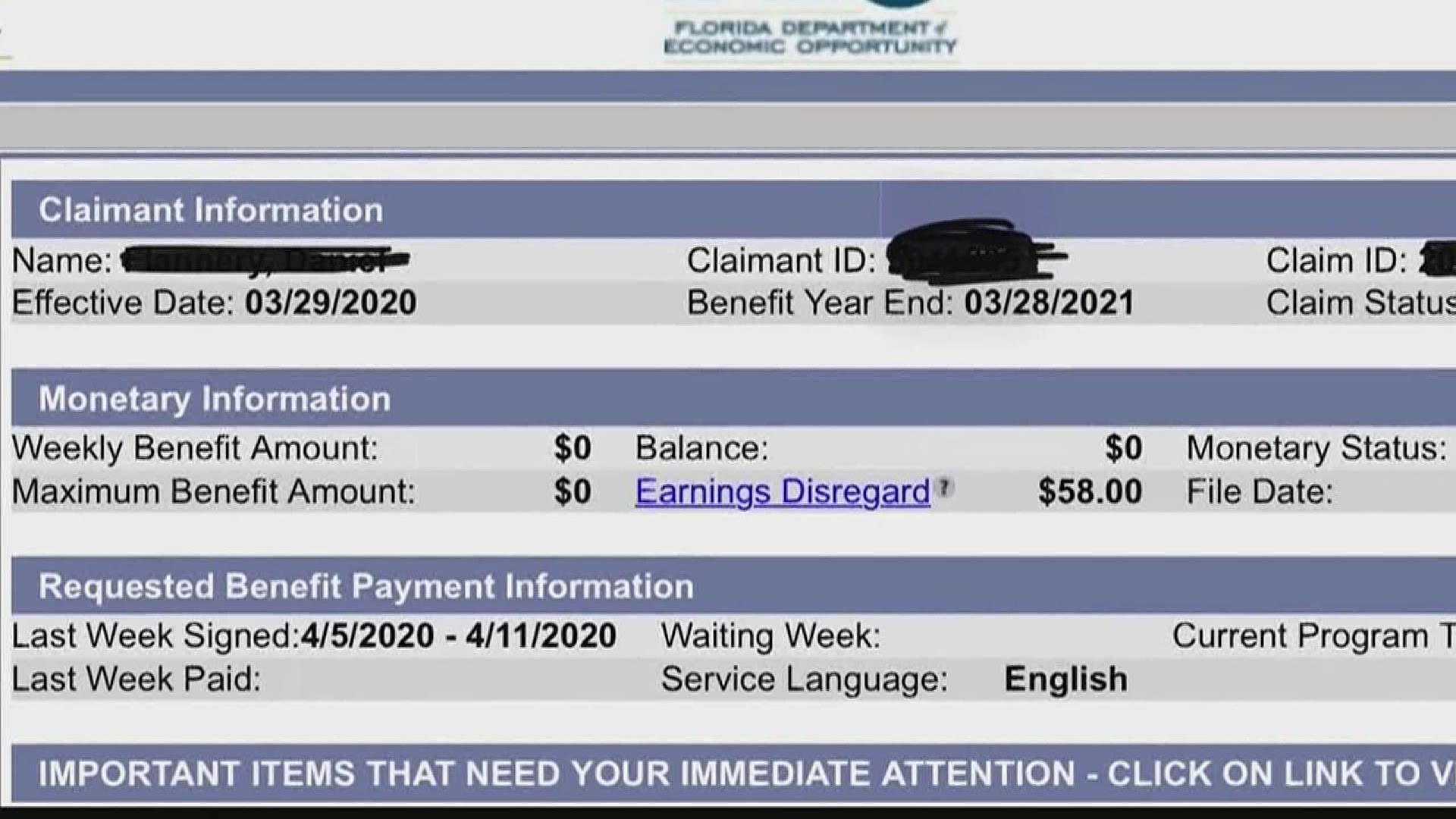
- Incorrect Benefit Amount: If you believe your weekly benefit amount or total benefit entitlement is incorrect, review your Monetary Determination carefully. If there’s a discrepancy with your reported wages, you may need to provide documentation from your employer.
- Identity Verification: The DEO has strict identity verification processes. If you encounter issues, follow their instructions for providing necessary documentation.
Navigating the Florida Unemployment system requires attention to detail and proactive engagement. By understanding the eligibility criteria, meticulously following the application steps, consistently meeting weekly requirements, and being prepared for potential appeals, individuals can successfully access the support they are entitled to during periods of unemployment.
LifeOutOfTheBox is a participant in the Amazon Services LLC Associates Program, an affiliate advertising program designed to provide a means for sites to earn advertising fees by advertising and linking to Amazon.com. Amazon, the Amazon logo, AmazonSupply, and the AmazonSupply logo are trademarks of Amazon.com, Inc. or its affiliates. As an Amazon Associate we earn affiliate commissions from qualifying purchases.