
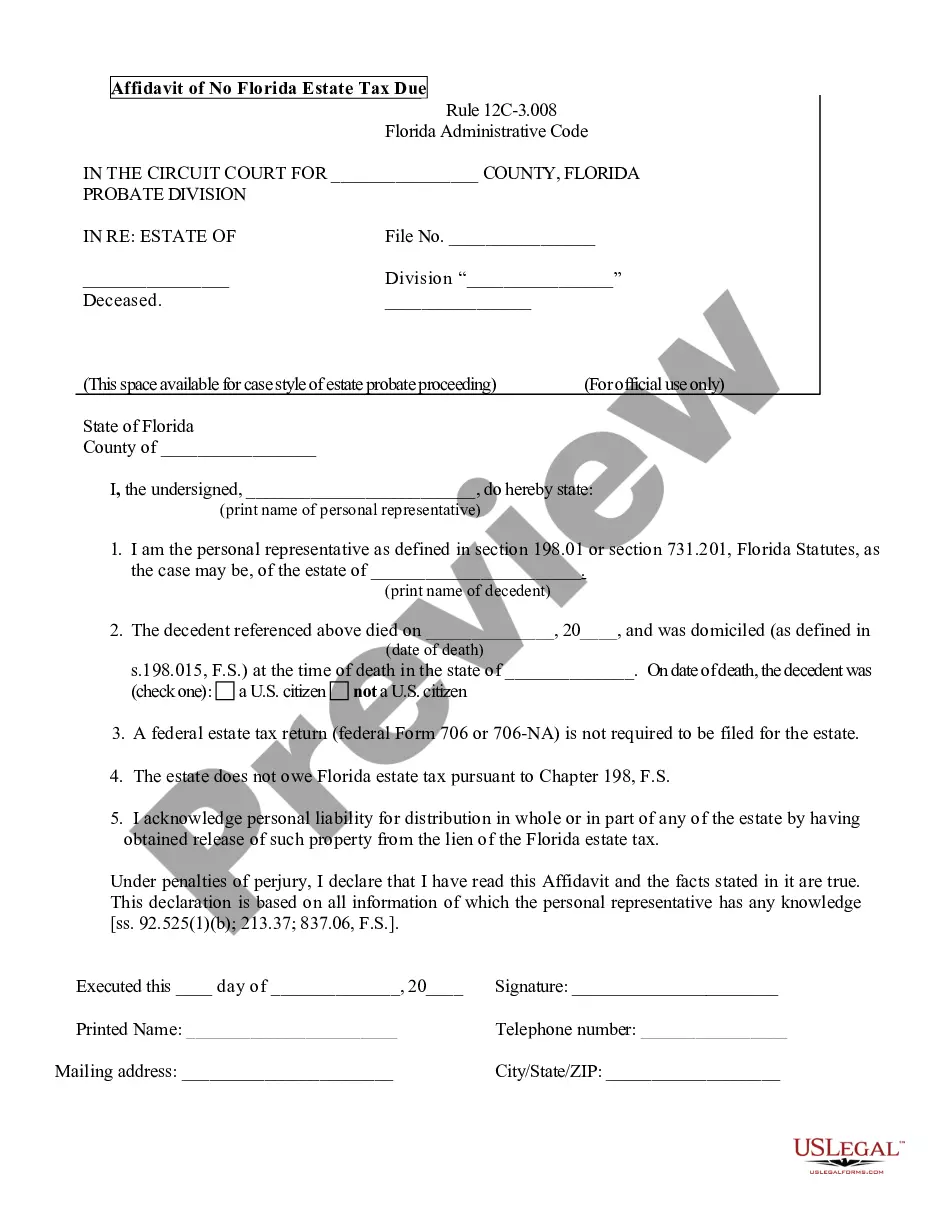
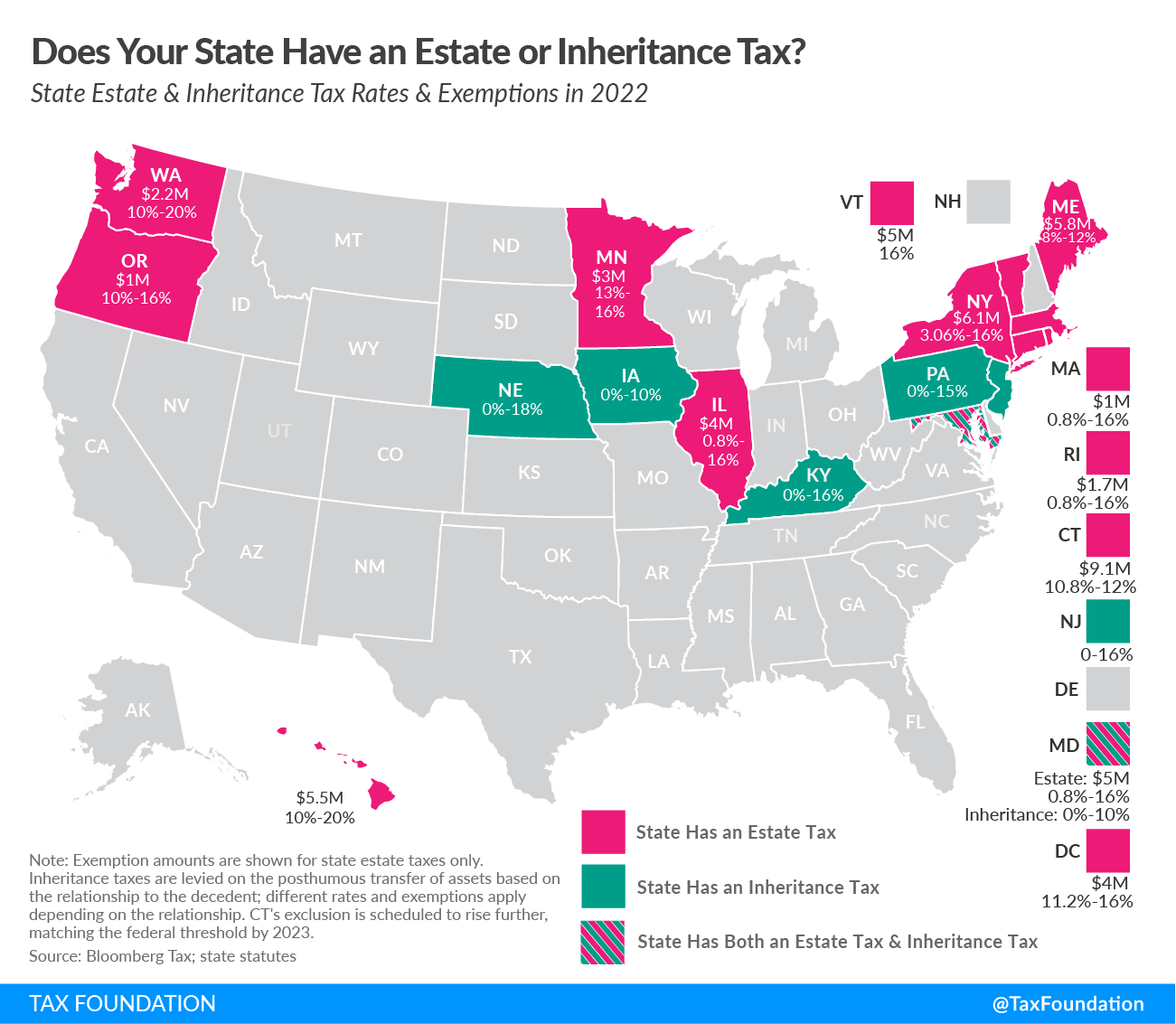
While the term “death tax” often conjures images of federal estate taxes, it’s crucial to understand that Florida does not currently impose a state-level estate tax or inheritance tax. This distinction is a significant advantage for residents and those planning their estates within the Sunshine State. However, navigating estate planning, even without a state death tax, involves careful consideration of various factors to ensure assets are transferred efficiently and according to your wishes, minimizing potential tax liabilities and administrative complexities for your heirs. This guide delves into strategies and considerations pertinent to estate planning in Florida, focusing on proactive measures to protect your legacy.

Understanding Florida’s Estate Tax Landscape
The elimination of Florida’s estate tax in 2005 marked a substantial shift, making the state an attractive domicile for individuals with significant assets. Unlike many other states that levy their own estate or inheritance taxes, Florida operates under a system where the primary estate tax concern for most residents is the federal estate tax.
Federal Estate Tax Thresholds
The federal estate tax is levied on the transfer of a deceased person’s estate. For 2023, the federal estate tax exemption amount is $12.92 million per individual. For 2024, this figure is adjusted for inflation to $13.61 million per individual. This means that individuals with net worth below these substantial thresholds will not owe federal estate taxes.
However, for estates exceeding these limits, the tax rate can be as high as 40%. This is where strategic estate planning becomes paramount, even for those who may not currently believe their assets reach federal taxability levels, as asset values can fluctuate, and future legislative changes are always a possibility.
Portability of Exemption
A crucial aspect of federal estate tax planning is the concept of portability. This allows the surviving spouse of a deceased individual to utilize any unused portion of the deceased spouse’s estate tax exemption. For instance, if the first spouse passes away with an estate valued below the exemption threshold, their unused exemption can be “ported” to the surviving spouse, effectively doubling the exemption available to the surviving spouse’s estate. This requires filing an estate tax return (Form 706) for the first spouse’s estate, even if no tax is due, to elect portability.
Key Estate Planning Strategies for Florida Residents
While Florida avoids state death taxes, robust estate planning is essential for several reasons: ensuring assets are distributed according to your wishes, minimizing probate, providing for loved ones, and potentially reducing any federal estate tax liability.
Wills and Trusts
The cornerstone of any estate plan is a well-drafted will. A will outlines your intentions for asset distribution, names an executor to manage your estate, and can appoint guardians for minor children. Without a will, Florida law dictates how your assets will be distributed through intestacy, which may not align with your desires.
Beyond a will, trusts offer significant advantages. Revocable living trusts are particularly popular. Assets placed into a revocable living trust are generally not subject to probate, allowing for a more private and often faster distribution of assets to beneficiaries. Furthermore, trusts can provide asset protection, manage assets for beneficiaries who may be minors or have special needs, and offer sophisticated tax planning opportunities.
- Revocable Living Trust: Allows you to maintain control over your assets during your lifetime while ensuring a smooth transfer upon your death, bypassing probate.
- Irrevocable Trusts: These trusts, once established, generally cannot be altered. They are often used for advanced tax planning, such as to remove assets from your taxable estate or to establish charitable giving. Examples include Irrevocable Life Insurance Trusts (ILITs) or Grantor Retained Annuity Trusts (GRATs).
Gifting Strategies
Gifting during your lifetime is a powerful tool to reduce the size of your taxable estate. The IRS allows for an annual gift tax exclusion, which for 2023 was $17,000 per recipient and for 2024 is $18,000 per recipient. This means you can gift this amount to as many individuals as you wish each year without incurring gift tax or using any of your lifetime gift and estate tax exemption.
Beyond the annual exclusion, individuals also have a lifetime gift and estate tax exemption, which is unified with the estate tax exemption. This means gifts made during your lifetime reduce the amount of your estate that is subject to estate tax upon death. Careful consideration of these gifting rules can significantly reduce the overall value of your taxable estate over time.
Life Insurance Planning
Life insurance can play a dual role in estate planning. It can provide a tax-free death benefit to your beneficiaries, offering financial security. For larger estates that may be subject to federal estate taxes, life insurance can be strategically used to provide liquidity to pay those taxes without forcing the sale of other estate assets, such as a family business or real estate.
- Irrevocable Life Insurance Trusts (ILITs): By placing a life insurance policy within an ILIT, the death benefit can be structured to be outside of your taxable estate. The ILIT would own the policy, and upon your death, the proceeds would be paid to the trust for the benefit of your named beneficiaries, effectively shielding those funds from estate taxes.
Business Succession Planning
For individuals who own businesses, especially significant ones, succession planning is a critical component of estate planning. This involves determining how the business will be transferred to the next generation or sold, ensuring its continued operation and minimizing tax implications for both the departing owner and the successors. This can involve buy-sell agreements, family partnerships, or transferring ownership over time.
Real Estate and Homestead Exemptions
Florida offers a homestead exemption that protects a primary residence from forced sale to satisfy most debts and judgments. While this is primarily a creditor protection tool, it also has implications for estate planning, particularly concerning property taxes and how the homestead property passes to heirs. Upon the owner’s death, the homestead property can pass directly to a surviving spouse and minor children without going through probate, subject to specific rules.
Charitable Giving
For those with philanthropic intentions, charitable giving can be an effective estate planning tool. Bequests to qualified charities are generally deductible for estate tax purposes, reducing the size of the taxable estate. Options include outright bequests, charitable remainder trusts, or charitable lead trusts, which can provide income to beneficiaries for a period before the remainder goes to charity.
The Importance of Professional Guidance
Navigating the complexities of estate planning, even in a state without a death tax, requires expert advice. An experienced estate planning attorney can help you:
- Assess your current financial situation and future goals.
- Draft comprehensive and legally sound estate planning documents, including wills and trusts.
- Develop personalized gifting and investment strategies.
- Ensure compliance with all federal and state regulations.
- Update your plan as your circumstances or the law changes.
While the absence of a state death tax in Florida is a significant benefit, it is not a substitute for diligent and thoughtful estate planning. Proactive measures today can ensure your assets are preserved and transferred according to your wishes, providing peace of mind for you and your loved ones for generations to come. Consulting with legal and financial professionals is the most crucial step in safeguarding your legacy.
LifeOutOfTheBox is a participant in the Amazon Services LLC Associates Program, an affiliate advertising program designed to provide a means for sites to earn advertising fees by advertising and linking to Amazon.com. Amazon, the Amazon logo, AmazonSupply, and the AmazonSupply logo are trademarks of Amazon.com, Inc. or its affiliates. As an Amazon Associate we earn affiliate commissions from qualifying purchases.