
Transitioning to life in the Sunshine State is a dream for many, whether for its year-round warmth, vibrant culture, or economic opportunities. Becoming a Florida resident is more than just buying a home or spending time on its beautiful beaches; it involves a series of official steps and a genuine embrace of the Florida lifestyle. This guide will walk you through the essential considerations and requirements to successfully establish yourself as a Florida resident, focusing on the practicalities and nuances that will make your transition smooth and rewarding.
Establishing Legal Residency
The cornerstone of becoming a legal resident in any state lies in demonstrating your intent to make that state your permanent home. For Florida, this involves satisfying specific criteria set forth by the state government. These requirements are designed to ensure that individuals truly intend to reside in Florida and are not merely temporary visitors or seasonal occupants.

The Legal Definition of Residency
Florida law defines a resident as an individual who has established a permanent abode in the state. This is typically proven through a combination of actions and documentation. It’s crucial to understand that simply owning property in Florida or spending a significant portion of the year there does not automatically confer residency. The intent to remain permanently is paramount.
Key Documentation and Actions
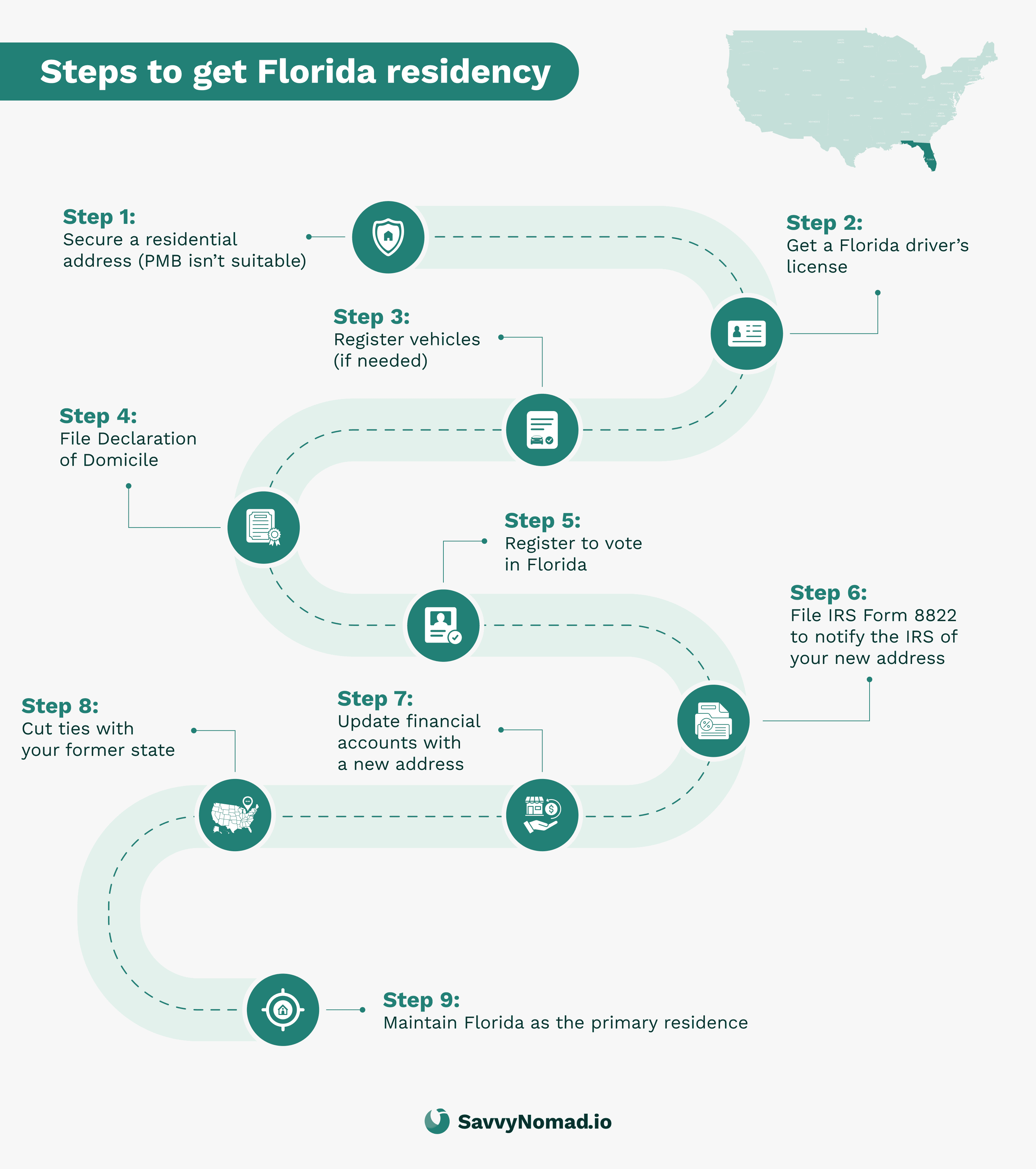
To formally establish your residency, several key documents and actions are necessary:
- Driver’s License or State ID: Obtaining a Florida driver’s license or state identification card is a primary step. You will need to present proof of identity, date of birth, Social Security number, and two proofs of residential address in Florida. Acceptable documents for proof of residency include utility bills, rental agreements, mortgage statements, or mail from a financial institution.
- Vehicle Registration: If you own a vehicle, you must register it in Florida within 30 days of establishing residency. This involves presenting proof of Florida insurance, your driver’s license, and the vehicle’s title or registration from your previous state.
- Voter Registration: Registering to vote in Florida is a strong indicator of your intent to reside in the state. You can register at the same time you apply for a driver’s license or by mail through the Florida Division of Elections.
- Homestead Exemption: For homeowners, applying for the homestead exemption is a significant step towards establishing residency and offers substantial property tax benefits. This exemption allows homeowners to protect up to $5,000 of the assessed value of their homestead from taxation and can be extended to protect additional value for certain types of property. You must file for this exemption by March 1st of the tax year for which you are applying. This typically requires proof of residency, such as utility bills in your name at the property and a Florida driver’s license.
- Banking and Financial Accounts: Opening or updating your banking and financial accounts to reflect your Florida address further solidifies your residency. This includes updating your mailing address with all financial institutions, including credit card companies and investment firms.
- Informing Previous State: It is important to formally notify your previous state of residence of your relocation and to cancel any residency-based services or registrations you may have there, such as a previous state driver’s license or vehicle registration.
The Role of Intent
The concept of “intent” is central to establishing residency. This means that your actions and statements should consistently reflect your intention to make Florida your permanent home, not just a vacation spot or a temporary refuge. This can be demonstrated through:
- Abandoning Residency Elsewhere: Closing out accounts, severing ties, and officially relinquishing residency in your previous state is a clear signal.
- Establishing Roots: Engaging in community activities, joining local organizations, or pursuing employment in Florida contributes to demonstrating your commitment.
- Declarations: While not solely determinative, verbal or written declarations of intent to reside permanently in Florida can be supportive evidence.
Navigating Florida’s Unique Benefits and Considerations
Florida offers a compelling lifestyle that attracts residents from across the nation and the globe. Understanding these unique aspects is key to not only becoming a resident but also thriving in your new environment.
The Allure of No State Income Tax
One of Florida’s most significant draws is its lack of a state income tax. This can result in substantial savings for individuals and families, particularly those relocating from states with high income tax rates. This fiscal advantage, combined with a generally favorable business climate, makes Florida an attractive location for both personal and professional endeavors.
Climate and Outdoor Lifestyle
Florida’s subtropical and tropical climate is a major lifestyle factor. The Sunshine State boasts an average of 237 sunny days per year and mild winters, making it an ideal location for those who enjoy outdoor activities year-round. From the beaches of Miami to the springs of Central Florida, the opportunities for recreation are endless. This includes boating, fishing, golf, and exploring natural wonders like the Everglades National Park or State Parks like Anastasia State Park.
Diverse Communities and Real Estate
Florida offers a vast array of living environments, from bustling metropolises like Tampa and Orlando to charming coastal towns and quiet rural communities. The real estate market is diverse, with options ranging from luxurious beachfront condos and sprawling estates to more affordable inland properties. Understanding the nuances of different regions is crucial. For instance, the Gulf Coast is known for its calmer waters and white-sand beaches, while the Atlantic Coast offers a more dynamic surf scene and proximity to international hubs like Fort Lauderdale.

Healthcare and Education
Florida has a robust healthcare system, with numerous hospitals and medical facilities, including well-regarded institutions like the Mayo Clinic in Jacksonville and the Cleveland Clinic Florida in Weston. The state also has a comprehensive public education system, encompassing K-12 schools and a network of state universities and community colleges. When establishing residency, researching local healthcare providers and educational institutions that align with your family’s needs is a wise step.
Practical Steps for Settling In
Beyond the legal requirements, settling into Florida life involves practical preparations to ensure a smooth transition into your new home.
Financial and Insurance Matters
- Insurance: Securing appropriate insurance coverage is vital. This includes homeowners or renters insurance, and for vehicle owners, Florida requires specific minimum liability coverage. Given Florida’s susceptibility to hurricanes and other weather events, flood insurance may also be a crucial consideration, especially for properties in coastal or low-lying areas. It’s advisable to compare quotes from multiple providers to ensure you are adequately covered at a reasonable cost.
- Banking: As mentioned, updating your banking information is essential. This includes changing your address on all accounts and potentially exploring local banks or credit unions that may offer services tailored to the Florida market.
- Taxes: While Florida has no state income tax, you will still be responsible for federal taxes and any applicable local taxes. Property taxes are a significant consideration, especially if you own real estate. Understanding how your previous state’s tax laws might affect your transition is also important.
Utilities and Services
Connecting utilities is a fundamental part of setting up your new residence. This typically includes electricity, water, gas (if applicable), internet, and cable television. Major utility providers in Florida include companies like Florida Power & Light (FPL), Duke Energy, and TECO Energy. It’s advisable to research and arrange for these services well in advance of your move-in date to avoid any disruption.
Driving and Transportation
- License and Registration: Ensure you have obtained your Florida driver’s license and registered your vehicle as soon as you establish residency. This will also impact your insurance rates.
- Road Rules: Familiarize yourself with Florida’s driving laws and road rules, which may differ from those in your previous state. Be aware of specific regulations regarding speed limits, traffic signals, and parking.
- Public Transportation: While many Floridian areas are car-dependent, major cities like Miami, Orlando, and Tampa offer public transportation options. Researching these services can be beneficial for commuting or exploring without a personal vehicle.
Embracing the Florida Lifestyle
Becoming a Florida resident is also about immersing yourself in the unique culture and way of life the state offers.
Local Culture and Community
Florida is a melting pot of cultures, influenced by Native American heritage, Spanish colonization, and significant populations from Latin America and the Caribbean, particularly in South Florida. This diversity is reflected in its cuisine, music, and festivals. Engaging with local events, exploring farmers’ markets in towns like Winter Park, and visiting cultural institutions like the The John and Mable Ringling Museum of Art in Sarasota can enrich your experience.
Dining and Entertainment
From fresh seafood along the coast to diverse international flavors in its urban centers, Florida’s culinary scene is vibrant. Explore local eateries, from casual beachfront cafes to upscale dining establishments in cities like Jacksonville. Entertainment options are abundant, including theme parks in Orlando such as Walt Disney World Resort and Universal Orlando Resort, professional sports teams like the Miami Dolphins or the Tampa Bay Buccaneers, and a thriving arts and music scene.
Natural Beauty and Recreation
Florida’s natural beauty is a significant part of its appeal. Beyond the renowned beaches, the state is home to diverse ecosystems. Exploring the Florida Keys by car or boat, kayaking through mangrove tunnels, or visiting the unique landscapes of Ocala National Forest offers a chance to connect with nature. The state’s commitment to preserving its natural resources through a network of parks and conservation areas ensures these experiences are available for generations to come.
Active Community Engagement
To truly feel at home, consider actively participating in your local community. This could involve volunteering for a cause you believe in, joining a neighborhood association, or becoming a member of a local club or organization. Engaging with your neighbors and participating in local events fosters a sense of belonging and helps you build a strong social network in your new home.
Becoming a Florida resident is a comprehensive process that involves meeting legal requirements, understanding the state’s unique offerings, and actively engaging with its lifestyle. By diligently addressing the practical steps and embracing the spirit of the Sunshine State, you can ensure a successful and fulfilling transition to life in Florida.
LifeOutOfTheBox is a participant in the Amazon Services LLC Associates Program, an affiliate advertising program designed to provide a means for sites to earn advertising fees by advertising and linking to Amazon.com. Amazon, the Amazon logo, AmazonSupply, and the AmazonSupply logo are trademarks of Amazon.com, Inc. or its affiliates. As an Amazon Associate we earn affiliate commissions from qualifying purchases.