
Florida, with its abundant sunshine and diverse landscapes, offers a unique backdrop for families considering homeschooling. Beyond the allure of theme parks and pristine beaches, the Sunshine State provides a robust framework for educational freedom, allowing parents to tailor learning experiences to their children’s individual needs and interests. This guide explores the pathways to homeschooling in Florida, focusing on the lifestyle and practical considerations for families seeking an alternative educational route within this vibrant state.
Understanding Florida’s Homeschooling Landscape
Florida’s approach to homeschooling is rooted in parental rights and flexibility. The state recognizes homeschooling as a form of private school education, and as such, it is subject to minimal regulation, making it an attractive option for many families. The core requirement revolves around maintaining an adequate educational program and ensuring compliance with basic notification and record-keeping standards.
Legal Requirements and Notification
In Florida, parents who choose to homeschool must notify the local school district superintendent of their intent to do so. This notification must be filed annually, typically within the first 30 days of the public school year or within 30 days of establishing a homeschool. The letter of intent must include the child’s full name, date of birth, and an assurance that the child will receive a competency-based, parent-directed education.
The state also requires the child to be assessed annually to ensure they are making satisfactory educational progress. This assessment can take several forms, including:
- Standardized Tests: A student can be tested by a certified teacher, by a school psychologist, or through a testing service that offers state-approved tests.
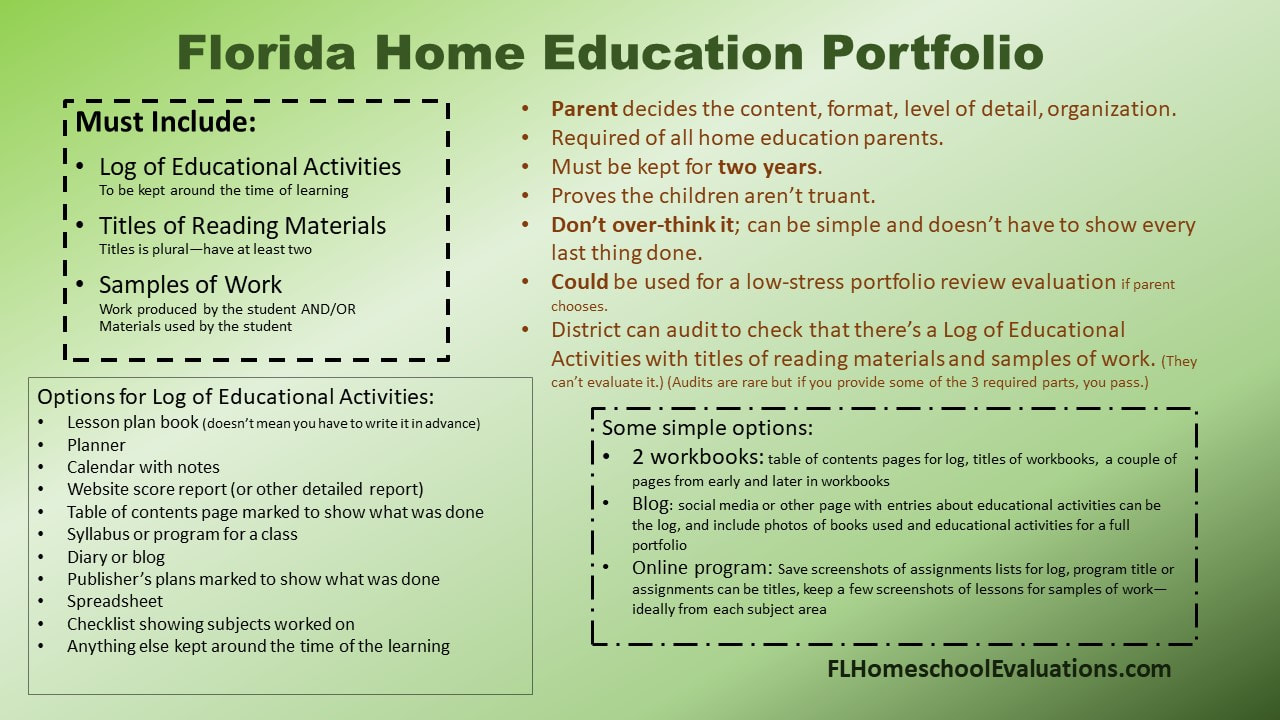
- Portfolio Review: A certified teacher or a school psychologist can review a portfolio of the student’s work. This portfolio should include samples of the student’s work that demonstrate the student’s educational progress in the subject areas of language arts, mathematics, science, and social studies.
- Other Demonstrations of Progress: The district superintendent may allow other methods of assessment upon request.
Curriculum and Educational Choices
One of the most significant advantages of homeschooling in Florida is the freedom to choose a curriculum that best suits a child’s learning style, interests, and pace. Families are not tied to a specific textbook series or a standardized public school curriculum. This allows for a highly personalized educational journey.
Options for curriculum selection are vast and cater to diverse pedagogical approaches:
- Traditional Academic Programs: These often mirror the structure of traditional schooling, with textbooks, workbooks, and structured lesson plans covering core subjects. Many publishers offer comprehensive K-12 programs.
- Unit Studies: This approach integrates multiple subjects around a central theme, allowing for deeper exploration and connections between disciplines. For instance, a unit on ancient Egypt could incorporate history, geography, art, and literature.
- Online Learning Platforms: Numerous online academies and individual course providers offer flexible, self-paced, or instructor-led online classes. These can range from full-time virtual schooling to supplementary courses.
- Experiential Learning: Florida’s unique environment lends itself to hands-on learning. Field trips to the Everglades National Park, visits to historical sites like St. Augustine, or exploring the marine life at the Mote Marine Laboratory & Aquarium can become integral parts of the curriculum.
Record Keeping
While Florida’s homeschooling regulations are lenient, maintaining accurate records is crucial. This typically involves keeping copies of the notification of intent, assessment results or portfolio reviews, and a log of educational activities. These records are not usually submitted to the school district unless requested, but they are essential for demonstrating compliance and tracking a child’s academic progress over time.
Crafting a Homeschooling Lifestyle in Florida
Beyond the legalities, homeschooling in Florida presents an opportunity to create a dynamic lifestyle that balances education with the state’s unique offerings. This involves integrating learning into daily life and leveraging the abundance of resources available.
Leveraging Florida’s Resources for Learning
Florida is rich with educational opportunities that can transform learning from a classroom-bound activity to an immersive experience.
- Museums and Cultural Institutions: From the Art Institute of Chicago (though not in Florida, it highlights the type of institutions) to the Philip and Patricia Frost Museum of Science in Miami, Florida boasts numerous museums that can supplement science, history, and art education. The John and Mable Ringling Museum of Art in Sarasota offers a vast collection and beautiful grounds for exploration.
- Nature and Wildlife: The state’s diverse ecosystems provide unparalleled opportunities for studying biology, ecology, and environmental science. Visiting the Bok Tower Gardens, exploring the Florida Keys, or participating in educational programs at wildlife refuges can offer hands-on scientific learning.
- Historical Sites: St. Augustine, the oldest continuously inhabited European-established settlement in the United States, offers a deep dive into American history. Other historical sites, such as the Castillo de San Marcos National Monument, provide tangible links to the past.
- Community and Enrichment Programs: Many communities offer specialized classes, workshops, and clubs for homeschooled students. These can range from art and music lessons to sports leagues and coding camps, providing social interaction and skill development outside the traditional school setting.

Socialization and Extracurricular Activities
A common concern for homeschooling families is socialization. Florida offers numerous avenues for homeschooled children to interact with peers and engage in group activities.
- Homeschool Co-ops: Many areas have homeschool cooperatives, where parents collaborate to offer classes, field trips, and social events. These can be a cost-effective way to share teaching responsibilities and resources.
- Community Sports and Arts Programs: Homeschooled students can often participate in local sports leagues, dance studios, martial arts schools, and theater groups, just like their traditionally schooled peers.
- Volunteer Opportunities: Engaging in community service provides valuable life experience and social interaction. Many organizations in Tampa and other cities welcome young volunteers.
- Homeschool Conventions and Events: Florida hosts annual homeschool conventions and regional events that offer workshops, vendor halls, and opportunities for families to connect with one another.
The Role of Technology in Homeschooling
Technology plays an increasingly vital role in modern homeschooling. Online resources, educational apps, and digital learning platforms can enhance the learning experience and provide access to a wealth of information.
- Online Learning Platforms: As mentioned earlier, platforms like Khan Academy offer free courses across a wide range of subjects. Many other paid platforms provide more structured curricula and certified instruction.
- Educational Apps and Software: A plethora of apps exist to supplement learning in areas such as math, reading, and science. These can make learning more interactive and engaging.
- Virtual Field Trips and Documentaries: When physical travel isn’t feasible, virtual tours of museums, historical sites, and natural wonders can bring the world into the home. Documentaries and educational streaming services also offer valuable content.
Navigating the Practicalities of a Homeschooling Life in Florida
Beyond curriculum and socialization, practical considerations are essential for a successful homeschooling journey in Florida. This includes establishing a dedicated learning space, managing time effectively, and understanding the financial aspects.
Creating a Conducive Learning Environment
While homeschooling offers flexibility in where learning happens, establishing a dedicated space can significantly improve focus and productivity. This doesn’t necessarily require a separate room; it can be a corner of a living room, a designated desk, or even a mobile learning station.
- Organization: A well-organized space with easy access to books, supplies, and technology is key. Libraries of resources can be curated to support various learning activities.
- Inspiration: Surrounding the learning space with educational posters, maps, and children’s artwork can make it more inviting and stimulating.
- Flexibility: The learning environment should be adaptable to different activities, whether it’s quiet reading, group projects, or hands-on experiments.
Time Management and Routine
Establishing a flexible routine is crucial for managing the demands of homeschooling. While the structure can be less rigid than in a traditional school, a predictable rhythm helps children stay on track and ensures that all educational objectives are met.
- Daily Schedule: Creating a daily schedule that incorporates academic instruction, breaks, physical activity, and free time is beneficial. This schedule can be adjusted based on the child’s energy levels and the day’s activities.
- Weekly Planning: Planning weekly goals and activities can provide a broader perspective and ensure that different subjects are covered adequately.
- Balancing Life and Learning: Homeschooling allows for integration of learning with daily life. Errands can become math lessons (calculating change), cooking can involve science experiments, and family outings can be educational explorations.
Financial Considerations
Homeschooling in Florida, while generally more affordable than private schooling, still involves financial considerations.
- Curriculum and Supplies: The cost of curriculum materials can vary significantly, from free online resources to comprehensive purchased programs. Art supplies, science experiment kits, and educational games also contribute to the budget.
- Field Trips and Extracurriculars: While many of Florida’s natural attractions are free or low-cost, admission fees for museums, theme parks, and other attractions, as well as costs for sports, music lessons, and other extracurricular activities, should be factored in.
- Technology: Investing in a reliable computer, internet access, and educational software or apps may be necessary.
- Parental Time Investment: While not a direct financial cost, the time parents dedicate to teaching, planning, and facilitating learning is a significant investment.

Embracing the Florida Homeschooling Journey
Homeschooling in Florida offers a compelling alternative for families seeking an education that is adaptable, personalized, and deeply connected to the environment and opportunities the state provides. By understanding the legal framework, embracing the rich educational resources, and carefully planning the practicalities, families can cultivate a rewarding and successful homeschooling experience. From the sun-drenched beaches of the Florida Panhandle to the vibrant cultural hubs of South Florida, the Sunshine State is an ideal canvas for a family’s unique educational adventure.
LifeOutOfTheBox is a participant in the Amazon Services LLC Associates Program, an affiliate advertising program designed to provide a means for sites to earn advertising fees by advertising and linking to Amazon.com. Amazon, the Amazon logo, AmazonSupply, and the AmazonSupply logo are trademarks of Amazon.com, Inc. or its affiliates. As an Amazon Associate we earn affiliate commissions from qualifying purchases.