
Embarking on a career as a private investigator in Florida offers a unique blend of investigative challenges, client interaction, and the potential for a dynamic work environment. This profession demands a keen eye for detail, strong analytical skills, and an unwavering commitment to ethical practices. Florida, with its diverse population and vibrant economy, presents a rich landscape for aspiring investigators to establish their careers. To navigate this path successfully, understanding the state’s specific licensing requirements, educational prerequisites, and professional development opportunities is paramount. This guide will illuminate the essential steps to becoming a licensed private investigator in the Sunshine State, from meeting the initial eligibility criteria to building a reputable practice.

Navigating Florida’s Licensing Framework
The journey to becoming a licensed private investigator in Florida is primarily governed by the Florida Department of Agriculture and Consumer Services (FDACS). This agency oversees the licensing and regulation of various professions, including private investigative and protective services.
Eligibility Requirements
To be considered for a private investigator license in Florida, applicants must meet several core eligibility criteria:
- Age: Applicants must be at least 18 years of age.
- Citizenship/Residency: Applicants must be a citizen of the United States or a legal resident alien.
- Moral Character: A fundamental aspect of the licensing process involves demonstrating good moral character. This is typically assessed through background checks, including fingerprinting and a review of criminal history. Any felony convictions or certain misdemeanor convictions can disqualify an applicant.
- Education and Experience: Florida mandates specific educational and experience pathways to qualify for licensure. There are two primary routes:
- Experience Route: This involves a minimum of two years of investigative experience, totaling at least 4,000 hours, gained under the supervision of a licensed private investigator, a law enforcement agency, or a federal investigative agency. This experience must be documented and verifiable.
- Educational Route: Alternatively, applicants can substitute a portion of the experience requirement with formal education. A bachelor’s degree in criminology, criminal justice, law enforcement, or a related field can often reduce the required experience. Specific details regarding the equivalency of degrees are outlined by the FDACS.
The Application Process
The application process itself requires meticulous attention to detail and accurate documentation.
Submitting the Application and Fees
Prospective investigators must complete the official application form provided by the FDACS. This form will request detailed personal information, employment history, and educational background. Along with the application, a non-refundable application fee is required. It is crucial to ensure all sections of the application are completed accurately and thoroughly to avoid delays.
Background Checks and Fingerprinting
As part of the moral character assessment, applicants must undergo a comprehensive background check. This involves submitting fingerprints to the Florida Department of Law Enforcement (FDLE) and the Federal Bureau of Investigation (FBI). Any discrepancies or undisclosed information can lead to the denial of the application.
Examination Requirements
Upon successful review of the application and background check, applicants will typically be required to pass a licensing examination. This exam is designed to assess an applicant’s knowledge of Florida laws and regulations pertaining to private investigation, investigative techniques, evidence handling, and ethical conduct. Studying relevant statutes and case law is essential for exam preparation.
Maintaining Your License
Licensure is not a one-time achievement; it requires ongoing compliance with state regulations.
Continuing Education
To ensure investigators remain current with legal changes and best practices, Florida mandates continuing education requirements. Licensed private investigators must complete a specified number of continuing education hours within each licensing period to renew their licenses. These courses often cover topics such as legal updates, ethics, new investigative technologies, and specialized investigative techniques.
License Renewal
Private investigator licenses in Florida are typically valid for a specific period and must be renewed periodically. The renewal process involves submitting a renewal application, paying the required fees, and demonstrating compliance with continuing education requirements. It is the licensee’s responsibility to track renewal dates and ensure timely submission to avoid lapses in licensure.
Essential Skills and Professional Development
Beyond meeting the formal licensing requirements, developing a robust skill set and engaging in continuous professional development are crucial for a successful career as a private investigator.
Core Investigative Skills
A competent private investigator possesses a diverse range of skills honed through training and experience.
Research and Information Gathering
The ability to efficiently and effectively gather information is at the heart of private investigation. This includes proficiency in various research methodologies, such as public record searches, database inquiries, online investigation (OSINT), and surveillance. Understanding how to access and interpret information from diverse sources is a fundamental skill.
Interviewing and Interrogation Techniques
Effective communication is paramount. Private investigators must be adept at conducting interviews and, when necessary, interrogations. This involves building rapport with witnesses, extracting crucial information through skillful questioning, and recognizing non-verbal cues. Training in interview techniques can significantly enhance an investigator’s success rate.
Surveillance and Observation
Discreet observation and surveillance are often critical components of investigations. This requires patience, meticulous attention to detail, and the ability to blend in and remain unnoticed. Understanding legal boundaries concerning surveillance is also vital.
Report Writing and Documentation
Accurate, detailed, and objective reporting is essential. Investigators must be able to document their findings in a clear, concise, and legally sound manner. These reports serve as official records of investigations and may be used in legal proceedings.
Legal Knowledge and Ethical Conduct
A thorough understanding of Florida laws, particularly those related to privacy, evidence, and investigative procedures, is non-negotiable. Adhering to a strict ethical code is paramount to maintaining credibility and avoiding legal repercussions. This includes respecting client confidentiality and operating within the bounds of the law at all times.
Professional Development Opportunities
Continuous learning and networking are vital for staying competitive and expanding one’s expertise.
Specialized Training

While the basic license covers general investigative work, specialized training can open doors to niche areas. This might include courses in digital forensics, background checks, fraud investigation, process serving, or even areas like skip tracing.
Professional Organizations
Joining professional organizations for private investigators in Florida can provide invaluable networking opportunities, access to training resources, and updates on industry trends and legislative changes. Organizations like the Florida Association of Licensed Investigators (FALI) offer a platform for peer support and professional growth.
Mentorship and Experience
Gaining experience under a seasoned private investigator can provide practical insights and mentorship that are difficult to acquire through formal education alone. Many successful investigators begin their careers by working for established agencies.
Types of Investigations and Specializations
The field of private investigation encompasses a wide array of services, allowing for specialization based on an individual’s interests and skills.
Common Investigative Areas
Most private investigators in Florida engage in one or more of the following types of investigations:
- Infidelity Investigations: These often involve discreet surveillance to gather evidence of marital infidelity for divorce proceedings.
- Child Custody Investigations: These focus on gathering information about a parent’s living situation, lifestyle, and potential risks to the child during custody disputes.
- Background Checks: Thorough investigations into an individual’s history, including criminal records, employment history, and civil litigation, are common for pre-employment screening, tenant screening, or due diligence.
- Asset Searches: Investigators may be hired to locate hidden assets for divorce settlements, debt collection, or legal judgments.
- Insurance Fraud Investigations: These involve uncovering fraudulent claims for insurance companies, requiring evidence gathering and analysis.
- Missing Persons Investigations: Locating individuals who have disappeared, whether voluntarily or involuntarily, is a critical service.
- Corporate Investigations: This can include internal investigations into employee misconduct, intellectual property theft, or competitive intelligence gathering.
- Process Serving: While often a separate license, many private investigators also offer services for legally serving documents.
Developing a Niche
While it’s possible to be a generalist, specializing can lead to greater expertise and a more focused client base. Consider areas that align with your strengths and interests. For example, an individual with a background in finance might excel at asset searches or corporate fraud, while someone with a keen observational talent might gravitate towards surveillance-heavy cases.
Building a Successful Private Investigator Business in Florida
For those who aspire to be self-employed, establishing and running a private investigation agency in Florida involves more than just obtaining a license.
Business Formation and Legalities
Before accepting clients, prospective business owners must establish a legal business entity.
Business Structure
Choosing the right business structure, such as a sole proprietorship, partnership, LLC, or corporation, will have implications for liability, taxation, and administrative requirements. Consulting with a legal professional or business advisor is recommended.
Business Licenses and Permits
Beyond the private investigator license, local business licenses and permits may be required depending on the city or county in which the business operates.
Insurance
Obtaining professional liability insurance (also known as errors and omissions insurance) is highly recommended. This protects the investigator and their business from claims of negligence or mistakes made during the course of investigations.
Marketing and Client Acquisition
Attracting clients is essential for business growth.
Online Presence
A professional website detailing services, credentials, and contact information is crucial. Search engine optimization (SEO) can help potential clients find the agency online.
Networking
Building relationships with attorneys, insurance adjusters, and other professionals who frequently require investigative services is a key strategy for client acquisition. Attending industry events and conferences can facilitate these connections.
Referrals
Positive client experiences lead to word-of-mouth referrals, which are often the most valuable form of marketing. Maintaining a high standard of service and ethical conduct will foster trust and encourage recommendations.
Operational Considerations
Running a smooth and efficient operation requires attention to detail in day-to-day activities.
Office Space and Equipment
Depending on the business model, a dedicated office space might be necessary, or operations could be conducted remotely. Essential equipment includes reliable vehicles, cameras, audio recording devices, computers, and secure file storage.
Record Keeping and Confidentiality
Meticulous record-keeping of all cases, client communications, and financial transactions is vital. Maintaining strict confidentiality is a cornerstone of the profession and essential for client trust.
Staying Ahead of the Curve
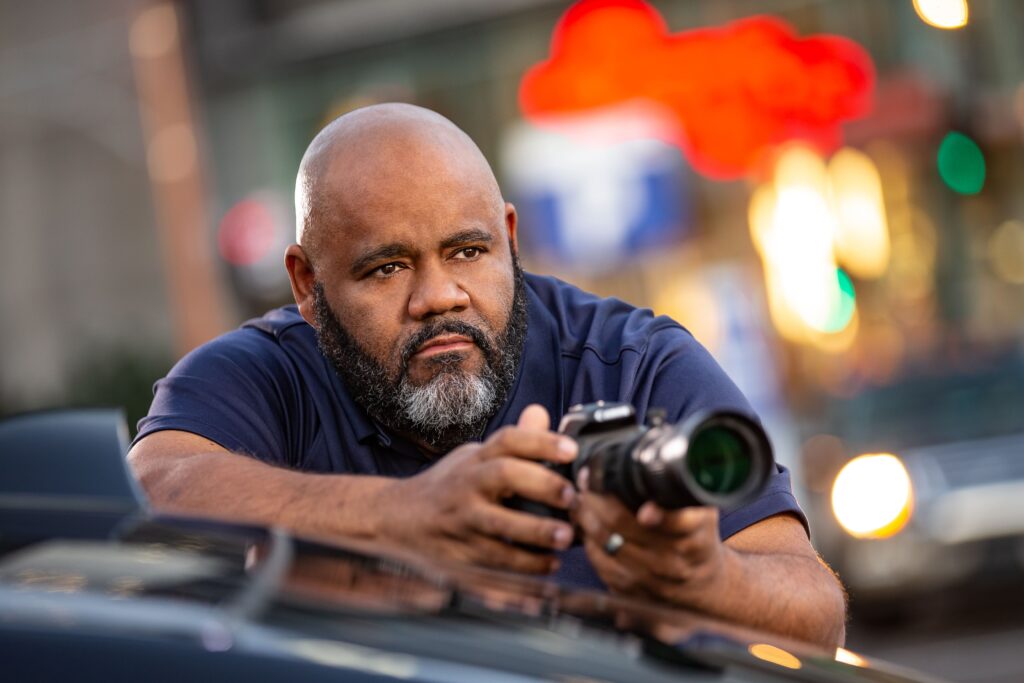
The investigative landscape is constantly evolving with new technologies and legal frameworks. A commitment to continuous learning, adapting to new tools, and understanding emerging trends in areas like cybersecurity and digital forensics will ensure long-term success. By diligently following the licensing procedures, honing essential skills, and committing to professional growth, aspiring investigators can build a rewarding and impactful career in Florida’s private investigation industry.
LifeOutOfTheBox is a participant in the Amazon Services LLC Associates Program, an affiliate advertising program designed to provide a means for sites to earn advertising fees by advertising and linking to Amazon.com. Amazon, the Amazon logo, AmazonSupply, and the AmazonSupply logo are trademarks of Amazon.com, Inc. or its affiliates. As an Amazon Associate we earn affiliate commissions from qualifying purchases.