
Navigating the administrative aspects of relocating can often feel like a complex puzzle, and ensuring your vehicle registration reflects your new address is a crucial piece of that puzzle. For residents of the Sunshine State, keeping your vehicle documentation current with the Florida Department of Highway Safety and Motor Vehicles (FLHSMV) is not just a matter of compliance but also essential for receiving important notices, such as renewal reminders or potential recalls. This guide will walk you through the straightforward process of updating your address on your vehicle registration in Florida, ensuring you remain legally compliant and well-informed.
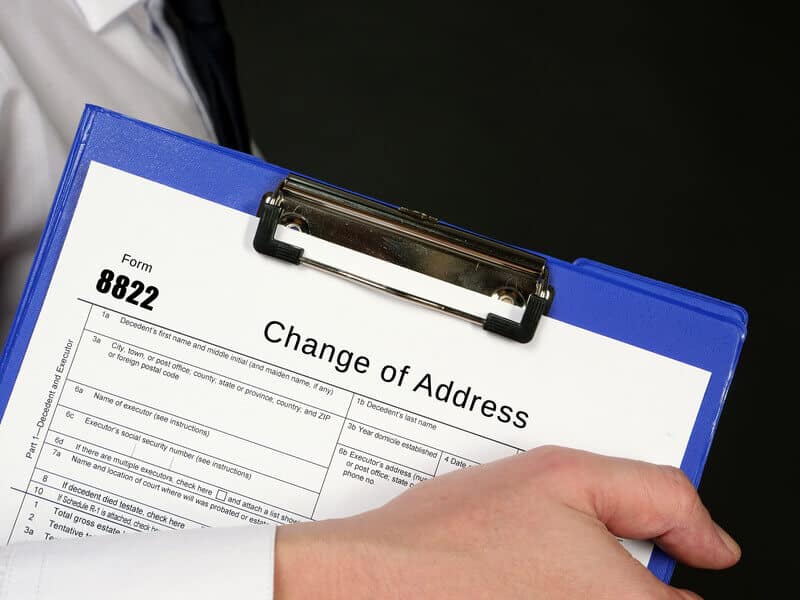
Understanding the Importance of an Updated Address
Your vehicle registration is more than just a permit to drive; it’s a vital link between you, your vehicle, and the state. The address listed on your registration serves as the primary mailing address for all official communications from the FLHSMV. This includes:
- Renewal Notices: Without an updated address, you might miss the notification to renew your registration, potentially leading to driving with an expired tag, which can result in fines and penalties.
- Traffic Citations and Toll Violations: If you accrue a traffic ticket or a toll violation, the notice will be sent to the address on file. An incorrect address could mean you miss crucial deadlines for payment or contesting the violation.
- Vehicle Recalls and Safety Information: Manufacturers and the state may issue safety recalls or important vehicle information. Having the correct address ensures you receive these critical advisances.
- Insurance Communications: While your insurance company typically has your address, a discrepancy between your registration and insurance could cause complications.
Florida law requires drivers to update their address with the FLHSMV within 30 days of moving. Failure to do so can lead to legal ramifications. Beyond the legal necessity, an updated address offers peace of mind, knowing that official communications will reach you promptly, wherever you are in the state. Whether you’re moving from Miami to Orlando, or from a suburban Tampa residence to a coastal Fort Lauderdale apartment, this process is designed to be accessible.
Methods for Changing Your Vehicle Registration Address
The FLHSMV offers several convenient ways to update your address, catering to different preferences and circumstances. The most common and efficient methods are online, by mail, or in person at a county tax collector’s office.
Online Address Change
The quickest and often most convenient method is to update your address online through the official FLHSMV website. This method is ideal for those who are comfortable with digital transactions and want to complete the process from the comfort of their home.
Steps for Online Address Change:
- Visit the FLHSMV Website: Navigate to the official Florida Department of Highway Safety and Motor Vehicles website. Look for the section dedicated to “Driver Services” or “Vehicle Services.”
- Locate the Address Change Portal: The FLHSMV provides a specific online portal for address changes. This is typically found under sections like “Online Services,” “Change of Address,” or “Update My Information.”
- Provide Required Information: You will need to enter specific details to verify your identity and your vehicle(s). This usually includes:
- Your Driver License Number (or Florida ID Card Number)
- Your Date of Birth
- Your Current Address (as listed on your registration)
- Your New Address
- Vehicle information such as your license plate number or VIN.
- Review and Confirm: Carefully review all the information you have entered to ensure accuracy. A single typo can lead to continued issues.
- Submit Your Request: Once confirmed, submit your request. You should receive a confirmation email or a confirmation number, which serves as proof of your update.
Important Considerations for Online Changes:
- Driver License vs. Registration: It’s crucial to understand that changing your address online often updates both your driver’s license and vehicle registration simultaneously. However, always double-check the confirmation details to ensure both have been updated.
- Timing: While online changes are usually processed quickly, it’s best to make the change as soon as you establish residency in your new location.
- No Fee: Typically, there is no fee associated with changing your address online.
Changing Address by Mail
For those who prefer a paper-based approach or lack consistent internet access, changing your address by mail is a viable option. This method requires a bit more patience due to mail transit times and processing.
Steps for Changing Address by Mail:
- Obtain the Correct Form: Download the “Change of Address” form (Form HSMV 73707) from the FLHSMV website. Alternatively, you can request this form by calling the FLHSMV or visiting a local county tax collector’s office.
- Complete the Form: Fill out the form accurately and legibly. Ensure you provide all requested information, including your current and new address, driver license number, and details about your registered vehicles.
- Include Necessary Documentation: Depending on the specific requirements, you might need to include a copy of supporting documents, such as a utility bill or lease agreement showing your new address. Refer to the form instructions for any such requirements.
- Mail the Form: Send the completed form and any required attachments to the address specified on the form. This is usually directed to the FLHSMV’s central office.
Important Considerations for Mail Changes:
- Processing Time: Allow ample time for mail delivery and processing. It can take several weeks for your address to be updated in the system.
- Tracking: Consider sending the form via certified mail if you want a record of delivery.
- Form Availability: Ensure you are using the most current version of the form, as these can be updated periodically.

Changing Address In Person
Visiting your local county tax collector’s office is another direct and effective way to update your vehicle registration address. This method allows for immediate interaction and the ability to ask questions face-to-face.
Steps for Changing Address In Person:
- Locate Your Local Tax Collector’s Office: Find the tax collector’s office serving your new county of residence. Many counties have multiple branches for convenience.
- Gather Required Documents: You will need to bring:
- Your Florida Driver License or ID Card.
- Proof of your new address. Acceptable documents typically include a utility bill, lease agreement, mortgage statement, or a sworn affidavit of address. Ensure the document is recent (usually within the last 60 days).
- Your current vehicle registration certificate(s).
- Visit the Office: Go to the tax collector’s office during their operating hours. Be prepared for potential wait times.
- Complete the Transaction: Inform the clerk that you wish to change your address for your vehicle registration. They will guide you through the process, which may involve filling out a short form or simply updating the information in their system.
Important Considerations for In-Person Changes:
- Efficiency: This method is often efficient, as updates can be made in real-time.
- Multiple Vehicles: If you have multiple vehicles registered, ensure you have the registration for each one or can provide the necessary details.
- County Variations: While the process is standardized, some minor procedural differences might exist between counties. It’s always a good idea to check the specific county tax collector’s website for any unique requirements.
What to Expect After Changing Your Address
Once your address change has been processed, whether online, by mail, or in person, you should expect the following:
- Updated Records: Your information in the FLHSMV database will be updated to reflect your new address.
- New Driver License/ID (Optional): While changing your address on your registration typically updates your records, it does not automatically send you a new physical driver’s license or ID card with the updated address. If you wish to have a new license or ID card with your new address printed on it, you will need to apply for a duplicate or replacement, which usually involves a fee and a visit to a driver license service center.
- Confirmation: Depending on the method used, you might receive a confirmation email or a confirmation number. It’s wise to keep this for your records.
- Future Mailings: All future official communications from the FLHSMV, including renewal notices and other advisories, will be sent to your new address.
It is essential to ensure that your new address is correctly entered into the system to avoid any communication breakdowns with state authorities. If you notice any discrepancies or have not received confirmation within a reasonable timeframe, it’s advisable to contact the FLHSMV or your local county tax collector’s office to verify the status of your address change.
Maintaining Compliance: Beyond the Address Change
While updating your address is a critical step, maintaining legal compliance with your vehicle registration involves several other important aspects.
Vehicle Registration Renewal
The most frequent interaction you’ll have with your vehicle registration is its renewal. Florida vehicle registrations are typically valid for either one or two years and expire on the owner’s birthday. As mentioned, ensuring your address is current is vital for receiving renewal notices, which are usually mailed out approximately 60 days before the expiration date. You can renew your registration online, by mail, or in person.
Insurance Requirements
Florida law mandates that all registered vehicles must have continuous Requisition for Insurance Coverage. This means you must maintain at least the minimum required liability coverage. If you move to a new county or city within Florida, your insurance provider might adjust your premium based on factors like local traffic density or crime rates. It’s a good practice to inform your insurance company of your address change promptly as well, to ensure your policy remains accurate and you are receiving any potential discounts applicable to your new location.
Vehicle Title
While changing your address on the registration doesn’t require an update on your vehicle’s title immediately, if you are also changing your legal residency to a new state, you will need to title and register your vehicle in that new state. The title is the legal document proving ownership of your vehicle. If you sell your vehicle or have a lienholder, they will also be listed on the title.
Driver License and Identification Cards
As noted, the address change on your vehicle registration does not automatically update your physical driver’s license or state ID card. To get a new card with your updated address, you must apply for a replacement license or ID card. This process can usually be completed online, by mail, or in person at a driver license service center and typically involves a fee.
By staying informed and proactive about these administrative tasks, you can ensure a smooth and compliant driving experience throughout your time in Florida. The process of changing your address on your vehicle registration is designed to be manageable, and with the information provided, you can confidently navigate this necessary administrative step.
LifeOutOfTheBox is a participant in the Amazon Services LLC Associates Program, an affiliate advertising program designed to provide a means for sites to earn advertising fees by advertising and linking to Amazon.com. Amazon, the Amazon logo, AmazonSupply, and the AmazonSupply logo are trademarks of Amazon.com, Inc. or its affiliates. As an Amazon Associate we earn affiliate commissions from qualifying purchases.