
Understanding and verifying your homestead exemption status in Florida is a crucial step for any homeowner looking to benefit from property tax relief. This guide will walk you through the process, offering clear instructions and insights into this vital aspect of Florida property ownership.
Understanding Florida Homestead Exemption
Florida’s homestead exemption is a property tax benefit designed to reduce the tax burden on primary residences. It allows homeowners to exempt a portion of their home’s assessed value from property taxes, and it also provides a “portability” feature, allowing homeowners to transfer up to $5,000 of their previously assessed homestead exemption value to a new homestead property if their previous home was destroyed by a natural disaster.
Eligibility Requirements
To qualify for the Florida homestead exemption, you must meet several criteria:
- Primary Residence: The property must be your permanent home. You cannot claim homestead exemption on multiple properties.
- Ownership: You must own the property on January 1st of the tax year for which you are applying.
- Residency: You must have resided in Florida for at least six months prior to filing your application.
- Intent to Remain: You must intend to permanently reside in Florida.
Types of Homestead Exemptions
Florida offers several types of homestead exemptions beyond the basic one:
- General Homestead Exemption: This is the standard exemption that reduces your property’s assessed value by up to $25,000 for tax purposes.
- Additional Homestead Exemption for Seniors: Homeowners aged 65 and older whose annual household income does not exceed a certain threshold (adjusted annually) may qualify for an additional exemption of up to $50,000. This exemption applies only to taxes levied by county and district school boards.
- Exemptions for Specific Groups: Florida also offers exemptions for individuals with disabilities, veterans who are 100% disabled, surviving spouses, and individuals who are legally blind. These exemptions often provide a full or partial exemption from all property taxes.
Why Verify Your Status?
Verifying your homestead exemption status is essential for several reasons:
- Ensuring Benefits: It confirms that you are indeed receiving the tax relief you are entitled to.
- Accuracy: It ensures that the information on your property tax bill is accurate and up-to-date.
- Preventing Issues: It helps prevent potential issues or penalties that could arise from incorrect exemption claims, especially if you’ve recently purchased a property or experienced life changes.
- Transferability: If you’ve moved or had to rebuild after a natural disaster, verifying your status is critical to ensure any transferable exemption is properly applied to your new or rebuilt home.
How to Check Your Homestead Exemption Status in Florida
There are several straightforward methods to check your Florida homestead exemption status. The most common and efficient ways involve interacting with your local property appraiser’s office.
Method 1: Online Through Your County Property Appraiser’s Website
Most Florida counties provide online access to property records, including homestead exemption information. This is often the quickest and most convenient method.
Steps:
- Identify Your County Property Appraiser: The first step is to know which county your property is located in. For example, if you own a home in Miami-Dade County, you would visit the Miami-Dade County Property Appraiser website. Similarly, if your property is in Orange County, you would go to the Orange County Property Appraiser site.
- Navigate to the Property Search: Look for a link or section on the website labeled “Property Search,” “Parcel Search,” “Property Information,” or similar.
- Enter Property Information: You will typically be able to search by:
- Property Address: Enter the street address of your home.
- Parcel ID (or Folio Number): This is a unique identifier for your property, usually found on your property tax bill or deed.
- Owner’s Name: Sometimes you can search by the owner’s last name.
- Locate Your Property Record: Once you enter the search criteria, a list of matching properties may appear. Select your property from the results.
- Review Property Details: The property record page will display a wealth of information, including ownership details, property characteristics, assessed values, and tax information. Look for a section specifically detailing “Exemptions” or “Homestead Exemption.”
- Check Exemption Status: This section should clearly indicate whether a homestead exemption is applied, the type of exemption, and potentially the amount of assessed value exempted. It should also state the date the exemption was granted.
Tip: Keep your Parcel ID handy, as it’s often the most direct way to access your property information online.
Method 2: By Phone or In Person at Your County Property Appraiser’s Office
If you prefer a more direct interaction or are having trouble with the online portal, you can contact your local property appraiser’s office directly.
Steps:
- Find Contact Information: Visit your county property appraiser’s official website to find their phone number and physical address.
- Prepare Your Information: Before calling or visiting, have your Property ID (Folio Number) or property address readily available. You may also be asked for identifying information related to the property owner.
- Inquire About Your Status: Clearly state that you wish to check the status of your homestead exemption. The staff will be able to look up your property record and provide you with the necessary details over the phone or in person.
Note: When visiting in person, it’s advisable to check the office’s operating hours and any specific requirements for visits.
Method 3: Reviewing Your Property Tax Bill
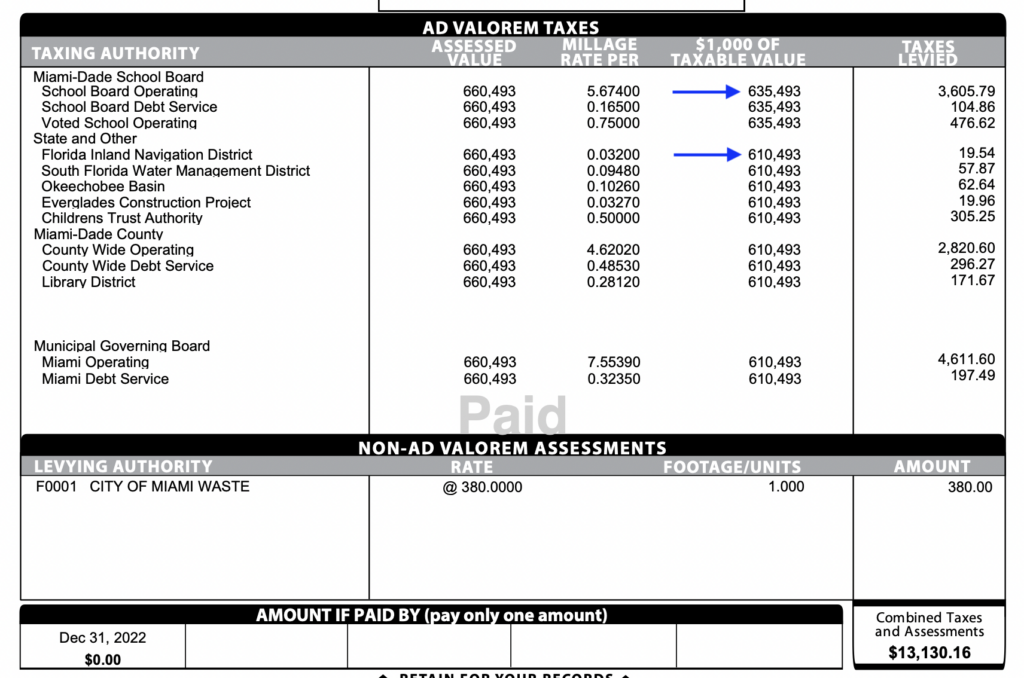
Your annual property tax bill is a key document that reflects your homestead exemption status. While it doesn’t allow you to “check” in real-time, it serves as a confirmation of the exemption applied for the current tax year.
Key Information on Your Tax Bill:
- Exemptions Section: Look for a dedicated section that lists all applied exemptions. Your homestead exemption, and any additional exemptions you qualify for, should be clearly itemized here.
- Assessed Value vs. Just Value: The bill will typically show the “Just Value” (market value) and the “Assessed Value.” The difference between these two values, up to the statutory limits, is often due to the homestead exemption.
- Taxable Value: This is the value after all exemptions have been applied, and it’s the basis for calculating your tax liability.
Important: If you believe there’s a discrepancy between your understanding of your homestead exemption and what appears on your tax bill, it’s crucial to follow up with the property appraiser’s office promptly.
Common Issues and How to Address Them
Even with clear processes, homeowners can encounter issues regarding their homestead exemption status.
Application Deadline Missed
The deadline to apply for homestead exemption for a given tax year is typically March 1st. If you purchased a property and qualified before January 1st of the following year but missed the application deadline, you will have to wait until the next tax year to apply. However, if you owned the property and qualified, but failed to apply by the deadline, you may have a limited window to apply retroactively or appeal the decision. Contact your property appraiser’s office immediately to understand your options.
Change of Residency
If you move and establish a new primary residence in Florida, you must file for homestead exemption on your new home. You should also ensure that any previous homestead exemption on a former property is properly removed or updated, especially if you sold the property. Failure to do so could lead to tax implications.
Property Destruction or Natural Disaster
In cases where a homestead property is destroyed by a natural disaster, Florida law allows homeowners to transfer their existing homestead exemption to a new homestead property if they purchase or rebuild within a certain timeframe. You will need to file a new homestead application for the new property and may need to provide documentation related to the destruction of the previous home. Contacting the property appraiser’s office as soon as possible is vital to navigate this process correctly.
Incorrect Information on Record
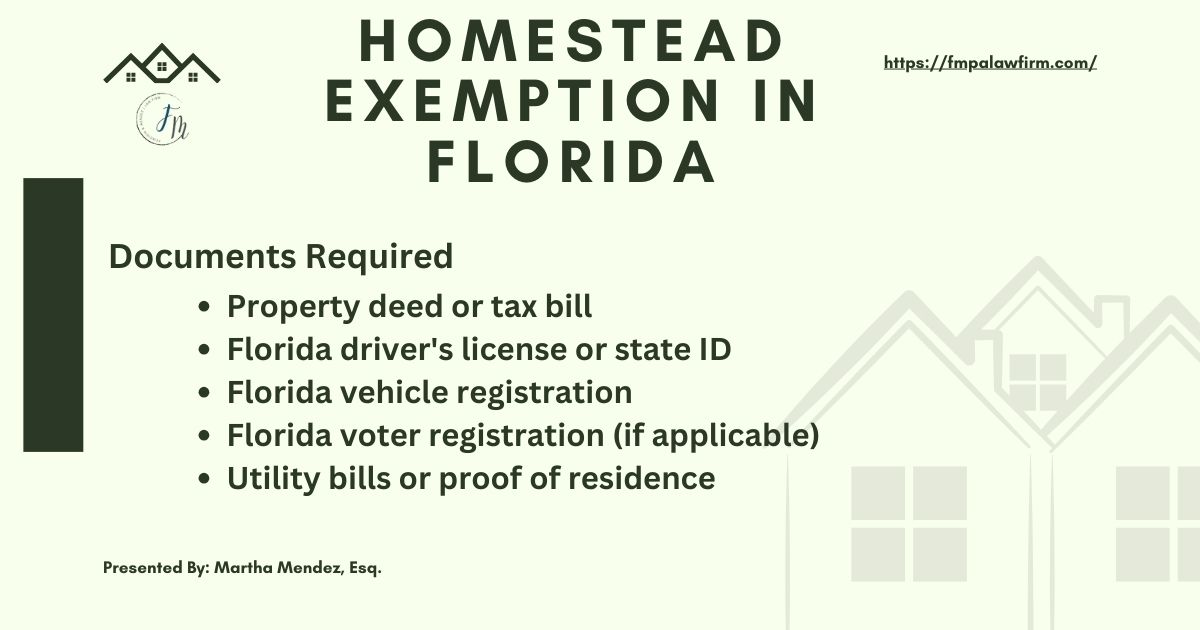
Sometimes, errors can occur in the property appraiser’s records, leading to an incorrect homestead exemption status. This could be a clerical error or a misunderstanding of your residency. If you find incorrect information, contact the property appraiser’s office immediately with any supporting documentation (e.g., driver’s license showing your new address, voter registration, utility bills) to correct the record.
Proactive Steps for Homeowners
Being proactive can save you time and potential headaches regarding your homestead exemption.
Annual Review
While not strictly mandatory, it’s a good practice to briefly review your property tax bill each year to confirm your homestead exemption is still active and accurately reflected. This is especially important if you’ve made significant life changes, such as a change in marital status or if you are nearing the age where you might qualify for senior exemptions.
Understanding Portability
Florida’s Save Our Homes amendment also allows for “portability” of the homestead assessment limitation. This means that if you sell your homestead property and purchase a new one, you can transfer the accumulated benefit of the Save Our Homes assessment limitation (the difference between just value and assessed value) to your new homestead, up to the value of your new home. To utilize this, you must file for homestead exemption on your new property. The property appraiser’s office can explain the specifics of how this works and what documentation is required.

Keeping Records
Maintain copies of your homestead exemption application, any correspondence with the property appraiser’s office, and your property tax bills. These records can be invaluable if you ever need to verify your status or resolve any discrepancies.
By understanding the requirements, knowing where to look for your status, and taking proactive steps, Florida homeowners can ensure they are benefiting from this significant property tax relief.
LifeOutOfTheBox is a participant in the Amazon Services LLC Associates Program, an affiliate advertising program designed to provide a means for sites to earn advertising fees by advertising and linking to Amazon.com. Amazon, the Amazon logo, AmazonSupply, and the AmazonSupply logo are trademarks of Amazon.com, Inc. or its affiliates. As an Amazon Associate we earn affiliate commissions from qualifying purchases.