
Chapter 7 bankruptcy, often referred to as liquidation bankruptcy, offers a fresh financial start for individuals and couples in [Florida] who are overwhelmed by debt. It is a powerful legal process designed to discharge many types of unsecured debts, allowing filers to move forward with their lives unburdened. Navigating the complexities of filing Chapter 7 can seem daunting, but understanding the process, eligibility requirements, and key steps involved can make it manageable. This guide aims to demystify Chapter 7 bankruptcy in the Sunshine State, providing insights for residents seeking relief.
Understanding Chapter 7 Bankruptcy in Florida
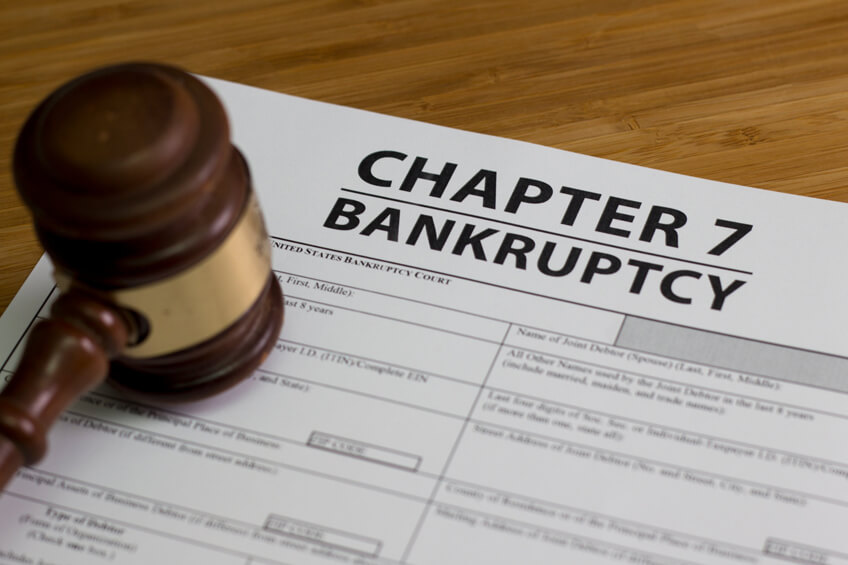
Chapter 7 bankruptcy is a federal legal procedure administered by the U.S. Bankruptcy Court. Its primary purpose is to allow debtors to eliminate certain debts by liquidating non-exempt assets. A trustee is appointed to oversee the process, selling any non-exempt property to repay creditors. However, a significant portion of assets in [Florida] are protected by state and federal exemptions, meaning most filers are able to keep their essential possessions, including their home and vehicle, provided they meet certain criteria.
The most common debts discharged in Chapter 7 include:
- Credit card debt
- Medical bills
- Personal loans
- Payday loans
- Most civil judgments
Certain debts are generally not dischargeable, such as most student loans, child support, alimony, recent taxes, and debts incurred through fraud.
Eligibility Requirements
To qualify for Chapter 7 in [Florida], debtors must pass the “means test.” This test evaluates a filer’s income over the past six months against the median income for a household of similar size in [Florida].
- Income Below the Median: If your income is below the state median, you generally qualify for Chapter 7.
- Income Above the Median: If your income exceeds the state median, you will need to demonstrate that you cannot afford to repay a significant portion of your debts through a Chapter 13 repayment plan. This involves analyzing your disposable income after accounting for essential living expenses and certain secured debt payments.
In addition to the means test, filers must also complete a credit counseling course from an approved agency within 180 days before filing their petition. This course aims to educate individuals about credit, budgeting, and the consequences of bankruptcy.
The Role of Exemptions
[Florida] offers generous exemptions that protect a significant amount of property. Understanding these exemptions is crucial to determining what assets you can keep.- Homestead Exemption: [Florida] has one of the strongest homestead exemptions in the nation. It protects unlimited equity in your primary residence, provided it is at least one-half acre within a municipality or up to 160 acres outside a municipality. This exemption is a significant benefit for homeowners in [Florida].
- Personal Property Exemptions: [Florida] law also provides exemptions for various personal belongings, including:
- Up to $1,000 in equity in a motor vehicle.
- Wages earned within 90 days of filing if necessary for the support of your dependents.
- Clothing, musical instruments, and personal or household goods up to $1,000 per item and $10,000 in total.
- Professionally prescribed health aids.
- A certain amount of equity in retirement accounts.
It’s important to note that if you do not own a home or have significant equity in one, [Florida] also offers a “wildcard” exemption that can be applied to any personal property up to $4,000, plus an additional $1,000 for any type of property.
The Chapter 7 Filing Process in Florida
Filing for Chapter 7 bankruptcy involves a series of structured steps, from initial preparation to the final discharge of debts. Adhering to these steps meticulously is essential for a successful outcome.
Step 1: Credit Counseling
As mentioned, the first mandatory step is to complete a credit counseling course from an approved agency. This course provides valuable information about managing finances and alternatives to bankruptcy. Upon completion, you will receive a certificate, which must be filed with the bankruptcy court.
Step 2: Gathering Financial Information
Thoroughly gathering all your financial documents is paramount. This includes:
- Income Records: Pay stubs, tax returns (federal and state) for the past two years, and any other proof of income.
- Debt Information: Statements for all credit cards, loans (mortgages, auto loans, personal loans), medical bills, and any judgments against you. Include account numbers, balances, and creditor names and addresses.
- Asset Information: Deeds to your home, vehicle titles, bank statements, investment account statements, and lists of valuable personal property.
- Expense Records: Documentation of your monthly living expenses, including rent or mortgage payments, utilities, food, transportation, insurance, and child care.
Accurate and comprehensive information is vital for completing the bankruptcy petition and schedules correctly.
Step 3: Completing the Bankruptcy Petition and Schedules
This is the core of your bankruptcy filing. You will complete a series of forms (the Petition, Schedules A-J, Statement of Financial Affairs, etc.) that provide a detailed picture of your financial situation to the court and the trustee. These forms require precise information about your income, expenses, assets, liabilities, and financial history. Errors or omissions can lead to delays or even dismissal of your case.
Step 4: Filing the Petition with the Court
Once the petition and all supporting schedules are complete, they are filed electronically with the U.S. Bankruptcy Court for the relevant district in [Florida]. You will also need to pay the filing fee at this time, or you may apply for a waiver or installment payment plan if you are unable to afford it. Upon filing, an “automatic stay” goes into effect, which immediately halts most collection actions from creditors, including lawsuits, wage garnishments, and harassing phone calls.
Step 5: The Meeting of Creditors (341 Meeting)
Approximately 30-45 days after filing, you will be required to attend a meeting of creditors, also known as a “341 meeting,” presided over by the bankruptcy trustee. This meeting is typically brief and held in a non-adversarial setting. The trustee will review your petition and ask you questions under oath to verify the accuracy of the information provided. Creditors have the right to attend and ask questions, but they rarely do in Chapter 7 cases unless they have a specific concern about a particular debt.
Step 6: Financial Management Course
After filing your petition and before your debts can be discharged, you must complete a debtor education course (also known as a financial management course) from an approved provider. This course focuses on post-bankruptcy financial planning and rebuilding credit. Similar to the credit counseling course, you will receive a certificate of completion that must be filed with the court.
Step 7: Trustee’s Review and Asset Liquidation (If Applicable)
The trustee will review your filed documents and investigate your assets and finances. If you have non-exempt assets, the trustee will take possession of them, sell them, and distribute the proceeds to your creditors according to bankruptcy law priorities. However, due to [Florida]’s strong exemption laws, most Chapter 7 filers are able to retain all their property.
Step 8: Discharge of Debts
If there are no objections from creditors or the trustee, and you have fulfilled all the requirements of the bankruptcy process, the court will issue an Order of Discharge. This order legally releases you from personal liability for your dischargeable debts. The entire Chapter 7 process, from filing to discharge, typically takes about 4-6 months.
Common Challenges and Considerations
While Chapter 7 offers a path to financial freedom, potential filers should be aware of common challenges and crucial considerations to ensure a smooth process.
Non-Dischargeable Debts
It is critical to understand which debts cannot be discharged through Chapter 7. These typically include:
- Most student loans
- Child support and alimony obligations
- Debts incurred through fraud, false pretenses, or willful and malicious injury
- Certain taxes, including income taxes from the past three years and taxes for which you filed a fraudulent return or willfully attempted to evade
- Fines and penalties owed to government agencies
Accurate identification of these debts is essential for managing expectations and planning appropriately.
The Means Test and Income Fluctuation
The means test can be complex, especially for individuals whose income fluctuates. It is calculated based on average income over the six months prior to filing. If your income has recently increased, it might impact your eligibility. Conversely, if your income has decreased, it might make Chapter 7 more accessible. Consulting with a qualified attorney can help accurately assess your situation.
Joint Filings
Married couples in [Florida] can file for Chapter 7 bankruptcy jointly. This means both spouses file a single petition together, consolidating their debts and assets. This can be a simpler and more cost-effective approach than filing individual cases, provided both spouses have debts to discharge and meet the eligibility criteria. However, if only one spouse has significant debt, or if their financial situations are very different, separate filings might be considered.
Rebuilding Credit After Bankruptcy
Filing for Chapter 7 will significantly impact your credit score. However, it is not the end of your credit life. It is a crucial step towards rebuilding.
- Time: It takes time. You will likely need to focus on responsible financial habits.
- Secured Credit Cards: Consider obtaining a secured credit card, where you deposit funds upfront as collateral. This is an excellent way to start re-establishing a positive payment history.
- Credit-Builder Loans: Some financial institutions offer credit-builder loans designed specifically to help individuals improve their credit scores.
- Monitoring Your Credit: Regularly check your credit reports from the three major credit bureaus (Equifax, Experian, and TransUnion) to ensure accuracy and track your progress.

The Importance of Legal Counsel
While it is possible to file Chapter 7 bankruptcy without an attorney, the process is intricate and fraught with potential pitfalls. Mistakes in paperwork, misunderstanding exemptions, or failing to meet deadlines can lead to the dismissal of your case, leaving you still burdened by debt and potentially in a worse financial position.
An experienced bankruptcy attorney in [Florida] can:
- Accurately assess your eligibility and advise on the best course of action.
- Explain [Florida]’s complex exemption laws and help you maximize the assets you can keep.
- Ensure all paperwork is correctly prepared and filed, avoiding costly errors.
- Represent you in court and during the meeting of creditors.
- Guide you through the entire process, offering peace of mind and a higher likelihood of a successful discharge.
Navigating Chapter 7 bankruptcy in [Florida] is a significant undertaking, but with proper preparation, understanding, and often, professional guidance, it can serve as a vital tool for achieving financial recovery and a new beginning.
LifeOutOfTheBox is a participant in the Amazon Services LLC Associates Program, an affiliate advertising program designed to provide a means for sites to earn advertising fees by advertising and linking to Amazon.com. Amazon, the Amazon logo, AmazonSupply, and the AmazonSupply logo are trademarks of Amazon.com, Inc. or its affiliates. As an Amazon Associate we earn affiliate commissions from qualifying purchases.