
Navigating the legal landscape of personal safety can be a daunting prospect, especially when facing difficult circumstances. For residents of Florida, understanding the process for obtaining an Order of Protection is crucial. These legal documents offer a vital layer of security by prohibiting an abuser from contacting or harming the petitioner. This guide will delve into the essential steps involved in filing for an Order of Protection in Florida, empowering individuals with the knowledge to seek this critical legal recourse.
Understanding Orders of Protection in Florida
In Florida, Orders of Protection are legally binding court orders designed to shield individuals from domestic violence, stalking, or repeated harassment. There are primarily two types of such orders available: the Order for Protection Against Domestic Violence and the Order for Protection Against Stalking.

Types of Orders of Protection
Order for Protection Against Domestic Violence
This order is intended for victims of dating violence, sexual violence, or domestic violence. The perpetrator must have a close relationship with the victim, such as being a spouse, former spouse, relative by blood or marriage, or someone with whom the victim shares a child. Acts of domestic violence include assault, battery, sexual assault, or the threat of any of these.
Order for Protection Against Stalking
This order is for individuals who are being subjected to a pattern of conduct that causes substantial emotional distress or fear of physical harm. This pattern of conduct must include repeated, willful following,Harassing, or cyberstalking. The parties do not necessarily need to have a pre-existing relationship for this type of order.
Key Terminology
- Petitioner: The person seeking the Order of Protection.
- Respondent: The person against whom the Order of Protection is sought.
- Abuse: In the context of domestic violence, this includes physical violence, threats of violence, sexual assault, or any act that causes or is reasonably calculated to cause bodily harm or death.
- Stalking: A pattern of conduct directed at a specific person that causes substantial emotional distress or fear of physical harm. This can include following, surveilling, or harassing.
- Harassment: A course of conduct directed at a specific person that causes substantial emotional distress and serves no legitimate purpose.
The Filing Process: Step-by-Step
Initiating the process to obtain an Order of Protection involves several distinct stages, each requiring careful attention to detail. While the specific forms and procedures can vary slightly by county within Florida, the general framework remains consistent.
Step 1: Obtain the Necessary Forms
The first step is to acquire the correct application forms. These are typically available through the Clerk of Court’s office in the county where the petitioner resides or where the abuse or stalking occurred. Many Florida counties also make these forms available for download on their court websites. It is crucial to obtain the correct set of forms for the specific type of order you are seeking (domestic violence or stalking).
Step 2: Complete the Petition
The petition is the core document where you will detail the reasons why you are seeking an Order of Protection. It is vital to be thorough, accurate, and factual.
Key Information to Include in the Petition:
- Personal Information: Your name, address, date of birth, and contact information. The Respondent’s name, address (if known), date of birth (if known), and any identifying characteristics.
- Relationship to Respondent: Clearly outline your relationship with the Respondent. For domestic violence, this means detailing if they are a spouse, ex-spouse, family member, or someone with whom you share a child. For stalking, it involves explaining how you know them or how the stalking behavior began.
- Detailed Account of Abuse or Stalking: This is the most critical part of the petition. You must provide specific dates, times, locations, and descriptions of the incidents of abuse or stalking. Be as precise as possible. Include any threats made, physical actions taken, or patterns of behavior that caused you fear or distress.
- Evidence: While you may not be able to submit all evidence at this initial stage, you should mention any evidence you possess, such as photos of injuries, police reports, threatening messages, voicemails, or witness information.
- Requested Relief: Clearly state what you are asking the court to order. This typically includes a no-contact provision, an order for the Respondent to stay away from your home, work, and school, and potentially other provisions like temporary custody of children or exclusive use of a shared residence.
Important Considerations While Completing the Petition:
- Be Truthful and Factual: Only include information that is true and that you can substantiate. False statements can have serious legal consequences.
- Be Specific: Vague allegations are less persuasive than detailed accounts.
- Use Clear Language: Avoid legal jargon. Write in a straightforward manner that the judge can easily understand.
- Keep a Copy: Make a copy of the completed petition for your records before filing.
Step 3: Filing the Petition with the Court
Once the petition is completed, you will file it with the Clerk of Court in the appropriate county. There is typically no filing fee for petitions seeking Orders of Protection against domestic violence. For stalking petitions, there may be a nominal filing fee, though waivers are often available for those who cannot afford to pay.
Step 4: The Ex Parte Hearing
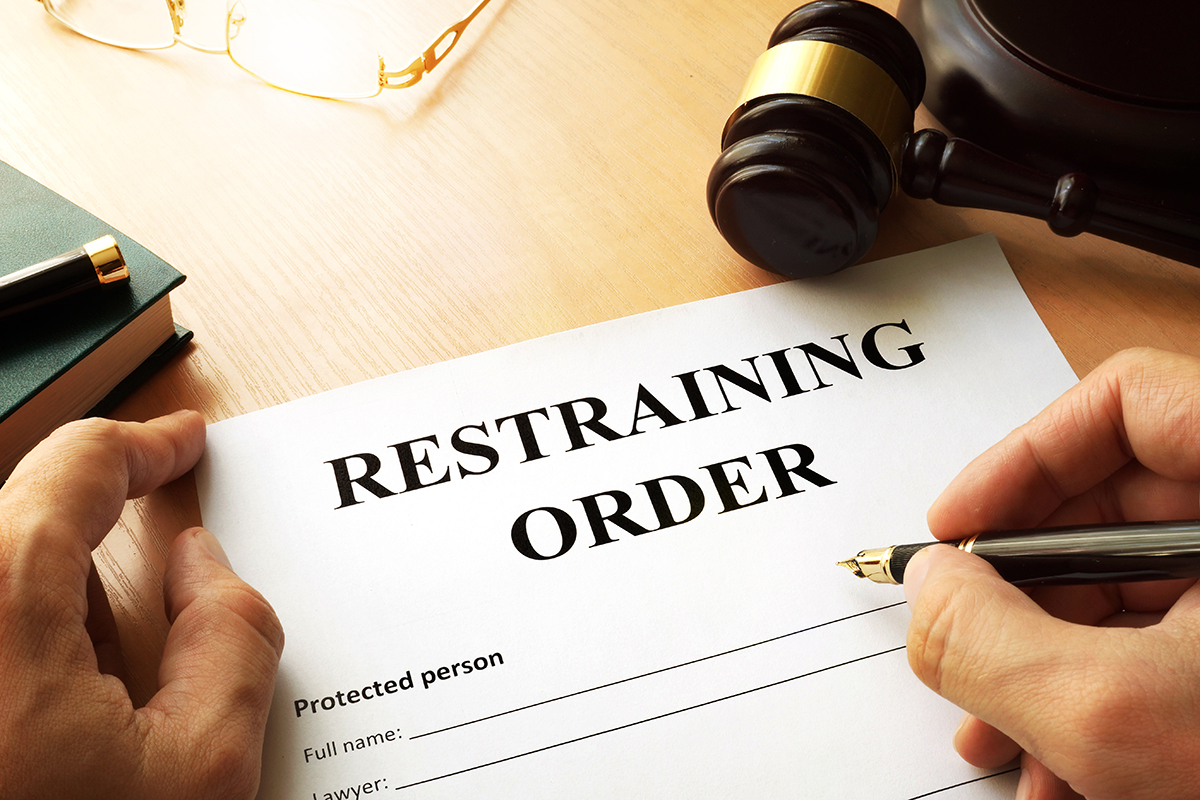
After filing, a judge will review your petition. In cases of immediate danger, the court may grant an “ex parte” Order of Protection. This means the judge will make a decision based solely on your petition, without the Respondent being present or notified. This hearing typically occurs within 24 hours of filing. If an ex parte order is granted, it is temporary and will have a specific expiration date.
Step 5: Service of Process
If an ex parte order is granted, or if the judge schedules a full hearing, the Respondent must be formally notified of the petition and the upcoming court date. This legal notification is called “service of process.” Typically, a law enforcement officer will personally deliver the legal documents to the Respondent. It is crucial that the Respondent is properly served for the court to proceed.
Step 6: The Full Hearing
A full evidentiary hearing will be scheduled, at which both the Petitioner and the Respondent have the opportunity to present their case. You will need to attend this hearing and be prepared to testify and present any evidence you have. The Respondent will also have the chance to present their side. The judge will listen to both parties and review the evidence before making a final decision on whether to issue a permanent Order of Protection.
What to Expect at the Full Hearing:
- Testimony: You will likely be asked to testify about the events that led you to seek the Order of Protection.
- Evidence Presentation: You may present photographs, documents, messages, or other evidence.
- Cross-Examination: The Respondent or their attorney may question you, and you may have the opportunity to question the Respondent.
- Legal Representation: While not required, having an attorney can be highly beneficial, especially at this stage. Many organizations offer free or low-cost legal assistance to victims of domestic violence.
Step 7: The Permanent Order of Protection
If the judge finds sufficient evidence that abuse or stalking has occurred, a permanent Order of Protection will be issued. These orders typically last for a period of three years but can be renewed if necessary. The order will outline specific restrictions placed on the Respondent.
What an Order of Protection Can Do
A Florida Order of Protection is a powerful legal tool that can provide significant safety and peace of mind. The specific provisions can vary based on the circumstances, but common aspects include:
- No Contact: The Respondent is prohibited from having any contact with the Petitioner, whether in person, by phone, email, text message, social media, or through a third party.
- Stay Away Orders: The Respondent must remain a specified distance away from the Petitioner’s residence, workplace, and school.
- Possession of Firearm Prohibition: In cases of domestic violence, the Respondent may be prohibited from possessing firearms.
- Temporary Custody: The court may grant temporary custody of minor children to the Petitioner.
- Exclusive Use of Residence: The Petitioner may be granted exclusive use of a shared residence.
- Monetary Relief: In some circumstances, the court may order the Respondent to pay for losses incurred by the Petitioner due to the abuse, such as medical expenses or lost wages.
Seeking Help and Support
The process of obtaining an Order of Protection can be emotionally and practically challenging. Fortunately, numerous resources are available in Florida to assist victims.
Legal Aid and Advocacy Organizations
Many non-profit organizations offer free legal assistance, counseling, and support services to victims of domestic violence and stalking. These organizations can help with understanding the legal process, completing paperwork, and navigating the court system. Contacting a local domestic violence shelter or advocacy group is a critical first step for many seeking protection.
Law Enforcement
If you are in immediate danger, always call 911. Law enforcement can provide immediate protection and assist with filing emergency injunctions in some situations. They also play a crucial role in serving Orders of Protection and enforcing them.
Court Clerks and Self-Help Centers
The Clerk of Court’s office in each Florida county can provide procedural information and assist with obtaining forms. Many courthouses also have Self-Help Centers that offer non-legal assistance and guidance for individuals representing themselves in court.

Conclusion
Obtaining an Order of Protection in Florida is a critical step for individuals seeking safety from abuse or stalking. While the legal process can seem complex, understanding each stage, meticulously completing the necessary documentation, and seeking available support can empower you to secure the protection you deserve. Remember, you are not alone, and legal recourse is available to help ensure your safety and well-being.
LifeOutOfTheBox is a participant in the Amazon Services LLC Associates Program, an affiliate advertising program designed to provide a means for sites to earn advertising fees by advertising and linking to Amazon.com. Amazon, the Amazon logo, AmazonSupply, and the AmazonSupply logo are trademarks of Amazon.com, Inc. or its affiliates. As an Amazon Associate we earn affiliate commissions from qualifying purchases.