
The allure of the Sunshine State extends far beyond its pristine beaches and vibrant theme parks. For many, the true heart of a Florida vacation lies in its abundant waters, teeming with a diverse array of game fish. Whether you dream of wrestling a powerful tarpon off the coast of Tampa Bay or casting a line for speckled trout in the tranquil marshes of the Everglades, a Florida fishing license is your essential passport to this aquatic playground. Navigating the process of obtaining one can seem daunting, but with a clear understanding of the requirements and options, it’s a straightforward step towards an unforgettable angling adventure.
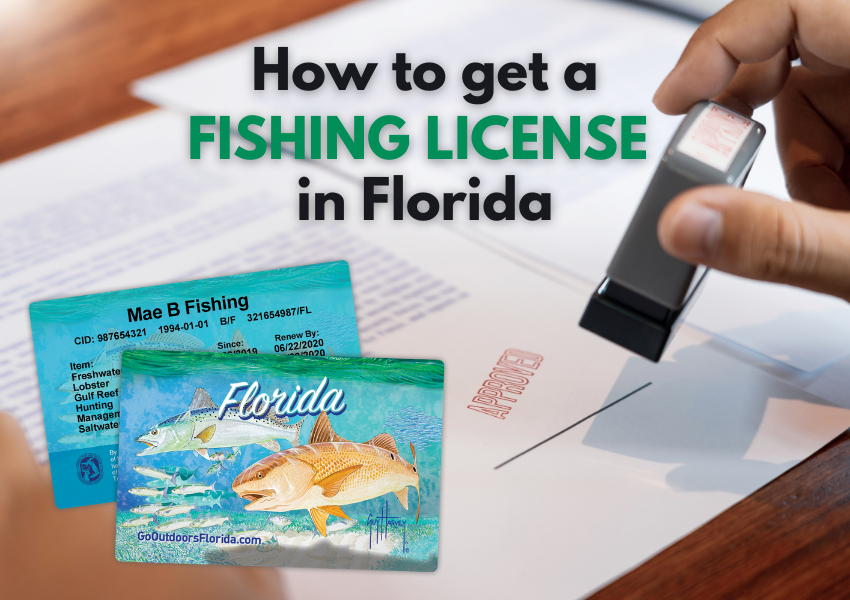
Understanding Florida Fishing License Essentials
Florida’s commitment to conservation and sustainable fishing practices necessitates a licensing system for anglers. These licenses not only fund wildlife management and habitat restoration efforts but also ensure that fishing opportunities remain for generations to come. The Florida Fish and Wildlife Conservation Commission (FWC) oversees all aspects of fishing regulations in the state.
Who Needs a License?
Generally, anyone 16 years of age or older who fishes in Florida waters must possess a valid fishing license. This applies to both saltwater and freshwater fishing. There are, however, a few exceptions to this rule, primarily for those under 16, those fishing on licensed fishing piers, and those participating in specific “License-Free Fishing Days” declared annually by the FWC. It is always prudent to check the latest FWC regulations to confirm your specific requirements.
Types of Licenses Available
The FWC offers a variety of license options tailored to different needs and durations. Understanding these choices will help you select the most cost-effective and convenient license for your trip.
Resident vs. Non-Resident Licenses
The most significant distinction in license types is between residents and non-residents. A Florida resident is defined as someone who has resided in the state for at least six consecutive months prior to purchasing a license. Non-resident licenses are, understandably, more expensive. Proof of residency, such as a Florida driver’s license or voter registration, is typically required when purchasing a resident license.
Freshwater vs. Saltwater Licenses
Florida’s diverse aquatic ecosystems are divided into freshwater and saltwater environments. You will need a specific license for the type of fishing you intend to do.
- Freshwater Fishing License: This permits you to fish in the state’s lakes, rivers, and streams for species like bass, bream, and catfish.
- Saltwater Fishing License: This allows you to fish in the ocean, estuaries, and saltwater canals for species such as redfish, snook, and flounder.
There are also “combination” licenses available that cover both freshwater and saltwater fishing, which can be a good option if your plans involve fishing in both environments.
Duration of Licenses
Licenses are available for various durations to accommodate both short visits and extended stays:
- Annual Licenses: These are valid for one year from the date of purchase, making them ideal for frequent visitors or those planning multiple fishing trips throughout the year.
- Multi-Year Licenses: For residents, the FWC offers multi-year licenses that can save money and hassle for avid anglers.
- Short-Term Licenses: Visitors can opt for licenses valid for 1, 3, 7, or even 20 days, providing flexibility for shorter vacations.
Special Permits and Stamps
In addition to the base fishing license, certain species or fishing methods may require special permits or “stamps.” These are often associated with highly sought-after or regulated game fish.
- Saltwater Fish Management Endorsements: For species like snook, red drum, and tarpon, a specific saltwater fishing stamp or endorsement is required. These fish are subject to strict regulations to ensure their populations remain healthy.
- Florida Key Deer National Wildlife Refuge Stamp: If you plan to fish within the boundaries of the Florida Key Deer National Wildlife Refuge, you may need a specific permit.
- Lobster Permit: Angling for spiny lobster requires a dedicated permit in addition to your regular fishing license.
It is crucial to research the specific fishing regulations for the species you intend to target and the areas you plan to fish to avoid any violations.
Where and How to Purchase Your Florida Fishing License
Obtaining your Florida fishing license is a straightforward process with several convenient options available.
Online Purchase
The most efficient and user-friendly method is to purchase your license directly through the official FWC website. The FWC’s online portal is designed for ease of use, allowing you to select your license type, duration, and any necessary endorsements. You can then print your temporary license immediately and will receive a permanent one by mail. This method is ideal for planning your trip in advance from anywhere in the world.
In Person
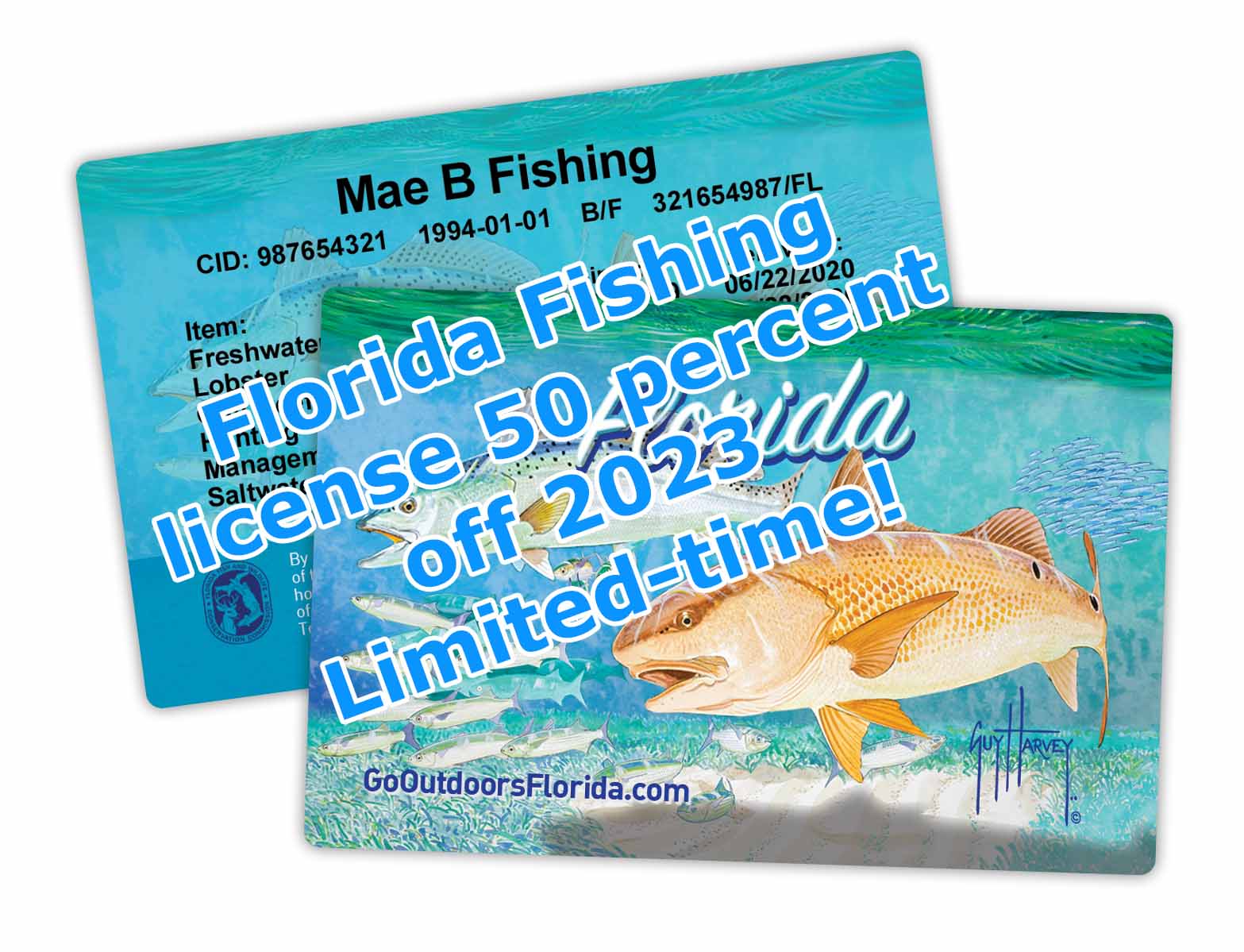
For those who prefer a face-to-face transaction or are purchasing their license upon arrival in Florida, several authorized vendors are available.
- County Tax Collector Offices: These offices are primary agents for the FWC and can issue all types of fishing licenses and permits.
- Licensed Retailers: Many bait and tackle shops, sporting goods stores, and even some general stores throughout Florida are authorized to sell fishing licenses. Look for the FWC “Authorized License Vendor” sign in their windows.
- Fish and Wildlife Conservation Commission Offices: While less common for casual purchase, some FWC regional offices may also assist with license sales.
When purchasing in person, be sure to have your identification ready.
By Phone
You can also obtain a Florida fishing license by calling the FWC’s toll-free number. This option can be convenient if you are experiencing technical difficulties with the online system or prefer speaking to a representative.
Navigating Special Fishing Situations
Beyond the standard licensing, Florida offers specific provisions for certain fishing scenarios and groups.
License-Free Fishing Days
The FWC designates specific “License-Free Fishing Days” each year, typically one weekend in April for freshwater and one weekend in June for saltwater. During these designated periods, both residents and non-residents can fish in Florida without a fishing license. However, all other license requirements, such as those for certain species (e.g., snook, tarpon) and for harvesting marine turtles or manatees, still apply. These days are excellent opportunities for individuals who may only fish occasionally to enjoy the sport without the initial cost of a license.
Military Personnel and Veterans
Florida offers special considerations for active-duty military personnel and veterans.
- Active-Duty Military: Florida residents who are active-duty members of the U.S. armed forces may be eligible for a free freshwater or saltwater fishing license. Proof of residency and military status is required.
- Disabled Veterans: Florida resident veterans with a service-connected disability of 50% or more may be eligible for a free fishing license. Specific documentation from the Department of Veterans Affairs is needed.
These provisions are a way for the state to honor the service and sacrifice of its military members and veterans.
Senior Citizens and Minors
- Senior Citizens: While there isn’t a universally free license for all senior citizens, residents 65 years of age or older are eligible for a discounted annual fishing license.
- Minors: As previously mentioned, individuals under the age of 16 are generally not required to have a fishing license.
Understanding Regulations and Responsibilities
Possessing a valid fishing license is just the first step. Anglers are also responsible for adhering to a complex web of fishing regulations designed to protect Florida’s valuable natural resources.
Bag Limits and Size Restrictions
Every species has specific regulations regarding the number of fish you can keep (bag limit) and their minimum or maximum legal size. These rules are crucial for maintaining healthy fish populations. For example, redfish and snook have strict slot limits, meaning you can only keep fish within a certain size range. Always consult the FWC’s official regulations for the most up-to-date information, as these can change based on scientific assessments.
Seasons and Gear Restrictions
Some popular game fish, like snook and redfish in certain areas, have closed seasons to allow them to spawn and repopulate. Additionally, specific gear restrictions may apply, such as limitations on the type of bait or the number of fishing rods allowed. For instance, spearfishing for certain species may require special permits or be prohibited entirely.
Saltwater vs. Freshwater Boundaries
Distinguishing between saltwater and freshwater environments is critical. Many coastal areas, particularly estuaries and river mouths, can be brackish. These transition zones often have specific rules that may align with either saltwater or freshwater regulations, depending on the salinity levels and the species present. It’s important to be aware of these boundaries when fishing in transitional areas.
Ethical Angling Practices
Beyond legal requirements, embracing ethical angling practices is paramount for preserving Florida’s aquatic ecosystems.
- Catch and Release: For undersized fish, out-of-season species, or simply for the thrill of the sport, practicing responsible catch and release is vital. This involves minimizing the time the fish is out of water, handling it gently, and releasing it promptly.
- Proper Waste Disposal: Never litter. Dispose of fishing line, bait containers, and any other trash properly in designated receptacles. Discarded fishing line can be a significant hazard to marine life.
- Respecting Habitat: Avoid damaging sensitive habitats like coral reefs, seagrass beds, and mangrove roots. Anchor responsibly and be mindful of your surroundings when operating a boat.
By understanding and adhering to these regulations and best practices, you contribute to the long-term health and sustainability of Florida’s incredible fishing opportunities, ensuring that places like Florida Keys National Marine Sanctuary and the waters around Key West remain vibrant for future anglers.
LifeOutOfTheBox is a participant in the Amazon Services LLC Associates Program, an affiliate advertising program designed to provide a means for sites to earn advertising fees by advertising and linking to Amazon.com. Amazon, the Amazon logo, AmazonSupply, and the AmazonSupply logo are trademarks of Amazon.com, Inc. or its affiliates. As an Amazon Associate we earn affiliate commissions from qualifying purchases.