
Navigating the process of obtaining a medical marijuana recommendation in Florida can seem intricate, but with a clear understanding of the requirements and steps involved, it becomes a straightforward endeavor. The state has established a robust Medical Marijuana Use Registry (MMUR) program, governed by the Florida Department of Health, to ensure qualified patients have access to low-THC cannabis and, subsequently, medical marijuana. This guide aims to demystify the journey, from initial eligibility to receiving your official medical marijuana card.
Eligibility Requirements for Florida Medical Marijuana
Before embarking on the application process, it is crucial to ascertain your eligibility. Florida law outlines specific criteria that patients must meet to qualify for medical marijuana use. The primary determinant is the presence of a qualifying medical condition, as defined by the state.
Qualifying Medical Conditions
The Florida Medical Marijuana Legalization Initiative, also known as Amendment 2, expanded the list of debilitating conditions for which a physician may prescribe low-THC cannabis or medical marijuana. These conditions are subject to interpretation and certification by a licensed Florida physician. Common qualifying conditions include, but are not limited to:
- Cancer: Diagnosed terminal or severe, or for which other treatments have been ineffective or caused severe side effects.
- Epilepsy: Chronic seizures that are not adequately controlled by conventional medication.
- Glaucoma: Advanced stages where vision is significantly impaired.
- Multiple Sclerosis (MS): Severe or persistent muscle spasms and pain.
- Parkinson’s Disease: Severe or persistent muscle spasms and pain.
- Amyotrophic Lateral Sclerosis (ALS): Also known as Lou Gehrig’s disease, a progressive neurodegenerative disease.
- Crohn’s Disease: Severe or persistent nausea, vomiting, or pain.
- Post-Traumatic Stress Disorder (PTSD): Diagnosed by a mental health professional.
- Chronic Non-Malignant Pain: Pain that is severe and persistent, and for which other treatments have failed.
- Any other diagnosed terminal illness or condition that is severe and chronic or is debilitating.
It is essential to have documentation supporting your diagnosis from a qualified healthcare provider. This documentation will be vital when consulting with a certified marijuana physician.
The Role of the Certified Marijuana Physician
In Florida, only physicians who have completed the required training and are certified by the Florida Department of Health can recommend medical marijuana. These physicians are registered with the MMUR and are authorized to evaluate patients, determine if they have a qualifying condition, and issue a recommendation if deemed appropriate.
Finding a Certified Physician
Locating a certified physician is a critical step. The Florida Department of Health maintains a searchable database of registered physicians. Many medical marijuana dispensaries also provide resources or recommendations for certified physicians in their local areas. When selecting a physician, consider their experience, specialization, and patient reviews.
The Medical Evaluation
The consultation with the certified marijuana physician will involve a thorough review of your medical history, current conditions, and any existing treatments. You will need to present your medical records and documentation supporting your diagnosis. The physician will assess your condition to determine if it meets the criteria for medical marijuana use under Florida law. If you qualify, the physician will enter your information into the MMUR, which is a prerequisite for obtaining your Medical Marijuana Use Registry Identification Card.
The Application Process for Your Medical Marijuana Card
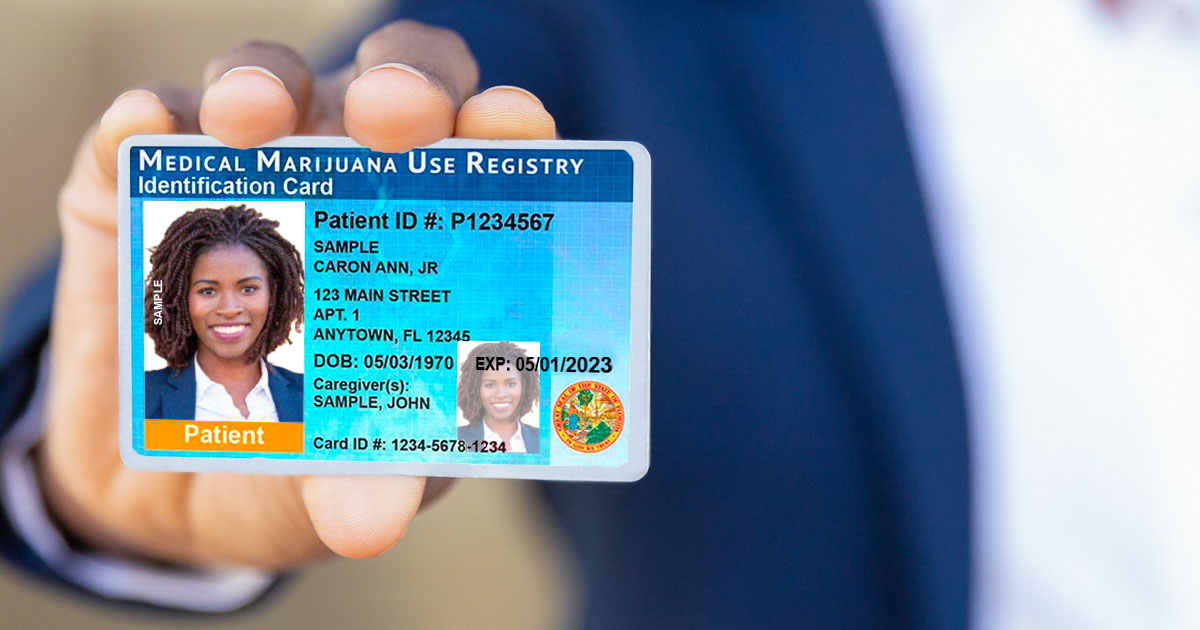
Once a certified physician has evaluated you and determined you qualify, the next phase is the formal application for your Medical Marijuana Use Registry Identification Card. This card is your official authorization to purchase and possess medical marijuana from licensed dispensaries in Florida.
Registration in the Medical Marijuana Use Registry (MMUR)
The certified physician plays a key role in initiating your registration. They will input your essential information into the MMUR. This process confirms that you have been certified by a qualified physician for medical marijuana treatment. It is crucial to ensure the physician you choose is indeed registered and competent in using the MMUR system.
Creating Your Patient Profile
After your physician enters your information, you will typically receive an email or notification with instructions on how to complete your profile within the MMUR system. This usually involves setting up a username and password to access your patient portal. This portal is where you will manage your application and access important information.
Submitting the Application
Within the MMUR patient portal, you will be prompted to complete and submit the official application for your identification card. This typically requires:
- Proof of Florida Residency: This can be a valid Florida driver’s license, state-issued ID card, or other government-issued documentation that establishes your residency.
- A Recent Passport-Style Photograph: The system will often specify the required dimensions and format for the photograph. Ensure it meets the guidelines to avoid application delays.
- Payment of the Application Fee: There is a non-refundable application fee associated with the medical marijuana card. The current fee can be found on the Florida Department of Health website. Payment is usually processed online.
Verification and Approval
Once your application is submitted, it undergoes a review process by the Florida Department of Health. This verification ensures all submitted information is accurate and meets the state’s requirements. The processing time can vary, but typically takes several weeks. You can usually track the status of your application through your MMUR patient portal.
Receiving Your Medical Marijuana Card
Upon approval of your application, your physical Medical Marijuana Use Registry Identification Card will be mailed to the address on file. In the interim, some patients may be able to access a temporary digital version of their card through the MMUR portal, allowing them to make purchases at a dispensary while awaiting the physical card.

Navigating Your First Purchase and Ongoing Compliance
Obtaining your medical marijuana card is a significant milestone, but it is only the beginning of your journey as a qualified patient. Understanding how to make your first purchase and adhering to the ongoing regulations is essential for a safe and legal experience.
Choosing a Licensed Dispensary
Florida has a regulated network of licensed medical marijuana dispensaries. These dispensaries are authorized to cultivate, process, and sell medical marijuana products to registered patients. It is imperative to only purchase from licensed facilities to ensure the legality and quality of your products. Many dispensaries offer a range of product types, including flower, edibles, tinctures, and topicals, often with varying cannabinoid profiles (THC and CBD).
Medical Advice from Dispensary Staff
Dispensary staff, often referred to as “compassion counselors” or “wellness advisors,” are knowledgeable about the products available and can offer guidance on dosages and product selection based on your doctor’s recommendation and your individual needs. However, they are not physicians, and their advice should not supersede that of your certified marijuana physician.
Understanding Purchase Limits and Possession Laws
Florida law sets specific limits on the amount of medical marijuana a qualified patient can purchase and possess. These limits are typically based on a 35-day supply, and the exact quantities can vary depending on the type of product and the physician’s recommendation. It is your responsibility to be aware of and comply with these limits to avoid legal issues.
Renewal and Ongoing Medical Oversight
Your Medical Marijuana Use Registry Identification Card, and your physician’s certification, are not permanent. They have expiration dates, and renewal is necessary to continue accessing medical marijuana legally.
Physician Recertification
You will need to see your certified marijuana physician periodically for recertification. The frequency of these follow-up appointments is determined by your physician, but it is typically every 30 weeks. During these visits, the physician will assess your progress, monitor your condition, and update your recommendation in the MMUR.
Card Renewal
Your Medical Marijuana Use Registry Identification Card also requires renewal. The Florida Department of Health will notify you when your card is nearing expiration. The renewal process typically involves submitting a renewal application, a passport-style photo, and the renewal fee. It is advisable to begin the renewal process well in advance of your card’s expiration date to avoid any lapse in your legal access.
Frequently Asked Questions About Florida Medical Marijuana
The transition to medical marijuana can bring about numerous questions. Here, we address some of the most common inquiries to provide further clarity.
Can I Travel Within Florida with My Medical Marijuana?
Yes, as a registered patient with a valid Medical Marijuana Use Registry Identification Card, you are permitted to possess and use medical marijuana within the state of Florida. However, federal law still classifies marijuana as a Schedule I controlled substance. This means that possessing marijuana is illegal on federal property, such as national parks, monuments, or any area under federal jurisdiction, even if you are in Florida. Be mindful of where you are traveling and consuming.
Can I Grow My Own Medical Marijuana in Florida?
No, under current Florida law, registered medical marijuana patients are not permitted to cultivate their own marijuana. All medical marijuana must be purchased from licensed dispensaries.
What is the Difference Between Low-THC Cannabis and Medical Marijuana in Florida?
Florida law initially distinguished between low-THC cannabis (less than 0.8% THC) and full-strength medical marijuana (more than 0.8% THC). While both can be recommended by certified physicians for qualifying patients, the term “medical marijuana” now generally encompasses both, with the physician determining the appropriate formulation based on the patient’s needs. The MMUR system and dispensaries provide access to a spectrum of products.
How Long Does it Take to Get the Medical Marijuana Card?
The processing time for the Medical Marijuana Use Registry Identification Card can vary. After your physician enters your information into the MMUR, the application review by the Florida Department of Health typically takes several weeks. It is advisable to be patient and monitor your application status online.

What If My Application is Denied?
If your application is denied, the Florida Department of Health will provide a reason for the denial. You may be able to rectify the issue and reapply. If the denial is based on a medical determination, you may need to consult with your physician or seek a second opinion from another certified marijuana physician.
By understanding and following these guidelines, patients can confidently navigate the process of obtaining and utilizing a medical marijuana card in Florida, ensuring access to potential therapeutic benefits in a safe and regulated manner.
LifeOutOfTheBox is a participant in the Amazon Services LLC Associates Program, an affiliate advertising program designed to provide a means for sites to earn advertising fees by advertising and linking to Amazon.com. Amazon, the Amazon logo, AmazonSupply, and the AmazonSupply logo are trademarks of Amazon.com, Inc. or its affiliates. As an Amazon Associate we earn affiliate commissions from qualifying purchases.