
Florida, a state renowned for its sun-drenched beaches, vibrant culture, and attractive tax policies, offers a significant benefit to its homeowners: the homestead exemption. This tax relief program is designed to reduce the burden of property taxes for Florida residents who own and occupy their primary residence. Understanding the intricacies of qualifying for and applying for this exemption is crucial for any homeowner in the Sunshine State looking to maximize their savings. This guide will navigate you through the process, ensuring you can confidently secure this valuable financial advantage.
Understanding Florida’s Homestead Exemption
At its core, the homestead exemption is a constitutional right in Florida designed to protect homeowners from excessive property tax obligations. It effectively lowers the taxable value of your home, directly translating into lower annual property tax bills. Beyond the immediate financial benefit, homestead protection also offers a degree of safeguard for your property against creditors in certain situations, although this aspect is secondary to its primary function as a tax relief measure.
Key Benefits of the Homestead Exemption
The primary and most significant benefit of the homestead exemption is the reduction in your property tax assessment. For the 2023 tax year, Florida homeowners can receive up to a $50,000 exemption. This means the first $50,000 of your home’s assessed value is effectively removed from taxation. The exemption is applied in two tiers: the first $25,000 reduces your tax liability for all millage levies, while the next $25,000 applies to millage levies that are not for school purposes. This dual application ensures a substantial reduction for most homeowners.
Furthermore, Florida law limits how much your property taxes can increase each year due to rising property values. This “Save Our Homes” amendment caps annual increases in assessed value at 3% for homesteaded properties, compared to a potential 10% cap for non-homesteaded properties. This steady, predictable increase protects homeowners from sudden, drastic spikes in property tax bills, even in a rapidly appreciating real estate market.
Eligibility Requirements
To qualify for the homestead exemption in Florida, several stringent criteria must be met. Primarily, you must own the property and it must be your permanent residence as of January 1st of the tax year for which you are applying. This means you cannot claim homestead exemption on multiple properties, nor can you claim it on a vacation home, rental property, or any other property that is not your primary dwelling.
- Ownership: You must have legal title to the property. This typically means you are listed on the deed. If you are purchasing a home and the closing occurs before January 1st, you generally qualify.
- Residency: You must establish Florida as your permanent home. This involves demonstrating intent to reside in the property indefinitely. Factors considered include where you are registered to vote, where you obtain your driver’s license, where your vehicles are registered, and where you typically spend most of your time. Simply owning property in Florida does not automatically grant you homestead status; you must live there.
- Single Dwelling: The property must be a single dwelling. This generally excludes multi-family units where you do not reside in one of the units, or properties solely used for business purposes. However, if you own a duplex and live in one unit, you may qualify for homestead exemption on that unit.
- No Other Homestead Exemptions: You cannot be claiming homestead exemption on any other property, in Florida or any other state.
The Application Process
Applying for the homestead exemption is a relatively straightforward process, but it requires attention to detail and adherence to deadlines. The application is submitted to your local county property appraiser’s office. Each county may have slight variations in its online portal or specific forms, but the core requirements remain consistent statewide.
When and Where to Apply
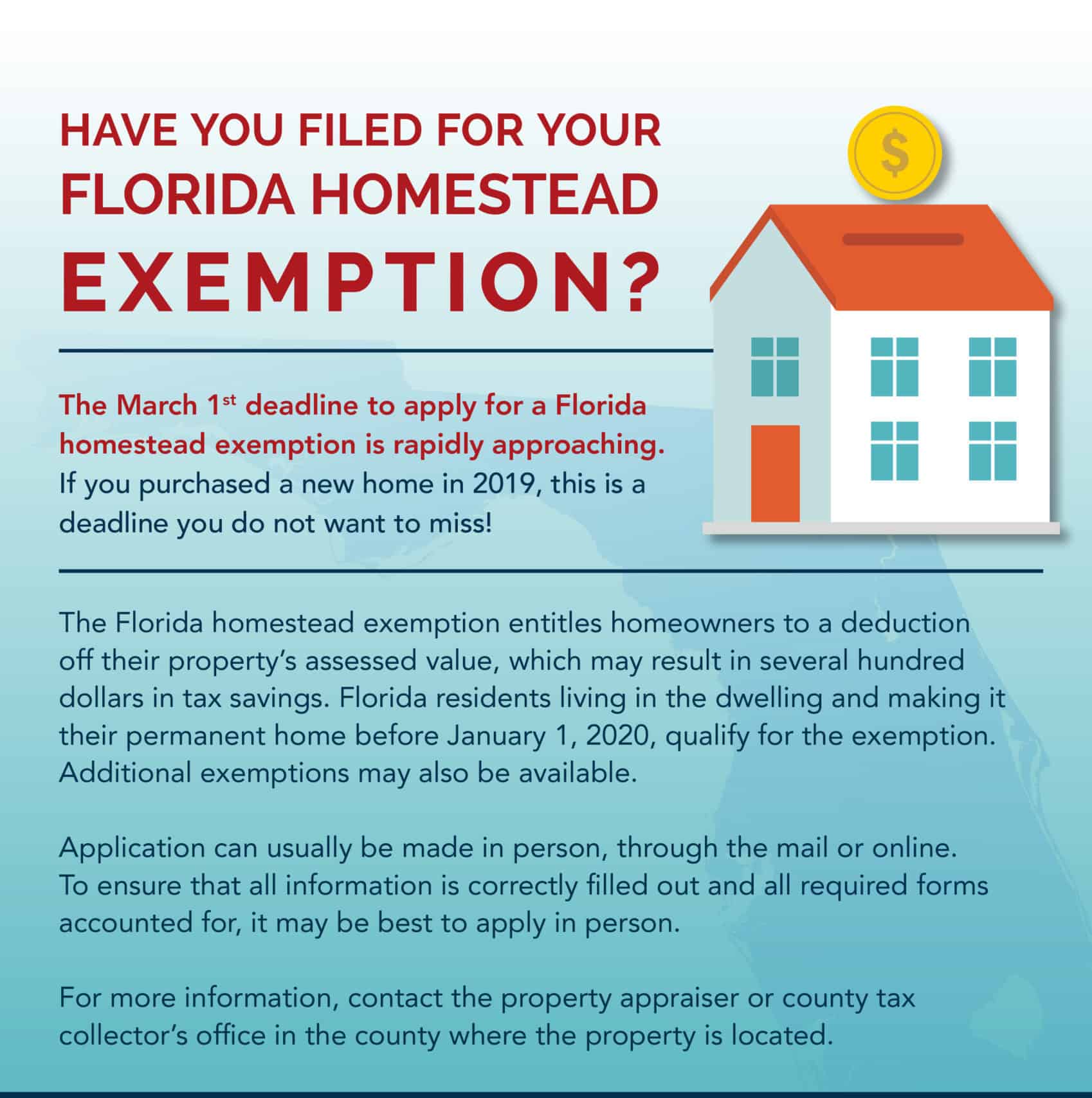
The application period for the homestead exemption typically opens on January 1st of each year and closes on March 1st for the exemption to apply to that year’s taxes. For example, to receive the exemption on your 2024 property taxes, you must apply by March 1st, 2024. If you miss the March 1st deadline, you can still apply until September 1st, but the exemption will apply to the following tax year.
You will file your application with the property appraiser in the county where your property is located. Most counties offer online application portals, allowing for a convenient and efficient submission. Alternatively, you can download forms from the property appraiser’s website or visit their office in person to obtain and submit the necessary paperwork.
Required Documentation
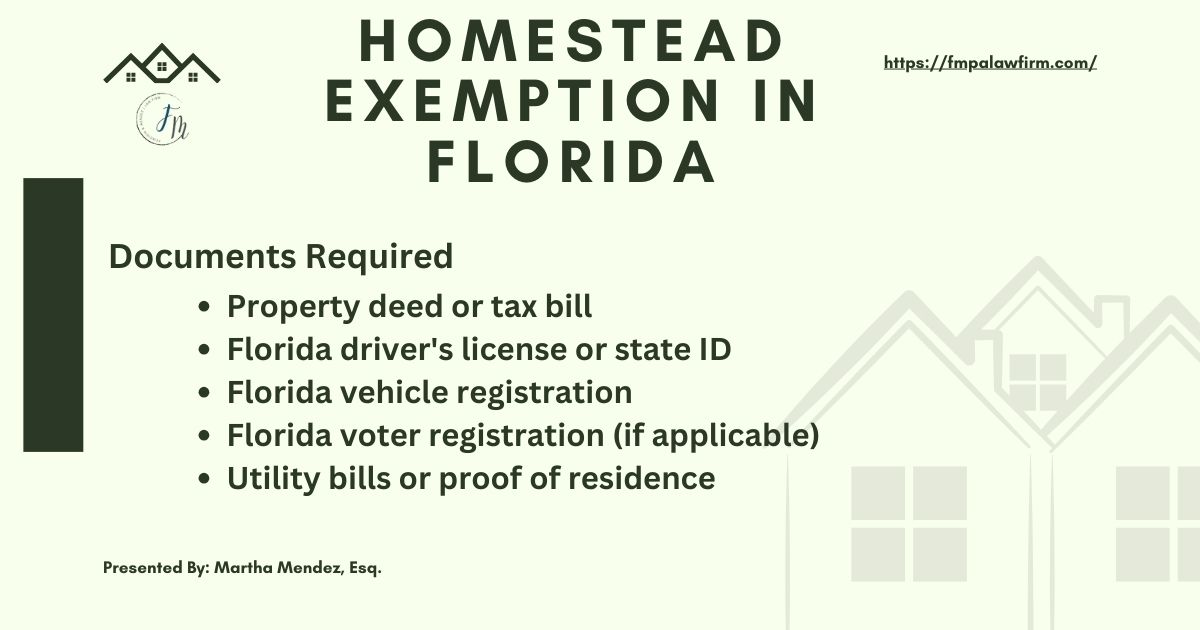
When you apply for the homestead exemption, you will need to provide evidence of your ownership and residency. The exact documentation may vary slightly by county, but common requirements include:
- Proof of Ownership: A copy of your deed or other legal document showing you own the property.
- Proof of Residency:
- A Florida driver’s license or identification card showing the property address.
- A voter registration card showing the property address.
- Vehicle registration showing the property address.
- Utility bills for the property in your name.
- A Social Security number is also typically required.
If you have recently purchased the property, your closing statement (HUD-1 or Closing Disclosure) may also be helpful. If you are married and both spouses are on the deed, both may need to sign the application, or at least one spouse must attest that the property is their primary residence.
Renewing Your Exemption
Once your homestead exemption is granted, it generally renews automatically each year. However, there are circumstances under which you may need to reapply or update your information. If you move, or if there is a change in ownership or marital status, you will likely need to submit a new application. The property appraiser’s office will periodically send out renewal notices or verification requests, especially if there’s a suspicion that the property is no longer your primary residence. It is crucial to respond promptly to any such requests to avoid losing your exemption.
Special Homestead Exemptions and Additional Relief
Beyond the standard homestead exemption, Florida offers several additional homestead exemptions and special classifications for specific groups of homeowners, providing further tax relief. These are often overlooked but can offer significant savings for those who qualify.
Surviving Spouse Exemption
A surviving spouse who continues to reside in the homestead property and has not remarried may be eligible for a homestead tax exemption, even if they do not hold legal title to the property. This exemption allows the surviving spouse to maintain the homestead status and its associated tax benefits.
Disabled Person’s Exemption
Individuals who are legally and permanently disabled may qualify for a homestead exemption with an additional deduction. The amount of this additional deduction is set by law and adjusted annually for inflation. To qualify, you must have a physician’s certification of total and permanent disability.
Wartime Veterans and Disabled Veterans
Wartime veterans and, more significantly, disabled veterans can benefit from substantial homestead exemptions. A veteran who is a paraplegic or legally blind, or who has a 100% disability rating from the U.S. Department of Veterans Affairs, may receive a full exemption from ad valorem taxes on their homesteaded property. Other disabled veterans may qualify for partial exemptions based on their disability percentage.
Other Special Exemptions
Florida also provides specific exemptions for:
- Senior Citizens: While there isn’t a general “senior citizen” homestead exemption, some local jurisdictions may offer additional property tax relief to low-income seniors. This is often handled at the county or municipal level, so it’s worth checking with your local tax collector.
- First Responders and Law Enforcement: Certain first responders and law enforcement officers may be eligible for additional exemptions or benefits related to property taxes, particularly if they are disabled in the line of duty.
- Widows/Widowers: Similar to surviving spouses, a widow or widower who has not remarried may receive a homestead exemption on property they own and occupy.
It is essential to consult your county property appraiser’s office or review their website for the most current and detailed information regarding eligibility and application procedures for these special exemptions.
Navigating Potential Challenges and Considerations
While the homestead exemption is a straightforward benefit, there can be complexities and potential pitfalls if not handled correctly. Understanding these can help you avoid issues and ensure you continue to receive the tax relief you are entitled to.
Proving Your Primary Residence
The most common challenge is unequivocally proving that the property is your primary residence. If you own other properties, or if your living arrangements are not clearly defined, the property appraiser may question your claim. Maintaining consistent residency—meaning you spend the majority of your time in Florida and the homesteaded property—is paramount. This includes things like changing your driver’s license, voter registration, and vehicle registration to your homesteaded address.
Avoiding Fraudulent Claims
It is illegal to claim homestead exemption on more than one property. Doing so can result in penalties, including back taxes, interest, and fines. Property appraisers use various data sources, including cross-referencing with other states’ property records, to identify potential fraudulent claims.
Impact on Property Sales
When you sell a property for which you have claimed homestead exemption, the “Save Our Homes” benefit is portable to a certain extent. If you purchase a new homesteaded property in Florida within a specific timeframe (currently two years, but subject to legislative changes), you may be able to transfer a portion of your existing homestead assessment cap to the new property. This “portability” feature helps mitigate the risk of a significant tax increase when moving. You will need to file a specific portability application with your new county property appraiser.
Staying Informed
Property tax laws and exemption requirements can change. It is always advisable to stay informed about any updates by regularly visiting your county property appraiser’s website or contacting their office. This proactive approach ensures you are always up-to-date with the latest regulations and continue to benefit fully from your homestead exemption.
By diligently following the application process and understanding the eligibility requirements, homeowners in Florida can successfully secure their homestead exemption, leading to significant and consistent savings on their property tax obligations year after year.
LifeOutOfTheBox is a participant in the Amazon Services LLC Associates Program, an affiliate advertising program designed to provide a means for sites to earn advertising fees by advertising and linking to Amazon.com. Amazon, the Amazon logo, AmazonSupply, and the AmazonSupply logo are trademarks of Amazon.com, Inc. or its affiliates. As an Amazon Associate we earn affiliate commissions from qualifying purchases.