
Navigating the complexities of medical insurance can feel like traversing an intricate labyrinth, especially when it involves a specific region like Florida. Whether you are a new resident, a seasonal visitor, or simply seeking to understand your options within the Sunshine State, securing adequate health coverage is paramount. This guide aims to demystify the process, outlining the various avenues available to obtain medical insurance in Florida, from marketplace plans to employer-sponsored options and specialized coverage.
Understanding Your Florida Health Insurance Options
The landscape of health insurance in Florida is diverse, catering to a broad spectrum of needs and financial situations. The primary pathways to obtaining coverage include the Affordable Care Act (ACA) Marketplace, commonly known as HealthCare.gov, employer-sponsored plans, Medicaid, and Medicare. Each of these avenues has its own eligibility requirements, enrollment periods, and benefit structures.
The Affordable Care Act (ACA) Marketplace
The Affordable Care Act (ACA) Marketplace is a crucial resource for individuals and families who do not have access to affordable health insurance through an employer or government program. In Florida, the official marketplace is HealthCare.gov. This platform allows you to compare health insurance plans from various private insurers, such as Florida Blue and Ambetter, side-by-side.
Key Features of ACA Marketplace Plans
- Subsidies and Financial Assistance: One of the most significant benefits of using the ACA Marketplace is the availability of premium tax credits and cost-sharing reductions. These subsidies can significantly lower your monthly premiums and out-of-pocket costs, making health insurance more affordable. Eligibility for these subsidies is based on your household income relative to the federal poverty level.
- Essential Health Benefits: All plans offered through the ACA Marketplace are required to cover ten essential health benefits, including preventive services, hospitalization, prescription drugs, maternity care, and mental health services.
- Open Enrollment Period: Enrollment in the ACA Marketplace is generally limited to an annual open enrollment period. If you miss this window, you may only be able to enroll if you qualify for a Special Enrollment Period due to specific life events, such as losing other coverage, getting married, or having a baby.
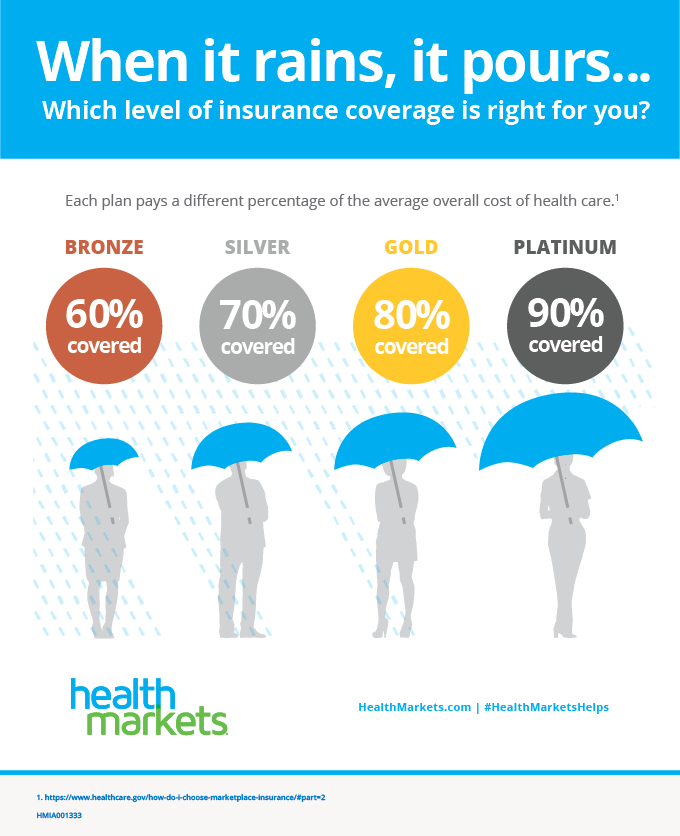
- Metal Tiers: Plans are categorized into metal tiers – Bronze, Silver, Gold, and Platinum – which reflect the average share of healthcare costs the plan covers. Bronze plans have lower monthly premiums but higher out-of-pocket costs, while Platinum plans have higher premiums but lower out-of-pocket expenses. The Silver tier is the only one eligible for cost-sharing reductions.
Employer-Sponsored Health Insurance
For many individuals in Florida, the most common way to obtain health insurance is through their employer. Many businesses, particularly larger ones, offer group health insurance plans as part of their employee benefits package.
Considerations for Employer Plans
- Eligibility: Eligibility for employer-sponsored insurance typically depends on your employment status (full-time vs. part-time) and the policies of your specific employer.
- Cost Sharing: Employer plans usually involve a cost-sharing arrangement, where both the employer and the employee contribute to the premium. The employer typically subsidizes a significant portion of the premium.
- Plan Variety: Employers may offer a choice of plans, such as a Health Maintenance Organization (HMO) or a Preferred Provider Organization (PPO). Understanding the differences between these network types is crucial. HMOs generally require you to select a primary care physician and get referrals to see specialists, while PPOs offer more flexibility in choosing providers without referrals but often at a higher cost.
- Enrollment Periods: Similar to the ACA Marketplace, employer-sponsored plans typically have an open enrollment period each year. However, qualifying life events can also trigger a Special Enrollment Period.
Government Programs: Medicaid and Medicare
Florida offers government-funded health insurance programs for specific populations: Medicaid and Medicare.
Medicaid in Florida
Medicaid is a health insurance program for low-income individuals and families, pregnant women, elderly adults, and people with disabilities. Eligibility in Florida is based on income, household size, disability status, and other factors. It’s important to note that Florida has not expanded its Medicaid program under the Affordable Care Act, which means eligibility is generally more restrictive than in states that have expanded.
- Enrollment: Enrollment in Medicaid is open year-round for those who qualify. You can apply through the Agency for Health Care Administration (AHCA) website or through HealthCare.gov.
Medicare in Florida

Medicare is a federal health insurance program primarily for people aged 65 or older, younger people with disabilities, and people with End-Stage Renal Disease. Medicare has several parts:
-
Part A: Covers hospital stays, skilled nursing facility care, hospice care, and some home health care. Most people do not pay a premium for Part A if they or their spouse paid Medicare taxes while working.
-
Part B: Covers doctors’ services, outpatient care, medical supplies, and preventive services. There is a monthly premium for Part B, which can vary based on income.
-
Part C (Medicare Advantage): These are plans offered by private companies approved by Medicare. They bundle Part A and Part B benefits, and often include prescription drug coverage (Part D). Many Medicare Advantage plans also offer extra benefits like dental, vision, and hearing coverage.
-
Part D: Helps cover the cost of prescription drugs. This coverage is provided through private insurance companies that offer Medicare-approved plans.
-
Enrollment: Initial enrollment for Medicare typically occurs when you first become eligible (around age 65). There are specific enrollment periods, and late enrollment penalties can apply if you do not sign up when first eligible, unless you have other qualifying health coverage.
Choosing the Right Plan for Your Needs
Selecting the most appropriate medical insurance plan in Florida requires a thorough assessment of your personal circumstances, healthcare needs, and financial situation.
Factors to Consider When Choosing a Plan
- Your Health Status and Needs: Do you have any pre-existing conditions? Do you anticipate needing regular specialist visits or expensive medical treatments? Consider plans that offer good coverage for your specific health requirements.
- Doctor and Hospital Network: If you have preferred doctors or hospitals, ensure they are in the network of the plan you are considering. This is particularly important for HMO plans, where staying within the network is often mandatory.
- Prescription Drug Coverage: If you take regular medications, review the plan’s formulary (list of covered drugs) and the associated costs. Some plans have preferred pharmacies that offer lower prices.
- Monthly Premiums vs. Out-of-Pocket Costs: Balance the monthly premium you pay with the potential out-of-pocket costs (deductibles, copayments, coinsurance) you might incur. A plan with a lower premium might have higher costs when you actually use healthcare services.
- Annual Deductible: This is the amount you pay for covered healthcare services before your insurance plan starts to pay. Plans with lower premiums often have higher deductibles.
- Out-of-Pocket Maximum: This is the most you will have to pay for covered services in a plan year. Once you reach this limit, your insurance plan pays 100% of covered benefits.
- Your Budget: Determine how much you can realistically afford to spend on monthly premiums and potential healthcare costs.
Tips for a Smooth Enrollment Process
- Start Early: Don’t wait until the last minute to research your options, especially during open enrollment periods.
- Gather Necessary Documents: Have your personal information, income details, and information about any current or previous insurance coverage readily available.
- Utilize Resources: The ACA Marketplace website (HealthCare.gov) provides tools and information. Many insurers also offer customer service lines to answer questions. Navigators and assisters are also available through organizations funded by the government to provide free, unbiased help with enrollment.
- Read the Fine Print: Carefully review the Summary of Benefits and Coverage (SBC) for any plan you are considering. This document provides a clear overview of what the plan covers and what your costs will be.
- Compare Plans Thoroughly: Do not settle for the first plan you find. Compare premiums, deductibles, copays, coinsurance, out-of-pocket maximums, and network coverage across different plans and insurers.
Navigating Special Circumstances and Short-Term Coverage
While comprehensive health insurance is ideal, there are situations where individuals might need different types of coverage, such as for temporary periods or for specific needs.
Short-Term Health Insurance
Short-term health insurance plans, sometimes called temporary health insurance, can be an option for bridging gaps in coverage. These plans are not regulated under the Affordable Care Act and typically do not cover pre-existing conditions or essential health benefits. They are generally less comprehensive and may not offer robust protection.
- When It Might Be Useful: Short-term plans can be useful if you are between jobs, waiting for employer coverage to begin, or have aged out of your parents’ plan and are not yet eligible for Medicare.
- Limitations: It’s crucial to understand that these plans offer limited coverage and are not a substitute for a comprehensive ACA-compliant plan. They can deny coverage, charge you more, or exclude coverage for pre-existing conditions.
Travel Insurance for Florida Visitors
For individuals visiting Florida from other countries or even other states for extended periods, travel medical insurance is a vital consideration. Standard travel insurance often focuses on trip cancellation or lost luggage, but travel medical insurance specifically covers unexpected medical emergencies and illnesses that may occur while you are away from your home country or state.
- Coverage Scope: This type of insurance can cover emergency room visits, hospital stays, doctor’s appointments, and prescription medications needed due to an unforeseen medical event.
- Policy Details: It’s important to compare policies carefully, as coverage limits, deductibles, and covered conditions can vary significantly. Ensure the policy meets your needs for the duration of your stay in Florida.
Securing medical insurance in Florida involves understanding the various pathways available and carefully evaluating which option best aligns with your individual circumstances. By taking the time to research, compare, and understand the nuances of each type of coverage, you can ensure you have the peace of mind that comes with adequate health protection.
LifeOutOfTheBox is a participant in the Amazon Services LLC Associates Program, an affiliate advertising program designed to provide a means for sites to earn advertising fees by advertising and linking to Amazon.com. Amazon, the Amazon logo, AmazonSupply, and the AmazonSupply logo are trademarks of Amazon.com, Inc. or its affiliates. As an Amazon Associate we earn affiliate commissions from qualifying purchases.