
Florida, a state celebrated for its vibrant ecosystems and diverse natural beauty, is currently facing a significant ecological challenge: the invasive presence of cane toads. These large, toxic amphibians, native to Central and South America, have established a foothold in various parts of the Sunshine State, posing a threat to native wildlife, pets, and even human health. Understanding how to manage and mitigate their population is crucial for preserving Florida’s delicate ecological balance and ensuring the safety of its residents and visitors. This guide delves into effective strategies for managing cane toad populations, focusing on methods that are both humane and environmentally responsible, within the context of Florida’s unique natural landscape and tourism appeal.

Understanding the Cane Toad Threat in Florida
The cane toad (Rhinella marina) is not merely an unwelcome guest in Florida; it’s an ecological disruptor. Introduced initially for pest control in agricultural settings, these toads have since proliferated, outcompeting native amphibian species for resources and introducing a potent threat through their toxic skin secretions.
Ecological Impact
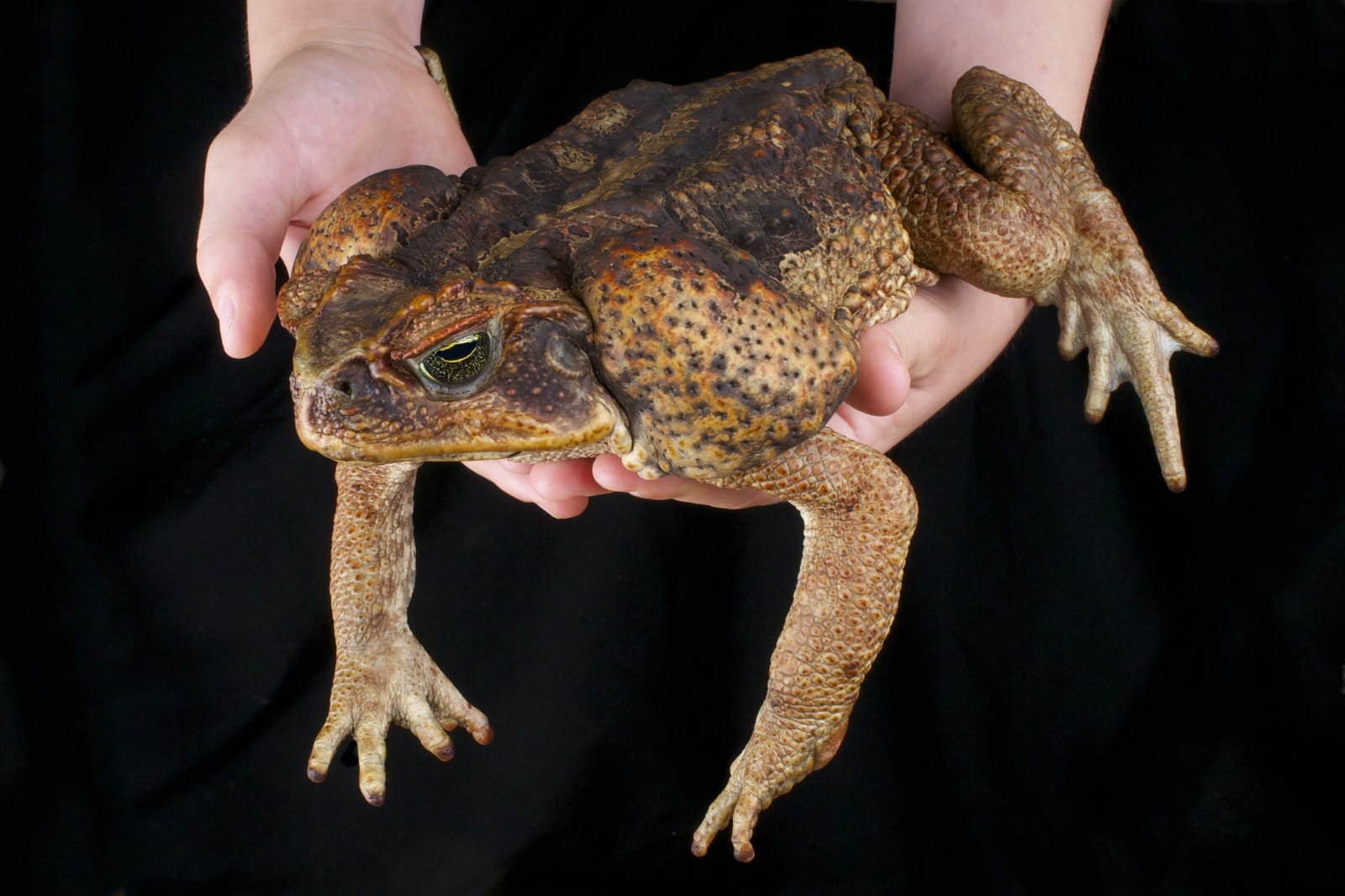
Cane toads possess a highly toxic milky-white secretion from glands located behind their eyes, known as parotoid glands. This toxin can be lethal to native predators, including snakes, birds, mammals like domestic dogs and cats, and even other amphibians. As they consume large quantities of insects and other small animals, they also disrupt the food web. Their rapid reproduction rate and adaptability allow them to thrive in a wide array of habitats, from suburban backyards in Miami to the more rural areas surrounding the Everglades National Park.
Health Risks
Beyond the danger to wildlife, cane toad toxins can cause significant irritation and adverse reactions in humans and pets. Direct contact with the skin can lead to burning sensations, inflammation, and allergic reactions. If a pet ingests or attempts to eat a cane toad, the consequences can be severe, including vomiting, excessive salivation, seizures, and even death, necessitating immediate veterinary attention. This risk factor is particularly relevant for tourists exploring Florida’s natural areas or enjoying outdoor activities with their pets.
Identification and Distribution
Distinguishing cane toads from native frog species is a critical first step in management. Cane toads are considerably larger than most native frogs, with adults often exceeding 6 inches in length. They have dry, warty skin, a prominent bony ridge above their eyes, and a characteristic hump-shaped body. Their color typically ranges from brown to yellowish-brown. While their presence has been noted across much of Florida, they are particularly prevalent in southern and central regions. Awareness among locals and tourists is paramount for early detection and reporting.
Effective Removal and Management Strategies
Addressing the cane toad issue in Florida requires a multi-faceted approach. While complete eradication is unlikely, effective management can significantly reduce their populations and mitigate their negative impacts. These strategies focus on humane practices and aim to protect the broader ecosystem.
Physical Removal Methods
The most direct method of controlling cane toad populations is through physical removal. This involves safely capturing and humanely euthanizing the toads.
- Catching by Hand: For individuals encountering toads on their property, wearing protective gloves is essential due to the toxic skin. Toads can be gently captured and placed in a container.
- Humane Euthanasia: The most widely recommended method for humane euthanasia is a quick freeze. This involves placing the captured toad in a sealed container in a freezer for a period of at least 24 hours. This method is considered to induce rapid insensitivity and death, minimizing suffering. Another approved method involves applying a numbing agent to the toad’s head, followed by decapitation, though this requires a degree of skill and is often less preferred by the general public. It is important to note that releasing captured toads in other locations is illegal and counterproductive, as it can spread the problem to new areas.
- Trapping: Various types of traps can be employed, particularly in areas with high densities of toads. These often involve simple enclosures that toads can enter but not easily exit. Traps should be checked regularly to prevent prolonged suffering of captured animals.
Habitat Modification and Prevention
Preventing cane toads from establishing or thriving in an area is a proactive approach to management.
- Eliminate Breeding Grounds: Cane toads breed in shallow, still water. Ponds, ditches, and even pet water bowls left outdoors can serve as breeding sites. Regularly draining or managing these areas can deter breeding.
- Reduce Food Sources: Toads are attracted to areas with abundant insect life. Reducing outdoor lighting that attracts insects, managing pet food left outdoors, and keeping yards tidy can make an area less appealing to cane toads.
- Secure Outdoor Spaces: For pet owners, ensuring that outdoor enclosures and yards are secure can prevent pets from encountering toads. Similarly, keeping doors and windows screened can prevent toads from entering homes.
Chemical Control (with extreme caution)

While chemical control methods exist, they are generally discouraged for widespread use due to potential harm to non-target species and the environment.
- Limited Use Scenarios: In specific, highly controlled situations, such as large-scale eradication efforts on islands or in contained agricultural settings, targeted chemical treatments might be considered under strict supervision by wildlife management professionals.
- Environmental Concerns: The use of pesticides or other chemicals can inadvertently harm native amphibians, insects, and other wildlife, disrupting the ecosystem. Therefore, this approach is rarely recommended for individual property owners and should only be considered as a last resort in severe infestations and under expert guidance.
Protecting Pets and Wildlife
The danger cane toads pose to domestic animals and native wildlife is a primary concern for many Floridians and visitors. Implementing preventative measures and knowing how to respond in case of exposure is vital.
Preventing Pet Encounters
- Supervision: The most effective way to protect pets is through constant supervision when they are outdoors, especially during dawn and dusk when cane toads are most active.
- Leash Laws: Adhering to leash laws in parks and natural areas ensures that pets remain close and are less likely to stumble upon or attempt to interact with a cane toad.
- Training: Training pets to avoid unfamiliar animals can be beneficial, although the inherent predatory instinct of some animals can override training.
- Pet-Proofing Yards: For those with fenced yards, regularly inspecting for the presence of toads and promptly removing them is a crucial step in pet safety.
Recognizing and Responding to Cane Toad Poisoning
- Symptoms: Signs of cane toad poisoning in pets include excessive drooling, pawing at the mouth, vomiting, lethargy, weakness, difficulty breathing, tremors, and seizures.
- Immediate Action: If you suspect your pet has been exposed to a cane toad, rinse their mouth thoroughly with water using a hose or spray bottle to wash away as much of the toxin as possible. Immediately contact your veterinarian or an emergency animal hospital. Prompt treatment is critical for a positive outcome.
Conservation of Native Amphibians
While managing cane toads, it’s equally important to support the conservation of Florida’s native amphibian populations, which are also facing threats from habitat loss and pollution. Creating and maintaining healthy aquatic environments that favor native species over invasive ones can indirectly aid in the long-term ecological balance.
Role of Tourism and Community in Cane Toad Management
Florida’s allure as a tourist destination is deeply intertwined with its natural environments, from the beaches of Clearwater to the unique ecosystems of the Florida Keys. Managing invasive species like the cane toad is essential for preserving these attractions and ensuring a positive experience for visitors.
Educating Visitors and Residents
Awareness is a powerful tool. Tourists visiting Florida should be informed about the presence of cane toads and the potential risks. Educational signage at parks and natural areas, along with information provided by tourism boards, can go a long way in preventing accidental encounters. Residents, especially in areas with high cane toad populations, play a vital role in ongoing monitoring and removal efforts.
Community-Based Initiatives
- Reporting Systems: Encouraging the reporting of cane toad sightings to local wildlife authorities or invasive species management programs can help track their spread and identify hotspots for targeted intervention.
- Neighborhood Watch Programs: Similar to crime prevention, neighborhood “toad watch” programs can mobilize local efforts for removal and habitat management, fostering a sense of shared responsibility.
- Partnerships: Collaboration between local governments, environmental organizations, and private landowners can lead to more coordinated and effective management strategies. For instance, organizations like the Florida Fish and Wildlife Conservation Commission often provide resources and guidance on invasive species control.
Sustainable Tourism Practices
Promoting responsible tourism practices that minimize human impact on natural habitats also contributes to a healthier ecosystem overall, making it more resilient to invasive species. This includes staying on marked trails, not disturbing wildlife, and properly disposing of waste.
By understanding the threat, implementing appropriate removal strategies, protecting pets and wildlife, and fostering community involvement, Florida can continue to manage the challenge of cane toads, preserving its natural beauty and ensuring a safe and enjoyable environment for all.
LifeOutOfTheBox is a participant in the Amazon Services LLC Associates Program, an affiliate advertising program designed to provide a means for sites to earn advertising fees by advertising and linking to Amazon.com. Amazon, the Amazon logo, AmazonSupply, and the AmazonSupply logo are trademarks of Amazon.com, Inc. or its affiliates. As an Amazon Associate we earn affiliate commissions from qualifying purchases.