
Installing a vapor barrier under a concrete slab in Florida is a crucial step in preventing moisture-related issues that are particularly prevalent in this humid, subtropical climate. This guide delves into the essential considerations and steps for a successful installation, ensuring the longevity and health of your building’s foundation and interior environment. Understanding the science behind moisture migration and the protective role of a vapor barrier is key to a robust construction project.
Understanding Moisture and Your Slab
Florida’s high humidity levels mean that moisture is constantly present in the soil beneath any structure. This moisture can migrate upwards through the porous concrete slab via capillary action, leading to a host of problems if not properly managed.

The Science of Moisture Migration
- Capillary Action: Concrete, though seemingly solid, contains microscopic pores and capillaries. These act like tiny straws, drawing moisture from the soil into the slab.
- Vapor Drive: Differences in temperature and humidity between the soil and the interior of the building create a pressure gradient. This “vapor drive” pushes moisture from areas of high concentration (the soil) to areas of low concentration (the building interior).
- Condensation: When warm, moist air from the soil comes into contact with the cooler surface of the concrete slab or the underside of flooring, it can condense, forming liquid water.
The Consequences of Uncontrolled Moisture
Failing to install an adequate vapor barrier can lead to significant and costly problems:
- Mold and Mildew Growth: Persistent moisture creates an ideal environment for mold and mildew, which can compromise indoor air quality and cause respiratory issues.
- Deterioration of Flooring and Finishes: Many flooring materials, such as hardwood, laminate, and carpet, are susceptible to damage from moisture, leading to warping, peeling, and staining. Adhesives used for tiling and other finishes can also fail.
- Damage to Building Materials: Wood framing in contact with a damp slab can rot, compromising structural integrity over time.
- Unhygienic Conditions: Dampness can foster bacterial growth, leading to unpleasant odors and an unhealthy living or working environment.
- Increased Energy Costs: Moisture in building materials can reduce their insulating properties, leading to higher heating and cooling expenses.
Essential Considerations for Vapor Barrier Installation in Florida
Given Florida’s unique climate, specific considerations are paramount when selecting and installing a vapor barrier.
Material Selection: Choosing the Right Barrier
The choice of vapor barrier material is critical. It must be durable, impermeable to water vapor, and resistant to punctures during installation.
- Polyethylene Sheeting: This is the most common and cost-effective option. Look for thick, high-quality polyethylene sheeting, typically 6-mil (0.006 inches) or thicker. In Florida, due to the high moisture content, opting for a thicker grade, such as 10-mil or 12-mil, is often recommended for enhanced protection. Ensure the product is specifically rated as a vapor barrier, not just a vapor retarder (which allows more vapor to pass through).
- Reinforced Barriers: For added strength and puncture resistance, consider reinforced polyethylene or composite vapor barriers. These can be particularly beneficial if the subgrade contains sharp stones or debris.
- Bituminous or Asphalt-Based Barriers: While historically used, these can be more difficult to install properly and may become brittle over time. Modern plastic sheeting offers superior performance and ease of use for under-slab applications.
- Testing and Certification: Look for products that meet or exceed industry standards, such as those set by the ASTM (American Society for Testing and Materials). Some manufacturers offer third-party testing and certification, which provides an extra layer of assurance.
Site Preparation: The Foundation of a Good Installation
Proper site preparation is as important as the vapor barrier material itself. A clean, level, and well-prepared base ensures the barrier functions effectively and is not compromised.
- Clearing and Grading: Remove all organic matter, sharp objects (rocks, roots, rebar scraps), and debris from the soil surface. The subgrade should be compacted and uniformly graded to prevent pooling of water.
- Compaction: Ensure the subgrade is properly compacted according to local building codes and engineering specifications. Poor compaction can lead to settling of the slab, potentially damaging the vapor barrier.
- Base Material (Crushed Stone/Aggregate): A layer of clean, well-graded crushed stone or aggregate, typically 4-6 inches thick, is often placed over the compacted subgrade. This layer provides drainage, a stable base for the concrete, and protects the vapor barrier from puncture by sharp objects in the soil. Ensure this aggregate layer is also free of debris.
- Moisture Conditioning (if necessary): In some cases, particularly in extremely dry conditions (less common in Florida), the subgrade might need to be lightly dampened to prevent the fresh concrete from losing too much moisture too quickly, which can lead to cracking. However, in Florida, the primary concern is managing existing moisture.
Step-by-Step Installation Process
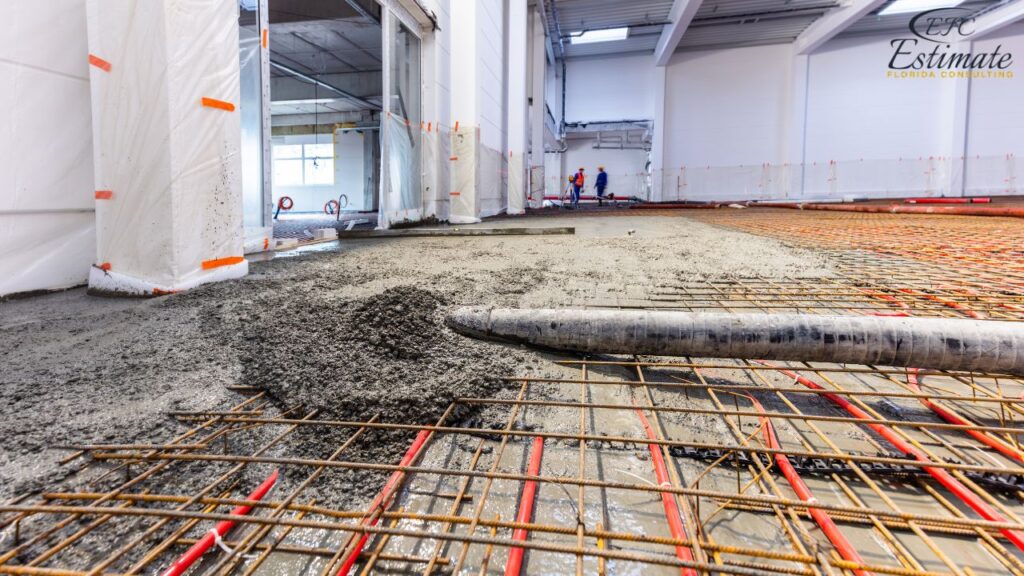
Following a methodical installation process ensures the vapor barrier provides a continuous and effective seal against soil moisture.
Laying the Vapor Barrier
- Placement: Unroll the vapor barrier sheeting over the prepared subgrade. Start in one corner and work systematically across the entire area.
- Overlapping Seams: Overlap adjacent sheets generously, typically by at least 12 inches. This overlap is crucial for creating a continuous barrier.
- Sealing Seams: This is a critical step. Use manufacturer-recommended tapes specifically designed for vapor barrier seams. These tapes are typically very strong and waterproof. Apply the tape firmly to ensure a complete seal, pressing out any air pockets. Some high-performance systems use specialized liquid adhesives or heat welding for seams, especially for more critical applications.
- Taping all Penetrations: Any pipes, conduits, or structural elements that penetrate the slab must have the vapor barrier meticulously sealed around them. Cut the barrier to fit around these penetrations, leaving extra material, and then securely tape it to create a watertight seal.
Integrating with Foundation Elements
Proper integration with foundation walls and footings is vital to prevent moisture from bypassing the vapor barrier.
- Upstand at Walls: The vapor barrier should extend up the interior face of the foundation walls and footings to a height specified by local building codes (often at least 6 inches above the finished grade or slab level). This prevents moisture wicking up from the soil onto the wall and into the slab edge.
- Sealing to Walls: The upstand at the wall must be securely sealed to the foundation wall. This can be achieved using compatible tapes or adhesives, ensuring there are no gaps. If a footing drain system is in place, the barrier should be carefully integrated with it, ensuring it doesn’t impede drainage but still forms a continuous seal against vapor migration.
Protection During and After Installation
Once the vapor barrier is in place, it’s essential to protect it from damage.
- Foot Traffic and Equipment: Minimize foot traffic and the use of heavy equipment over the laid barrier. If traffic is unavoidable, use protective coverings or walk on designated pathways.
- Rebar and Mesh Placement: If steel reinforcement (rebar or wire mesh) is used for the slab, it is typically placed on chairs or supports that rest on the vapor barrier. Care must be taken to ensure these supports do not puncture the barrier. Sometimes, a thin layer of sand or a protective mat might be placed between the barrier and the rebar.
- Pouring the Concrete: The concrete pour should proceed as soon as the vapor barrier is fully installed and protected. Avoid dragging equipment or materials across the barrier during the pour. Concrete trucks, pumps, and workers should be mindful of the barrier’s integrity.
Best Practices and Compliance in Florida
Adhering to local building codes and employing best practices will ensure a durable and effective vapor barrier installation.
Local Building Codes and Standards
- Florida Building Code: Florida has specific building codes that address moisture control, especially in coastal and high-humidity regions. Always consult the latest edition of the Florida Building Code for exact requirements regarding vapor barrier material, thickness, installation methods, and upstand heights.
- Local Permitting and Inspections: Ensure your project obtains the necessary permits. Building inspectors will often verify the vapor barrier installation before the concrete pour. Working with a reputable contractor familiar with Florida’s specific requirements is highly recommended.
When to Call a Professional
While some DIY enthusiasts might consider tackling this task, the complexities of ensuring a continuous, airtight, and durable vapor barrier are significant.
- Expertise: Professional installers have the knowledge, experience, and specialized tools to identify potential issues, select the correct materials, and execute the installation with precision.
- Warranty and Liability: A professional installation often comes with a warranty, providing peace of mind. In case of future moisture-related problems, having a professional installation record can be crucial.
- Time and Efficiency: Professionals can complete the installation efficiently, minimizing delays in the construction schedule.

The Long-Term Benefits
Investing in a proper vapor barrier installation under your slab in Florida is an investment in the long-term health, comfort, and value of your property. It prevents a cascade of moisture-related issues, contributing to a healthier indoor environment, protecting finishes, and potentially reducing energy costs. While it may seem like an ancillary step in the construction process, it is fundamental to building a resilient structure in a climate like Florida.
LifeOutOfTheBox is a participant in the Amazon Services LLC Associates Program, an affiliate advertising program designed to provide a means for sites to earn advertising fees by advertising and linking to Amazon.com. Amazon, the Amazon logo, AmazonSupply, and the AmazonSupply logo are trademarks of Amazon.com, Inc. or its affiliates. As an Amazon Associate we earn affiliate commissions from qualifying purchases.