
Navigating the legal and administrative landscape of traffic citations can often feel like a daunting task, especially for travelers unfamiliar with local regulations. For those visiting or residing in the Sunshine State, receiving a traffic ticket is an unwelcome inconvenience that can disrupt vacation plans or add stress to daily life. Fortunately, the [Florida] Department of Highway Safety and Motor Vehicles (FLHSMV) has streamlined the process, offering a convenient online portal for resolving many traffic infractions. This guide aims to demystify the procedure for paying a traffic ticket online in [Florida], ensuring a smooth and efficient resolution.
Understanding Your Traffic Ticket
Before you can proceed with an online payment, it’s crucial to understand the information presented on your traffic ticket. Each citation, whether issued by a local police department, county sheriff’s office, or the Florida Highway Patrol, will contain vital details necessary for its resolution.
Key Information on Your Citation
- Citation Number: This unique identifier is paramount. It’s usually prominently displayed at the top of the ticket and will be required to access your case online.
- Issuing Agency: The ticket will specify which law enforcement agency issued the citation (e.g., [Miami-Dade Police Department], [Orlando Police Department], [Florida Highway Patrol]). This can sometimes influence where you can pay, though most online systems are centralized.
- Infraction Details: The specific traffic law you are alleged to have violated will be listed, often with a corresponding statute number.
- Date and Time of Infraction: This helps to pinpoint the incident.
- Location of Infraction: The address or intersection where the violation occurred.
- Your Information: Your name, address, driver’s license number, and vehicle information will be present.
- Options for Resolution: The ticket will outline your choices, typically including:
- Paying the fine: Admitting guilt and paying the assessed penalty.
- Contesting the ticket: Requesting a hearing to dispute the citation.
- Electing traffic school: For eligible offenses, completing a defensive driving course may allow you to avoid points on your driving record and potential insurance increases.
It is imperative to carefully review all information on the ticket for accuracy. Any discrepancies should be noted and potentially addressed with the issuing agency before attempting to pay online.
Determining Eligibility for Online Payment
Not all traffic tickets in [Florida] are eligible for online payment. Typically, minor moving violations and non-moving infractions can be resolved through the state’s online system. More serious offenses, such as those involving alcohol or drugs, or those that resulted in injury or death, will likely require a court appearance and cannot be handled online.
Commonly Eligible Infractions:
- Speeding
- Improper lane change
- Failure to yield
- Parking violations
- Expired registration or inspection (if resolved before significant penalties accrue)
Typically Ineligible Infractions:
- Driving Under the Influence (DUI)
- Reckless driving
- Driving with a suspended or revoked license
- Accidents involving injury or death
If you are unsure about your ticket’s eligibility, it is best to contact the clerk of the court in the county where the ticket was issued.
The Online Payment Process
The [Florida] FLHSMV provides a centralized platform for managing traffic citations, making the payment process accessible and user-friendly. The official portal is your primary resource for resolving your ticket online.
Accessing the FLHSMV Online Portal
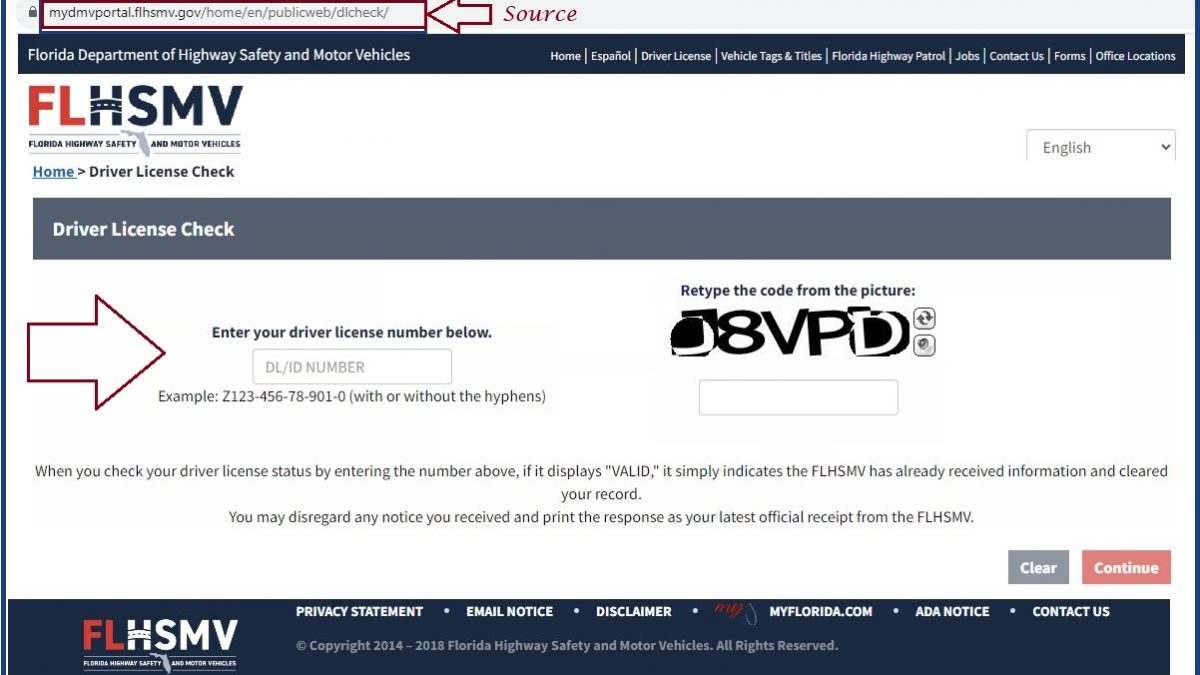
The most direct way to access the necessary services is through the official [Florida] Department of Highway Safety and Motor Vehicles website. Navigate to their traffic citation payment section. While specific URLs can change, searching for “Florida traffic ticket payment” on a search engine will typically lead you to the correct page. Be cautious of third-party websites that may charge additional fees for services you can access directly from the state.
Required Information for Online Payment
To successfully pay your ticket online, you will generally need the following:
- Citation Number: As mentioned earlier, this is the most critical piece of information.
- Date of Birth: To verify your identity and link the citation to your driving record.
- Driver’s License Number: Another key identifier for verification.
- Last Name: For a final layer of security.

In some instances, you might be asked for the date of the infraction or the county where it occurred. Always have your physical ticket readily available when you begin the online process.
Step-by-Step Payment Guide
- Navigate to the FLHSMV Website: Open your web browser and go to the official [Florida] DMV or FLHSMV website. Locate the section dedicated to traffic citations or payment services.
- Enter Citation Details: You will be prompted to enter your citation number and other identifying information. Double-check each entry for accuracy before proceeding.
- Review Citation Information: The system will display the details of your ticket, including the alleged violation, the fine amount, and any associated fees or court costs. Take a moment to ensure this information matches your physical ticket.
- Select Payment Option: You will typically have options to pay the full fine, or if eligible, elect to attend traffic school. If you choose traffic school, you may still need to pay court costs or administrative fees online.
- Choose Payment Method: The portal usually accepts major credit and debit cards (Visa, MasterCard, American Express, Discover). Some systems may also offer electronic check (e-check) options.
- Enter Payment Information: Provide your card number, expiration date, CVV code, and billing address.
- Confirm and Submit: Review all details one last time, including the total amount to be paid. Once you are satisfied, submit your payment.
- Receive Confirmation: After successful payment, you should receive a confirmation page or email. It is highly recommended to print or save this confirmation for your records. This serves as proof of payment and resolution of your citation.
Electing Traffic School Online
For many minor traffic violations in [Florida], electing to attend a driver improvement course, commonly referred to as traffic school, is a valuable option. Completing traffic school can help you avoid points on your driving record, which can have a significant impact on your auto insurance premiums.
Eligibility Requirements for Traffic School
- Type of Offense: Traffic school is generally available for non-moving violations and most minor moving violations. Major offenses, such as DUI or reckless driving, are not eligible.
- Frequency of Use: In [Florida], you are typically limited to attending traffic school once every five years to have points kept off your record. If you have used this option recently, you may not be eligible again.
- Prior Convictions: Certain prior convictions may affect your eligibility.
- Driver’s License Status: Your license must be valid and not currently suspended or revoked.
The citation itself, or the online portal, will usually indicate if traffic school is an available option for your specific infraction. If you are unsure, contacting the clerk of the court is the best course of action.
How to Elect Traffic School Online
The process for electing traffic school online is often integrated into the ticket payment system.
- Access the Online Portal: Log in to the [Florida] FLHSMV website or the relevant county clerk of court portal where your ticket is being processed.
- Locate Your Citation: Enter your citation number and other required information.
- Choose Traffic School Option: When presented with your ticket details, look for an option to “Elect Traffic School” or “Attend Driver Improvement Course.”
- Pay Required Fees: Even when electing traffic school, you will likely still need to pay court costs, administrative fees, or traffic school tuition online. The total amount due will be clearly stated.
- Complete Registration: After making the payment, you may be directed to register with an approved [Florida] traffic school provider. The state maintains a list of certified traffic school providers, and the online portal often offers links or direct integration with these providers.
- Complete the Course: Once registered, you will need to complete the traffic school course within the timeframe specified by the court. This can typically be done online at your own pace, though some providers may have time limits for course completion.
- Confirmation of Completion: Upon successful completion of the course, the traffic school provider will typically notify the court electronically. You may also receive a certificate of completion from the provider. It is advisable to keep a copy of this for your records.
The online system ensures that your election of traffic school is officially recorded, and once the course is completed, the infraction is usually adjudicated without points being assessed against your driving record. This proactive approach can save you significant financial and administrative hassle in the long run.
Contesting Your Traffic Ticket
While paying the fine or electing traffic school are common resolutions, [Florida] law also provides you with the right to contest a traffic ticket. This involves formally notifying the court that you wish to dispute the citation and requesting a hearing.
When to Consider Contesting
- You Believe You Are Not Guilty: If you genuinely believe you did not commit the violation you are accused of, gathering evidence and contesting the ticket might be your best course of action. This could involve witness statements, dashcam footage, or evidence that the signage or road conditions were misleading.
- Factual Errors on the Ticket: Significant factual inaccuracies on the ticket itself could potentially be grounds for dismissal, although this depends heavily on the nature and severity of the error.
- Mitigating Circumstances: In some cases, you might have a valid reason for the infraction that the court might consider, such as an emergency.
The Process of Contesting Online
The initial step to contesting a ticket often involves interacting with the online portal, even if the entire process isn’t completed there.
- Notification of Intent: The online portal for your citation will typically have an option to indicate your intention to contest the ticket or request a hearing. This usually needs to be done by a specific deadline, which is often stated on your ticket.
- Court Date and Scheduling: By indicating your intent to contest, you will likely be scheduled for an arraignment or a pre-trial conference. This may be done virtually or in person. The online system should provide information on how and when to expect this notification, or it may allow you to schedule your initial court appearance.
- Gathering Evidence: Once you have scheduled your hearing, begin to gather all relevant evidence. This might include:
- Photographs of the location, signage, or road conditions.
- Dashcam footage from your vehicle or other sources.
- Statements from any witnesses who were present.
- Vehicle maintenance records, if the ticket relates to a vehicle malfunction (e.g., broken taillight).
- Communication with the Prosecutor: In many jurisdictions, you may have an opportunity to speak with the prosecutor before your hearing date. This is often referred to as a “plea bargain” or “diversion program” discussion. You might be able to negotiate a reduced fine, a dismissal with conditions, or a different resolution.
- Court Hearing: If no agreement is reached, your case will proceed to a formal hearing. You will present your case, and the ticketing officer will present theirs. The judge or magistrate will then make a decision.
It is important to note that contesting a ticket can be time-consuming and may require appearing in court. For minor infractions, the cost and effort of contesting may outweigh the potential benefits. However, for more serious violations or when you have strong grounds for defense, it is a viable option. Always be aware of the deadlines and procedures outlined by the court.

Seeking Legal Counsel
For complex cases or when facing significant penalties, consulting with a traffic attorney is highly recommended. An experienced attorney can guide you through the legal process, represent you in court, and help you understand your options. While this adds an additional cost, it can often lead to a more favorable outcome, especially in cases involving potential license suspension or substantial fines. Many attorneys offer free initial consultations.
LifeOutOfTheBox is a participant in the Amazon Services LLC Associates Program, an affiliate advertising program designed to provide a means for sites to earn advertising fees by advertising and linking to Amazon.com. Amazon, the Amazon logo, AmazonSupply, and the AmazonSupply logo are trademarks of Amazon.com, Inc. or its affiliates. As an Amazon Associate we earn affiliate commissions from qualifying purchases.