
South Florida’s lush landscapes, vibrant cities, and captivating coastline are undeniably attractive, drawing millions of visitors annually. However, this tropical paradise also grapples with a persistent challenge: pervasive drainage issues. The unique topography, characterized by low elevation and porous limestone bedrock, combined with intense rainfall events and the constant threat of rising sea levels, creates a complex hydrological puzzle. Understanding these challenges and implementing effective solutions is crucial not only for the comfort and safety of residents and tourists but also for the preservation of the region’s natural beauty and infrastructure.
Understanding the Unique South Florida Hydrology
The fundamental reason behind South Florida’s drainage woes lies in its distinctive geological and meteorological conditions. This region is a vast, flat expanse, with much of its landmass sitting at or below sea level. Beneath the surface, a permeable layer of limestone acts like a giant sponge, allowing water to percolate, but its capacity is finite, and its proximity to the ocean means saltwater intrusion is a constant concern.
The Role of Limestone and Aquifers
The immense Kissimmee River Basin and the Everglades form the backbone of South Florida’s water system. The underlying Biscayne Aquifer, a critical source of freshwater for millions, is particularly vulnerable. Its shallow depth and porous nature mean that surface water, including storm runoff and canal water, can readily infiltrate it. This creates a delicate balance: managing excess water is essential to prevent flooding, but improper management can lead to the contamination of this vital freshwater supply by saltwater or pollutants.
Rainfall Patterns and Intensity
South Florida experiences a distinct wet season, typically from June through October, characterized by daily thunderstorms. These storms are often short-lived but incredibly intense, dumping large volumes of water in a concentrated area. The sheer volume of rainfall can overwhelm the natural and man-made drainage systems, leading to localized flooding even in areas with seemingly adequate infrastructure. The “pineapple express” phenomenon, bringing prolonged periods of heavy rain, can exacerbate these issues, leading to widespread inundate and protracted recovery periods.
The Impact of Urbanization and Development
As South Florida has grown into a sprawling metropolis, natural drainage pathways have been altered or eliminated. Construction, the paving of vast areas for roads and parking lots, and the development of residential communities have significantly increased impervious surfaces. This means that rainwater, instead of being absorbed by the soil, rushes over these surfaces, accelerating runoff and overwhelming the existing drainage infrastructure. The complex network of canals, designed to manage water levels for agriculture and development, plays a significant role in this altered hydrological landscape.
Strategies for Effective Drainage Management
Addressing South Florida’s drainage problems requires a multifaceted approach, integrating innovative engineering, thoughtful urban planning, and community engagement. The goal is to move beyond simply moving water away and towards a more sustainable water management philosophy that considers the entire ecosystem.
Enhancing Stormwater Management Systems
Modern stormwater management in South Florida focuses on a combination of traditional and innovative techniques. Large-scale infrastructure projects, such as the expansion and upgrade of the region’s canal systems and the construction of pumping stations, remain vital for moving excess water away from populated areas, especially during intense storms. However, there’s a growing emphasis on decentralized, localized solutions that mimic natural processes.
Green Infrastructure and Low-Impact Development
The adoption of green infrastructure is transforming how South Florida tackles drainage. This approach utilizes natural systems and processes to manage stormwater. Examples include:
- Permeable Pavement: Replacing traditional asphalt and concrete with permeable materials allows rainwater to infiltrate the ground, reducing runoff volume and filtering pollutants. This is increasingly seen in parking lots and pedestrian walkways.
- Rain Gardens and Bioswales: These landscaped depressions are designed to capture, absorb, and filter stormwater runoff from roofs, driveways, and other impervious surfaces. They are aesthetically pleasing and contribute to the region’s biodiversity.
- Green Roofs: Covering rooftops with vegetation helps to absorb rainfall, reduce the urban heat island effect, and decrease the volume of water that needs to be managed by traditional drainage systems.
- Constructed Wetlands: These engineered systems mimic natural wetlands, using vegetation and soil to treat stormwater, removing pollutants and reducing the volume of water discharged into receiving bodies.
Traditional Infrastructure Upgrades
While green infrastructure is gaining traction, traditional methods still play a crucial role. This involves:
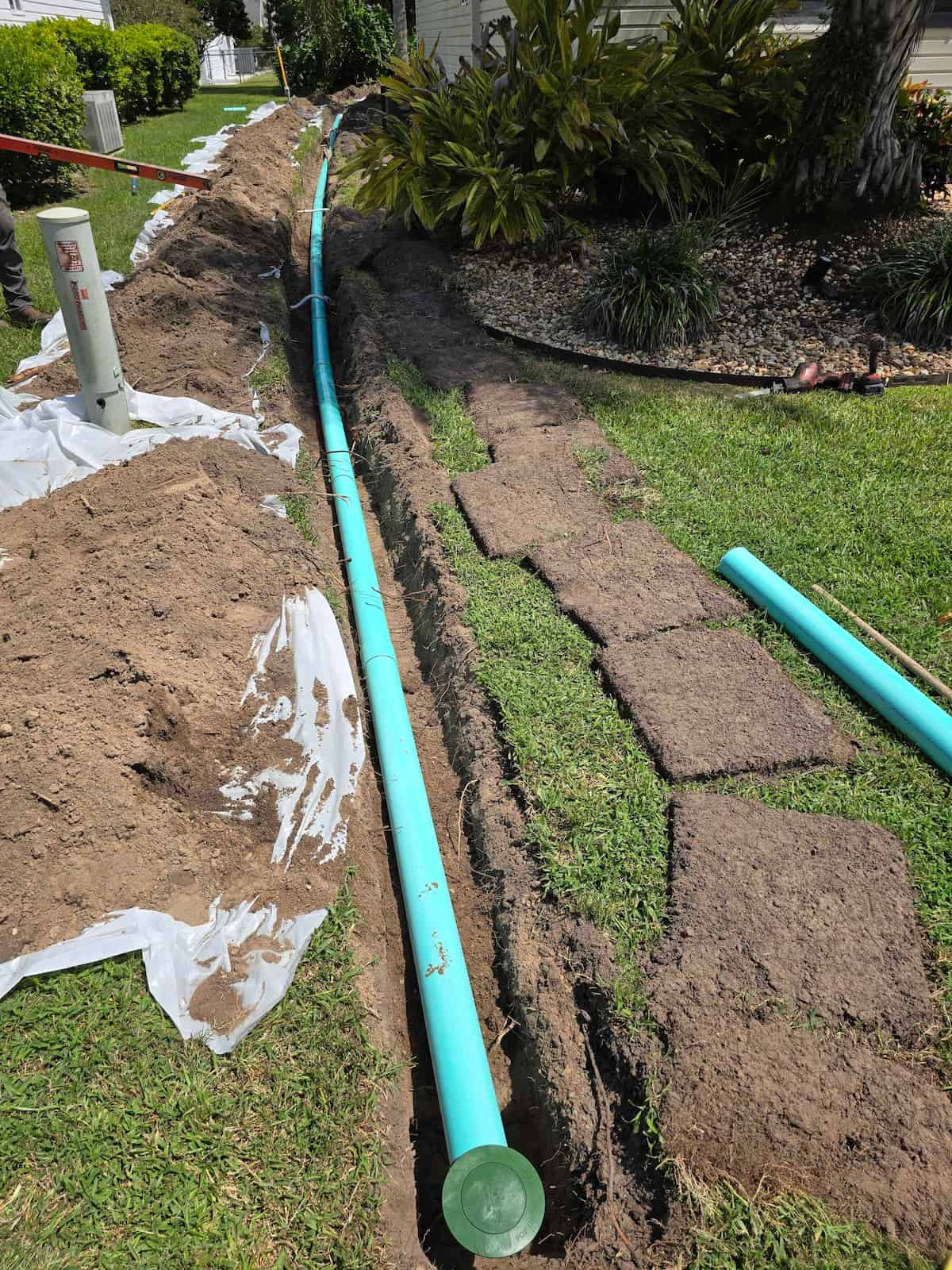
- Culvert and Pipe Maintenance: Regular cleaning and inspection of storm drains, culverts, and pipes are essential to ensure they are not blocked by debris, which can significantly impede water flow.
- Pump Station Optimization: Many areas rely on pump stations to move water during heavy rainfall. Upgrading these stations with more efficient technology and ensuring their reliable operation is paramount.
- Canal System Improvements: Modifications to canal banks, such as the use of vegetation to prevent erosion, and strategic dredging can improve their carrying capacity and reduce the risk of flooding.
Addressing the Impact of Sea Level Rise
The looming threat of sea level rise adds another layer of complexity to South Florida’s drainage challenges. As sea levels climb, the ability of gravity-fed drainage systems to discharge water into the ocean diminishes. This means that even moderate rainfall events can lead to prolonged flooding as stormwater struggles to exit the land.
Innovative Water Management Technologies
To combat the effects of rising sea levels, South Florida is exploring and implementing advanced water management strategies:
- Tidal Gates and Backflow Preventers: These structures are installed in canals to prevent saltwater from entering freshwater systems during high tides and storm surges, while still allowing for the discharge of excess freshwater when possible.
- Elevated Infrastructure: In critical areas, new construction is increasingly being elevated to protect against inundation from both rainfall and rising sea levels.
- Managed Retreat and Relocation: In some highly vulnerable coastal areas, difficult but necessary conversations are taking place about managed retreat and the relocation of infrastructure and communities to safer ground.
Regional Water Management Plans
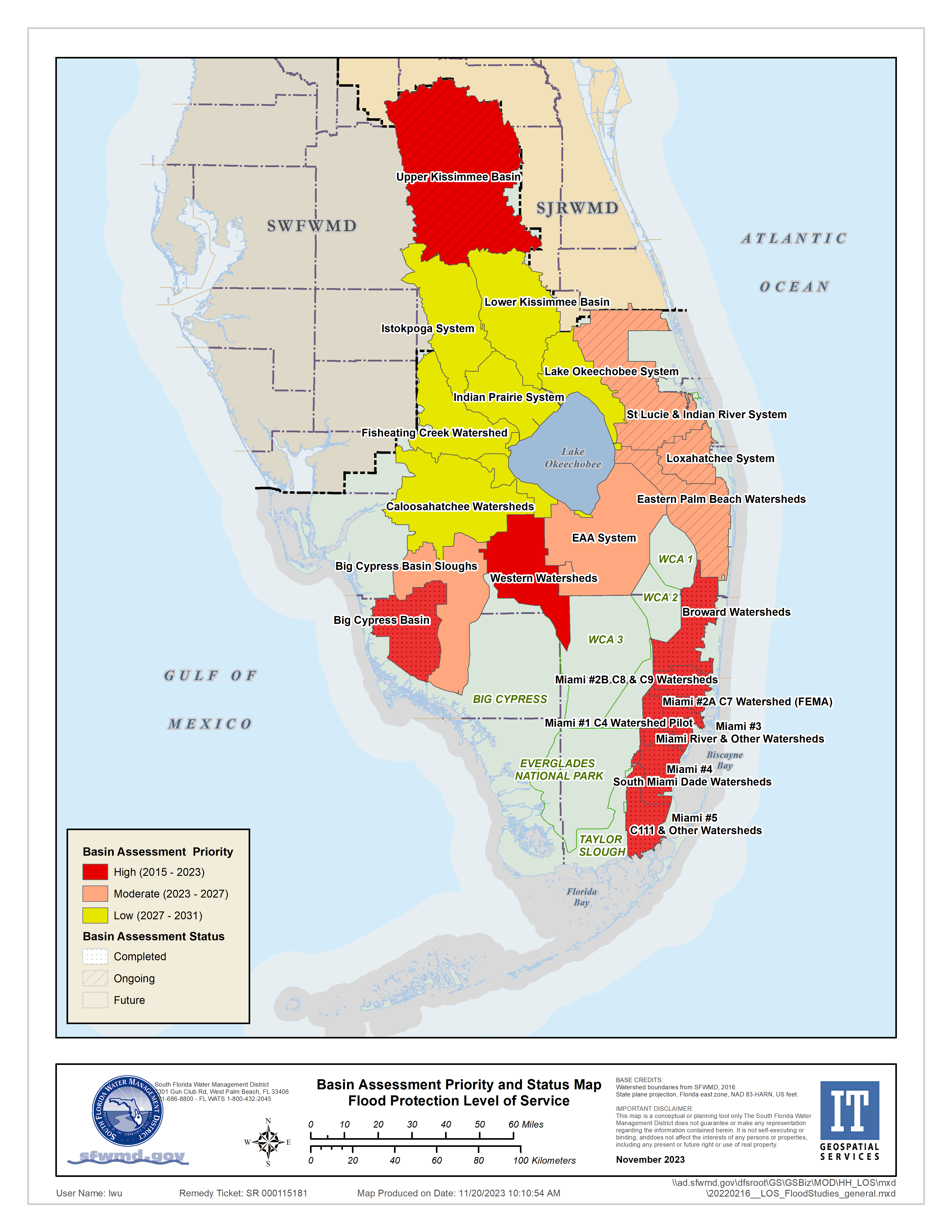
Effective drainage in South Florida necessitates a regional perspective. Collaborative efforts between different municipalities, county governments, and state agencies are vital for creating cohesive and effective water management plans. This includes coordinating efforts across the interconnected canal systems and sharing resources and expertise. The South Florida Water Management District plays a pivotal role in this regional coordination.
Community Engagement and Sustainable Practices
Beyond engineering and infrastructure, successful drainage management in South Florida hinges on the active participation and understanding of its residents and businesses. Promoting sustainable practices at the individual and community levels can significantly alleviate pressure on the broader system.
Individual Property Management for Drainage
Homeowners and property managers can implement several measures to improve drainage on their own properties and contribute to the collective effort:
- Maintain Gutters and Downspouts: Regularly cleaning gutters and ensuring downspouts direct water away from the foundation of buildings is a simple yet effective step.
- Proper Grading: Ensuring that the land around a property slopes away from the structure helps to prevent water accumulation near the foundation.
- Reduce Impervious Surfaces: Where feasible, replacing concrete or asphalt with permeable alternatives, such as gravel paths or more landscaping, can make a difference.
- Rain Barrels and Cisterns: Collecting rainwater from rooftops can reduce the volume of runoff and provide a sustainable source for irrigation.
Educating and Informing the Public
Raising public awareness about the causes and consequences of drainage problems is critical. Educational campaigns can inform residents about:
- The importance of not dumping debris into storm drains.
- The benefits of native landscaping that can better absorb water.
- The impact of individual actions on the larger water system.
- The role of local government initiatives and how residents can get involved.

Supporting Sustainable Development Policies
As South Florida continues to grow, embracing and enforcing sustainable development policies is essential. This includes:
- Requiring developers to incorporate green infrastructure into their projects.
- Implementing stricter regulations on land use in flood-prone areas.
- Investing in ongoing research and development of new drainage solutions.
By adopting a comprehensive, integrated approach that combines sophisticated engineering with a deep understanding of the region’s unique environment and the active participation of its communities, South Florida can effectively address its persistent drainage challenges, ensuring a more resilient and sustainable future for this beloved tropical destination.
LifeOutOfTheBox is a participant in the Amazon Services LLC Associates Program, an affiliate advertising program designed to provide a means for sites to earn advertising fees by advertising and linking to Amazon.com. Amazon, the Amazon logo, AmazonSupply, and the AmazonSupply logo are trademarks of Amazon.com, Inc. or its affiliates. As an Amazon Associate we earn affiliate commissions from qualifying purchases.