
Understanding the process of tracking your vote in Florida is crucial for ensuring your voice is heard and your ballot is counted. As a resident of the Sunshine State, you have several accessible tools and resources at your disposal to monitor the status of your vote, from the moment you cast it until its final tally. This guide will walk you through the official methods available, empowering you with the knowledge to participate confidently in the democratic process.
Understanding the Florida Vote Tracking System
The Florida Division of Elections, in conjunction with county supervisors of elections, provides a robust online system for voters to track their mail-in ballots and confirm their registration status. This system is designed with transparency and voter confidence in mind, allowing for real-time updates on key stages of the voting process.
The Official Online Portal
The primary tool for tracking your vote in Florida is the “Vote-by-Mail Ballot Status” tracker. This secure online portal is managed by the Florida Department of State. To access it, you will typically need to provide specific identifying information.
Required Information for Tracking
To utilize the vote tracking system, you will generally need to provide the following:
- Your First and Last Name: As registered on your voter file.
- Your Date of Birth: To verify your identity.
- Your County of Residence: As Florida elections are administered at the county level.
- Your Voter Unique Identification Number (VUID): This unique number is assigned to each registered voter and can be found on your voter information card or by accessing your voter registration details online.
Once this information is entered and verified, the system will display the current status of your mail-in ballot.
What to Look For in the Tracker
The vote tracking system provides a clear overview of your ballot’s journey. Key statuses you might see include:
- “Ballot Mailed”: This indicates that your ballot has been sent out from the supervisor of elections’ office to your registered address.
- “Ballot Received”: This confirms that your completed ballot has been successfully received by the supervisor of elections’ office. This is a critical milestone.
- “Ballot Accepted”: Once your ballot has been verified and accepted for counting, this status will be updated.
- “Ballot Rejected” or “Provisional Ballot Status”: If there are any issues with your ballot, such as a missing signature or a discrepancy, it may be flagged for review or marked as provisional. The tracker will provide information on how to resolve any such issues.
Accessing Your Voter Information
Beyond tracking a specific ballot, you can also use online resources to confirm your voter registration status and view your polling location if you plan to vote in person. This is often done through the same portal or a linked section on your county supervisor of elections’ website.
Confirming Voter Registration
Ensuring your voter registration is accurate and up-to-date is the first step in exercising your right to vote. The online portal allows you to:
- Verify your registration status: Confirm that you are active and eligible to vote.
- Check your registered address: Make sure your mailing address is current.
- View your assigned polling place: If you are voting in person, knowing your correct polling location is essential.
- See your party affiliation: Note your current party affiliation, which is relevant for primary elections.
This information is vital for a smooth voting experience.
Tracking In-Person and Mail-In Ballots: Key Differences and Considerations
While the primary focus of tracking systems is often on mail-in ballots, it’s important to understand how in-person voting is recorded and what you can do to ensure your vote is counted if you choose that method.
Mail-In Ballot Tracking in Detail
Florida has a robust vote-by-mail system, and the tracking portal is most frequently used by those who opt for this method.
The Mail-In Ballot Lifecycle
- Requesting Your Ballot: Voters can request a mail-in ballot online, by phone, or in person.
- Ballot Issuance: Once your request is processed and verified, your ballot is prepared and mailed to your registered address by the supervisor of elections. This is when the “Ballot Mailed” status typically appears.
- Completing Your Ballot: It is crucial to follow all instructions carefully when filling out your mail-in ballot. This includes signing the return envelope in the designated area.
- Returning Your Ballot: You have several options for returning your ballot:
- Mail: Ensure you mail it back with sufficient time for it to reach the supervisor of elections’ office by the deadline. The “Ballot Received” status will update once it’s in their hands.
- Drop Box: Many counties offer secure drop boxes where you can deposit your ballot. These are often located at supervisor of elections’ offices or other designated public facilities.
- In Person: You can deliver your ballot directly to your county’s supervisor of elections’ office.
- Verification and Counting: Upon receipt, your ballot’s signature is compared to the signature on file in your voter registration record. If the signatures match and all other requirements are met, your ballot is accepted for counting. The “Ballot Accepted” status will reflect this.
- Provisional Ballots: If there’s a signature discrepancy or another issue, your ballot may be designated as provisional. You will typically be notified and given an opportunity to “cure” the issue (provide missing information or correct the problem) so that your vote can be counted.
What to Do If Your Ballot Isn’t Tracked
If you believe your ballot should have been mailed or received and it doesn’t reflect this status, contact your county’s supervisor of elections immediately. They can investigate the issue and provide clarification. It’s always best to act quickly, especially as election deadlines approach.
Tracking In-Person Votes
While there isn’t a direct “tracking” system for in-person votes in the same way as mail-in ballots, your vote is recorded through your voter check-in at the polling place.
Polling Place Verification
When you arrive at your designated polling place on Election Day or during early voting, your eligibility is confirmed by election officials. Your name is checked against the voter rolls, and you are marked as having voted. This verification process ensures that each registered voter casts only one ballot.
What if You Encounter an Issue at the Polls?

If you encounter any issues at your polling place, such as your name not being on the rolls or being told you’ve already voted when you haven’t, speak to a poll worker or a precinct supervisor immediately. They are trained to handle such situations and can guide you through the proper procedures, which may include casting a provisional ballot.
Preparing to Vote: Essential Information and Best Practices
Proactive preparation is key to a smooth voting experience in Florida. Ensuring your information is accurate and understanding the voting procedures well in advance of Election Day can prevent last-minute complications.
Voter Registration and Verification
The foundation of tracking your vote begins with accurate voter registration.
Maintaining Your Registration Information
It is your responsibility as a voter to keep your registration information current. If you have moved, changed your name, or wish to change your party affiliation, you must update your voter registration. This can be done through the same online portal where you track your ballot, or via mail or in person at your county supervisor of elections’ office. The deadline to register to vote or update your registration for an election is 29 days before the election.
Voter Information Card
When you register to vote or update your information, you should receive a voter information card. This card contains vital details, including your name, address, party affiliation, and your unique VUID. Keep this card in a safe place, as it can be helpful for various election-related inquiries.
Understanding Election Deadlines
Strict adherence to election deadlines is paramount in Florida. Missing a deadline can mean your vote may not be counted.
Key Election Dates to Remember
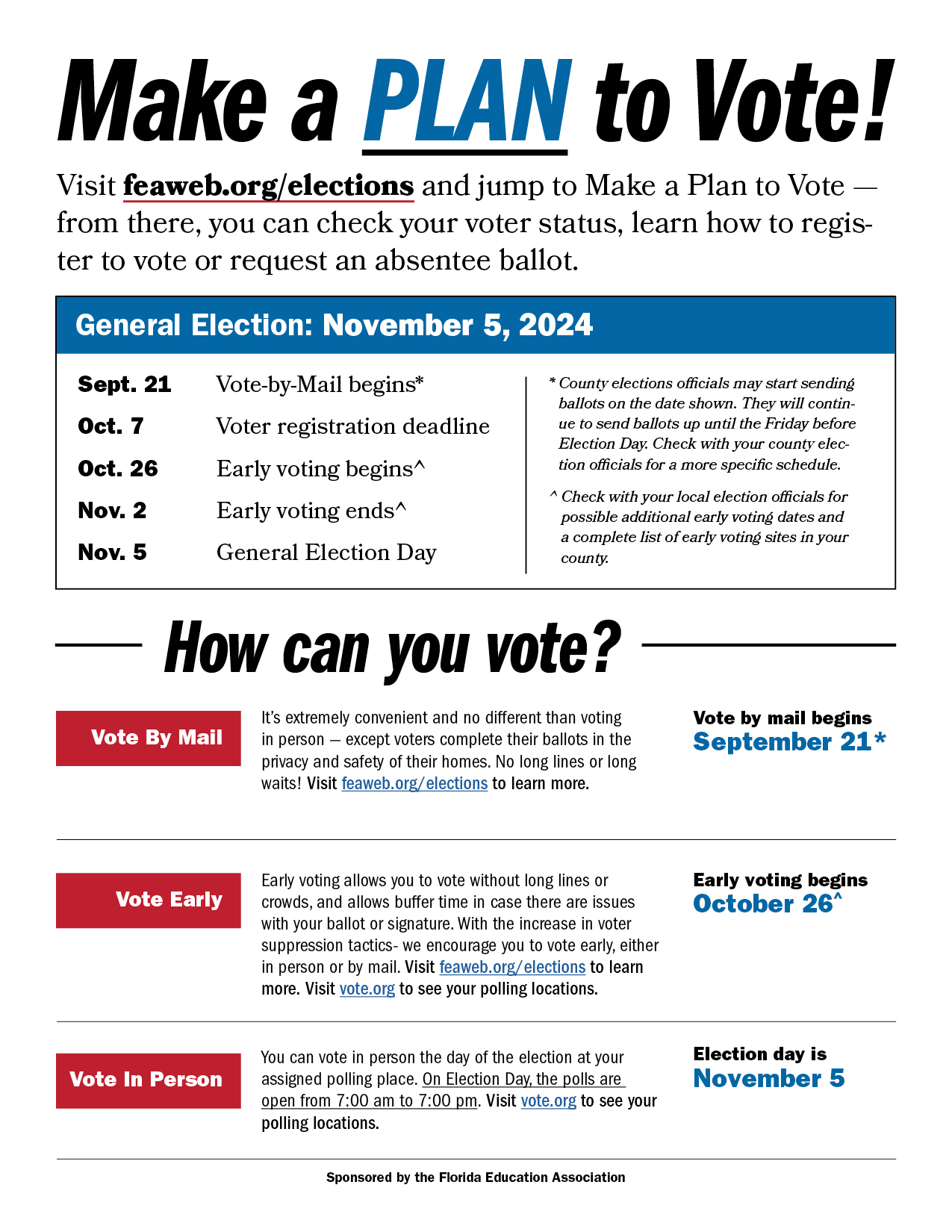
- Voter Registration Deadline: 29 days before the election.
- Mail-In Ballot Request Deadline: Typically 10 days before the election.
- Early Voting Period: Varies by county but generally begins 10 days before the election and ends 3 days before the election.
- Mail-In Ballot Return Deadline: By 7 p.m. on Election Day. Postmarks do not count; the ballot must be received by the deadline.
Always consult your county supervisor of elections’ website or the Florida Division of Elections for the most accurate and up-to-date election calendar for your specific election.
What to Do If There’s an Issue with Your Ballot
Encountering an issue with your ballot, whether by mail or in person, can be concerning. However, Florida election laws provide mechanisms to address such situations.
The “Cure” Process for Mail-In Ballots
If your mail-in ballot has a missing signature or other curable defect, you will typically receive a notice from your supervisor of elections. This notice will explain the problem and the steps you need to take to correct it. This process is often referred to as “curing” your ballot. You will usually have until a few days after Election Day to provide the necessary documentation or signature verification.
Provisional Ballots for In-Person Voting
If you go to vote in person and there is a question about your eligibility or your name is not on the voter roll, you have the right to cast a provisional ballot. A provisional ballot is counted only after election officials have verified your eligibility. You will be given instructions on how to follow up on the status of your provisional ballot.
Resources for Further Assistance
Navigating the electoral process can sometimes require additional support. Fortunately, Florida provides multiple avenues for voters to seek help and obtain accurate information.
County Supervisor of Elections Offices
Your county’s supervisor of elections is your primary point of contact for all election-related matters. They administer elections within their county, manage voter registration, and provide essential services to voters.
Direct Contact Information
You can find the contact information for your local supervisor of elections by visiting the Florida Division of Elections website or by searching online for “[Your County Name] Supervisor of Elections.” This includes phone numbers, email addresses, and physical office locations. Don’t hesitate to call them with any questions or concerns.
Florida Division of Elections
The Florida Division of Elections serves as the statewide authority for elections. They provide official election information, manage the statewide voter registration system, and ensure that elections are conducted in accordance with state and federal laws.

Official State Resources
The Division of Elections website is a comprehensive source of information. You can find:
- The official Vote-by-Mail Ballot Status tracker.
- Information on voter registration and how to update your details.
- Election dates and deadlines.
- Links to county supervisor of elections websites.
- Answers to frequently asked questions about voting in Florida.
By utilizing these resources, you can confidently track your vote and ensure your participation in the democratic process is secure and effective.
LifeOutOfTheBox is a participant in the Amazon Services LLC Associates Program, an affiliate advertising program designed to provide a means for sites to earn advertising fees by advertising and linking to Amazon.com. Amazon, the Amazon logo, AmazonSupply, and the AmazonSupply logo are trademarks of Amazon.com, Inc. or its affiliates. As an Amazon Associate we earn affiliate commissions from qualifying purchases.