
Navigating the intricacies of transferring a vehicle’s title in Florida is a common yet often perplexing process for many residents. Whether you’ve recently purchased a new or used car, gifted a vehicle to a family member, or are managing an estate, understanding the correct procedures is paramount to ensure legal ownership and avoid future complications. This guide aims to demystify the title transfer process in the Sunshine State, providing a clear, step-by-step approach for various scenarios.
Understanding the Florida Title and Its Importance
A vehicle title, officially known as a Certificate of Title, is the legal document that proves ownership of a motor vehicle. In Florida, this document is issued by the Florida Department of Highway Safety and Motor Vehicles (FLHSMV). It contains vital information about the vehicle, including its make, model, year, Vehicle Identification Number (VIN), and the names of the current and previous owners.
Why is a Title Transfer Necessary?
- Proof of Ownership: The title is the definitive legal proof that you own the vehicle. Without it, you cannot legally register the vehicle in your name, sell it, or claim it in insurance matters.
- Legal Compliance: Driving an unregistered vehicle or a vehicle not titled in your name can lead to significant fines and penalties.
- Sale and Purchase: When buying or selling a vehicle, a title transfer is a mandatory step to ensure the new owner legally possesses the vehicle.
- Gifting or Inheritance: If a vehicle is gifted or inherited, the title must be transferred to the new owner’s name.
- Lien Release: If a vehicle had a loan (lien) on it, the title needs to be updated to reflect that the lien has been satisfied.
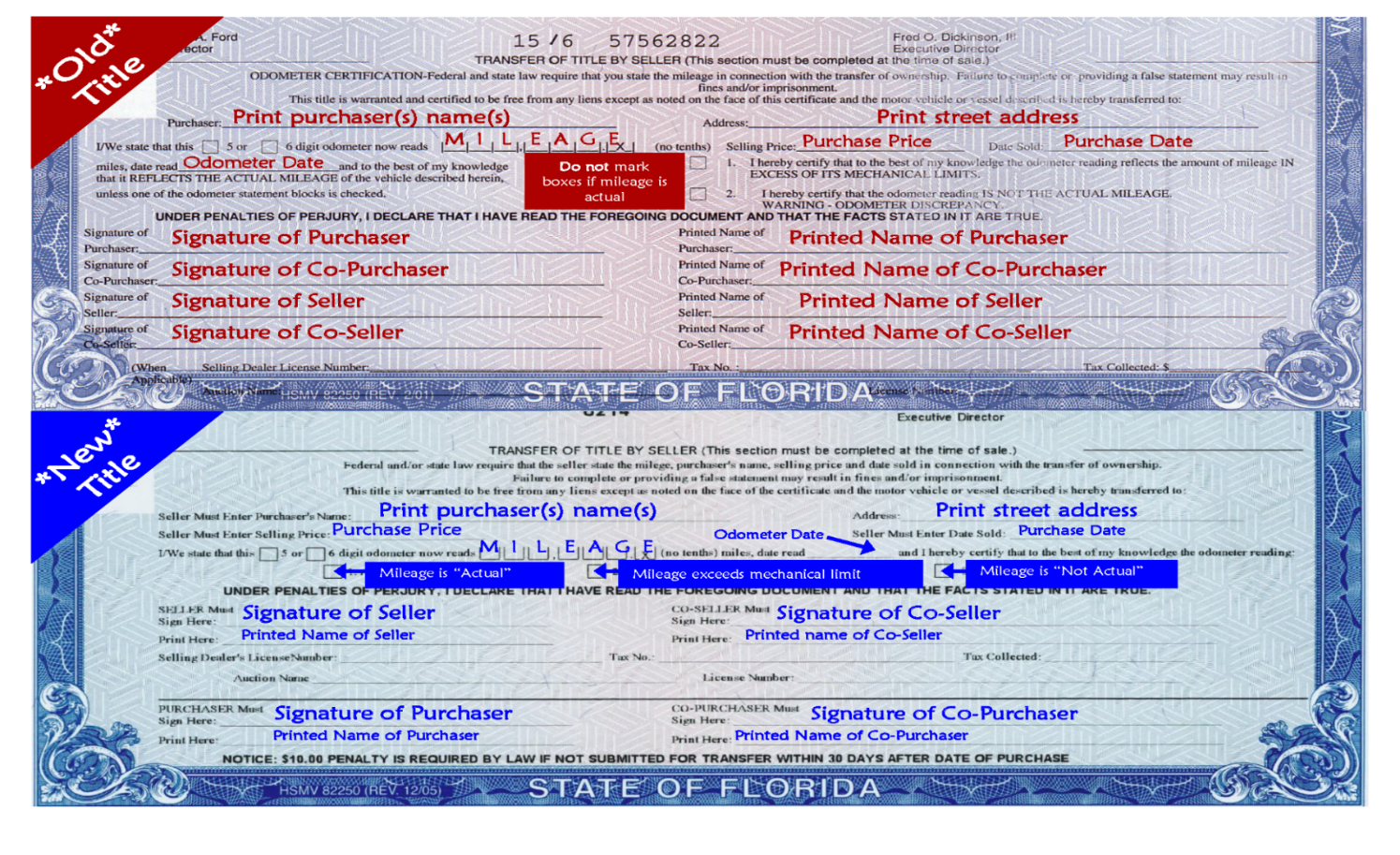
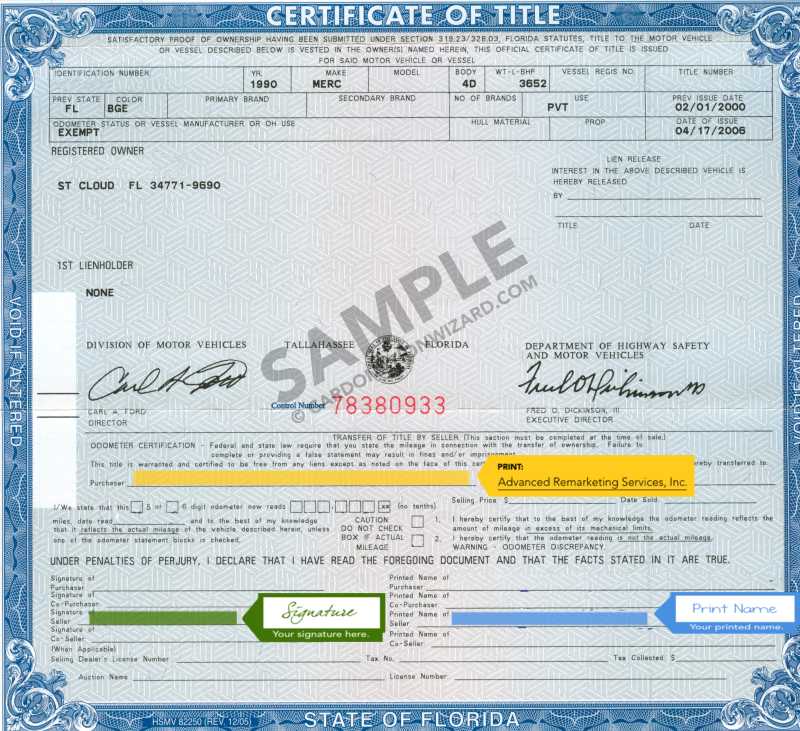
Key Information on Your Florida Title
Familiarizing yourself with your current title is the first step. Look for:
- Owner’s Name(s): Ensure your name is spelled correctly.
- Vehicle Description: Verify the VIN, make, model, and year match your vehicle.
- Lienholder Information: If applicable, this section will list the bank or financial institution that holds a lien on the vehicle.
- Odometer Reading: The actual mileage of the vehicle is recorded.
- Signatures: The previous owner(s) must sign the title to transfer ownership.
Transferring Title for a New or Used Vehicle Purchase
This is perhaps the most common scenario for a title transfer. Whether you bought from a dealership or a private seller, the process requires careful attention to detail.
Purchasing from a Dealership
When you buy a vehicle from a licensed Florida dealership, they typically handle the title and registration process on your behalf. This simplifies things considerably, as they are experienced in these transactions.
- Dealership Handles Paperwork: The dealership will prepare all the necessary paperwork, including the title application, bill of sale, and any required tax forms.
- Payment of Taxes and Fees: You will pay the sales tax, title fees, and registration fees directly to the dealership, who then remits them to the state.
- Receiving Your New Title and Registration: Within a few weeks, you will receive your new vehicle title and registration documents in the mail.
Purchasing from a Private Seller
This scenario requires more involvement from the buyer. Both the buyer and seller have specific responsibilities to ensure a smooth transfer.
Buyer’s Responsibilities:
- Obtain the Title from the Seller: The seller must provide you with the properly endorsed title. Crucially, ensure the seller’s name(s) on the title exactly match the name(s) listed as the owner(s). If there are two owners listed with “AND” between them, both must sign. If “OR” is used, only one needs to sign.
- Complete the Bill of Sale: While not always mandatory for title transfer itself, a bill of sale is highly recommended. It serves as a receipt and proof of the transaction details, including the sale price, date, VIN, and names of buyer and seller.
- Complete the Application for Certificate of Title With/Without Registration (HSMV 82040): This form is available on the FLHSMV website or at any local county tax collector’s office. You will need to fill out your information, the vehicle’s details, and the seller’s information.
- Provide Proof of Identity: You will need a valid driver’s license or identification card.
- Pay Applicable Taxes and Fees:
- Sales Tax: Florida imposes a 6% state sales tax on vehicles, with an additional discretionary sales surtax that varies by county. This tax is calculated on the purchase price or the vehicle’s book value, whichever is greater.
- Title Fee: There is a statutory fee for issuing a new title.
- Registration Fee: If you are registering the vehicle at the same time, registration fees will also apply, based on the vehicle’s weight.
- Obtain Florida Insurance: Before you can register the vehicle, you must have valid Florida auto insurance that meets the state’s minimum requirements.
- Submit Documents to the County Tax Collector’s Office: You have 30 days from the date of purchase to transfer the title to your name and register the vehicle to avoid penalties. You can visit any Florida county tax collector’s office.
Seller’s Responsibilities:
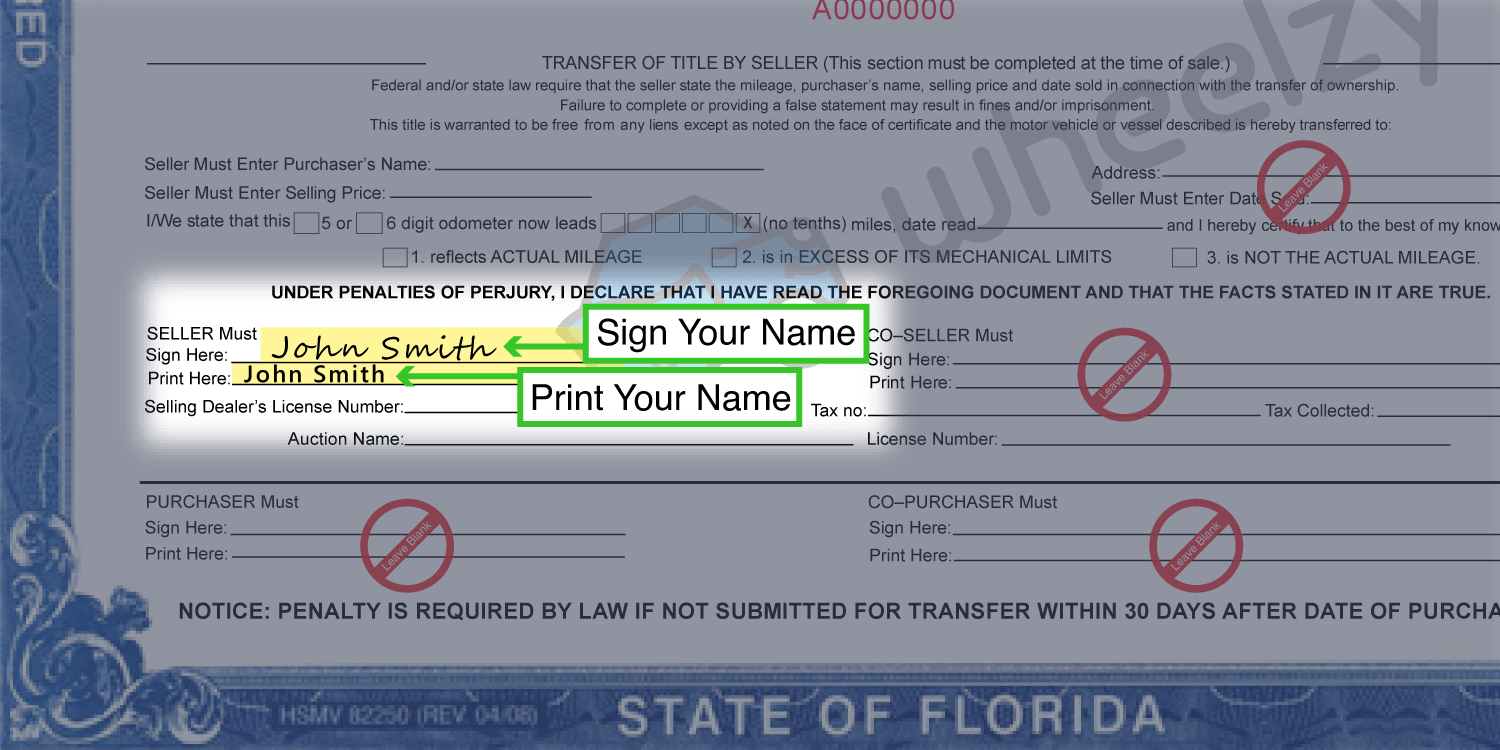
- Sign and Date the Title: The seller must properly sign and date the title in the designated “Assignment of Title by Owner” section.
- Record Odometer Reading: The seller must accurately record the vehicle’s odometer reading at the time of sale.
- Provide Bill of Sale (Recommended): Providing a bill of sale protects the seller by documenting the sale.
- Remove License Plates: In Florida, license plates are generally not transferred with the vehicle unless they are specialty plates. The seller should remove their license plates before the sale.
What If the Seller Lost the Title?
If the seller has lost the title, they will need to apply for a replacement title from the FLHSMV before they can transfer ownership to you. This can cause delays, so it’s best to ensure the seller has the title in hand before proceeding with the sale.
Transferring Title for Gifting or Inheritance
Transferring a vehicle title to a family member or as part of an estate involves specific procedures and potential exemptions.
Gifting a Vehicle
When gifting a vehicle, the process is similar to a private sale, but there can be sales tax exemptions.
- Seller’s Actions: The “seller” (giver) signs the title over to the recipient. On the Application for Certificate of Title (HSMV 82040), they should indicate that the transfer is a gift.
- Buyer’s Actions: The recipient completes their section of the Application for Certificate of Title.
- Sales Tax Exemption: Florida law allows for sales tax exemptions on vehicle transfers between certain family members (spouse, lineal descendants, lineal ascendants). You will need to fill out an Affidavit of Tax Exemption (HSMV 83363) to claim this exemption. Even with a gifted vehicle, title fees and registration fees still apply.
- Proof of Identity, Insurance, and Submission: The recipient must provide proof of identity, valid Florida insurance, and submit all paperwork to the county tax collector’s office within 30 days.
Inheritance of a Vehicle
Transferring a vehicle title due to inheritance requires proper documentation to prove your right to the vehicle.
- If the Deceased Owned the Vehicle Solely:
- You will need the original title signed by the deceased owner (if they signed it over prior to death, this is a separate scenario).
- You will need a death certificate.
- Depending on whether there was a will and the value of the estate, you might need a court order, letters of administration, or an affidavit for transfer without administration (if the estate is under a certain value).
- The Affidavit of Inheritance (HSMV 82063) is often used in conjunction with other required documents.
- If the Deceased Co-Owned the Vehicle (e.g., with “AND”):
- The surviving owner can typically transfer the title if they are listed as a co-owner.
- A death certificate will be required.
- Submission: All required documents must be presented to the county tax collector’s office.
It is highly recommended to consult with the county tax collector’s office or an attorney for complex estate situations.
Transferring Title When There is a Lienholder
If a vehicle has an outstanding lien, the title transfer process differs slightly.
Paying Off a Lien
Once you have paid off your vehicle loan:
- Lien Release: The lienholder (bank or financial institution) will typically either:
- Send you a separate Lien Release document.
- Sign off on the original title, indicating the lien has been satisfied.
- Note: If the lienholder retains the title, you will need to request they release it to you or directly to the county tax collector’s office.
- Applying for a New Title: With the lien satisfied and the title or lien release in hand, you can proceed with transferring the title to your name as if it were a private sale purchase, or to a new owner if you are selling the vehicle. The process involves submitting the title with the lien release, the Application for Certificate of Title (HSMV 82040), proof of identity, insurance, and paying the applicable fees.
Transferring a Title with an Active Lien
If you are selling a vehicle that still has an active lien, the process is more complex and requires coordination with the lienholder.
- Buyer’s Payment: The buyer will typically pay the seller, and the seller uses these funds to pay off the lienholder.
- Lienholder’s Role: The lienholder must then endorse the title to indicate the lien is satisfied and either transfer it directly to the buyer or back to the seller to then transfer to the buyer.
- Coordination is Key: Open communication between the buyer, seller, and lienholder is essential to ensure the title is properly handled and transferred. Often, this transaction may need to be completed at the lienholder’s branch to ensure security.
Other Title Transfer Scenarios and Considerations
Correcting Errors on a Title
If you discover an error on your current title (e.g., name misspelling, VIN discrepancy), you will need to apply for a corrected title through the FLHSMV. This typically involves submitting the original title, a completed Application for Certificate of Title, and documentation to support the correction.
Out-of-State Vehicle Titles
If you are bringing a vehicle into Florida from another state:
- Obtain the Out-of-State Title: You will need the title from the previous state.
- VIN Verification: The vehicle’s VIN must be verified by a law enforcement officer, a licensed dealer, or a Florida DMV compliance examiner.
- Submit Documents: You will submit the out-of-state title, proof of VIN verification, Application for Certificate of Title (HSMV 82040), proof of identity, and Florida insurance to the county tax collector’s office.
- Sales Tax: Florida generally imposes sales tax on vehicles purchased out-of-state unless you can prove tax was paid in the other state.
Specialty Plates and Transfers
If you have specialty license plates, they are generally tied to your driver’s license, not the vehicle, and can be transferred to a new vehicle when you register it. However, specific rules may apply to certain types of plates.
Conclusion
Transferring a title in Florida demands attention to detail and adherence to state regulations. Whether you are buying, selling, gifting, or inheriting a vehicle, understanding the documentation required, the relevant fees, and the roles of each party involved is crucial. By following these guidelines and consulting with your local county tax collector’s office or the FLHSMV for specific inquiries, you can ensure a smooth and legal transfer of vehicle ownership, allowing you to enjoy your vehicle with peace of mind.
LifeOutOfTheBox is a participant in the Amazon Services LLC Associates Program, an affiliate advertising program designed to provide a means for sites to earn advertising fees by advertising and linking to Amazon.com. Amazon, the Amazon logo, AmazonSupply, and the AmazonSupply logo are trademarks of Amazon.com, Inc. or its affiliates. As an Amazon Associate we earn affiliate commissions from qualifying purchases.