
When considering the optimal conditions for preserving frozen goods, especially in a region known for its consistent warmth like Florida, the question of freezer temperature becomes paramount. For many, the ideal freezer temperature is often cited as 0°F (-18°C). However, the specific inquiry into whether 10°F (-12°C) is a “good” temperature for a freezer in Florida requires a nuanced understanding of food safety, quality preservation, and the unique environmental factors at play in the Sunshine State. While 0°F remains the gold standard recommended by food safety organizations, 10°F is not an inherently unsafe temperature, but it does come with certain caveats, particularly concerning the longevity and quality of frozen items.
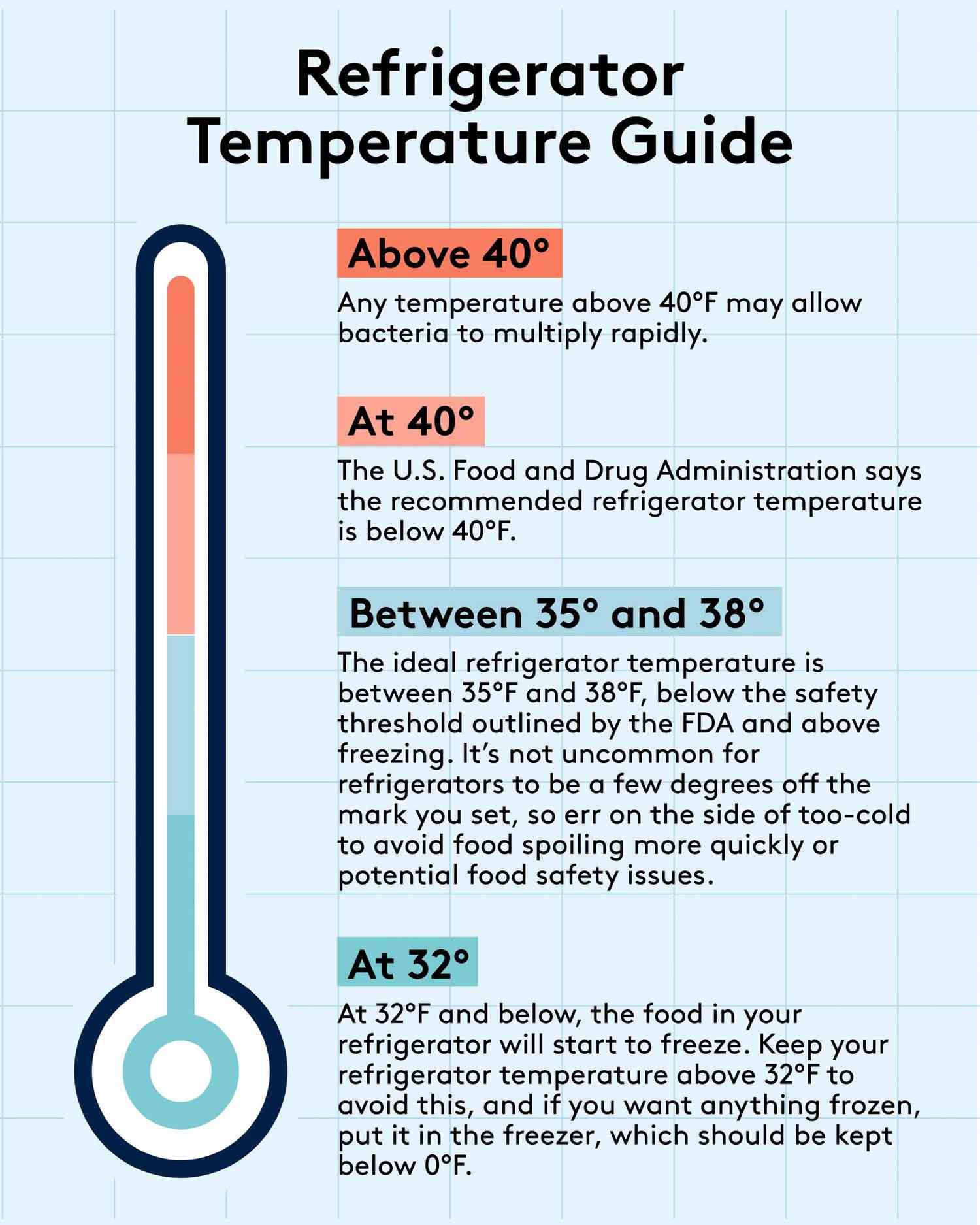
The primary goal of a freezer is to halt microbial activity, thereby preventing spoilage and extending the shelf life of food. At 0°F, water within food freezes solid, creating ice crystals that significantly slow down the enzymatic and chemical processes that lead to degradation. This temperature ensures that most foods can be stored safely for extended periods, often months or even years, without significant loss of nutritional value or desirable texture.
When a freezer operates at 10°F, the food is still frozen, but the temperature is closer to the freezing point of water. This means that while bacterial growth is still inhibited, certain enzymatic reactions may continue at a slower pace. Consequently, foods stored at 10°F might experience a more rapid decline in quality compared to those stored at 0°F. This could manifest as freezer burn becoming more prominent, textures becoming less appealing (e.g., ice crystals growing larger, leading to mushiness upon thawing), and a faster loss of flavor and nutrients.
The Unique Demands of the Florida Climate
Florida presents a unique set of challenges for maintaining optimal appliance performance, including freezers. The subtropical and tropical climate, characterized by high ambient temperatures and humidity, places a greater strain on refrigeration and freezing units.
Ambient Temperature and Appliance Efficiency
In Florida, the external environment is a constant battle against heat. Refrigerators and freezers are designed to operate within a certain ambient temperature range. When the surrounding air is significantly warmer, these appliances must work harder and longer to maintain their internal set temperatures. This increased workload can lead to more frequent cycling of the compressor, higher energy consumption, and potentially reduced lifespan if the unit is not adequately designed or maintained.
For a freezer set at 10°F in a typical Florida home, the unit will need to exert considerable effort to keep the internal temperature consistently below freezing, especially during the warmer months when indoor temperatures might fluctuate. If the freezer’s thermostat is struggling to maintain the set point due to external heat, the actual internal temperature could drift even higher, further compromising food quality.
Humidity and Its Impact
High humidity levels in Florida can also play a role. While the freezer is designed to be a sealed environment, repeated opening and closing of the door, or even slight imperfections in the door seal, can allow humid air to enter. When this humid air comes into contact with the cold interior surfaces and food, it can condense and freeze, leading to frost buildup. Excessive frost can impede the freezer’s efficiency and potentially affect the quality of the food by creating ice crystals.
Evaluating 10°F in the Context of Food Preservation
While food safety agencies and manufacturers generally advocate for 0°F, understanding the practical implications of 10°F is crucial for everyday consumers in Florida.
Short-Term vs. Long-Term Storage
For items intended for consumption within a few weeks or months, a freezer temperature of 10°F might be acceptable. The risk of significant quality degradation is lower for shorter storage periods. However, for long-term storage of meats, vegetables, or prepared meals intended to last for many months, the difference between 0°F and 10°F can become noticeable. Foods stored at 10°F may experience a quicker development of freezer burn, a phenomenon characterized by dehydration and oxidation that alters texture and flavor.

Types of Food and Temperature Sensitivity
Different types of food react differently to freezing temperatures. Fatty meats, for instance, are more susceptible to rancidity over time, even when frozen. Maintaining a colder temperature helps to slow down this process. Leaner meats and vegetables might tolerate 10°F slightly better than fatty cuts, but quality will still be impacted over extended periods. For delicate items like baked goods or certain fruits, the textural changes at 10°F could be more pronounced.
Energy Efficiency Considerations
There is a common misconception that setting a freezer to a warmer temperature will significantly save energy. While it’s true that less energy is required to maintain 10°F compared to 0°F, the savings might not be as substantial as one would hope, especially considering the potential compromise in food quality. Modern freezers are designed to be energy-efficient, and the difference in power consumption between these two set points might be marginal for a well-maintained appliance. The greater energy draw often comes from the appliance working harder to fight ambient heat in a warm climate like Florida, regardless of the precise set temperature. Therefore, prioritizing a well-sealed, efficient freezer is often more impactful for energy savings than merely adjusting the temperature by 10 degrees.
Recommendations for Florida Residents
Given the unique environmental conditions in Florida and the science of food preservation, here are some recommendations regarding freezer temperatures.
Strive for 0°F
The most prudent advice for residents of Florida is to aim for a freezer temperature of 0°F (-18°C) whenever possible. This ensures the best possible preservation of food quality and safety, maximizing the shelf life of your frozen items and minimizing the risk of spoilage or textural degradation. Investing in a quality freezer that can reliably maintain this temperature, even in high ambient heat, is a wise decision for any household.
Monitoring and Maintenance
Regardless of the set temperature, regular monitoring is crucial. Use a freezer thermometer to check the actual internal temperature, as built-in thermostats can sometimes be inaccurate. Ensure the door seals are tight and free from damage to prevent warm, humid air from entering. Defrost the freezer regularly if it’s not a frost-free model, as excessive frost buildup reduces efficiency. For those living in a coastal area like Miami or near the Everglades, the high humidity may necessitate more frequent checks.
Proper Food Packaging
Effective food packaging is essential for maintaining quality, especially when dealing with less-than-ideal temperatures. Use airtight containers, freezer bags designed for long-term storage, or vacuum-sealed bags to minimize exposure to air and prevent freezer burn. This is particularly important if your freezer consistently hovers around 10°F. Properly packaged food will fare better at slightly warmer freezing temperatures than inadequately protected items.

Consider Appliance Age and Condition
An older or poorly maintained freezer may struggle to reach and maintain even 10°F consistently in the Florida heat. If you are experiencing difficulties in keeping your freezer at the desired temperature, it might be time to consider an upgrade to a more energy-efficient and robust model, perhaps one specifically rated for higher ambient operating temperatures. Modern appliances often come with enhanced insulation and more powerful compressors better suited for challenging climates.
Ultimately, while 10°F is still below the freezing point of water and will inhibit bacterial growth, it is a compromise from the ideal 0°F for optimal food preservation. For Florida residents who value the quality and longevity of their frozen goods, making the effort to achieve and maintain 0°F is a worthwhile endeavor.
LifeOutOfTheBox is a participant in the Amazon Services LLC Associates Program, an affiliate advertising program designed to provide a means for sites to earn advertising fees by advertising and linking to Amazon.com. Amazon, the Amazon logo, AmazonSupply, and the AmazonSupply logo are trademarks of Amazon.com, Inc. or its affiliates. As an Amazon Associate we earn affiliate commissions from qualifying purchases.