
The recent rumblings and speculation surrounding Edison Insurance Company and its potential withdrawal from the Florida insurance market have sent ripples of concern through homeowners and real estate professionals across the Sunshine State. As the state grapples with an increasingly volatile insurance landscape, marked by rising premiums, limited coverage options, and a string of insurer insolvencies, any indication of a major player reconsidering its position warrants close examination. This article delves into the factors influencing Edison Insurance and provides insights into what a potential departure could signify for Florida residents.
Navigating the Turbulent Florida Insurance Market
The insurance industry in Florida has long been a complex ecosystem, significantly influenced by the state’s unique geographic vulnerabilities. High rates of hurricanes, sinkholes, and coastal erosion contribute to a higher claims frequency and severity compared to many other states. This has historically led to a more specialized and often more expensive insurance market. However, in recent years, the situation has been exacerbated by a confluence of factors:

The Specter of Rising Premiums
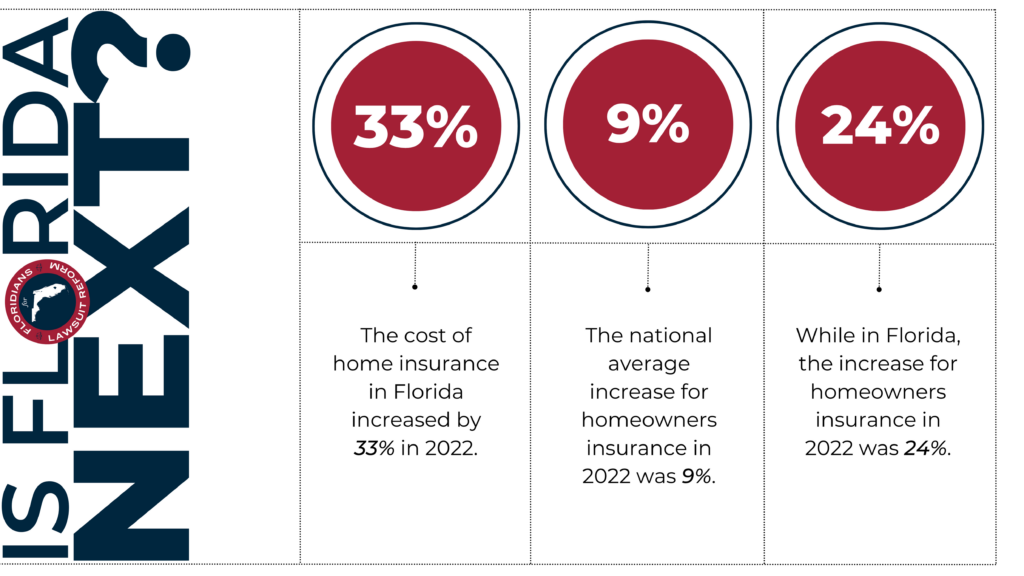
For many Florida homeowners, the cost of property insurance has become a significant financial burden. Premiums have seen dramatic increases, driven by several interconnected issues:
- Catastrophic Events: A series of active hurricane seasons in the past decade has led to substantial payouts for insurers, straining their financial reserves. The increasing frequency and intensity of these storms, potentially linked to climate change, have made risk modeling more challenging and costly.
- Litigation and Fraud: Florida has a reputation for high rates of insurance-related litigation, often referred to as “sue-and-settle” practices. This legal environment, coupled with instances of insurance fraud, significantly inflates claims costs for insurers, which are then passed on to policyholders in the form of higher premiums.
- Reinsurance Costs: Insurers rely on reinsurance to protect themselves against catastrophic losses. The cost of reinsurance has surged globally, particularly for insurers operating in high-risk areas like Florida. This increased cost of hedging against major events directly translates into higher premiums for consumers.
- Regulatory Environment: The complex and often evolving regulatory landscape in Florida can also impact insurer profitability and their willingness to operate in the state.
The Flight of Insurers
The combination of escalating costs and challenging market conditions has led to a significant number of insurers either going insolvent or voluntarily exiting the Florida market. This trend has created an insurance “crisis,” where fewer companies are willing to underwrite policies, leading to reduced competition and even greater premium hikes for the remaining policyholders. The state-backed Citizens Property Insurance Corporation, initially intended as a last resort, has seen its policy count skyrocket, becoming the largest insurer in the state, a situation many consider unsustainable.
Understanding Edison Insurance’s Position
Edison Insurance Company, a provider that has served Florida residents, is reportedly evaluating its future in the state. While official confirmations of a complete withdrawal are often slow to emerge, the signals are enough to cause concern. Several factors could be driving such considerations:
Financial Viability and Risk Assessment
For any insurance company, maintaining financial stability is paramount. This involves carefully assessing the risks associated with underwriting policies in a particular market and ensuring sufficient capital to cover potential claims. In Florida, the escalating costs mentioned earlier directly impact an insurer’s risk assessment.
- Actuarial Challenges: Accurately predicting future losses in a state prone to extreme weather events, coupled with the unpredictable nature of litigation costs, makes actuarial modeling exceptionally difficult. If projections indicate an inability to maintain profitability or solvency under current conditions, an insurer might consider reducing its exposure.
- Capital Requirements: Regulatory bodies often impose capital requirements on insurance companies to ensure they can meet their obligations. In a high-risk market like Florida, these requirements can be substantial, and if an insurer struggles to meet them or finds it too expensive to do so, it might explore other markets.
Reinsurance Market Pressures
As highlighted, the cost and availability of reinsurance are critical for insurers operating in Florida. If Edison Insurance is facing significantly higher reinsurance premiums or is unable to secure adequate reinsurance coverage for its Florida business, it could make continuing operations in the state financially unviable. Reinsurers themselves are increasingly scrutinizing their exposure to high-risk markets, leading to a ripple effect throughout the insurance chain.
Strategic Business Decisions
Beyond the immediate financial pressures, Edison Insurance may also be making strategic decisions about its portfolio and geographic focus. The insurance industry is highly competitive, and companies constantly evaluate where they can achieve the best return on investment and serve their policyholders most effectively.
- Market Saturation: While the market is contracting in terms of the number of insurers, the remaining ones face intense competition for a shrinking pool of willing customers.
- Operational Efficiency: Some companies might find it more efficient to focus their resources on markets where they have a stronger established presence or where the regulatory and risk environment is more stable.
- Diversification: A company might decide to diversify its risk by reducing its concentration in a single, high-risk market like Florida and expanding into other regions or lines of business.
Implications for Florida Homeowners
If Edison Insurance were to officially announce a withdrawal from Florida, the impact on its existing policyholders and the broader market would likely be significant, albeit potentially phased.
For Current Policyholders
- Policy Non-Renewal: Policyholders would receive non-renewal notices, giving them a specified period to secure new insurance coverage. This process can be stressful and time-consuming, especially in a market with limited options.
- Increased Search for Coverage: With one less insurer in the market, the demand for policies from the remaining companies would increase. This could lead to even tighter underwriting standards and potentially higher premiums for new policies.
- Reliance on Citizens Property Insurance Corporation: Many displaced policyholders may find themselves being forced into Citizens Property Insurance Corporation, further increasing the burden on the state-backed entity.
Broader Market Impact
- Reduced Competition: The exit of any insurer, particularly one with a notable presence, further diminishes competition. This can empower remaining insurers to dictate terms and pricing more assertively.
- Increased Pressure on State Reforms: Such a move would likely intensify calls for further legislative action to stabilize the Florida insurance market. Lawmakers have undertaken various reforms in recent years, but the underlying issues of risk, litigation, and reinsurance remain persistent challenges.
- Impact on Real Estate Market: The availability and affordability of homeowners insurance are intrinsically linked to the health of the real estate market. If insurance becomes prohibitively expensive or unavailable, it can hinder property sales, reduce property values, and impact the broader economy.
Looking Ahead: A Path to Stabilization?
The situation with Edison Insurance is a microcosm of the broader challenges facing Florida. Addressing the insurance crisis requires a multi-faceted approach, encompassing:
- Meaningful Tort Reform: Continuing efforts to curb frivolous lawsuits and rein in the impact of litigation on claims costs is crucial.
- Reinsurance Market Stability: Working towards solutions that stabilize reinsurance costs and availability for Florida insurers is essential. This might involve state-backed reinsurance programs or incentives for private reinsurers.
- Risk Mitigation and Preparedness: Investing in infrastructure and community preparedness to mitigate the impact of natural disasters can reduce future claims.
- Attracting and Retaining Insurers: Creating a more predictable and stable regulatory and economic environment that encourages insurers to enter and remain in the Florida market.
While the ultimate decision of Edison Insurance remains to be seen, the ongoing scrutiny of their operations underscores the critical juncture the Florida insurance market finds itself. For homeowners, staying informed about policy renewals, exploring all available coverage options, and advocating for sustainable solutions remains paramount in navigating these challenging times. The prospect of insurers pulling out of Florida is not merely a business concern; it is a pressing issue for the financial security and peace of mind of hundreds of thousands of residents.
LifeOutOfTheBox is a participant in the Amazon Services LLC Associates Program, an affiliate advertising program designed to provide a means for sites to earn advertising fees by advertising and linking to Amazon.com. Amazon, the Amazon logo, AmazonSupply, and the AmazonSupply logo are trademarks of Amazon.com, Inc. or its affiliates. As an Amazon Associate we earn affiliate commissions from qualifying purchases.