
Recent discussions and legislative proposals in Florida have sparked considerable debate regarding the state’s child labor laws. The notion of “lifting” these laws is a complex one, touching upon economic needs, child welfare, and the historical evolution of labor protections. Understanding the nuances of these discussions is crucial for anyone interested in the socio-economic landscape of Florida, particularly concerning family travel and the experiences of younger visitors and residents within the state’s vibrant tourism sector. While the headline might evoke strong reactions, the reality is more about potential adjustments and clarifications rather than a wholesale abandonment of protections.
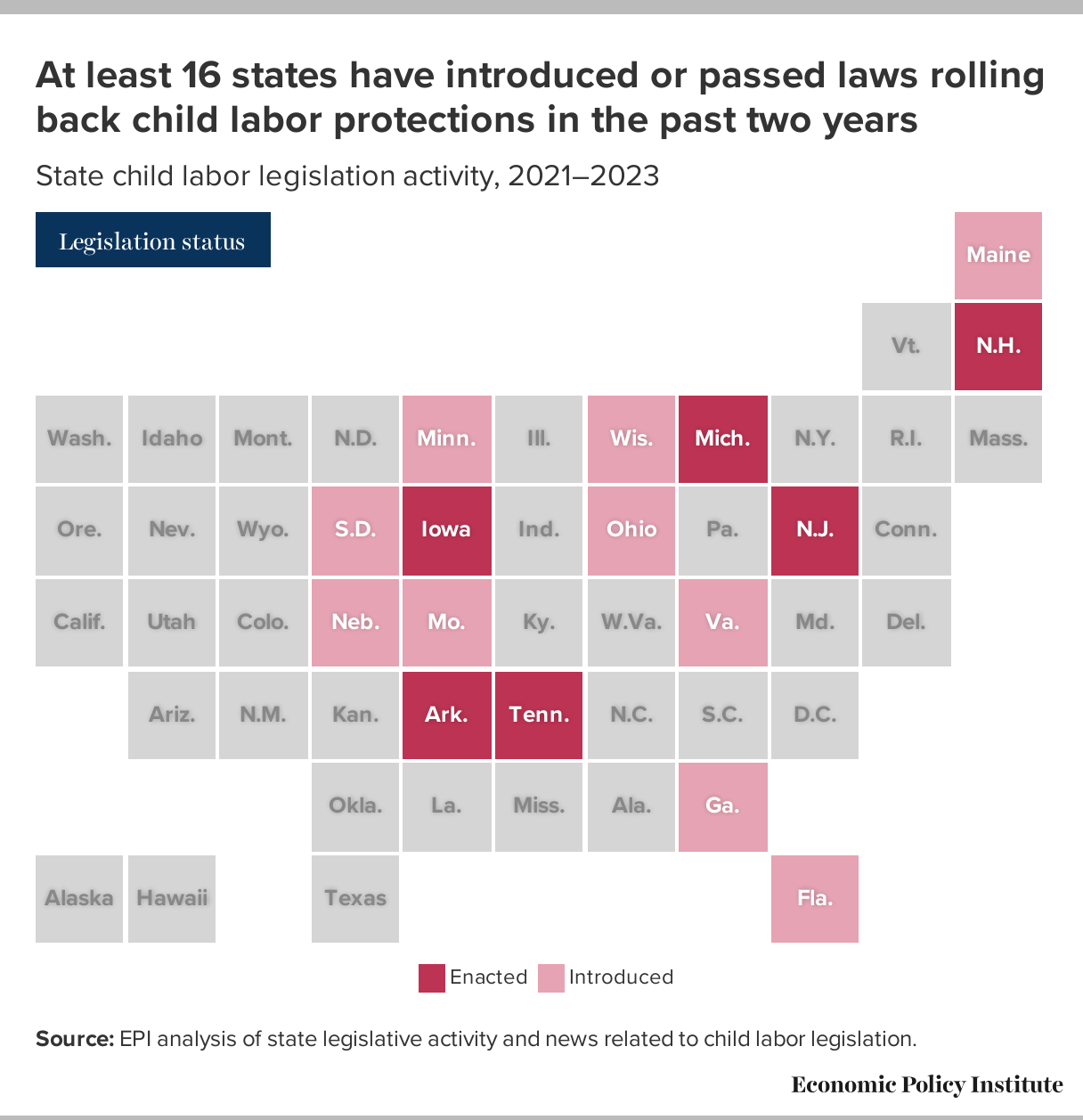
The Shifting Sands of Labor Legislation
The conversation surrounding child labor laws in Florida, like in many other states, is not static. It often ebbs and flows with economic conditions, industry demands, and evolving societal perspectives on the role of young people in the workforce. Historically, child labor laws were established to prevent the exploitation of children, ensuring they had opportunities for education and healthy development. However, as the nature of work has changed, and in certain economic climates, there can be arguments made for adjusting regulations to accommodate specific industries or to provide greater opportunities for young individuals to gain work experience.
Historical Context of Child Labor Protections
The fight for robust child labor laws was a significant movement during the industrial revolution. Images of children toiling in factories and mines, often under dangerous conditions and for meager wages, galvanized public opinion and led to the creation of regulations designed to protect minors. These laws typically address:
- Age Restrictions: Minimum ages for employment in various types of jobs.
- Working Hours: Limits on the number of hours a child can work per day and week, especially during school terms.
- Prohibited Occupations: Bans on children working in hazardous environments or performing dangerous tasks.
- Work Permits: Requirements for employers to obtain permits to hire minors, often involving proof of age and parental consent.
These protections are foundational to ensuring that a child’s formative years are focused on education, growth, and well-being, rather than being solely consumed by labor.
Contemporary Economic Pressures and Labor Shortages
The current wave of discussions in Florida is partly influenced by recent economic shifts. Periods of labor shortage, particularly in sectors that heavily rely on younger workers such as hospitality and agriculture, can lead to calls for easing restrictions. Proponents of adjusting the laws often argue that:
- Increased Opportunities: Relaxing certain rules could allow more teenagers to enter the workforce, gaining valuable skills and earning money.
- Economic Recovery: In sectors struggling to find staff, younger workers could help bridge the gap, supporting businesses and contributing to economic recovery.
- Modernizing Regulations: Some argue that existing laws might be outdated and could be updated to reflect the realities of modern employment and the capabilities of today’s youth.
However, these arguments are met with significant counter-concerns regarding the potential for exploitation and the impact on educational outcomes.
Proposed Changes and Their Implications
The specific proposals that have gained attention in Florida often focus on allowing minors to work longer hours, particularly during non-school periods, and potentially in a wider range of industries. It’s essential to dissect what “lifting” or “adjusting” these laws might entail in practice.
Expanding Working Hours and Flexibility
One of the key areas of discussion revolves around the number of hours minors can work. Current laws often place strict limits on daily and weekly hours, especially for those under 16. Proposals might seek to:
- Extend Daily Hours: Allow for more hours per day, particularly for older teenagers.
- Increase Weekly Limits: Permit more working hours per week, especially during school breaks like summer vacation.
- Flexibility for Older Teens: Grant greater autonomy to 16- and 17-year-olds, who are closer to legal adulthood.
The intention behind such changes is often to provide more substantial work experience and earning potential for young people, while also addressing the needs of businesses.
Safety and Hazardous Occupations
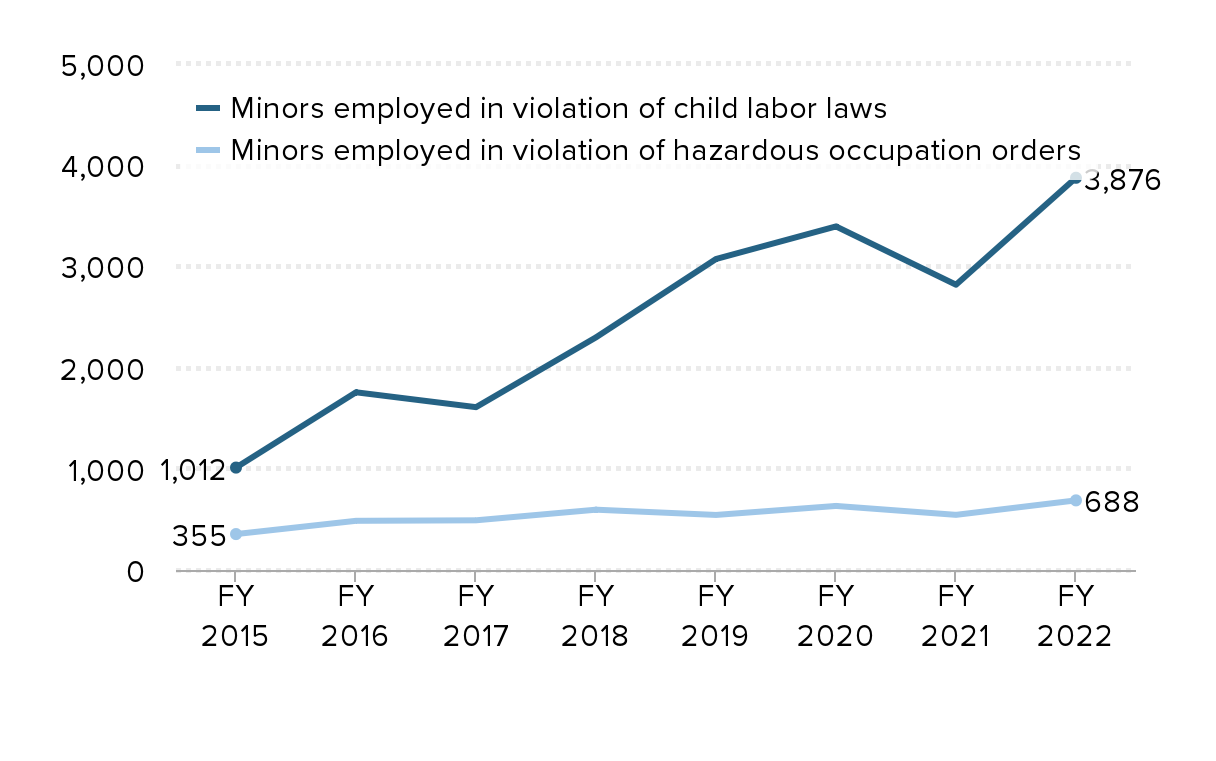
Crucially, proposals that suggest “lifting” child labor laws typically do not advocate for the elimination of prohibitions against hazardous work. The consensus remains strong that children should not be exposed to dangerous machinery, toxic substances, or other high-risk environments. Any adjustments are generally expected to maintain these core safety provisions.
Parental Consent and Oversight
A significant aspect of child labor regulations is the role of parental consent and oversight. Even with potential adjustments to working hours or types of employment, it’s highly probable that parental involvement would remain a cornerstone of any revised legislation. This ensures that parents are informed and have a say in their child’s work-related activities.
The Tourism Industry Connection
Florida‘s economy is heavily influenced by its thriving tourism industry. From the theme parks of Orlando to the beaches of Miami and the Keys, millions of visitors flock to the state annually. This industry relies significantly on a robust workforce, and in certain seasons or areas, younger workers play a vital role in its operation.
Youth Employment in Hospitality and Entertainment
Many businesses within Florida‘s tourism sector, including hotels, restaurants, theme parks like Walt Disney World and Universal Orlando Resort, and retail establishments, often hire teenagers for roles such as:
- Food Service: Waitstaff, bussers, kitchen help.
- Retail: Sales associates, stock clerks.
- Attraction Operations: Ticket takers, ride attendants, customer service representatives.
- Lifeguarding: Especially relevant for beach resorts and water parks.
Any changes to child labor laws could directly impact the staffing capabilities and operational models of these businesses. For instance, if younger individuals are permitted to work longer hours during peak tourist seasons, it could alleviate staffing pressures for resorts and attractions.
Impact on Family Travel Experiences
The discussion also has indirect implications for families visiting Florida. A well-staffed tourism industry generally leads to smoother and more enjoyable visitor experiences. If businesses can more easily secure and retain younger workers, it could translate to:
- Improved Service: Faster service at restaurants, more readily available assistance at attractions.
- Shorter Wait Times: Efficient operations at theme parks and other venues.
- More Accessible Opportunities: Potentially lower prices if labor costs are managed effectively.
Conversely, concerns about potential negative impacts, such as a decline in educational focus for working teenagers or risks to their well-being, could cast a shadow over the perceived family-friendliness of the state if not carefully managed.
Balancing Opportunity with Protection
The central challenge in this legislative debate is striking an appropriate balance between providing opportunities for young people and ensuring their safety, education, and overall well-being. This is not a simple matter of “lifting” laws but rather a delicate process of modernization and adjustment.
Educational Priorities
A primary concern is that increased work demands might detract from a student’s educational commitments. Laws are designed to ensure that employment does not interfere with school attendance, academic performance, or the pursuit of extracurricular activities that contribute to a well-rounded development. Any proposed changes would need to demonstrate that educational priorities are not compromised.
Child Welfare and Exploitation Risks
Protecting children from exploitation is paramount. This includes guarding against unfair wages, excessive working hours that lead to fatigue and stress, and exposure to environments that are not conducive to their healthy development. Robust enforcement mechanisms and clear guidelines are essential to prevent the erosion of protections.

Industry Perspectives and Stakeholder Input
The debate involves various stakeholders, including:
- Businesses: Especially those in sectors like hospitality, agriculture, and retail, who may advocate for more flexible labor regulations.
- Parents: Concerned about their children’s opportunities, earnings, and well-being.
- Educators: Focused on ensuring that work does not negatively impact academic achievement.
- Child Advocacy Groups: Dedicated to upholding and strengthening protections for minors.
The legislative process aims to incorporate these diverse perspectives to craft laws that are both economically sensible and socially responsible.
In conclusion, the question of whether Florida is “lifting” child labor laws is more accurately framed as a discussion about potential amendments and modernizations. The state, like many others, is navigating the complex terrain of balancing economic needs with the fundamental imperative to protect its youngest citizens. The outcome of these discussions will undoubtedly shape the opportunities available to young people in Florida and influence the operational landscape of its vital tourism industry, ensuring that economic progress does not come at the expense of child welfare.
LifeOutOfTheBox is a participant in the Amazon Services LLC Associates Program, an affiliate advertising program designed to provide a means for sites to earn advertising fees by advertising and linking to Amazon.com. Amazon, the Amazon logo, AmazonSupply, and the AmazonSupply logo are trademarks of Amazon.com, Inc. or its affiliates. As an Amazon Associate we earn affiliate commissions from qualifying purchases.