
The very question of whether Florida can be considered “urban” is a complex one, evoking images of sprawling metropolises, dense populations, and the distinct rhythm of city life. Yet, Florida, the “Sunshine State,” is often characterized by its vast stretches of coastline, verdant natural landscapes, and the relaxed pace of its beach towns. This dichotomy fuels a fascinating exploration into what truly defines an urban environment and how this dynamic state fits—or defies—those definitions.
Redefining Urbanity in the Sunshine State
When we speak of urban environments, we typically conjure images of high-rise buildings, bustling commercial districts, extensive public transportation networks, and a concentration of cultural institutions. While parts of Florida certainly exhibit these characteristics, a significant portion of the state retains a decidedly more suburban or even rural feel. The perception of Florida is often shaped by its iconic tourist destinations and its reputation as a retirement haven, which can overshadow its burgeoning urban centers.

The definition of urban can also be influenced by scale and context. A city that might be considered large in one country could be perceived as medium-sized elsewhere. In the American context, Florida is home to several of the nation’s largest metropolitan areas, including Miami, Tampa, and Orlando. These areas possess all the hallmarks of urbanity: dense populations, significant economic activity, diverse cultural scenes, and substantial infrastructure.
Metropolitan Marvels: The Urban Cores
Miami, for instance, is undeniably a global city. Its vibrant downtown skyline, the pulsating energy of South Beach, and its status as a hub for international finance and culture firmly place it in the urban category. The city’s public transportation system, though still developing compared to older global cities, is actively expanding. Neighborhoods like Brickell are testament to intense urban development, with towering residential and commercial buildings.
Similarly, the Tampa Bay area, encompassing cities like Tampa, St. Petersburg, and Clearwater, presents a multifaceted urban landscape. Tampa itself boasts a revitalized downtown core, a significant port, and a growing tech industry. St. Petersburg, while often associated with its arts scene and waterfront, also has a developing urban center with increasing residential density and commercial activity. The region’s interconnectedness and population concentration certainly qualify it as an urban corridor.
Orlando, while perhaps best known for its theme parks, is more than just a tourist mecca. It is a rapidly growing metropolitan area with a diversified economy, a growing university population, and an expanding urban core. The city’s infrastructure is continuously being upgraded to manage its increasing population and economic output.
Beyond the Megacities: Sub-Urban Sprawl and Developing Cores
However, even within these major metropolitan areas, Florida exhibits a characteristic suburban sprawl that can blur the lines of urbanity. Many residents of these large cities choose to live in surrounding suburban communities, which offer a different lifestyle while still being connected to the urban core. This creates a vast expanse of interconnected communities that, while not dense urban centers, contribute to the state’s overall population concentration and economic activity.
Furthermore, Florida is dotted with numerous smaller cities that are experiencing significant growth and development. Places like Jacksonville, the largest city by land area in the contiguous United States, are undergoing transformation. Its urban core is expanding, and its diverse economy supports a significant population. Cities like Fort Lauderdale, West Palm Beach, and those within the Southwest Florida region are also developing their urban identities, investing in infrastructure, and attracting new residents and businesses.
The Influence of Tourism on Urban Perception
It is impossible to discuss Florida‘s urban identity without acknowledging the profound impact of tourism. The state is a premier global destination, drawing millions of visitors annually to its world-renowned attractions, pristine beaches, and vibrant entertainment districts. This influx of tourists can shape perceptions of Florida as a leisure-oriented state, potentially downplaying its urban characteristics.

Theme parks like Walt Disney World Resort and Universal Orlando Resort are not just tourist attractions; they are massive economic engines that require extensive infrastructure and support services, contributing to the urban fabric of the regions they inhabit. The development and maintenance of these complexes, along with the associated hotels, restaurants, and transportation networks, create significant employment and drive economic growth, mirroring many aspects of urban development.
Coastal Charms vs. Urban Centers
The iconic imagery of Florida often features sun-drenched beaches and laid-back coastal towns. While these areas are vital to the state’s identity and economy, they represent only one facet of Florida‘s complex character. Many of these coastal communities, while popular tourist destinations, may not exhibit the high-density living and diverse economic sectors typically associated with urban areas. However, as these communities grow in popularity, they too are experiencing increasing development and a shift towards more urban-like characteristics, such as higher residential densities and more varied commercial offerings.
The Urban-Rural Continuum
Florida also possesses vast tracts of rural and agricultural land, particularly in its central and northern regions. These areas offer a stark contrast to the bustling metropolises and densely populated coastal zones. This creates a significant urban-rural continuum across the state, where one can travel from a high-rise cityscape to rolling hills and farmland within a relatively short distance. This diversity in landscape and development is a defining characteristic of Florida.
Infrastructure and Population Dynamics
The classification of an area as urban is intrinsically linked to its infrastructure and population density. Florida’s rapid population growth over the past several decades has put immense pressure on its infrastructure, leading to significant investments in transportation, utilities, and housing. The development of major highways, airports, and public transit systems, especially in the larger metropolitan areas, are clear indicators of urban development.
Transportation Networks
The presence and effectiveness of public transportation are often key markers of urbanity. While Florida‘s public transit systems, such as the Miami-Dade Transit system and the Broward County Transit system, are substantial, they are still evolving. The reliance on private vehicles remains high, a characteristic common to many sprawling American cities and suburban areas. However, the expansion of light rail, bus rapid transit, and commuter rail lines in areas like South Florida and around Tampa signals a move towards more integrated urban transportation.
Housing and Development Patterns
Urban areas are characterized by higher population densities and a mix of housing types, including apartments, condominiums, and townhouses. Florida has witnessed a significant increase in multi-family housing construction, particularly in and around its major cities and along its popular coastal corridors. This trend reflects the growing demand for housing in areas that offer proximity to employment centers and urban amenities. The development of master-planned communities, while often suburban in nature, can also incorporate urban-like features such as mixed-use developments and pedestrian-friendly design.
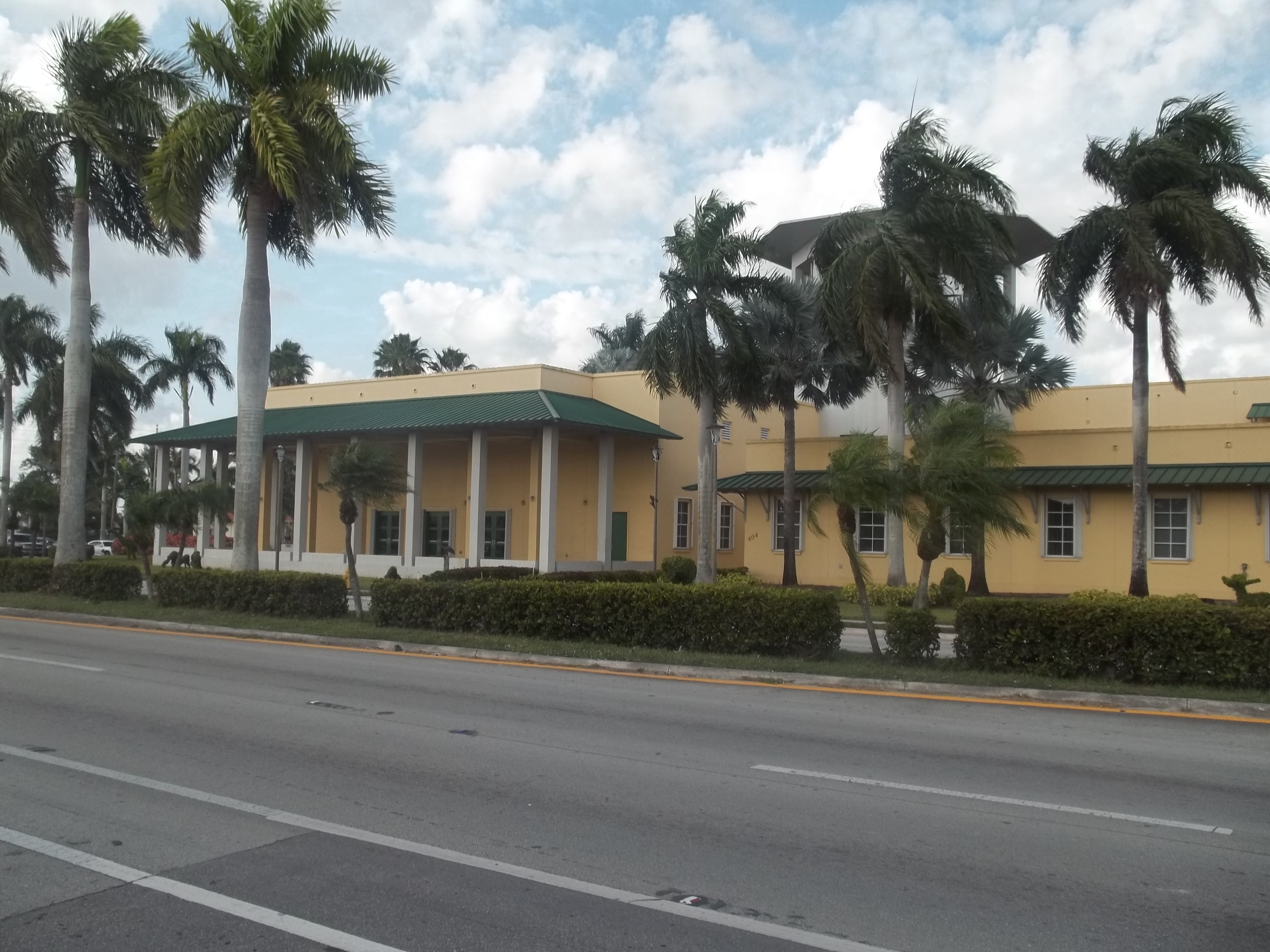
Conclusion: A State of Contrasts
So, is Florida urban? The answer is not a simple yes or no, but rather a nuanced exploration of its multifaceted identity. Florida is undeniably home to significant urban centers that rival many of the world’s largest cities in terms of population, economic activity, and cultural diversity. These urban cores, from the international flair of Miami to the growing economic hubs of Tampa and Orlando, are dynamic and expanding.
However, Florida also encompasses vast suburban expanses and stretches of rural landscape, creating a unique urban-rural continuum. The state’s identity is deeply intertwined with its tourism industry, which influences perceptions and drives development in ways that are both urban and distinctly Floridian. Ultimately, Florida is a state of contrasts, a place where the pulse of urban life beats strongly in its cities, while the allure of coastal living and natural beauty continues to define its broader appeal. The evolving landscape of Florida suggests that its urban character is not a static state but a continuously developing phenomenon, adapting to its growing population and changing economic dynamics.
LifeOutOfTheBox is a participant in the Amazon Services LLC Associates Program, an affiliate advertising program designed to provide a means for sites to earn advertising fees by advertising and linking to Amazon.com. Amazon, the Amazon logo, AmazonSupply, and the AmazonSupply logo are trademarks of Amazon.com, Inc. or its affiliates. As an Amazon Associate we earn affiliate commissions from qualifying purchases.