
The question of whether the Ipass toll transponder is accepted along Florida’s iconic I-95 corridor is a common one for travelers planning a road trip through the Sunshine State. As toll road systems can vary significantly from state to state, understanding your payment options is crucial for a seamless and stress-free journey. This article delves into the specifics of Ipass usage on Florida’s I-95, offering clarity for motorists navigating this popular stretch of highway.
Understanding Toll Transponders and Interoperability
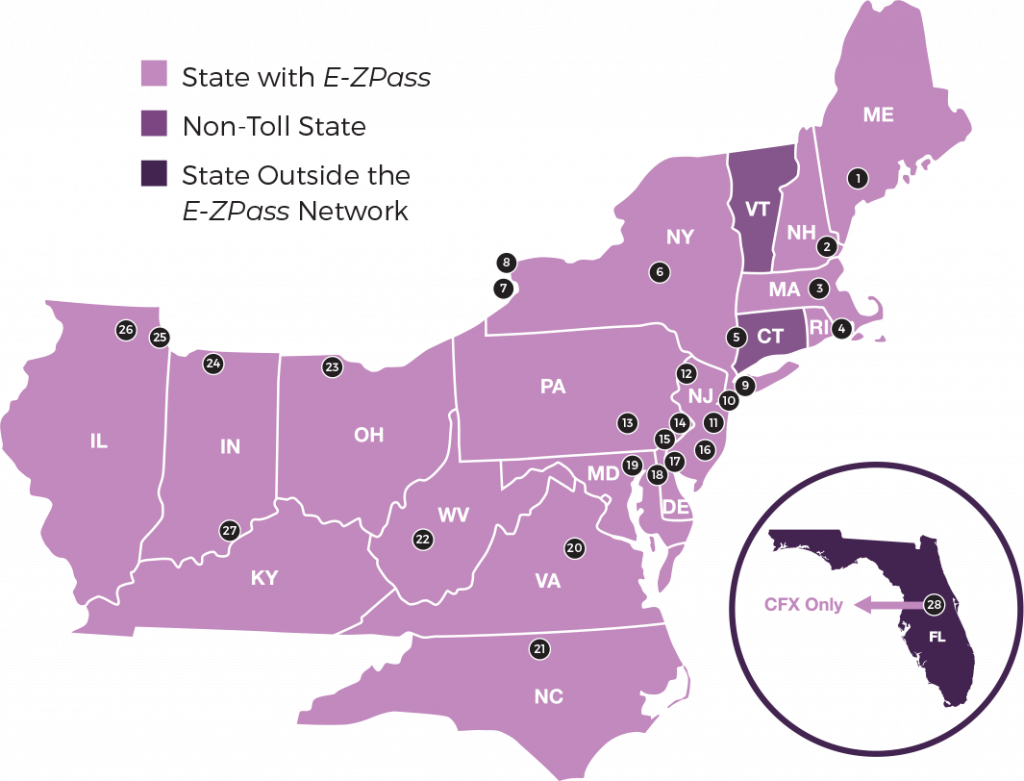
Toll transponders, such as Ipass (primarily used in Illinois and surrounding Midwestern states) and E-ZPass (widely used on the East Coast), are electronic devices that facilitate automatic toll collection. When mounted on a vehicle’s windshield, they communicate wirelessly with tolling gantries, deducting the appropriate toll amount from a linked account. The concept behind interoperability is to allow drivers to use a single transponder across multiple tolling systems, simplifying travel and avoiding the need for multiple accounts or the issuance of toll violations.

The Landscape of Toll Collection in Florida
Florida boasts an extensive network of toll roads, managed by several different authorities. The primary entity overseeing many of the state’s toll roads, including those along the I-95 corridor, is the Florida Turnpike Enterprise (FTE). Other authorities, like the Central Florida Expressway Authority (CFX) and the Tampa Hillsborough Expressway Authority, manage toll systems in their respective regions.
Historically, toll transponders were often proprietary, meaning an Ipass would only work on Illinois toll roads, and an E-ZPass would only work on its affiliated systems. However, the trend towards interoperability has significantly increased over the years, driven by the desire to enhance traveler convenience and streamline operations for toll agencies.
The “Pay by Plate” System: An Alternative to Transponders
For drivers who do not have a compatible transponder or who are visiting Florida without one, the state employs a robust “pay by plate” system. This system captures an image of the license plate as the vehicle passes through a toll point. The toll authority then identifies the registered owner of the vehicle and sends a bill to their address, often referred to as a Toll by Plate invoice or a Notice of Toll Violation. While convenient in its simplicity, this method typically incurs higher toll rates compared to using a transponder.
Ipass and Florida’s Toll Roads: The Current Situation
The direct answer to whether Ipass is accepted on I-95 in Florida hinges on the concept of interoperability agreements between toll agencies.
Interoperability: A Key to Cross-State Toll Payment
The E-ZPass Group is a consortium of toll agencies that have established an interoperable network. This means that an E-ZPass transponder issued by one member agency can be used on the toll roads of any other member agency within the group.
Similarly, the Illinois Tollway, which manages the Ipass system, has been actively working towards expanding its interoperability. As of recent updates, Ipass transponders are generally accepted on toll roads that are part of the E-ZPass network. Given that a significant portion of Florida’s toll roads, particularly along major corridors like I-95, are managed by agencies participating in or compatible with the E-ZPass system, this implies that Ipass often will be accepted.
Confirming Acceptance: What You Need to Know
While the general rule is that Ipass is accepted on I-95 in Florida due to interoperability, it is always prudent to confirm directly. The acceptance of Ipass on Florida toll roads is primarily through its compatibility with the E-ZPass network, which many Florida toll roads are part of.
How to Verify Your Ipass Compatibility

-
Check the Ipass Website: The most reliable source of information is the official Ipass website. They typically provide detailed information on where their transponders are accepted, including a list of interoperable states and tolling authorities. Look for sections on “Reciprocity,” “Where to Use,” or “Partner Agencies.”
-
Consult the Florida Turnpike Enterprise (FTE) Website: The Florida Turnpike Enterprise website is another excellent resource. They will outline the accepted toll payment methods and transponders for their network, which covers much of I-95 in Florida. Look for information on SunPass, which is Florida’s native transponder, and details about other compatible transponders.
-
Contact Customer Service: If you are still unsure, reaching out to Ipass customer service or Florida Turnpike Enterprise customer service directly will provide the most accurate and up-to-date information.
Potential Nuances and Considerations
While interoperability is widespread, there can be nuances. For instance, some very specific or smaller toll facilities might not be part of the broader interoperable network. However, for major arteries like I-95, especially through populous areas like Miami, Fort Lauderdale, and Jacksonville, you can generally expect Ipass to function seamlessly due to these agreements.
It’s also important to ensure your Ipass account is active, adequately funded, and that the transponder is correctly mounted on your windshield. A malfunctioning transponder or an insufficient balance can lead to tolls not being paid, resulting in violations.
Navigating Florida’s Tolls: Best Practices for Travelers
For a worry-free experience on I-95 and other toll roads in Florida, adhering to a few best practices can save you time, money, and potential headaches.
Maximizing Convenience with Ipass
If you are an Ipass user, the primary benefit is the convenience it offers. By ensuring your transponder is compatible with the Florida toll system (which it generally is via E-ZPass reciprocity), you can travel through toll plazas without needing to stop or worry about receiving bills by mail. This is particularly advantageous on long journeys where frequent toll points might be encountered.
Considering SunPass for Frequent Florida Travel
For those who anticipate frequent travel within Florida or who plan to drive on a wide array of its toll roads, obtaining a SunPass transponder might be a more straightforward option. SunPass is Florida’s native tolling system and is universally accepted across all toll roads operated by the Florida Turnpike Enterprise, CFX, and the Tampa Hillsborough Expressway Authority. While Ipass often works, SunPass offers the assurance of native compatibility.
What to Do If You Receive a Toll Bill
If, despite your best efforts, you receive a toll bill or a Notice of Toll Violation for travel on I-95 or any other Florida toll road, it’s important to address it promptly. The bill will typically detail the date, time, location, and amount of the toll owed. It will also provide instructions on how to pay, usually online, by mail, or by phone. Ignoring toll violations can lead to increased penalties, late fees, and potential issues with your vehicle registration.
If you believe the bill is an error, contact the issuing toll authority immediately. They will have procedures for disputing charges, which may require providing proof of toll payment or other relevant documentation.
Conclusion: Smooth Sailing on Florida’s I-95
In summary, the answer to whether Ipass is accepted in I-95 Florida is overwhelmingly yes, due to the widespread interoperability between tolling systems, particularly its compatibility with the E-ZPass network. This means that Ipass users can generally expect their transponder to function seamlessly along this major highway. However, for absolute certainty, always verify with the Ipass and Florida Turnpike Enterprise official channels before your trip. By staying informed and prepared, you can ensure a smooth and enjoyable journey through the beautiful state of Florida.
LifeOutOfTheBox is a participant in the Amazon Services LLC Associates Program, an affiliate advertising program designed to provide a means for sites to earn advertising fees by advertising and linking to Amazon.com. Amazon, the Amazon logo, AmazonSupply, and the AmazonSupply logo are trademarks of Amazon.com, Inc. or its affiliates. As an Amazon Associate we earn affiliate commissions from qualifying purchases.