
As the year 2025 approaches, many a traveler and resident alike ponder the unique meteorological quirks of the Sunshine State. Florida, synonymous with sun-drenched beaches and balmy breezes, rarely conjures images of winter wonderlands. However, the allure of a “white Christmas” or an unexpected dusting of snow can spark curiosity, particularly as we look ahead to the upcoming year. This article delves into the likelihood of experiencing snowfall in Florida in 2025, exploring historical precedents, climatic factors, and the practical implications for travel and tourism.
The Rarity of Florida Snowfall
Florida’s subtropical climate, characterized by high average temperatures and humidity, is inherently inhospitable to snow formation. Snow requires a specific set of atmospheric conditions: temperatures at or below freezing from the cloud layer down to the ground, and sufficient moisture. While these conditions can occasionally align in Florida, it is a rare meteorological event.
Historical Snowfall Events
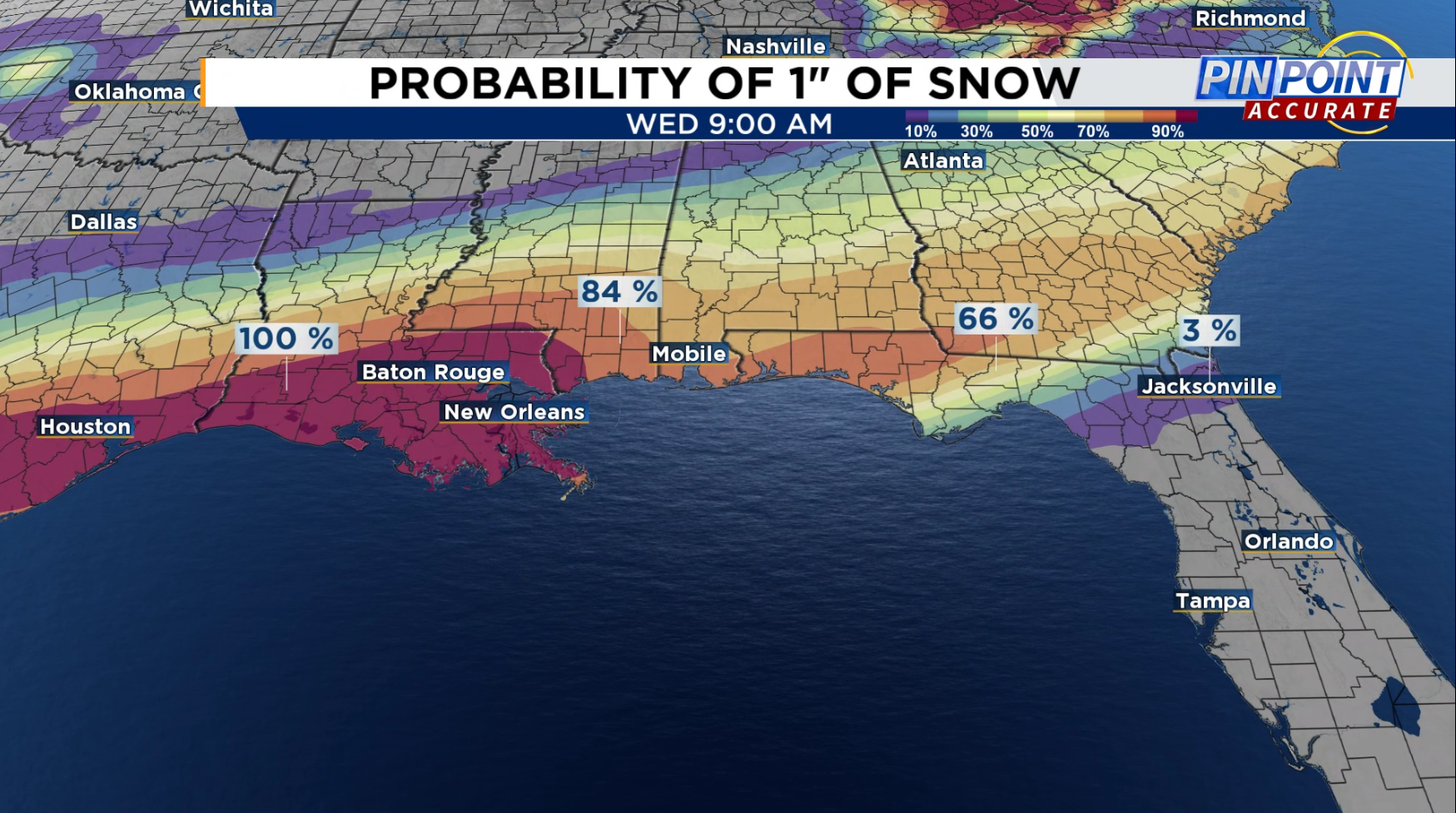
While not a common occurrence, Florida has experienced snowfall throughout its history. These events are often isolated, localized, and fleeting, leaving a lasting impression on those fortunate enough to witness them.
- 1899: The most significant snowfall on record for Florida occurred in February 1899. This event saw snow fall across much of the state, with reports of accumulating snow as far south as Tampa and Orlando. Cities like Tallahassee and Jacksonville reported several inches of accumulation, transforming the landscape for a brief period.
- 1977: Another notable snowfall event occurred on January 20, 1977. This cold snap brought light snow to the northern parts of Florida, including Pensacola and Gainesville. While accumulations were minimal, the sight of snow was a novelty for many.
- 2018: More recently, in early January 2018, a cold wave brought flurries and even a light dusting of snow to parts of the Florida Panhandle and northern Florida. This event was largely confined to inland areas and was more of a fleeting phenomenon than a significant accumulation.
These historical instances highlight that while exceedingly rare, snow is not entirely impossible in Florida. However, they are typically associated with powerful cold fronts originating from continental North America that push unusually far south.
Climatic Factors Influencing Snow
The primary determinant of snow in any region is temperature. Florida’s geographical position, with its southernmost latitudes and proximity to the Gulf of Mexico and the Atlantic Ocean, generally keeps its temperatures too high for snow. The moderating influence of these bodies of water, along with consistent solar radiation, creates a climate that is predominantly warm.
- Latitude: Florida’s southern latitude is its most significant barrier to regular snowfall. Even during winter months, temperatures in most of the state remain well above freezing.
- Oceanic Influence: The warm waters of the Atlantic and the Gulf of Mexico help to moderate extreme cold. While cold air masses can intrude, their impact is often blunted by the warmer ocean currents.
- Upper-Level Atmospheric Conditions: For snow to form and reach the ground, the entire atmospheric column from the cloud base to the surface must be at or below freezing. Even if surface temperatures are near freezing, warmer air aloft can melt snowflakes before they reach the ground, resulting in sleet or freezing rain, or simply rain.
Forecasting Snow in 2025: A Probabilistic Approach
Predicting specific weather events, especially snow, months in advance for a location like Florida is highly speculative and falls outside the realm of reliable forecasting. Weather patterns are dynamic and influenced by a multitude of global and regional factors.
Long-Range Climate Predictions
Long-range climate outlooks, such as those provided by organizations like the National Oceanic and Atmospheric Administration (NOAA), focus on general temperature and precipitation trends over several months. These outlooks do not provide definitive predictions for specific weather events like snow.

For 2025, these outlooks might indicate a tendency towards warmer or cooler than average conditions, or wetter or drier patterns. However, even a prediction of a colder than average winter in Florida would not translate to a high probability of snow. The required conditions for snow are so specific that a slightly cooler winter might merely mean more frequent frosts or slightly cooler days, rather than a snow event.
The Role of El Niño-Southern Oscillation (ENSO)
The El Niño-Southern Oscillation (ENSO) phenomenon, which includes El Niño and La Niña phases, can influence global weather patterns, including those in North America.
- El Niño: Typically, El Niño winters in the southern United States are associated with cooler and wetter conditions. While this might increase the chances of colder air intrusions into Florida, it doesn’t guarantee the precise atmospheric setup needed for snow.
- La Niña: La Niña winters in the southern U.S. tend to be warmer and drier. This would further decrease the likelihood of snow in Florida.
As of now, definitive predictions for the ENSO phase during the winter of 2025 are not yet robust. Meteorologists will continue to monitor oceanic and atmospheric data to refine these predictions as the year progresses. However, it’s crucial to remember that even the most accurate ENSO forecast would only suggest a general trend, not a guarantee of specific weather events.
What a Hypothetical Florida Snowfall in 2025 Would Mean for Travelers
While the probability of significant snowfall in Florida in 2025 remains exceedingly low, contemplating such an event offers an interesting perspective on the state’s tourism and travel landscape.
Impact on Tourism and Travel Plans
Should an unexpected snowfall occur, particularly in the northern or central parts of the state, it would undoubtedly be a major news event and a significant disruption.
- Unexpected Closures: Roadways, especially those unaccustomed to icy conditions, could become hazardous. Airports might experience delays or cancellations due to the unusual weather. Attractions, including theme parks like Walt Disney World Resort and Universal Orlando Resort, would need to assess safety conditions for guests and staff.
- Unique Travel Opportunities: For those already in Florida, a snowfall would present a rare and memorable experience. Tourists might flock to witness the phenomenon, creating an impromptu surge in local demand for accommodation and unique activities. Hotels in affected areas could see unexpected bookings from those wanting to experience the novelty.
- Logistical Challenges: Florida’s infrastructure is not built to handle snow. The lack of snowplows, de-icing equipment, and winter-weather trained personnel would exacerbate any disruptions. Emergency services might be strained by increased demand related to weather-related incidents.
Preparing for the Unlikely
For travelers planning a trip to Florida in 2025, the primary advice remains to prepare for typical Florida weather. This includes packing for warmth, humidity, and potential rain, depending on the season. However, in the highly improbable event of a forecast indicating a significant cold snap with potential for snow in specific regions:
- Monitor Local Forecasts: Always rely on up-to-the-minute local weather reports from reputable sources like the National Weather Service.
- Exercise Caution: If traveling to areas experiencing or anticipating snow, drive with extreme caution, adhere to any advisories, and be prepared for potential delays.
- Embrace the Novelty (Safely): If fortunate enough to witness snow in Florida, enjoy the rare sight while prioritizing safety and respecting local advisories.

Conclusion: Anticipating Florida’s Usual Charms
While the question “Is it gonna snow in Florida 2025?” sparks imagination and a touch of meteorological wonder, the answer, based on current climate understanding and historical data, leans overwhelmingly towards “highly unlikely.” Florida’s charm and appeal lie in its consistently warm climate, its vibrant beaches, lush landscapes, and world-class attractions. Travelers planning for 2025 should look forward to the sunshine, the theme parks, the cultural experiences, and the relaxed atmosphere that the Sunshine State is renowned for. The possibility of snow remains a captivating, yet statistically improbable, footnote in Florida’s otherwise predictable climatic narrative. The real story for 2025 in Florida will be the endless opportunities for sunshine, adventure, and unforgettable experiences that its typical weather patterns so reliably provide.
LifeOutOfTheBox is a participant in the Amazon Services LLC Associates Program, an affiliate advertising program designed to provide a means for sites to earn advertising fees by advertising and linking to Amazon.com. Amazon, the Amazon logo, AmazonSupply, and the AmazonSupply logo are trademarks of Amazon.com, Inc. or its affiliates. As an Amazon Associate we earn affiliate commissions from qualifying purchases.