
The ethereal beauty of Spanish moss, with its cascading tendrils draping ancient oak trees, is an iconic symbol of the American South, and particularly of Florida. This romantic imagery often conjures thoughts of quaint towns, scenic drives, and the unique natural landscapes that draw visitors from across the globe. However, when exploring the natural wonders of the Sunshine State, a common question arises: can you pick Spanish moss? The answer, as with many natural resources, is nuanced and involves understanding specific regulations designed to protect the delicate ecosystems that Spanish moss inhabits.
Understanding Spanish Moss and Its Habitat
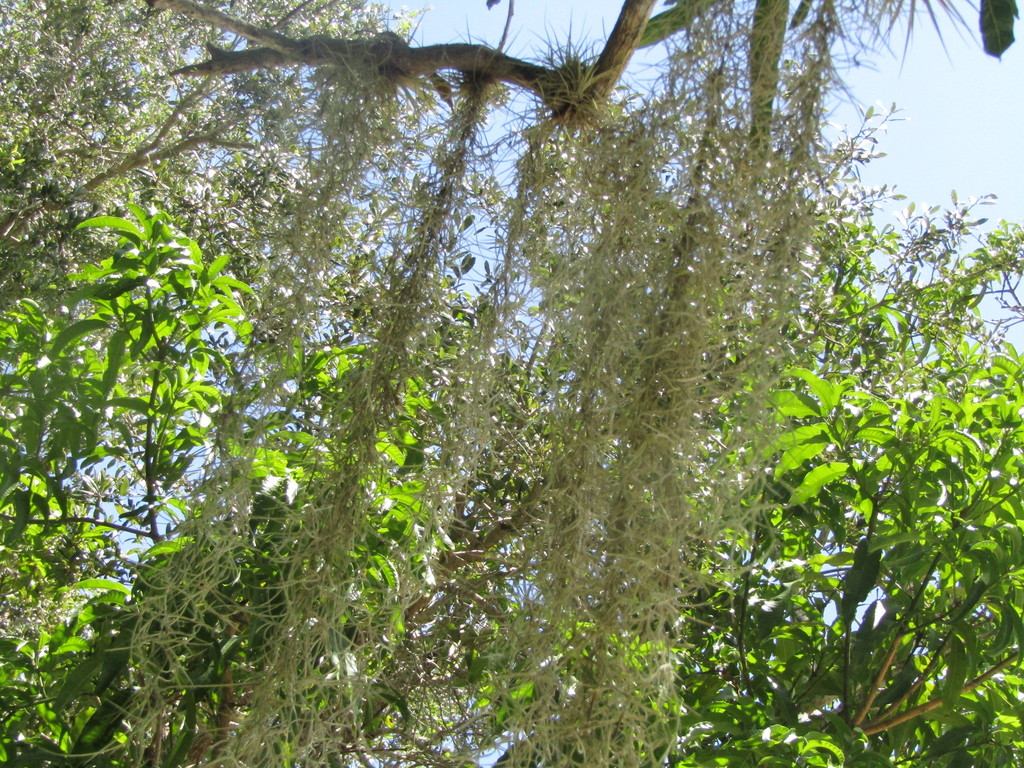
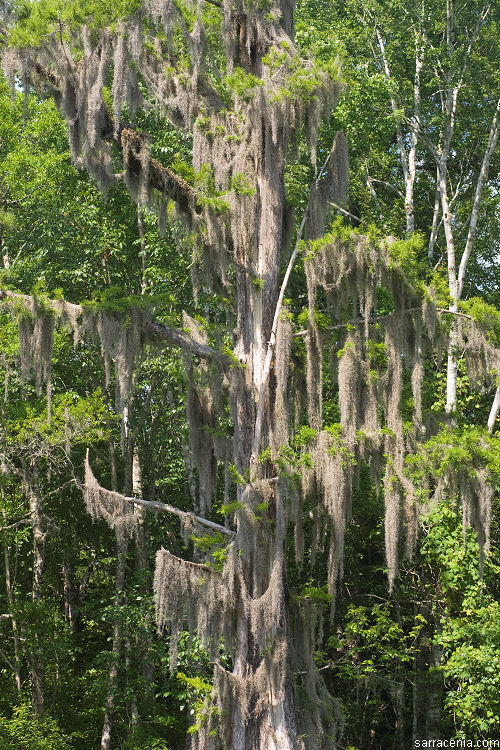
Spanish moss ( Tillandsia usneoides ) is not a moss at all, but rather an epiphytic flowering plant belonging to the bromeliad family. It thrives in humid, warm climates and is commonly found clinging to the bark of trees, particularly live oaks and bald cypress, especially in coastal areas and along riverbanks. It absorbs nutrients and water from the air and rain, requiring no soil to survive. Its silvery-gray appearance creates a distinctive and often dramatic visual effect, contributing significantly to the enchanting atmosphere of many Florida landscapes, from the historic streets of St. Augustine to the wild beauty of the Everglades.
The Ecological Role of Spanish Moss
Beyond its aesthetic appeal, Spanish moss plays an important role in its ecosystem. It provides habitat and nesting material for various small animals, including birds and insects. Its presence indicates a healthy environment with sufficient humidity and air circulation. The trees it grows on are often ancient and have their own ecological significance, supporting a complex web of life. Disturbing the moss can potentially harm the trees it grows on, especially if done in large quantities or with improper techniques. The health of Spanish moss is, therefore, intrinsically linked to the health of the forests and natural areas it inhabits.
Where You’ll Encounter Spanish Moss
Visitors to Florida will encounter Spanish moss in a variety of settings. It is prevalent in many of the state’s numerous state parks, such as O’Leno State Park and Torreya State Park. Historic districts, like those found in Savannah, Georgia (though outside of Florida, often associated with the same imagery), and many older neighborhoods in Florida cities, feature trees draped in this characteristic plant. Even scenic drives through rural or coastal parts of the state will often showcase its presence. It’s a key component of the visual narrative of the Southern landscape, contributing to its unique charm and allure for tourists.
The Legality of Picking Spanish Moss in Florida
The question of whether it is illegal to pick Spanish moss in Florida hinges on where and why you are picking it, as well as the quantity. While there isn’t a blanket prohibition against touching or gently gathering a small amount of Spanish moss, commercial harvesting and significant personal collection are generally prohibited.
State and Federal Regulations
Florida state law does not explicitly prohibit the casual picking of Spanish moss for personal use. However, it is crucial to understand the nuances. The collection of plants, including Spanish moss, is restricted in state parks, national parks, and other protected public lands. Removing any natural material from these areas is typically considered a violation of park regulations, aimed at preserving the natural state for all visitors. The goal of these regulations is to prevent the depletion of natural resources and to maintain the ecological integrity of these protected areas.
Private Property Considerations
On private property, the rules are determined by the landowner. If you have permission from the owner, you may be able to collect Spanish moss. However, even with permission, it’s advisable to be mindful of the quantity and the impact on the trees. Commercial harvesting, meaning collecting Spanish moss to sell or for any business purpose, is strictly regulated and often requires permits. This is to prevent over-harvesting and to ensure sustainable practices if any commercial use is permitted at all. The state aims to protect its natural resources from commercial exploitation that could be detrimental to the environment.
Commercial Harvesting Restrictions
The commercial harvesting of Spanish moss in Florida is subject to regulations designed to prevent ecological damage. This often involves obtaining specific permits and adhering to guidelines on where and how much moss can be collected. The intent behind these restrictions is to ensure that the natural beauty of the state is not compromised by unchecked commercial activities. Over-harvesting can damage trees and reduce the natural populations of Spanish moss, impacting the broader ecosystem. Therefore, anyone considering commercial activity involving Spanish moss should thoroughly research and comply with all relevant Florida Fish and Wildlife Conservation Commission (FWC) and Department of Agriculture and Consumer Services regulations.

Why You Shouldn’t Pick Spanish Moss (Even If It’s Not Strictly Illegal)
Even in situations where picking a small amount of Spanish moss might not carry a direct legal penalty, there are compelling reasons to refrain from doing so. The delicate nature of the plant, its role in the ecosystem, and the potential for unintended consequences all suggest that leaving it in its natural habitat is the most responsible approach for travelers and nature enthusiasts.
Impact on the Ecosystem
As an epiphyte, Spanish moss relies on the trees it grows on for support. While it doesn’t harm the tree, removing large quantities can stress the tree and alter its microenvironment. This can affect the smaller organisms that depend on the moss for shelter. Furthermore, the appearance of trees draped in Spanish moss is a significant part of Florida’s natural charm and a key element of its appeal to tourists interested in natural beauty and historical ambiance. Preserving this visual appeal is important for the state’s tourism industry and for the intrinsic value of its natural landscapes.
The Experience of Observation
Part of the joy of visiting a place like Florida is the opportunity to witness its unique natural phenomena in their undisturbed state. Observing Spanish moss gracefully hanging from trees, particularly in the early morning mist or bathed in the golden light of sunset, is an experience in itself. The true appreciation of nature often lies in observation and admiration, rather than possession. By refraining from picking, you allow future visitors, including yourself on subsequent trips, to enjoy the same breathtaking scenery. This aligns with the principles of responsible tourism, which emphasizes minimizing impact and respecting the local environment.
Alternatives for Souvenirs and Decorations
For those who are captivated by the aesthetic of Spanish moss and wish to incorporate it into their homes or crafts, there are ethical and legal alternatives. Many local craft stores and gift shops in Florida offer dried and preserved Spanish moss that has been legally harvested. Purchasing these items supports local artisans and ensures that the moss was collected responsibly, without harming living ecosystems. This allows you to take a piece of the Florida charm home with you without contributing to potential environmental degradation.
Navigating Florida’s Natural Wonders Responsibly
When visiting Florida, embracing its natural beauty responsibly is key to a fulfilling and ethical travel experience. Understanding the regulations surrounding natural resources, like Spanish moss, and adopting a mindset of preservation will enhance your journey and contribute to the long-term health of the state’s unique environments.
Respecting Public Lands
As mentioned, state parks, national forests, and other public lands are managed with conservation in mind. Visitors are expected to “leave no trace,” which includes not removing plants, rocks, or any other natural items. Stick to designated trails, obey all posted signs, and be a responsible steward of these precious natural areas. Many of these parks, such as Myakka River State Park, offer incredible opportunities for wildlife viewing and scenic exploration, all best enjoyed in their natural, untouched state.
Understanding Private Property Rights
If you are on private property, always seek permission before collecting anything, including Spanish moss. Even if the owner grants permission, it’s courteous to inquire about any specific concerns they might have regarding their trees or landscape. Responsible interaction with private land demonstrates respect for property rights and fosters positive relationships between visitors and residents.
Supporting Sustainable Tourism
Choosing to appreciate Spanish moss in its natural habitat, or purchasing ethically sourced decorative items, are hallmarks of sustainable tourism. This approach ensures that the allure of Florida remains for generations to come, benefiting both the environment and the local economy. By being an informed and respectful traveler, you contribute to the preservation of the very landscapes and experiences that make Florida such a remarkable destination.
LifeOutOfTheBox is a participant in the Amazon Services LLC Associates Program, an affiliate advertising program designed to provide a means for sites to earn advertising fees by advertising and linking to Amazon.com. Amazon, the Amazon logo, AmazonSupply, and the AmazonSupply logo are trademarks of Amazon.com, Inc. or its affiliates. As an Amazon Associate we earn affiliate commissions from qualifying purchases.