
Navigating the current landscape of travel to any destination requires a keen understanding of prevailing conditions. For those contemplating a visit to the Sunshine State, the question of safety is paramount. Florida, a perennial favorite for vacationers, offers a diverse array of experiences, from its renowned theme parks and pristine beaches to its vibrant cultural hubs and natural wonders. However, like any major tourist destination, it’s essential to approach planning with informed consideration. This guide aims to provide a comprehensive overview of factors contributing to a safe and enjoyable trip to Florida in the current climate.

Understanding Florida’s Current Travel Environment
The safety of travel is a multifaceted concept, encompassing public health, personal security, and environmental factors. In Florida, these elements are influenced by a dynamic set of circumstances. Understanding the current situation involves looking at official guidance, local conditions, and best practices for traveler well-being.
Public Health Considerations
Public health remains a primary concern for travelers worldwide. While pandemic-related restrictions have largely subsided, it is prudent to remain aware of any ongoing public health advisories. This includes understanding vaccination recommendations, any specific health protocols in place at your chosen destinations, and common-sense measures to mitigate the risk of illness.
- Current Health Advisories: Staying informed about the latest health advisories from organizations like the Centers for Disease Control and Prevention (CDC) and Florida Department of Health is crucial. These bodies provide up-to-date information on communicable diseases and recommendations for prevention. Travelers should check these resources closer to their departure date.
- Healthcare Access: Florida boasts a robust healthcare system with numerous hospitals and clinics across the state. For visitors, ensuring you have adequate travel insurance that covers medical emergencies is a vital step in safeguarding your well-being. Familiarize yourself with local emergency numbers and the location of healthcare facilities near your accommodation.
- Personal Precautions: Adopting personal hygiene practices such as frequent handwashing, using hand sanitizer, and being mindful of crowded spaces can significantly reduce the risk of illness. If you feel unwell during your trip, it’s advisable to seek medical attention and follow local health guidelines regarding isolation.
Personal Security and Safety
Ensuring personal security is a fundamental aspect of any travel experience. Florida, like any popular tourist state, has varying levels of safety depending on the specific locale and time of day. Awareness and preparedness are key to a secure visit.
- Crime Rates and Awareness: While overall crime rates in Florida are comparable to other states with similar populations and tourist influx, it’s wise to be informed about specific areas. Major tourist hubs like Orlando, Miami, and Tampa generally have visible law enforcement presence in tourist-heavy zones. However, exercising common sense precautions – such as avoiding dimly lit areas at night, not displaying large amounts of cash or valuables, and being aware of your surroundings – is always recommended.
- Transportation Safety: Whether you’re using ride-sharing services, rental cars, or public transportation, prioritize safety. Ensure rental vehicles are properly secured, and be cautious when accepting rides from unsolicited individuals. For ride-sharing, always verify the vehicle and driver match the information in the app. Public transportation in larger cities like Miami is generally safe, but staying alert, especially during off-peak hours, is advisable.
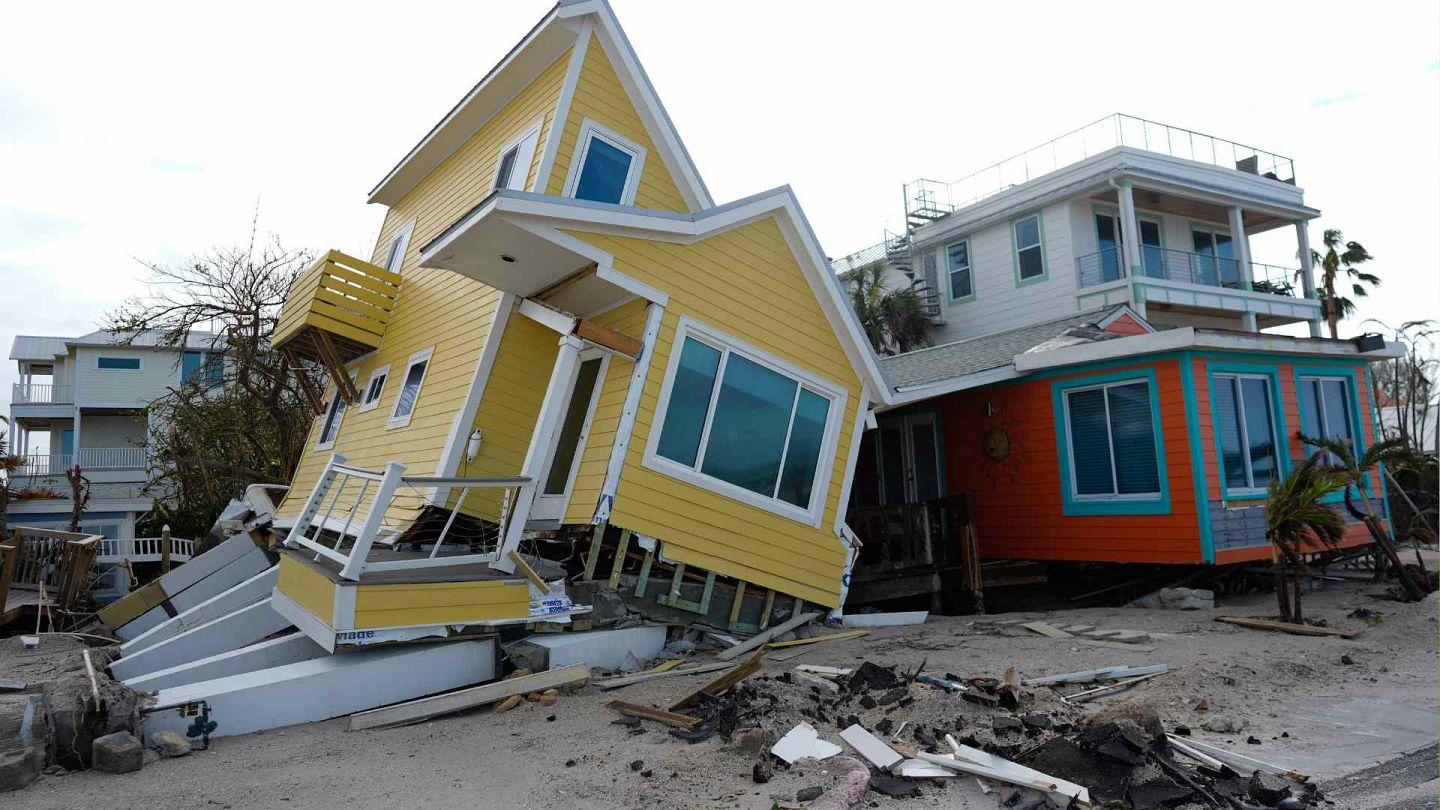
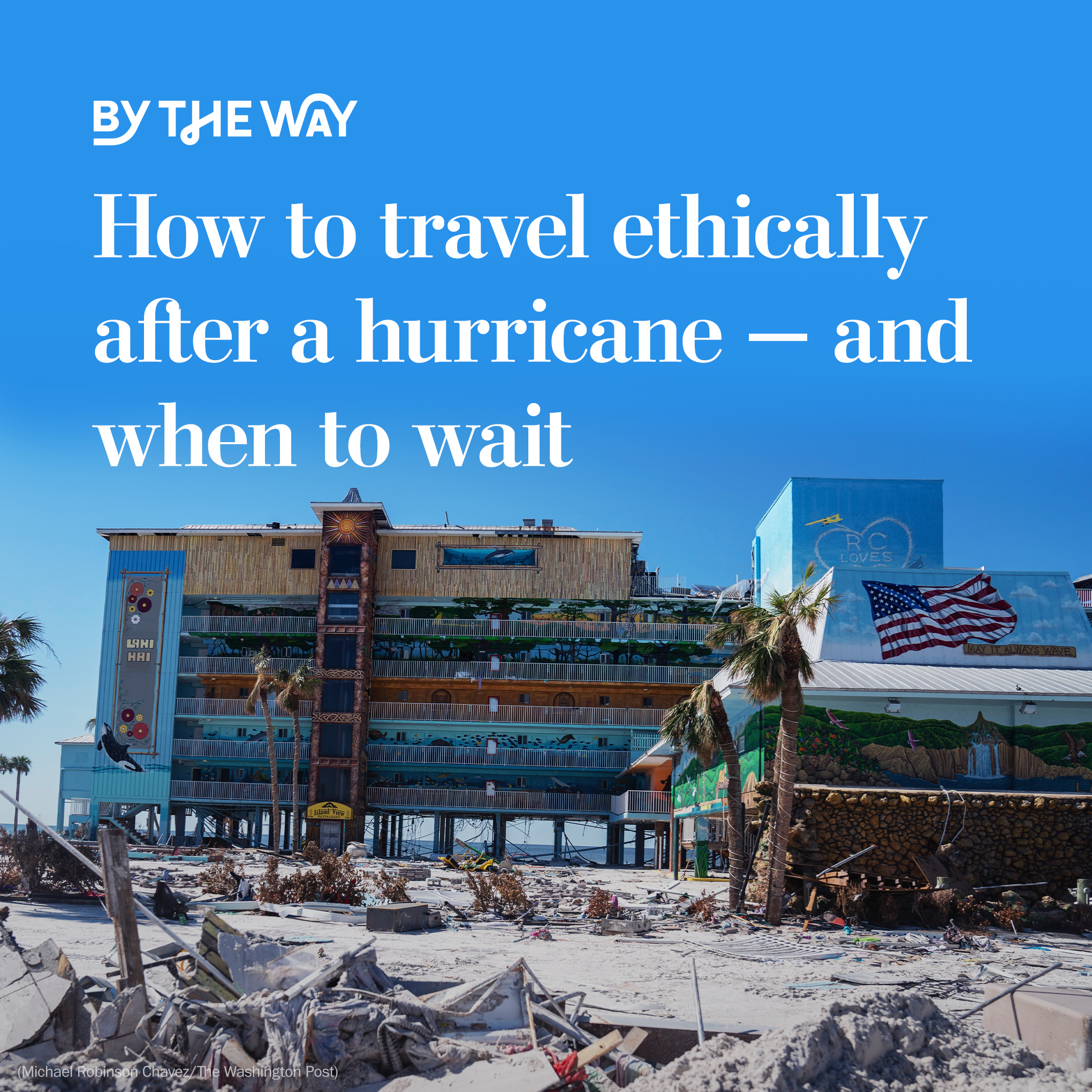
- Natural Disasters and Weather Preparedness: Florida is susceptible to hurricanes and tropical storms, particularly during the Atlantic hurricane season (June 1st to November 30th). It is essential to monitor weather forecasts before and during your trip, especially if traveling during these months. Familiarize yourself with evacuation routes and emergency procedures for the area you are visiting. Many hotels and resorts have established protocols for guest safety during severe weather events.
Environmental Factors and Specific Destinations
The “safety” of traveling to Florida can also be influenced by specific environmental factors and the unique characteristics of its various regions.
- Beach and Water Safety: Florida’s coastline is a major draw, but beach safety requires attention. Always swim in designated areas, heed lifeguard warnings, and be aware of rip currents. The quality of water at beaches can also be affected by environmental factors; checking local beach advisories for water quality is a good practice.
- Wildlife Encounters: Florida is home to diverse wildlife, including alligators and venomous snakes. When exploring natural areas like the Everglades National Park or state parks, maintain a safe distance from wildlife and never feed animals. Stick to marked trails and follow park ranger guidelines.
- Specific Regional Considerations: Different regions of Florida may present unique considerations. For instance, the Keys offer unparalleled marine life and water activities, but also require awareness of boating safety and potential weather impacts. Major cities like Miami have bustling nightlife and cultural districts, where general urban safety precautions apply. Theme park destinations like Orlando are generally very secure due to extensive security measures, but crowd management is always a factor.
Planning for a Secure and Enjoyable Florida Vacation
Proactive planning is the cornerstone of a safe and memorable travel experience. By addressing potential concerns in advance, travelers can significantly enhance their peace of mind and overall enjoyment of their Florida getaway.
Research and Information Gathering
The first step in ensuring a safe trip is thorough research. This involves understanding your destination’s current conditions and any specific regulations or advisories that may be in place.
- Official Tourism Websites: Begin by consulting the official tourism websites for Florida and the specific cities or regions you plan to visit. These sites often provide the most up-to-date information on travel advisories, local events, and safety guidelines.
- Travel Alerts and Advisories: Check for any travel alerts or advisories issued by your home country’s government regarding travel to the United States or specifically Florida.
- Local News and Social Media: While not a primary source, keeping an eye on local news outlets and reputable social media accounts can offer insights into current local happenings that might impact travel.
Accommodation Choices and Safety Features
Your choice of accommodation plays a significant role in your safety and comfort. Many hotels and resorts in Florida prioritize guest security, offering various amenities and protocols.
- Reputable Hotel Brands: Opting for well-established hotel chains or highly-rated independent establishments often means greater adherence to security standards. Reading recent reviews can provide valuable insights into guest experiences regarding safety and cleanliness.
- In-Room and Property Security: Look for accommodations that offer secure room entry systems, well-lit common areas, and on-site security personnel. Many resorts also provide services like safes for valuables and 24-hour front desk support.
- Emergency Procedures: Familiarize yourself with the hotel’s emergency procedures, including fire escape routes and locations of emergency exits.
Transportation and Activities Planning
Planning your transportation and daily activities with safety in mind is essential for a smooth trip.
- Pre-booked Transportation: If you plan to rent a car, book it in advance from a reputable agency. For airport transfers or travel between cities, consider pre-booking with trusted shuttle services or ride-sharing apps.
- Activity Vetting: When booking tours or activities, especially those involving adventure or nature, ensure the operators are licensed and have good safety records. Check reviews and ask about their safety protocols.
- Itinerary Flexibility: While it’s good to have a plan, maintaining some flexibility can allow you to adjust based on weather conditions or unforeseen local circumstances.
Navigating Specific Florida Destinations
Florida is a large state with diverse regions, each offering unique travel experiences and requiring slightly different considerations.
Theme Park Capitals: Orlando and Beyond
Cities like Orlando are world-renowned for their theme parks, including Walt Disney World Resort and Universal Orlando Resort. These destinations generally maintain very high security standards.
- Park Security: Theme parks employ extensive security measures, including bag checks, visible security personnel, and sophisticated surveillance systems. Visitors are encouraged to be aware of park rules and report any suspicious activity.
- Crowd Management: During peak seasons, crowds can be significant. Patience and planning, such as utilizing park apps for wait times and transportation, can enhance the experience and manage potential stress.
- Off-Park Activities: Beyond the parks, Orlando and surrounding areas offer dining, shopping, and entertainment districts. General urban safety practices apply in these areas.
Coastal Escapes: Beaches and Islands
Florida’s extensive coastline, from the panhandle’s sugar-white sands to the vibrant shores of Miami Beach, offers diverse beach experiences.
- Water Safety: As mentioned earlier, understanding ocean conditions, respecting flag warnings, and staying within lifeguarded areas are paramount.
- Sun Protection: The Florida sun is intense. Sunscreen, hats, and hydration are essential for preventing sunburn and heatstroke, which can significantly impact your vacation.
- Island Destinations: For islands like those in the Florida Keys, boating safety is a critical consideration. If you plan to rent a boat or take a charter, ensure you are familiar with boating regulations and safety equipment.
Cultural Hubs and Natural Wonders
Cities like Miami offer a rich cultural tapestry, while areas like the Everglades National Park showcase unique natural beauty.
- Urban Exploration: In cities, stick to well-trafficked areas, especially at night. Be mindful of your belongings in crowded public spaces. Cultural districts often have excellent local police presence.
- Nature Reserve Etiquette: When visiting natural reserves, adhere to all posted signs and guidelines. Respecting the environment and wildlife ensures your safety and preserves these delicate ecosystems for future visitors.
Final Considerations for a Safe Journey
Ultimately, traveling to Florida now, as at any time, is a matter of informed decision-making and responsible travel practices. By staying aware of current conditions, planning thoughtfully, and prioritizing personal well-being, visitors can confidently explore all that the Sunshine State has to offer.
- Trust Your Instincts: If a situation feels unsafe or uncomfortable, it’s always best to remove yourself from it. Don’t hesitate to seek assistance from law enforcement, hotel staff, or other trusted individuals.
- Stay Connected: Ensure you have a reliable way to communicate with family or friends back home. Keeping your phone charged and having emergency contact information readily available is crucial.
- Embrace the Experience: While safety is paramount, don’t let concerns overshadow the incredible experiences Florida has to offer. With prudent planning, a journey to Florida can be both safe and exceptionally rewarding.
The Sunshine State, with its diverse attractions and welcoming spirit, continues to be a premier destination for travelers. By approaching your trip with diligence and an informed perspective, you can ensure your visit is not only safe but also filled with unforgettable memories.
LifeOutOfTheBox is a participant in the Amazon Services LLC Associates Program, an affiliate advertising program designed to provide a means for sites to earn advertising fees by advertising and linking to Amazon.com. Amazon, the Amazon logo, AmazonSupply, and the AmazonSupply logo are trademarks of Amazon.com, Inc. or its affiliates. As an Amazon Associate we earn affiliate commissions from qualifying purchases.