
Navigating the evolving legal landscape of cannabis in the Sunshine State is a crucial aspect of planning a visit or a permanent relocation to Florida. Understanding the current regulations is essential for tourists and residents alike, impacting everything from personal consumption to recreational activities and medical access. While Florida has made significant strides in cannabis legalization, its status remains nuanced, with distinct rules for medical and recreational use. This guide aims to provide a comprehensive overview of marijuana legality in Florida, focusing on what travelers and potential residents need to know.
Medical Marijuana in Florida: A Detailed Look
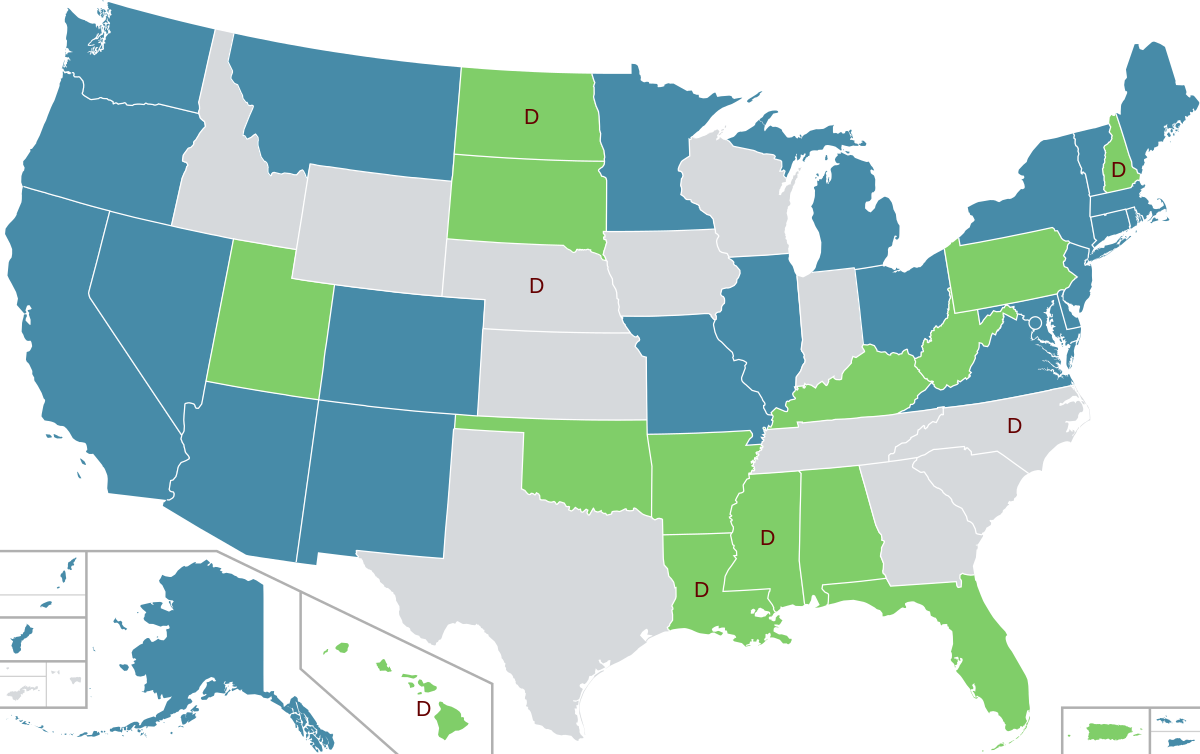
The journey towards cannabis legalization in Florida began with the medical marijuana program. Enacted through Amendment 2 in 2016, the Florida Medical Marijuana Legalization Act established a framework for patients with qualifying debilitating medical conditions to access low-THC and full-THC cannabis. This was a landmark achievement, opening doors for thousands of patients seeking alternative treatment options.

Qualifying Conditions and Patient Registration
To legally obtain and use medical marijuana in Florida, individuals must be diagnosed by a licensed Florida physician with one of the state’s qualifying debilitating medical conditions. These conditions are broadly defined and include:
- Cancer
- Glaucoma
- Chronic non-malignant pain caused by a qualifying medical condition or the treatment thereof
- Severe chronic pain
- Epilepsy
- Parkinson’s disease
- Multiple sclerosis
- Amyotrophic lateral sclerosis (ALS)
- Crohn’s disease
- Post-traumatic stress disorder (PTSD)
- Any other debilitating medical condition of the same kind or class as those enumerated and that the physician must reasonably expect to be chronic or terminal in nature or that would result in serious risk of or permanent or long-term damage to the patient’s health.
Once a physician determines a patient qualifies, they will enter the patient’s information into the state’s Medical Marijuana Use Registry (MMUR). Upon successful registration, the patient will receive a Medical Marijuana Use Registry Identification Card. This card is the key to legally purchasing and possessing marijuana from licensed dispensaries in Florida.
Where and How to Obtain Medical Marijuana
Patients with a valid MMUR card can purchase medical cannabis from state-licensed dispensaries. These dispensaries are regulated by the Florida Department of Health and are required to cultivate, process, and dispense cannabis products. They offer a variety of forms, including:
- Flower (buds)
- Oils and tinctures
- Vape cartridges
- Edibles
- Topicals
- Suppositories
It is crucial to remember that possession limits are strictly enforced. Patients are generally allowed to possess a 31-day supply of low-THC cannabis or a 35-day supply of full-THC cannabis, with specific limits on the amount of THC per dosage form. Consumption is restricted to private residences and may not occur in public places, such as beaches, parks, or near schools. Driving under the influence of marijuana is illegal and carries severe penalties, regardless of medical card status.
Traveling with Medical Marijuana
Traveling within Florida with a valid MMUR card requires careful adherence to state laws. Patients can legally transport their prescribed marijuana within the state, provided it is in its original dispensary packaging and kept out of reach of the driver. However, bringing medical marijuana across state lines is generally illegal. Federal law still classifies marijuana as a Schedule I controlled substance, meaning it is illegal to transport it across state borders, even if you are traveling between two legal-use states. Tourists visiting Florida from other medical or recreational marijuana states should not bring their cannabis products with them. Similarly, Florida residents should not attempt to take their medical marijuana out of state.
Recreational Marijuana: The Current Status
The question of recreational marijuana legality in Florida is one that has seen considerable debate and activism. As of now, recreational marijuana use and possession by adults aged 21 and older is not legal in Florida. While the state has a robust medical marijuana program, adult-use cannabis remains prohibited under state law.
Possession Limits and Penalties

Possessing small amounts of marijuana for recreational purposes is still a criminal offense in Florida and can result in varying penalties depending on the quantity and prior offenses. Even for medical marijuana cardholders, exceeding possession limits or consuming cannabis in prohibited areas can lead to legal trouble.
- Possession of 20 grams or less: This is generally a misdemeanor offense, punishable by up to one year in jail and a fine of up to $1,000. However, it’s important to note that past legislative efforts have aimed to decriminalize small amounts of marijuana, but these have not yet passed into law statewide for recreational use.
- Possession of more than 20 grams: This is considered a felony offense, carrying more severe penalties, including significant prison time and substantial fines.
- Distribution and Trafficking: Laws against the sale, distribution, and trafficking of marijuana are stringent and carry severe felony penalties, including lengthy prison sentences and hefty fines.
These penalties are critical for any visitor or resident to understand, as ignorance of the law is not a valid defense.
Efforts Towards Legalization
Despite the current prohibition of recreational marijuana, there are ongoing efforts and ballot initiatives aimed at legalizing adult-use cannabis in Florida. Advocates are working to gather signatures and bring the issue before voters. If successful, future ballot measures could potentially change the legal status of recreational marijuana in the state. However, for now, the law remains as it is, and recreational use is not permitted.
Implications for Tourists and Visitors
For those planning a vacation to Florida and considering the use of marijuana, it is vital to be aware of the current legal framework.
What Tourists Need to Know
- No Recreational Use: Tourists cannot legally purchase or consume marijuana for recreational purposes in Florida. Attempting to do so can lead to arrest and prosecution.
- Medical Marijuana is for Florida Patients: The medical marijuana program is specifically for registered patients within the state. Tourists cannot obtain a Florida Medical Marijuana Use Registry Identification Card while visiting.
- No Exceptions for Out-of-State Cards: Florida does not recognize medical marijuana cards from other states. Therefore, if you are a registered medical marijuana patient in another state, you cannot legally purchase or use cannabis in Florida under that card.
- Public Consumption is Prohibited: Whether for medical or potential future recreational use, consuming marijuana in public places is illegal and subject to penalties. This includes beaches, parks, hotels (unless explicitly permitted by the hotel, which is rare), and other public areas.
- Federal Law Remains: It’s important to remember that marijuana remains illegal under federal law. This can impact areas like national parks or federal buildings within Florida, where federal laws take precedence.
Staying Informed
The legal status of marijuana is a dynamic issue. It is advisable for anyone traveling to or residing in Florida to stay informed about any changes in legislation or court rulings. Following news from reputable sources and official government websites can help ensure you are always up-to-date on Florida’s cannabis laws.
Planning Your Stay Responsibly
When planning your visit to popular tourist destinations like Orlando, Miami, or the Florida Keys, understanding these regulations is part of responsible travel. While Florida offers a plethora of attractions, from the theme parks of Orlando to the vibrant nightlife of Miami and the natural beauty of the Everglades National Park, it is crucial to respect and abide by its laws, including those pertaining to cannabis.
Considerations for Accommodation
Accommodation providers, including hotels like the Ritz-Carlton, resorts such as Disney’s Grand Floridian Resort & Spa, and rental properties, typically have strict no-smoking policies, which often extend to cannabis. Even in private residences, consumption may be restricted depending on local ordinances or lease agreements. It is always best to confirm a property’s specific policies regarding smoking and vaping before booking.
Navigating Law Enforcement
Encountering law enforcement in Florida while in possession of marijuana, even if you are a medical patient, requires a clear understanding of your rights and responsibilities. Always carry your MMUR card and a valid government-issued ID. If approached by law enforcement, remain calm, polite, and cooperative. Do not volunteer information beyond what is requested. If you are unsure about your rights or the legality of a situation, it is advisable to seek legal counsel.
In conclusion, while Florida has embraced medical marijuana, recreational use remains illegal. Travelers and residents must be diligent in understanding and adhering to the state’s cannabis laws to ensure a safe and legal experience.
LifeOutOfTheBox is a participant in the Amazon Services LLC Associates Program, an affiliate advertising program designed to provide a means for sites to earn advertising fees by advertising and linking to Amazon.com. Amazon, the Amazon logo, AmazonSupply, and the AmazonSupply logo are trademarks of Amazon.com, Inc. or its affiliates. As an Amazon Associate we earn affiliate commissions from qualifying purchases.