
As the summer heat intensifies and the Atlantic hurricane season enters its peak, many travelers and residents alike turn their attention to the skies and the seas, monitoring weather patterns with a keen eye. The question, “Is there a hurricane headed towards Florida?” is one that resonates deeply with anyone planning a vacation, a business trip, or simply living in the Sunshine State. Understanding the dynamics of hurricane formation, the forecasting process, and how to prepare for potential impacts is crucial for navigating this active period safely and with minimal disruption.
Understanding Hurricane Season and Formation
The Atlantic hurricane season officially runs from June 1st to November 30th each year, with the most active period typically occurring between mid-August and late October. During these months, warm ocean waters, coupled with specific atmospheric conditions, create a fertile breeding ground for tropical cyclones, which can develop into powerful hurricanes.

The Anatomy of a Hurricane
Hurricanes are tropical cyclones characterized by a low-pressure center, strong winds, and a spiral arrangement of thunderstorms that produce heavy rain. They form over warm ocean waters, typically in the tropical or subtropical Atlantic Ocean. The process begins with a cluster of thunderstorms, known as a tropical disturbance. If conditions are favorable – including sufficiently warm sea surface temperatures (at least 80°F or 26.5°C), low vertical wind shear, and ample moisture – this disturbance can organize and intensify.
Stages of Development
- Tropical Disturbance: A disorganized area of thunderstorms.
- Tropical Depression: A closed circulation of thunderstorms with sustained winds of 38 mph (61 km/h) or less.
- Tropical Storm: Sustained winds of 39 to 73 mph (63 to 118 km/h). At this stage, the storm is given a name from a predetermined list.
- Hurricane: Sustained winds of 74 mph (119 km/h) or higher. Hurricanes are further categorized on the Saffir-Simpson Hurricane Wind Scale from Category 1 (74-95 mph) to Category 5 (157 mph or higher), based on their wind speed.
Factors Influencing Florida’s Vulnerability
Florida’s extensive coastline, bordering both the Atlantic Ocean and the Gulf of Mexico, makes it particularly susceptible to hurricane landfalls. The state’s geography, including its low elevation in many coastal areas, increases the risk of storm surge, a significant and often deadliest component of a hurricane. Prevailing currents and wind patterns can steer developing storms towards the state, making constant vigilance necessary. Cities like Miami, Tampa, and Orlando are frequently within the cone of uncertainty for storms in the Atlantic basin.
Monitoring and Forecasting Hurricane Activity
The prediction of hurricane paths and intensity is a complex scientific endeavor, relying on sophisticated models and constant data collection. For those tracking potential impacts on Florida, understanding the sources of information and the limitations of forecasts is paramount.
Key Forecasting Agencies and Tools
The primary authority for hurricane forecasting in the United States is the National Hurricane Center (NHC) in Miami, Florida. The NHC issues regular advisories, watches, and warnings as tropical cyclones develop and approach land. These advisories include:
- Public Advisories: Provide detailed information about the storm’s location, intensity, forecast track, and potential impacts.
- Watches: Issued when hurricane conditions are possible in a specified area within 48 hours.
- Warnings: Issued when hurricane conditions are expected in a specified area within 36 hours.
Meteorologists utilize a variety of tools to predict a storm’s path and intensity:
- Satellite Imagery: Provides visual data of cloud patterns and storm structure.
- Aircraft Reconnaissance (“Hurricane Hunters”): Specially equipped aircraft fly into storms to gather crucial data on wind speed, pressure, and structure.
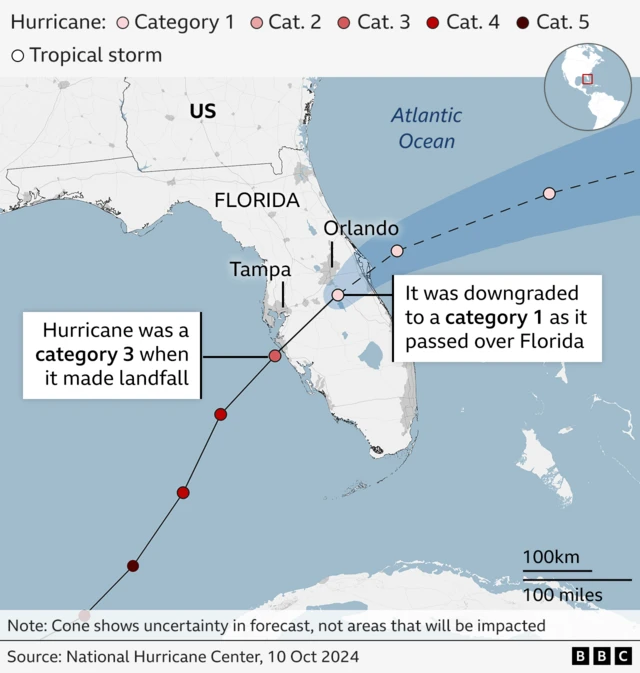
- Weather Models: Sophisticated computer programs that simulate atmospheric conditions to forecast future weather, including hurricane tracks. These models often produce a “cone of uncertainty,” representing the likely area where the center of the storm will track.
Interpreting the Cone of Uncertainty

It is vital to understand that the cone of uncertainty does not depict the entire area that will experience hurricane-force winds or other hazardous weather. It represents the most probable track of the center of the storm. Tropical storm-force winds, heavy rainfall, and dangerous storm surge can extend hundreds of miles away from the storm’s center. Therefore, even areas outside the cone can be significantly impacted. Residents and visitors in coastal areas, and even inland, should always prepare for the possibility of experiencing hazardous conditions when a storm is projected to make landfall anywhere near their location.
Preparing for a Potential Florida Hurricane
Whether you are a tourist with a reservation at a Florida resort or a local resident, proactive preparation is key to ensuring safety and minimizing damage during hurricane season. The time to prepare is before a storm is imminent.
Essential Preparation Steps
- Develop a Family Emergency Plan: Discuss with your household where you will go, what you will do, and how you will communicate if a storm approaches. This plan should include evacuation routes and meeting points.
- Assemble an Emergency Supply Kit: This kit should contain enough non-perishable food, water, medications, first-aid supplies, flashlights, batteries, and other essentials for at least three days. Consider items like sanitation supplies, a multipurpose tool, and copies of important documents.
- Secure Your Home:
- Windows and Doors: Install hurricane shutters or board up windows and doors with plywood.
- Yard: Trim trees and remove any loose outdoor items, such as patio furniture, garbage cans, and decorations, that could become projectiles in high winds.
- Roof: Ensure your roof is in good repair.
- Know Your Evacuation Zone: Florida has designated evacuation zones. Understand if you live or are staying in a zone that requires evacuation based on the storm’s category and surge potential.
- Stay Informed: Monitor official advisories from the National Hurricane Center and local emergency management agencies.
Traveler-Specific Preparations
For travelers, the situation requires an extra layer of diligence:
- Monitor Forecasts Before and During Travel: Check weather forecasts regularly leading up to and during your trip.
- Understand Hotel Policies: Familiarize yourself with the hurricane and cancellation policies of your accommodation, whether it’s a hotel like the Ritz-Carlton or a vacation rental. Many properties offer flexible rebooking or refund options.
- Have a Contingency Plan: Be prepared for potential flight cancellations, road closures, and limited access to services. Have a backup plan for where you might stay if your original accommodation becomes inaccessible or is evacuated.
- Consider Travel Insurance: Comprehensive travel insurance can provide financial protection against unforeseen events, including those related to severe weather.
- Stay in Communication: Keep your family and friends informed of your whereabouts and any changes to your travel plans.
The Broader Impact of Hurricane Season on Florida Tourism
Hurricane season is not just a matter of personal safety; it also has a significant impact on the tourism industry in Florida. This sector is a cornerstone of the state’s economy, attracting millions of visitors annually to destinations like Orlando, the Florida Keys, and the Gulf Coast beaches.
Economic Ramifications
When a hurricane makes landfall or threatens the state, cancellations can soar. Theme parks, like Walt Disney World Resort, and attractions, such as the Everglades National Park, may temporarily close. This leads to:
- Lost Revenue: Hotels, restaurants, and attractions experience significant drops in income.
- Job Losses: Tourism-related employment can be affected by extended closures or reduced visitor numbers.
- Infrastructure Damage: Coastal resorts, beaches, and transportation networks can suffer extensive damage, requiring costly repairs and long recovery periods.
Shifting Travel Patterns
The threat of hurricanes can lead to a shift in travel patterns. Some travelers may opt for alternative destinations less prone to tropical cyclones during the peak season. Others may adjust their travel dates, seeking to visit Florida outside the most active months. The industry often sees a surge in bookings during the shoulder seasons, such as late spring and early fall, when the weather is still pleasant but the hurricane threat is lower. However, even during these periods, vigilance is still recommended.
Recovery and Resilience
Despite the challenges, Florida’s tourism industry is known for its resilience. Following a storm, recovery efforts are swift, with businesses and communities working together to rebuild and reopen. Many hotels, like the Fontainebleau Miami Beach, and attractions are equipped with robust disaster preparedness plans to ensure the safety of their guests and staff and to facilitate a timely return to operations. The spirit of hospitality in Florida often shines brightest in the aftermath of a storm, with many establishments offering support and assistance to affected communities.
In conclusion, while the question of a hurricane headed towards Florida is a serious one, a combination of informed preparation, vigilant monitoring of official forecasts, and an understanding of the broader impacts can help individuals and the tourism sector navigate hurricane season with greater confidence and security.
LifeOutOfTheBox is a participant in the Amazon Services LLC Associates Program, an affiliate advertising program designed to provide a means for sites to earn advertising fees by advertising and linking to Amazon.com. Amazon, the Amazon logo, AmazonSupply, and the AmazonSupply logo are trademarks of Amazon.com, Inc. or its affiliates. As an Amazon Associate we earn affiliate commissions from qualifying purchases.