
Navigating the financial landscape of home improvement projects in Florida can often feel like traversing a maze. One common question that arises, particularly for homeowners undertaking renovations or new constructions, pertains to the taxation of such services. Specifically, many inquire, “Is there tax on putting gutters on in [Florida]?” The answer, while seemingly straightforward, involves understanding the nuances of the Florida sales and use tax structure as it applies to real property services and tangible personal property.
Understanding Florida’s Sales and Use Tax on Services
In Florida, sales and use tax is generally levied on the sale, rental, or use of tangible personal property. Services, on the other hand, are typically exempt from sales tax unless specifically enumerated by law as taxable. The installation of gutters, as a service performed on real property, falls into a unique category that requires careful consideration.
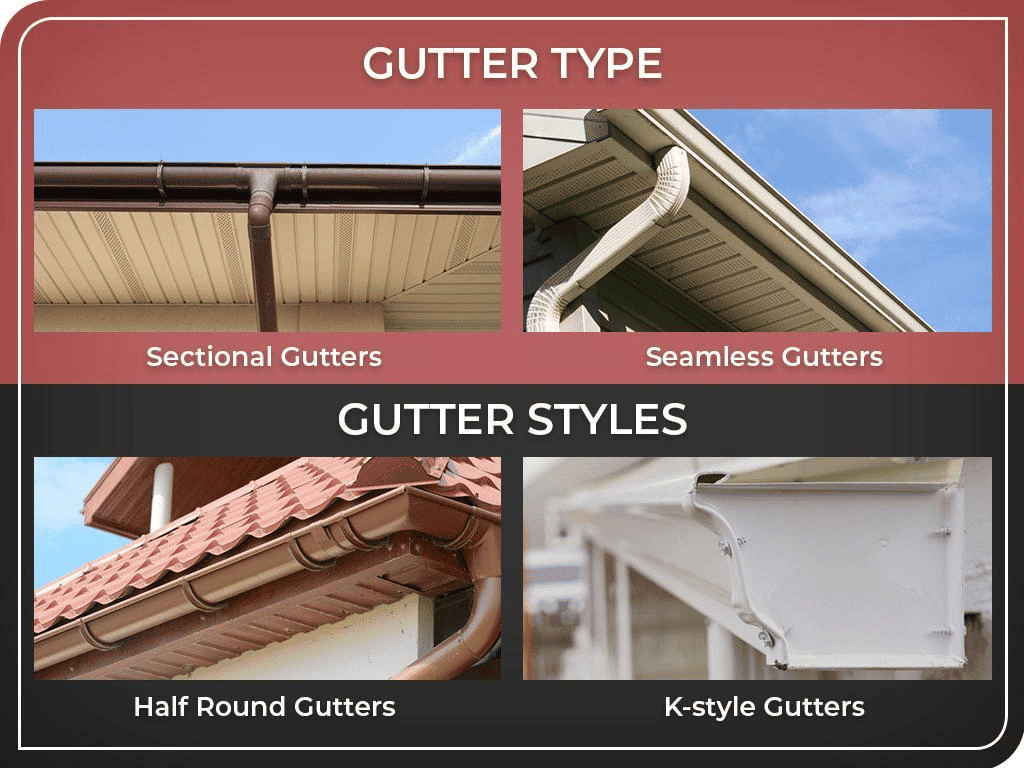
The Department of Revenue in Florida provides clear guidelines on what constitutes a taxable service versus a non-taxable one. For services rendered in connection with real property, the distinction often lies in whether the service is considered a repair, maintenance, or alteration of existing real property, or the installation of tangible personal property that becomes a fixture to that real property.
The Tangible Personal Property vs. Real Property Distinction
When a contractor installs gutters, they are essentially attaching tangible personal property – the gutter materials themselves – to the real property of your home. The tax implications hinge on how Florida law treats the transaction between the contractor and the homeowner.
Historically, the prevailing principle in Florida has been that contractors who purchase materials to be incorporated into real property are considered the consumers of those materials. This means they are responsible for paying sales tax on the purchase of the gutters, downspouts, hangers, and other components at the time of purchase. Subsequently, when they charge a homeowner for the installed gutters, this charge is generally not subject to sales tax, as the tax has already been accounted for by the contractor.
However, this principle is subject to certain conditions and interpretations. The key is the contractor’s status as the consumer of the materials. If the contractor installs the gutters as part of a larger construction or renovation project, the tax treatment can become more complex.
When Gutters Installation Might Be Taxable
While the general rule favors the contractor paying tax on materials, there are scenarios where a homeowner might indirectly bear the tax burden or where the service itself could be construed differently.
Contractor as Retailer vs. Consumer
The tax treatment depends on whether the contractor is acting as a retailer of tangible personal property or as a contractor performing a service on real property.
-
Contractor as Consumer: In most standard gutter installation scenarios, the contractor buys the gutters and related materials. They then install these items, which become a permanent part of the real property. In this case, the contractor pays sales tax on the materials they purchase from their suppliers. The charge to the homeowner for the installed gutters is then considered a charge for real property improvement, which is not taxable in Florida as a service. The homeowner pays the contractor a lump sum for the job, and the contractor has already remitted the sales tax on the materials used.
-
Contractor as Retailer: If a contractor were to sell the gutters to a homeowner and separately charge for installation, the tax treatment could differ. However, this is less common for typical gutter installations where the contractor provides both the materials and the labor as a single, integrated service. The Florida Department of Revenue considers a contractor to be a retailer if they sell tangible personal property directly to a customer and then install it. In such instances, the contractor would be required to collect sales tax on the selling price of the tangible personal property (the gutters) from the customer. The installation labor, if separately stated and considered a true service to the real property, might still be non-taxable. The complexity arises when the contractor does not provide the materials separately but incorporates them into the real property as part of their contracting service.
Repair vs. New Installation
The distinction between repairing an existing gutter system and installing a new one can also influence tax considerations, though in Florida, the core principle of materials becoming part of real property often remains. For repairs, if the contractor replaces a section of an existing gutter, they are still consuming the materials. The tax is typically paid by the contractor at the time of material purchase.

Charges for Additional Services
It’s important to differentiate the cost of the gutters and their installation from other potential charges that might be associated with the project. For instance, if the contractor performs extensive work that is clearly a separate service, such as significant structural modifications to the fascia or soffit to accommodate the gutters, these distinct services might have different tax implications, although the primary service of installing the gutters itself remains the focus.
Specific Guidance from the Florida Department of Revenue
The Florida Department of Revenue provides detailed information through its publications and tax bulletins. Generally, under Florida tax law, contractors who install tangible personal property that becomes a fixture to real property are considered the consumers of the materials. This means they pay sales tax on the purchase of the materials and do not charge sales tax to the customer on the total price of the installed fixture.
For example, if a contractor purchases $500 worth of gutter materials and pays $30 in sales tax to their supplier, and then charges the homeowner $1,000 for the installed gutters (including labor), the homeowner pays $1,000. The contractor has already remitted the $30 sales tax on the materials. The $500 difference covers labor, overhead, and profit.
Key Takeaway for Homeowners
For the average homeowner in Florida hiring a contractor to install new gutters or replace an existing system, the charge from the contractor for the gutters and installation is typically not subject to sales tax. The sales tax obligation falls on the contractor when they purchase the materials.
Exemptions and Special Circumstances
While the general rule applies to most residential gutter installations, there are always specific circumstances that might warrant further investigation.
Governmental or Nonprofit Exemptions
Certain entities, such as government agencies or qualifying nonprofit organizations, may be exempt from paying sales tax on purchases of tangible personal property. If a contractor is performing work for such an entity, the contractor would not pay sales tax on the materials, and this exemption would flow through to the customer. However, this is a specific exemption and not part of the general tax treatment for private homeowners.
Manufacturer or Supplier Purchases
It is crucial for contractors to maintain proper documentation regarding their purchases and sales. Contractors who purchase materials for incorporation into real property should provide their suppliers with a resale certificate to avoid paying sales tax at the time of purchase. Instead, they will pay tax when they sell the improved real property or when they consume the materials for their own use. In the context of real property contracting, they are considered consumers of the materials they incorporate.

Conclusion and Best Practices
In summary, for most homeowners in Florida having gutters installed, there is no direct sales tax charged to you on the invoice for the gutters and their installation. The sales tax obligation is borne by the contractor who purchases the gutter materials.
However, to ensure clarity and avoid any potential misunderstandings, it is always advisable to:
- Request a Detailed Invoice: Ensure the invoice clearly separates the cost of materials from the cost of labor, even if the total amount is not taxed. This helps in understanding the breakdown of charges.
- Verify Contractor’s Tax Status: While not always necessary, you can inquire about the contractor’s status and understanding of Florida sales tax laws for contractors. Reputable contractors will be well-versed in these regulations.
- Consult the Florida Department of Revenue: For complex projects or specific concerns, referring to the official publications of the Florida Department of Revenue or consulting with a tax professional can provide definitive answers. The agency’s website offers extensive resources on sales and use tax for construction and contracting services.
By understanding these principles, homeowners can confidently approach their gutter installation projects, ensuring all tax implications are correctly addressed, with the primary responsibility falling on the contractor’s purchase of materials.
LifeOutOfTheBox is a participant in the Amazon Services LLC Associates Program, an affiliate advertising program designed to provide a means for sites to earn advertising fees by advertising and linking to Amazon.com. Amazon, the Amazon logo, AmazonSupply, and the AmazonSupply logo are trademarks of Amazon.com, Inc. or its affiliates. As an Amazon Associate we earn affiliate commissions from qualifying purchases.