
Understanding the age requirements for kindergarten in Florida is a crucial piece of information for families planning their children’s educational journey. This guide aims to provide clarity on the enrollment criteria, the typical age range, and the implications for parents and guardians navigating the early stages of schooling within the Sunshine State.
Understanding Florida’s Kindergarten Age Requirements
Florida law mandates that children enrolling in kindergarten must meet specific age criteria. The primary determinant is the child’s age on or before a designated cutoff date. This date is established to ensure that children entering kindergarten possess a certain level of developmental readiness for the academic and social demands of the classroom.

The Official Cutoff Date
In Florida, the official cutoff date for kindergarten enrollment is September 1st of the school year in which the child is to be enrolled. This means that a child must be five years old on or before September 1st to be eligible for kindergarten in a public school or a participating private school.
For instance, if a child turns five on September 2nd, 2024, they would not be eligible for kindergarten in the 2024-2025 school year. Instead, they would be eligible for the following school year, commencing in the fall of 2025. This policy is designed to create a cohort of students with a relatively similar age and developmental profile, which educators believe can facilitate smoother classroom management and more effective instruction.
Rationale Behind the Cutoff Date
The September 1st cutoff date is a common practice across many states in the United States, including Florida. The rationale is rooted in developmental psychology and educational best practices. The theory is that children who are younger than their peers may not yet have developed the fine motor skills, cognitive abilities, or social-emotional maturity needed to thrive in a kindergarten setting. By establishing a firm cutoff date, educators aim to:
- Promote Readiness: Ensure a higher likelihood that children entering kindergarten are developmentally prepared for the academic rigor and social interactions of the classroom.
- Facilitate Instruction: Allow teachers to plan and deliver instruction that is more appropriate for the majority of the class, avoiding the need to significantly differentiate for a wide age range within a single cohort.
- Support Social-Emotional Development: Provide children with the necessary maturity to navigate peer relationships, follow classroom routines, and manage their emotions effectively.
Exceptions and Early Entrance Policies
While the September 1st cutoff date is the standard, Florida law does allow for some flexibility and consideration for early entrance into kindergarten. These exceptions are typically granted on a case-by-case basis and require a thorough assessment of the child’s readiness.
Early Entrance Assessments
Some school districts in Florida may offer opportunities for parents to have their children assessed for early entrance if they will be turning five shortly after the September 1st cutoff date. These assessments are usually comprehensive and may include evaluations of:
- Cognitive Abilities: Assesses a child’s ability to learn, problem-solve, and understand concepts.
- Language and Literacy Skills: Evaluates a child’s vocabulary, comprehension, and pre-reading skills.
- Numeracy Skills: Tests a child’s understanding of basic mathematical concepts.
- Social-Emotional Development: Observes a child’s ability to interact with peers, follow instructions, and manage their emotions.
- Fine and Gross Motor Skills: Assesses a child’s coordination and ability to perform tasks like holding a pencil or participating in physical activities.
The specific nature of these assessments can vary by school district, and parents are encouraged to contact their local school district’s administration or their child’s prospective school for detailed information on early entrance procedures and assessment criteria. It is important to note that early entrance is not guaranteed and requires a strong demonstration of the child’s readiness to succeed.
Kindergarten Before Age Five
It is important to clarify that children must be five years old by the cutoff date to enroll in kindergarten. There is no provision for children who are not yet five by September 1st to enter kindergarten, even with parental consent or advanced skills. The law is clear on this age requirement to maintain consistency and ensure a baseline level of developmental maturity for all entering kindergarteners.
The Significance of the September 1st Cutoff Date for Families
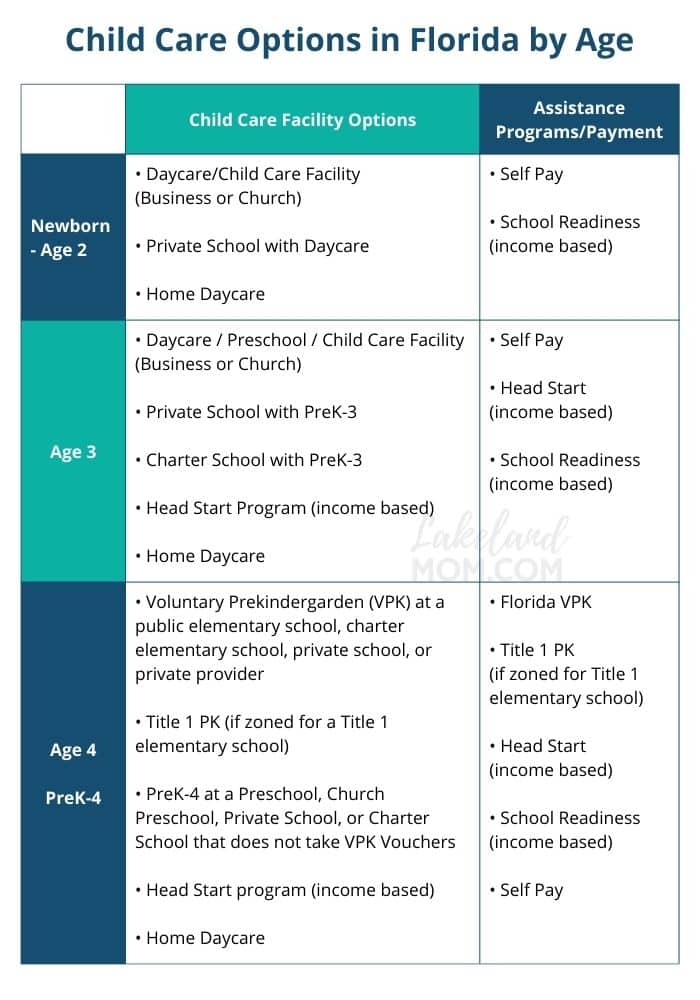
The September 1st cutoff date has significant implications for families, particularly those with children whose birthdays fall close to this date. It often leads to a common dilemma for parents: whether to send their child to kindergarten on time or to postpone their entry for a year. This decision, often referred to as “redshirting,” is a complex one with potential benefits and drawbacks.
Redshirting: A Strategic Decision
“Redshirting” a child means holding them back from starting kindergarten for one year, even though they are technically old enough. Parents may choose this option if their child’s birthday is in late August or early September, making them among the youngest in their potential kindergarten class. The primary motivations for redshirting often include:
- Increased Maturity: Allowing the child an extra year to develop physically, socially, and emotionally. This can lead to a more confident and capable student who is better equipped to handle the demands of school.
- Academic Advantage: Some parents believe that a more mature child may have an easier time with academic tasks and may be less likely to struggle with early literacy and numeracy.
- Athletic Advantage: In later years, particularly in sports, being older and physically more developed than peers can provide a significant advantage.
The Counterarguments to Redshirting
While redshirting can offer benefits, it’s not without its potential downsides. Some educators and child development experts argue that:
- Lost Learning Opportunities: Holding a child back for a year means they miss out on a year of formal instruction and socialization that they might have benefited from.
- Potential for Boredom: A child who is academically ready might become bored and disengaged in a more structured preschool or pre-kindergarten setting for an additional year.
- Social Stigma: In some cases, being the oldest in the class might lead to feelings of being different or out of sync with their peers.
The decision to redshirt is highly personal and depends on the individual child’s development, personality, and the family’s priorities. It is often beneficial to discuss this with early childhood educators and potentially the school’s administration before making a final decision.
Navigating the Kindergarten Enrollment Process in Florida
Once the age requirements are met, families need to understand the practical steps involved in enrolling their child in kindergarten in Florida. This process typically involves gathering specific documentation and adhering to school district timelines.
Required Documentation
Most Florida school districts require a set of standard documents for kindergarten enrollment. While specific requirements can vary slightly, common documents include:
- Proof of Age: A certified copy of the child’s birth certificate is the most common form of documentation.
- Immunization Records: Florida law requires children to be up-to-date on a specific list of immunizations before attending school. These records must be provided on the Florida Department of Health’s required forms.
- Proof of Residency: This typically includes documents such as a utility bill, lease agreement, or property tax statement showing the family’s address within the school district’s attendance zone.
- Social Security Card: While not always mandatory for initial enrollment, it is often requested for official record-keeping.
- Health Examination Form: Some districts may require a recent physical examination report from a physician, indicating the child is in good health for school.
Parents should consult the specific website or admissions office of the school district or individual school they intend to enroll their child in to obtain the most accurate and up-to-date list of required documents and enrollment forms.
Enrollment Timelines and Procedures
Kindergarten enrollment in Florida typically opens in the spring prior to the academic year in which the child will start school. For example, enrollment for the 2024-2025 school year usually begins in the spring of 2024.
Key steps in the enrollment process generally include:
- Registration Period: Families must adhere to the specific registration dates set by their school district. Late registrations can sometimes result in placement at a different school than the zoned one, depending on availability.
- School Choice: In some districts, parents may have the option to apply to charter schools or magnet programs, which may have separate application deadlines and criteria beyond the standard age requirements.
- School Tours and Information Sessions: Many schools offer opportunities for prospective families to visit the campus, meet teachers, and learn more about the school’s curriculum and programs.
Being proactive and starting the research and documentation process early can significantly ease the transition into kindergarten for both parents and children. Understanding the age requirements is the first step in this important educational journey in Florida.
LifeOutOfTheBox is a participant in the Amazon Services LLC Associates Program, an affiliate advertising program designed to provide a means for sites to earn advertising fees by advertising and linking to Amazon.com. Amazon, the Amazon logo, AmazonSupply, and the AmazonSupply logo are trademarks of Amazon.com, Inc. or its affiliates. As an Amazon Associate we earn affiliate commissions from qualifying purchases.