
The Golden State of California is renowned globally for its diverse landscapes, from sun-drenched beaches and arid deserts to towering redwood forests and bustling metropolises like Los Angeles and San Francisco. With its iconic imagery of surfing and endless summer, it’s a natural question to wonder: “Does it snow in California?” The answer, to the surprise of many, is a resounding yes! While the coastal areas and major cities rarely see more than a fleeting dusting, California is home to some of the most spectacular and snow-laden mountain ranges in North America. These regions transform into a pristine winter wonderland, offering a full spectrum of snow sports and breathtaking frosty vistas, making California a truly unique year-round travel destination.
This article delves into the snowy side of California, revealing where and when to find the best winter conditions, what activities await, and how to plan an unforgettable snow-filled adventure in a state celebrated for its sunshine. Whether you’re a seasoned skier, a family looking for a magical winter getaway, or simply curious about California’s climatic diversity, prepare to discover a whole new facet of this incredible state.
The Snowy Side of the Golden State
California’s unique geography is the primary reason for its dramatic climate variations. While the vast majority of the population lives in coastal or valley regions where winters are mild, the eastern and northern parts of the state are dominated by formidable mountain ranges that regularly receive abundant snowfall. These mountains act as giant natural barriers, trapping moisture from the Pacific Ocean and releasing it as snow at higher elevations.
Where Does It Snow in California?
The vast majority of California’s snow falls in its magnificent mountain ranges. These areas offer everything from world-class ski resorts to serene backcountry experiences, attracting visitors eager to embrace the colder months.
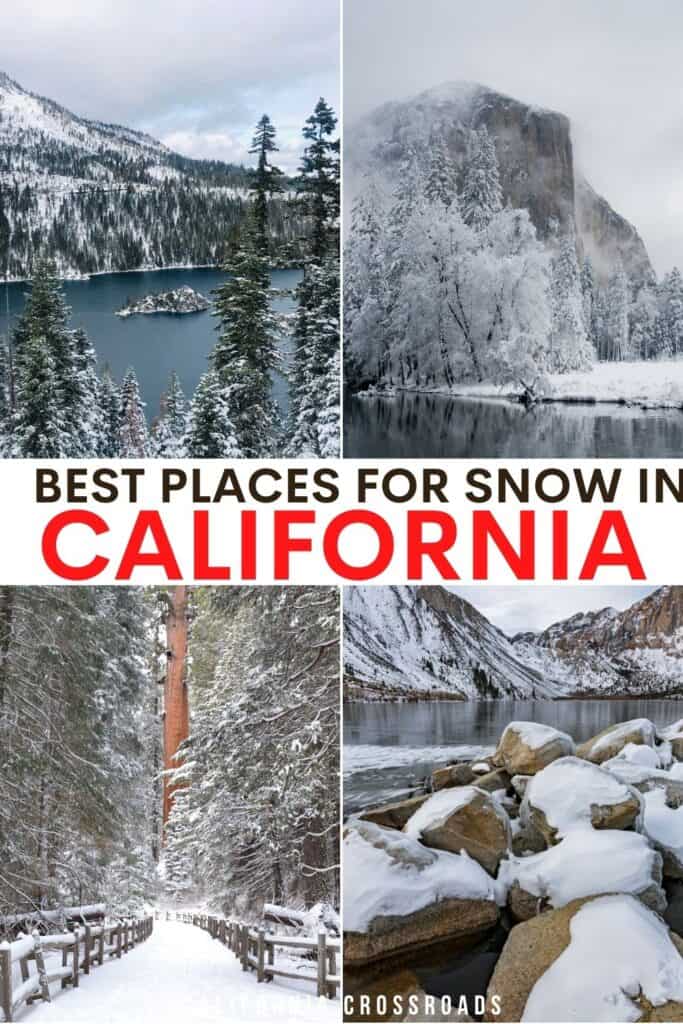
The crown jewel of California’s snowy landscape is undoubtedly the Sierra Nevada Mountains. This majestic range, stretching for hundreds of miles along the eastern edge of the state, is home to some of the most famous winter destinations. The region around Lake Tahoe, straddling the California-Nevada border, is perhaps the most well-known. Here, iconic ski resorts perch on the slopes surrounding the impossibly blue lake, receiving annual snowfall measured in feet, not inches. Further south in the Sierras, the Eastern Sierra region, particularly around Mammoth Lakes, boasts one of the longest ski seasons in North America due to its high elevation and consistent snowfall. This area is also a gateway to the stunning [Yosemite National Park](https://lifeoutofthebox.com/yosemite-national park), where iconic granite formations like El Capitan and Half Dome are often capped with snow, creating scenes of unparalleled beauty. Even further south in the Sierras, Sequoia and Kings Canyon National Parks offer incredible winter experiences, with giant sequoia trees blanketed in snow – a truly surreal and peaceful setting.
Beyond the Sierra Nevada, snow also graces the mountains of Southern California. Just a couple of hours’ drive from the bustling urban centers of Los Angeles and San Diego, the Southern California Mountains provide accessible winter escapes. Destinations like Big Bear Lake, Lake Arrowhead, and the slopes of Mount Baldy offer skiing, snowboarding, and other snow play opportunities, making them popular weekend getaways. These mountains are part of the San Bernardino National Forest and Angeles National Forest, characterized by pine forests that sparkle under a fresh coat of snow.
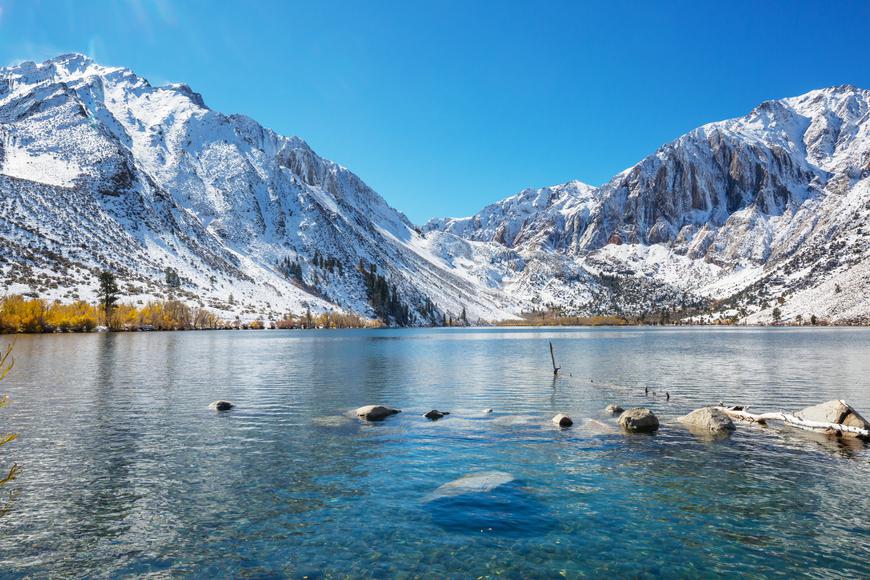
In Northern California, the volcanic peaks and high plateaus also receive substantial snowfall. Mount Shasta, a majestic stratovolcano, is a beacon for winter sports enthusiasts and spiritual seekers alike, often holding snow well into the summer months. Nearby, Lassen Volcanic National Park transforms into a quiet, snow-covered landscape perfect for snowshoeing and cross-country skiing, showcasing steaming fumaroles against a backdrop of white. The Trinity Alps Wilderness and parts of the Klamath Mountains also experience significant snowfall.
While rare, it’s worth noting that lower elevation cities and coastal areas can occasionally see a dusting of snow during unusually cold storm systems, though it seldom accumulates or lasts long. Places like Sacramento, and even the higher elevations of some Los Angeles suburbs, have witnessed brief snowfalls, which are usually cause for great excitement among residents.
When Does California See Snow?
The timing and duration of snowfall in California are directly tied to elevation and geographical location. Generally, the winter season in the mountains runs from late November through April, with peak snow conditions typically found from January to March.
- Early Season (November – December): The first significant snowfalls usually arrive in November, often coating the highest peaks and allowing some ski resorts to open by Thanksgiving, weather permitting. December sees a build-up of snow, making it a popular time for holiday ski trips.
- Mid-Season (January – March): This is the heart of winter in California’s mountains. Expect the heaviest snowfall and deepest base depths during these months. This period offers the most reliable conditions for all types of snow sports and is often when the national parks are at their most picturesque, albeit with some road closures (like Tioga Pass in Yosemite or parts of Highway 120).
- Late Season (April – May): Depending on the year’s snowfall, many resorts, especially those at higher elevations like Mammoth Mountain, can remain open well into April and even May, offering spring skiing under warmer, sunnier skies. Some years, snow can linger on the highest peaks even into June or July.
Travelers planning a winter trip should always check current weather forecasts and road conditions, especially for mountain passes like Donner Pass or routes into national parks, as chain requirements for tires are common and roads can close due to heavy snowfall. The variability of weather means that conditions can change rapidly, so preparedness is key to a smooth and enjoyable winter experience.
Embracing Winter Wonderland Activities
Once the snow falls, California’s mountain regions transform into vibrant playgrounds for winter enthusiasts. The array of activities caters to all ages and skill levels, promising memorable experiences whether you’re seeking adrenaline-pumping thrills or serene, snowy contemplation. This aspect of California tourism is a significant draw, offering a stark contrast to its sunny reputation and inviting visitors to explore a different kind of Golden State lifestyle.
Premier Ski and Snowboard Destinations
California boasts some of the most famous and diverse ski and snowboard resorts in the United States, attracting millions of visitors annually. These destinations are not just about the slopes; they offer comprehensive travel experiences, including luxurious accommodations, exquisite dining, and vibrant après-ski scenes.
The Lake Tahoe Area: This iconic region is a mecca for winter sports.
- Palisades Tahoe (formerly Squaw Valley Alpine Meadows): Known for its Olympic heritage and challenging terrain, Palisades Tahoe offers vast expanses for advanced skiers and riders, alongside excellent beginner areas. The resort’s vibrant village provides plenty of accommodation options, from luxury hotels to cozy apartments, making it a complete destination for travel and lifestyle enthusiasts.
- Heavenly Mountain Resort: Straddling the California-Nevada border above South Lake Tahoe, Heavenly lives up to its name with breathtaking lake views and expansive terrain. Its proximity to the casinos and lively nightlife of South Lake Tahoe makes it ideal for those seeking a blend of adventure and entertainment. Accommodation choices range from high-end resorts with all amenities to more budget-friendly hotels.
- Northstar California Resort: Renowned for its family-friendly atmosphere, meticulously groomed slopes, and upscale village, Northstar is a prime choice for families and those seeking a more luxurious experience. Its selection of villas and suites within the resort village offers convenient accommodation and amenities like ice skating rinks and fine dining.
- Kirkwood Mountain Resort: For those looking for a more rugged and challenging experience, Kirkwood, south of Lake Tahoe, offers some of the deepest snow and most diverse terrain in the Sierras, perfect for advanced skiers and snowboarders seeking steep chutes and backcountry access.

Mammoth Mountain: Located in the Eastern Sierra, Mammoth Mountain is a colossal resort known for its high elevation, abundant snowfall, and incredibly long season, often stretching into June or July. It offers extensive terrain for all levels, vibrant villages, and numerous lodging options, from the upscale The Village Lodge to various hotel and condo rentals, catering to all types of lifestyle preferences. The surrounding Mammoth Lakes area is a hub for tourism, with hot springs and stunning natural landmarks.
Big Bear Mountain Resort: A popular destination for Southern Californians, Big Bear Mountain Resort comprises two distinct mountains: Snow Summit and Bear Mountain. Snow Summit is known for its excellent grooming and family-friendly runs, while Bear Mountain is a paradise for snowboarders with its terrain parks. The accessibility from Los Angeles and San Diego makes it a favored spot for weekend trips and winter sports lessons, with a charming town offering diverse accommodation and local culture.
Beyond Skiing: Other Winter Delights
California’s snowy regions offer much more than just downhill skiing and snowboarding. For those seeking different adventures or a more relaxed winter experience, a variety of activities await.
Snowshoeing and Cross-Country Skiing: These activities provide a fantastic way to explore the serene winter landscapes at a slower pace. Many ski resorts offer groomed trails, but national parks like Yosemite, Sequoia, and Lassen Volcanic National Park, along with various national forests like the Tahoe National Forest and Inyo National Forest, boast extensive backcountry trails. Imagine snowshoeing among the giant sequoias, with the only sounds being the crunch of snow underfoot and the crisp winter air – a truly unforgettable nature experience. Many locations also offer equipment rentals and guided tours, making it accessible for beginners.
Tubing and Sledding: For pure, unadulterated fun, especially with families, tubing and sledding parks are extremely popular. Resorts like Big Bear, Lake Tahoe resorts, and Mammoth Lakes often feature dedicated snow play areas with magic carpet lifts for easy access. This is an ideal activity for younger children or anyone looking for a low-impact, high-thrill snow experience.
Ice Skating: Many mountain towns and resort villages offer outdoor ice skating rinks, creating a festive atmosphere. Iconic rinks can be found at Northstar California Resort, Mammoth Lakes Village, and within the villages of South Lake Tahoe, providing a charming backdrop for a leisurely evening or a fun family outing.
Winter Hiking and Sightseeing: Even without skis, the beauty of California’s snow-covered mountains is mesmerizing. Iconic landmarks such as Yosemite Valley under a blanket of snow offer a unique perspective, free from summer crowds. Roads to accessible viewpoints are often plowed, allowing visitors to drive and witness the grandeur. Always check park conditions, as some roads may be closed or require chains. Walking through a snow-laden forest in a national forest like Los Padres National Forest also offers profound peace and connection with nature.
Cozy Cabin Retreats and Après-Ski: Beyond the activities, the lifestyle of a California winter escape often revolves around warmth and comfort. Imagine staying in a rustic cabin with a crackling fireplace, enjoying hot cocoa after a day on the slopes, or indulging in a gourmet meal at a resort restaurant. The après-ski scene is vibrant in many resorts, offering live music, craft beers, and opportunities to relax and socialize. For accommodation, options range from luxury chalets and full-service resorts to quaint bed and breakfasts and vacation rentals, catering to every preference, whether it’s a romantic getaway or a lively group trip.
Planning Your California Snow Escape
A winter trip to California requires thoughtful planning to ensure a safe, enjoyable, and memorable experience. Understanding the practicalities of mountain travel and making informed accommodation choices will significantly enhance your adventure.
Essential Travel Tips and Preparation
Navigating California’s snowy regions comes with its own set of considerations. Being prepared is key to a stress-free trip, especially for those venturing from sunnier climates.
- Road Conditions and Chain Requirements: This is paramount. Mountain roads, particularly passes, can become treacherous during and after snowfall. California Highway Patrol (CHP) frequently implements chain requirements for vehicles, especially for 2-wheel drive cars, and sometimes even for 4-wheel drive/AWD vehicles without snow-rated tires. Always carry snow chains and know how to install them. Check Caltrans (California Department of Transportation) websites or apps for real-time road conditions before and during your journey. Many national park entrances also have similar requirements.
- Vehicle Preparation: Ensure your vehicle is winter-ready. This includes checking tire tread, fluid levels (antifreeze, windshield wiper fluid), and having an emergency kit with blankets, food, water, a first-aid kit, a shovel, and jumper cables. A full tank of gas is also advisable, as gas stations can be sparse in remote mountain areas.
- Packing Essentials: Layers are crucial. Pack waterproof outer shells (jacket and pants), insulated inner layers (fleece, down), thermal underwear, waterproof gloves or mittens, warm hats, and waterproof boots. Don’t forget sunscreen and sunglasses, as the sun’s reflection off the snow can be intense, even on cold days. For children, extra changes of clothing are always a good idea.
- Booking in Advance: Especially for popular destinations like Lake Tahoe and Mammoth Lakes, accommodation, ski rentals, and lift tickets can sell out quickly, particularly during peak season (holidays and weekends). Booking your hotels, resorts, or vacation rentals well in advance is highly recommended to secure your preferred spot and often better rates. Many resorts offer package deals that combine lodging and lift tickets, which can be a cost-effective option.
- Checking Weather Forecasts: Mountain weather is notoriously unpredictable. Keep an eye on the forecast leading up to and during your trip. Be flexible with your plans, as a heavy snowstorm might mean adjusting your itinerary or delaying travel.
- Altitude Sickness: Many of California’s snowy destinations are at high elevations. Take it easy on your first day, stay hydrated, and avoid excessive alcohol to mitigate the effects of altitude sickness.
Accommodation and Lifestyle in Snowy Regions
California’s winter destinations offer a wide array of accommodation options and cater to diverse lifestyle preferences, from budget-conscious travelers to those seeking luxury.
For those dreaming of a lavish ski vacation, resorts like Northstar California Resort offer upscale hotels, spacious suites, and private villas with amenities such as spas, gourmet restaurants, and ski-in/ski-out access. In Mammoth Lakes, The Village Lodge provides condominium-style suites directly in the vibrant village, offering convenience and comfort with a lively atmosphere. Similarly, near Yosemite National Park, resorts like Tenaya at Yosemite offer a luxury experience with an indoor water park and spa, perfect for families or those seeking relaxation after outdoor activities.
Budget travelers will find plenty of choices too, including motels in surrounding towns, hostel options, and more affordable cabin rentals. Many smaller towns near the larger resorts offer competitive pricing for hotels and apartments, providing easy access to the slopes without the premium resort price tag. For families, renting a fully equipped apartment or a private cabin can be an excellent option, offering space, a kitchen for self-catering, and a cozy environment for a long-term stay. Websites specializing in accommodation booking and comparison can help find the best deals.
The lifestyle in these snowy areas is distinctly different from California’s coastal vibe. It’s a blend of outdoor adventure, cozy relaxation, and community spirit. Après-ski culture thrives, with lively bars and restaurants serving up hearty meals and local brews. Many areas host winter festivals, ice carving competitions, and other community events, adding to the local culture. For foodies, mountain towns offer everything from casual eateries to upscale dining, often featuring regional specialties and comforting winter fare. Whether your lifestyle leans towards adventurous exploration, serene solitude, or family-focused fun, California’s snowy regions have something to offer every type of traveler.
In conclusion, California unequivocally offers incredible opportunities for snow lovers. From the vast, high-altitude ranges of the Sierra Nevada to the accessible peaks of Southern California, the state transforms into a winter wonderland for several months each year. With world-class ski resorts, endless opportunities for snow play, and breathtaking natural beauty under a blanket of white, California truly delivers a unique combination of experiences – often allowing you to ski in the morning and be back on the coast by sunset. So, pack your bags, prepare for adventure, and discover the magical, snowy side of the Golden State.
LifeOutOfTheBox is a participant in the Amazon Services LLC Associates Program, an affiliate advertising program designed to provide a means for sites to earn advertising fees by advertising and linking to Amazon.com. Amazon, the Amazon logo, AmazonSupply, and the AmazonSupply logo are trademarks of Amazon.com, Inc. or its affiliates. As an Amazon Associate we earn affiliate commissions from qualifying purchases.