
Navigating the legal landscape surrounding reproductive healthcare, particularly abortion, can be a complex and often stressful undertaking for individuals and families. In Florida, the legal framework governing abortion access has undergone significant changes in recent years, reflecting a broader national dialogue and shifting legislative priorities. Understanding these laws is crucial for residents and visitors alike who may be seeking or providing reproductive health services. This guide aims to provide a comprehensive overview of the current abortion laws in Florida, focusing on key provisions, timelines, and associated regulations.
Gestational Limits and Waiting Periods
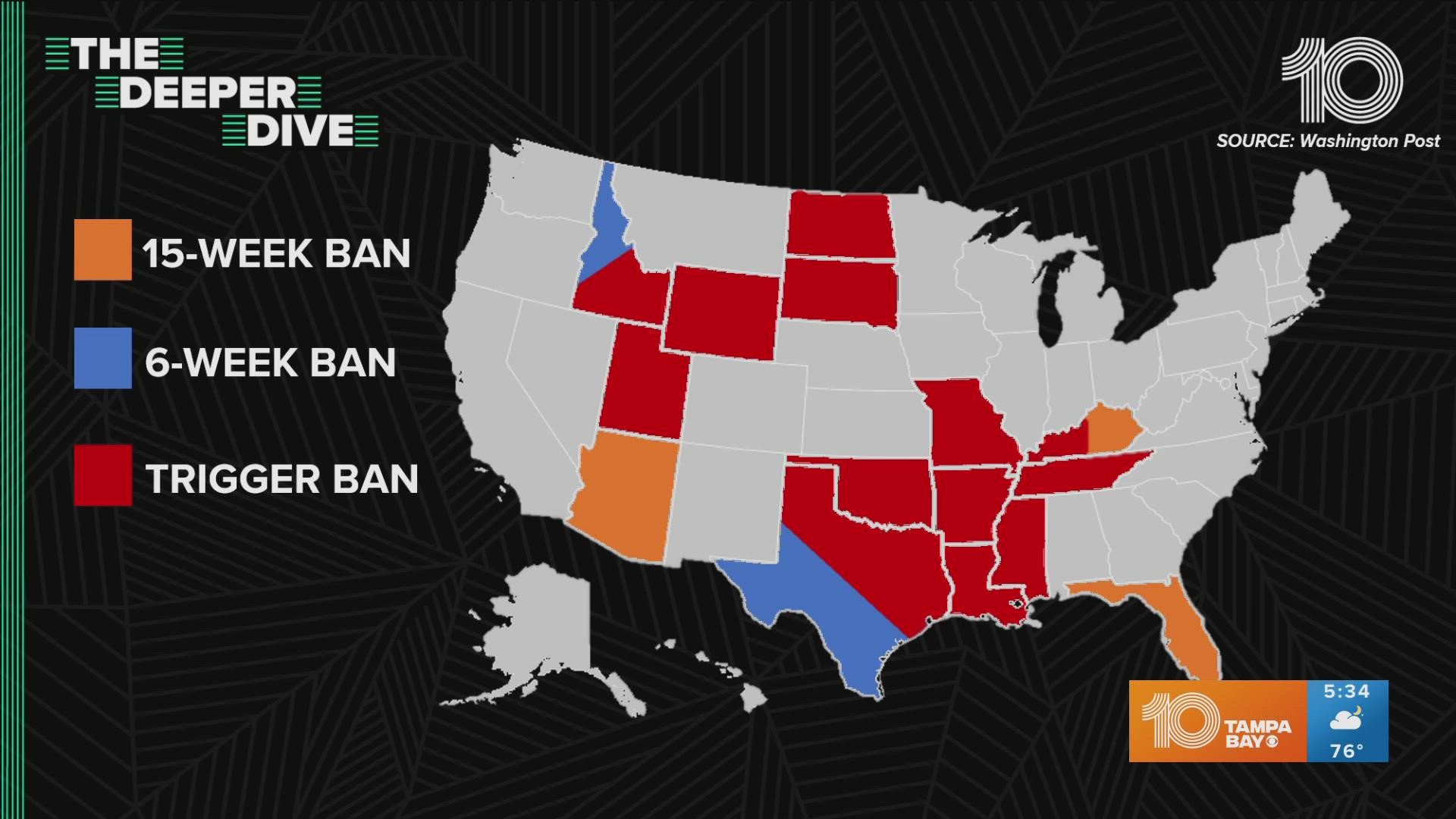
One of the most significant aspects of Florida’s abortion laws pertains to the gestational limit for the procedure. As of the current legal standing, abortions are generally prohibited after 15 weeks of gestation, with exceptions for cases where the procedure is necessary to save the life or preserve the physical health of the pregnant individual, or in cases of fatal fetal abnormality. This 15-week ban is a key point of contention and has been subject to legal challenges. Prior to this, Florida had a 24-week ban.
The 15-Week Gestational Limit
The 15-week ban, enacted through legislation and upheld by state courts, dictates the latest point at which an abortion can be legally performed in Florida. This limit is measured from the first day of the pregnant individual’s last menstrual period. Healthcare providers performing abortions must adhere strictly to this timeframe.
Exceptions to the Limit
While the 15-week limit is the general rule, Florida law does provide for specific exceptions. These are primarily focused on medical necessity and severe fetal conditions:
- Life and Physical Health of the Pregnant Individual: If continuing the pregnancy poses a substantial risk to the pregnant individual’s life or would cause substantial and irreversible impairment of a major bodily function, an abortion may be permitted beyond the 15-week mark. This requires careful medical documentation and physician judgment.
- Fatal Fetal Abnormality: In cases where a physician determines that the fetus has a condition that is incompatible with life or will result in the infant dying shortly after birth, an abortion may also be permissible after 15 weeks. This often involves extensive testing and consultation with specialists.
It is imperative for individuals seeking an abortion under these exceptional circumstances to work closely with medical professionals to ensure all legal requirements are met and properly documented.
Mandatory Waiting Periods
In addition to gestational limits, Florida also mandates a mandatory waiting period between a patient’s initial consultation with a healthcare provider and the abortion procedure itself. This waiting period is 24 hours. The intent behind such waiting periods, as stated by proponents, is to allow individuals time for reflection and to ensure their decision is fully informed. This period requires two separate visits to a healthcare facility.
Parental Involvement Requirements
For minors seeking an abortion in Florida, parental involvement is a significant legal consideration. State law requires that a minor obtain the consent of one parent or legal guardian before undergoing an abortion. There are, however, provisions for judicial bypass, allowing a minor to petition a court for permission to have an abortion without parental consent.
Parental Consent
Under Florida law, a minor (defined as an unmarried person under the age of 18) must generally have the consent of a parent or legal guardian for an abortion. This consent must be informed and voluntary.
Judicial Bypass
The judicial bypass process is designed to offer an avenue for minors who cannot or should not involve their parents or legal guardians in their decision-making. A minor can petition a court to waive the parental consent requirement. To grant a bypass, a judge must determine, after a confidential hearing, that the minor is sufficiently mature to make the abortion decision independently or that the abortion is in the minor’s best interest. This process aims to balance parental rights with a minor’s right to privacy and autonomy in sensitive healthcare decisions.
Reporting and Record-Keeping
Healthcare providers who perform abortions in Florida are subject to specific reporting and record-keeping requirements. These regulations are in place to ensure accountability, monitor abortion statistics, and maintain a record of procedures performed.
Data Collection and Reporting
The Florida Department of Health collects data on all abortion procedures performed within the state. This includes information such as the patient’s age, race, marital status, the gestational age at the time of the abortion, the method used, and the reason for the procedure. This data is typically anonymized to protect patient privacy.
Confidentiality and Patient Records
While reporting is mandated, strict confidentiality laws protect patient information. Medical records pertaining to abortion services are confidential and can only be accessed under specific legal circumstances, such as court orders or in cases of medical emergency. Healthcare providers are required to maintain accurate and secure patient records in compliance with state and federal privacy regulations.
Restrictions on Abortion Methods
Florida law also includes provisions that regulate or restrict certain methods of abortion. These restrictions are often based on the stage of pregnancy and the type of procedure.
Prohibition of Certain Procedures
While specific medical procedures are employed based on gestational age and patient health, Florida law may prohibit certain methods deemed by the legislature to be more invasive or to pose greater risks. For instance, laws may target specific surgical techniques or medication abortion protocols, depending on the evolving legal landscape. It is essential for both patients and providers to be aware of any such prohibitions that may impact the available options.
Legal Challenges and Ongoing Developments
The abortion laws in Florida have been, and continue to be, a subject of significant legal debate and challenge. Court rulings and legislative actions can alter the accessibility and legality of abortion services.
Impact of State and Federal Court Decisions
Numerous court cases have shaped and continue to shape abortion access in Florida. Federal court decisions, particularly those related to federal constitutional rights, can influence state-level regulations. Similarly, state supreme court rulings interpret Florida’s own constitution and statutes concerning reproductive rights. Staying informed about these ongoing legal developments is crucial, as they can rapidly change the landscape of abortion access.
Legislative Initiatives and Future Outlook
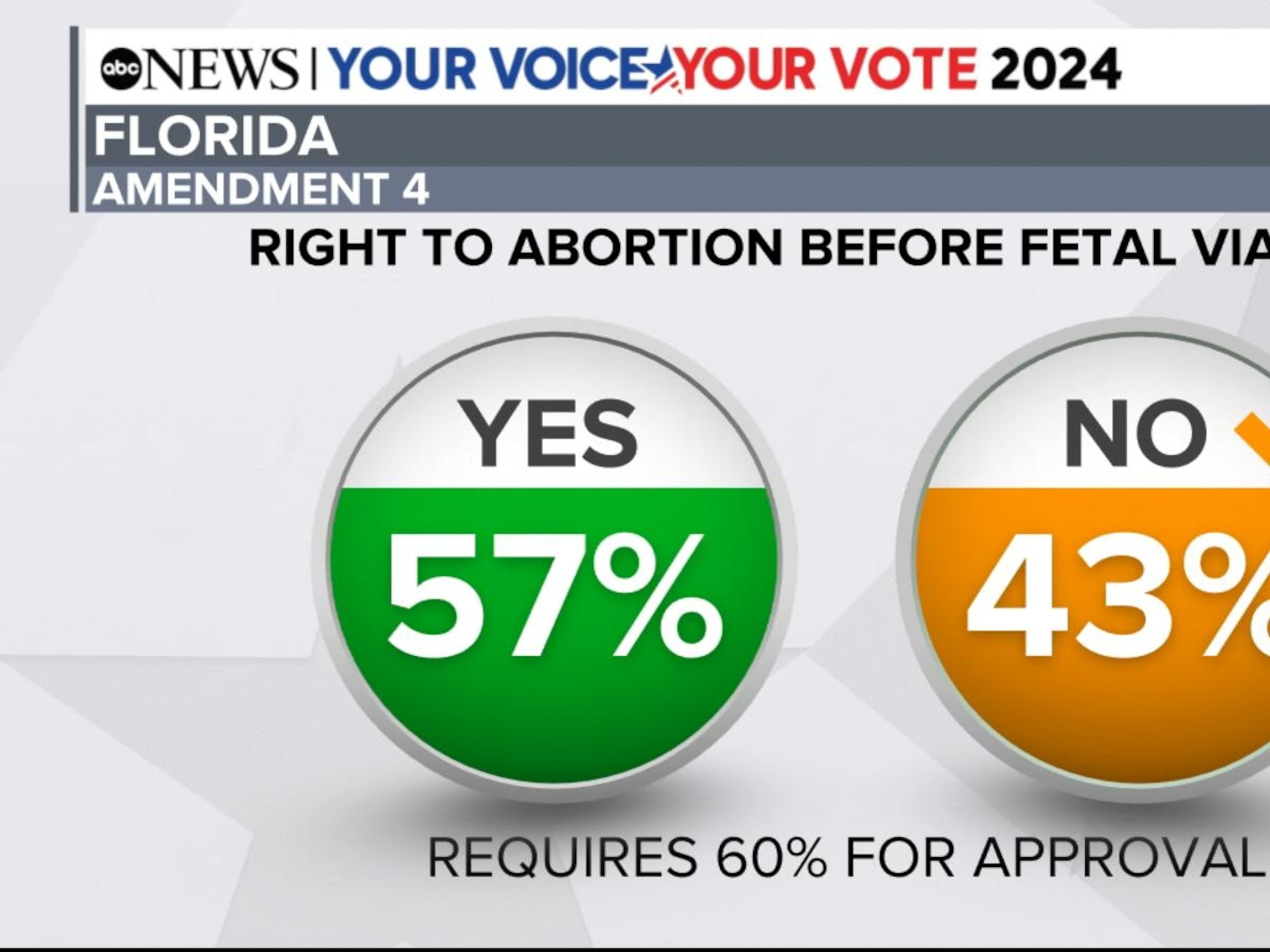
The Florida Legislature frequently considers bills related to abortion. These can range from further restrictions on access, to mandates for providers, to potential expansions of services or protections. The political climate and judicial interpretations play a significant role in determining the future direction of abortion laws in the state. Individuals concerned about these laws should monitor legislative sessions and proposed changes.
Accessing Abortion Services in Florida
For individuals seeking abortion services in Florida, understanding the legal framework is the first step. It is advisable to consult with trusted healthcare providers, reproductive health organizations, or legal counsel to obtain accurate and up-to-date information tailored to individual circumstances.
Finding Licensed Providers
Abortion services in Florida must be provided by licensed healthcare professionals in licensed facilities. It is essential to ensure that any clinic or provider chosen is legitimate and compliant with all state regulations. Reputable organizations that offer referrals can help guide individuals to safe and legal options.
Navigating the Legal and Medical Landscape
The intersection of law and healthcare can be intricate. Patients are encouraged to ask questions of their healthcare providers about the procedures, the legal requirements, and any potential barriers to access. Support organizations can also offer counseling, logistical assistance, and information about financial aid resources that may be available for those seeking abortion care. The legal landscape surrounding abortion is dynamic, and informed decision-making requires up-to-date knowledge of Florida’s evolving laws and regulations.
LifeOutOfTheBox is a participant in the Amazon Services LLC Associates Program, an affiliate advertising program designed to provide a means for sites to earn advertising fees by advertising and linking to Amazon.com. Amazon, the Amazon logo, AmazonSupply, and the AmazonSupply logo are trademarks of Amazon.com, Inc. or its affiliates. As an Amazon Associate we earn affiliate commissions from qualifying purchases.