
Florida, a state celebrated for its sun-drenched beaches, vibrant theme parks, and abundant natural beauty, is also acutely aware of its vulnerability to natural disasters, particularly hurricanes. Understanding the designated evacuation zones is not merely a matter of preparedness; it is a critical element of responsible travel and residency within the Sunshine State. These zones are meticulously defined by local and state emergency management agencies to ensure the safety of residents and visitors when a hurricane or other significant threat approaches.
The primary purpose of evacuation zones is to communicate risk and guide protective actions. They are typically based on the potential impact of storm surge, which is the abnormal rise of water generated by a storm, over and above the predicted astronomical tide. Storm surge is often the most dangerous and life-threatening aspect of a hurricane. Areas within the designated zones are identified as being at high risk of experiencing severe flooding from storm surge, making them the first areas to be evacuated when a hurricane watch or warning is issued.

Navigating these zones is crucial for anyone planning a trip to or residing in Florida. It impacts decisions about where to stay, what routes to take, and the overall safety strategy during hurricane season, which officially runs from June 1st to November 30th. Knowing your zone can be the difference between a minor inconvenience and a life-threatening situation.
Understanding Florida’s Evacuation Zone Designations
Florida’s evacuation zones are not arbitrary. They are the product of sophisticated modeling, historical data analysis, and a deep understanding of the state’s geography, especially its extensive coastline and low-lying inland areas. The most common designation for these zones is a lettered system, ranging from ‘A’ to ‘D’ in many coastal counties, with ‘A’ typically representing the highest-risk areas most susceptible to storm surge.
The Lettered Evacuation Zone System
The lettered system is the cornerstone of hurricane evacuation planning in Florida. Each letter signifies a specific level of risk associated with storm surge inundation.
-
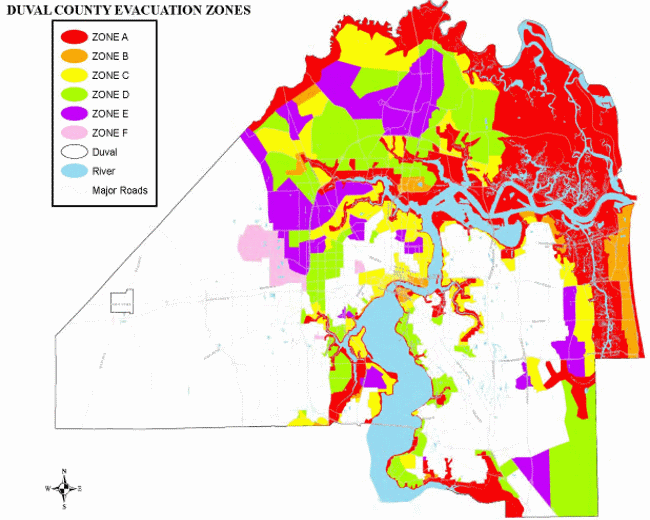
Zone A: This is the most vulnerable zone. It typically includes coastal areas, low-lying islands, and areas immediately adjacent to tidal waters that are prone to significant flooding from even a Category 1 hurricane. If you are in Zone A, evacuation orders will likely be issued early and without hesitation for your safety. Many popular tourist destinations and coastal communities fall within Zone A, highlighting the importance for visitors to be aware of their accommodation’s designation.
-
Zone B: Located inland from Zone A, or at slightly higher elevations, Zone B areas are still at considerable risk of storm surge flooding, especially from stronger hurricanes (Categories 2 and above). Evacuations for Zone B will typically commence after Zone A is ordered to evacuate.
-
Zone C: This zone is generally further inland or at higher elevations than Zones A and B. While still susceptible to storm surge, the risk is reduced. Evacuations for Zone C are usually ordered when a more powerful hurricane is anticipated or when the storm’s trajectory and intensity suggest a significant surge reaching these areas.
-
Zone D: In some counties, a Zone D designation may exist, representing areas with the lowest risk of storm surge inundation but still potentially affected by heavy rainfall, wind, and other hurricane impacts. Evacuations for Zone D are typically the last to be ordered and are often based on broader storm effects beyond just surge.
It’s important to note that the specific boundaries and the existence of all lettered zones can vary from county to county. For instance, some inland counties might not have coastal surge zones but will have evacuation zones based on potential flooding from heavy rainfall and overflowing rivers.
Evacuation Levels: Surge vs. Non-Surge
Beyond the geographical zones, emergency managers also consider different types of evacuation orders:
-
Storm Surge Evacuations: These are the most critical and are directly tied to the lettered zones. They are implemented to move people out of areas directly threatened by rising ocean waters.
-
Hurricane Evacuations (General): Sometimes, an evacuation order may be issued for areas not directly on the surge path but are still at significant risk from extreme winds, heavy rainfall leading to inland flooding, or structural integrity concerns of buildings. These may encompass broader areas and are not always directly tied to a specific lettered surge zone.
Identifying Your Evacuation Zone
The most crucial step for anyone in Florida is to identify their specific evacuation zone. This is readily available information provided by local emergency management agencies.
-
County Emergency Management Websites: Every county in Florida has an emergency management agency with a dedicated website. These sites are the definitive source for local evacuation zone maps. You can typically find them by searching for “[County Name] Emergency Management.”
-
Online Interactive Maps: Many counties and the Florida Division of Emergency Management offer interactive online maps. These platforms allow you to enter your address and instantly see which evacuation zone you are located in. These are invaluable tools for residents and for travelers to check their hotel or rental property location.
-
Hurricane Preparedness Guides: Local governments often distribute comprehensive hurricane preparedness guides that include detailed evacuation zone maps. These are usually available online and at local government offices.
-
“Know Your Zone” Campaign: The Florida Division of Emergency Management actively promotes the “Know Your Zone” campaign, encouraging all residents and visitors to familiarize themselves with their evacuation status.
The Critical Role of Evacuation Zones for Travelers
For travelers visiting Florida, understanding evacuation zones is paramount, especially during hurricane season. While the allure of a Florida Keys getaway or a theme park adventure in Orlando is strong, safety must always come first.
Planning Your Trip: Accommodation and Location
When booking accommodations, particularly in coastal areas, it is wise to inquire about the property’s evacuation zone designation. Hotels and resorts in Zone A or B, while offering stunning ocean views, are the first to be evacuated.
-
Coastal Resorts and Hotels: Properties like the Ritz-Carlton, Naples or the Fontainebleau Miami Beach, situated directly on the coast, are in high-risk zones. While these establishments are equipped to handle emergencies, guests should be prepared for potential evacuation orders.
-
Inland Alternatives: Choosing accommodations slightly inland, in zones with lower risk (e.g., Zone C or D, or areas not designated for surge), can offer greater peace of mind during hurricane season. However, even inland locations can be affected by severe weather.
-
Short-Term Rentals: For vacation rentals, whether a villa in Sarasota or an apartment in Tampa, verifying the evacuation zone is equally important. Property managers should be able to provide this information.
During Your Stay: Monitoring Alerts and Following Orders
Once you are in Florida, staying informed about weather developments is critical.
-
Local News and Weather Channels: Monitor local news broadcasts and weather reports for updates on any developing tropical systems.
-
Official Emergency Alerts: Sign up for local emergency alert systems. These often use text messages or app notifications to inform you of evacuation orders specific to your location.
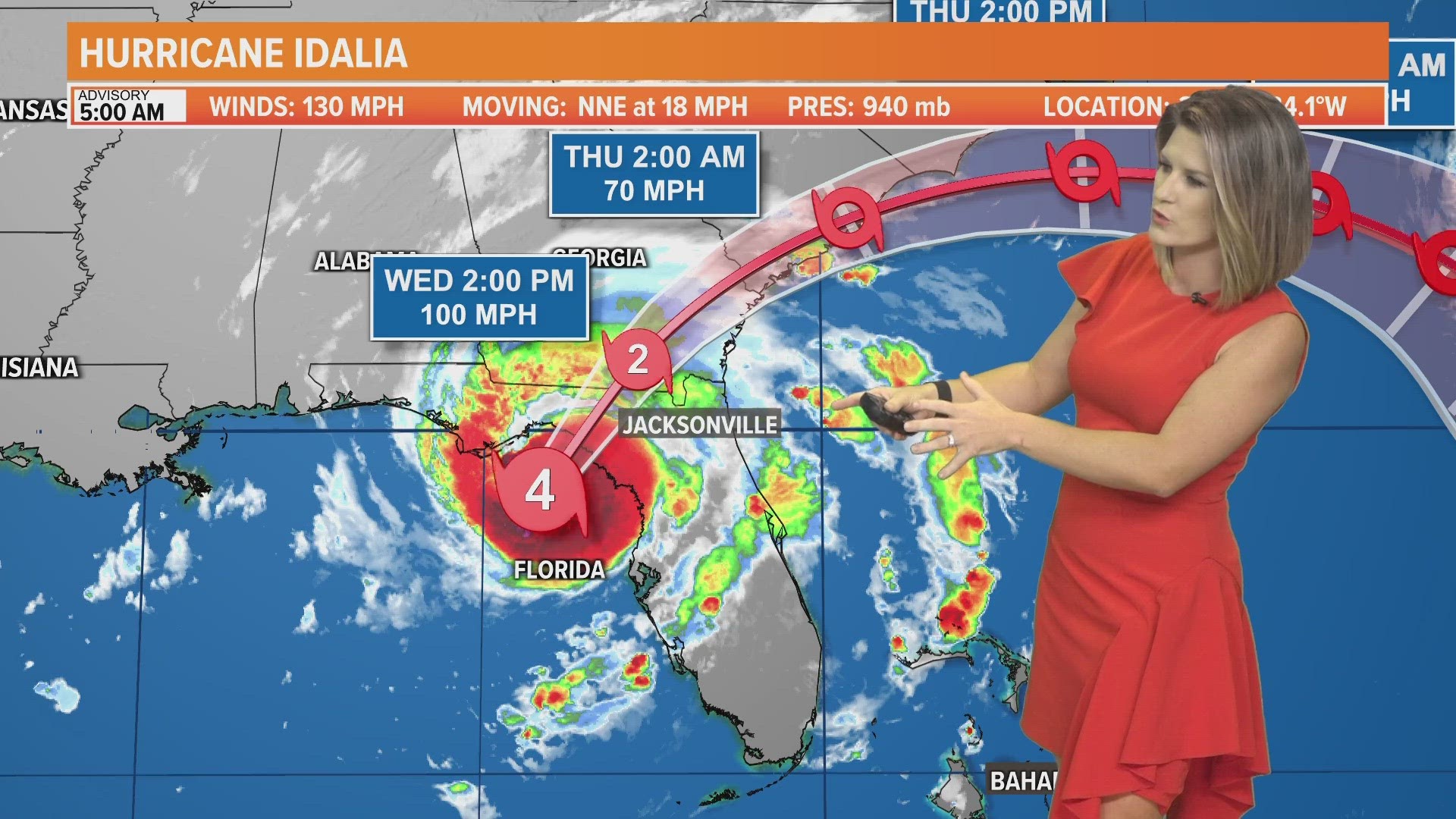
- Heeding Evacuation Orders: If an evacuation order is issued for your zone, it is crucial to comply immediately. Emergency officials issue these orders because they believe it is the safest course of action. Delaying your departure can lead to being stranded in dangerous conditions, with roads becoming impassable and emergency services potentially overwhelmed.
Travel Routes and Road Conditions
Evacuation routes are designated by state and local authorities to facilitate the orderly movement of people away from danger zones.
-
Primary Evacuation Routes: These are typically major highways that are clearly marked. Knowing the primary evacuation routes for the area you are visiting or residing in is essential. For example, routes like I-75 or US-1 become critical arteries during evacuations.
-
Traffic Congestion: Be prepared for significant traffic congestion if an evacuation order is issued. Leaving early is always advisable.
-
Shelter Information: Official evacuation orders will often include information about designated public shelters. These are typically located in reinforced buildings outside of evacuation zones.
Beyond Storm Surge: Other Evacuation Considerations
While storm surge is the primary driver for coastal evacuation zones, other factors necessitate evacuations across Florida, impacting both coastal and inland communities.
Inland Flooding and Rainfall
Florida’s geography, characterized by low elevation and porous soil, makes it highly susceptible to heavy rainfall and subsequent inland flooding.
-
River and Lake Systems: Many inland communities are situated near rivers, lakes, and wetlands. Intense rainfall from tropical storms and hurricanes can cause these water bodies to swell and overflow, leading to widespread flooding that may necessitate evacuations even far from the coast.
-
Urban Flooding: Densely populated urban areas, especially those with inadequate drainage systems, can experience severe flash flooding from intense downpours. Cities like Miami and Fort Lauderdale have historically dealt with significant urban flooding issues.
Wind and Debris Hazards
High winds associated with hurricanes can cause widespread destruction, posing a direct threat to life and property.
-
Structural Integrity: Older buildings or homes not constructed to withstand hurricane-force winds may be deemed unsafe, leading to mandatory evacuations of specific neighborhoods or structures.
-
Flying Debris: Winds can turn everyday objects into dangerous projectiles. Evacuating to a safe, reinforced location is crucial to avoid injury from flying debris.
Public Health and Infrastructure Failures
In extreme scenarios, evacuations might be ordered due to potential failures in essential infrastructure or public health concerns.
-
Dam and Levee Failures: Though rare, the risk of dam or levee breaches during extreme weather events can trigger immediate evacuation orders for downstream communities.
-
Loss of Utilities: Prolonged power outages, disruption of water and sewer services, or hazardous material releases could also necessitate localized evacuations for public safety.
Preparing for Evacuation: A Proactive Approach
Effective evacuation is not solely about understanding the zones; it’s about proactive preparation. This applies equally to residents and long-term visitors.
The Go-Bag: Essential Supplies
A well-prepared “go-bag” or emergency kit is vital. It should contain essentials to sustain you and your family for at least 72 hours.
- Water: One gallon per person per day.
- Food: Non-perishable items like canned goods, energy bars, and dried fruit.
- First-Aid Kit: Comprehensive supplies, including any necessary personal medications.
- Flashlight and Extra Batteries: Essential for navigating during power outages.
- Radio: A battery-powered or hand-crank NOAA weather radio.
- Sanitation Items: Toiletries, hand sanitizer, and toilet paper.
- Copies of Important Documents: Identification, insurance policies, and medical records, stored in a waterproof bag.
- Cash: ATMs may not work during power outages.
- Multi-tool or Knife: For various tasks.
- Chargers and Power Banks: For electronic devices.
Communication Plan
Establish a communication plan with family or friends who may be in different locations. Designate an out-of-state contact person whom everyone can check in with. Ensure everyone knows how to reach each other if local communication lines are down.
Securing Your Home or Rental
If time permits before evacuating, take steps to secure your property.
- Board Up Windows: Use plywood to protect windows from high winds and debris.
- Secure Outdoor Items: Bring in or tie down patio furniture, garbage cans, and anything else that could become a projectile.
- Turn Off Utilities: Consider shutting off gas and electricity if advised by authorities.
- Photos of Valuables: Document your belongings for insurance purposes.
Pet Preparedness
Don’t forget your furry companions. Many shelters do not accept pets, so you will need to make arrangements for them.
- Pet-Friendly Shelters: Identify designated pet-friendly shelters in advance.
- Pet Evacuation Kit: Include food, water, medications, leashes, carriers, and vaccination records.
- Temporary Boarding: Research boarding kennels or friends/family outside the potential impact zone who can house your pets.
Florida’s evacuation zones are a vital component of its comprehensive emergency management strategy. For residents and visitors alike, understanding these zones, knowing your specific designation, and preparing accordingly are not just recommendations—they are essential steps for ensuring safety and well-being when tropical weather threatens the beautiful landscapes of the Sunshine State. By staying informed and proactive, everyone can navigate the risks and continue to enjoy all that Florida has to offer.
LifeOutOfTheBox is a participant in the Amazon Services LLC Associates Program, an affiliate advertising program designed to provide a means for sites to earn advertising fees by advertising and linking to Amazon.com. Amazon, the Amazon logo, AmazonSupply, and the AmazonSupply logo are trademarks of Amazon.com, Inc. or its affiliates. As an Amazon Associate we earn affiliate commissions from qualifying purchases.