
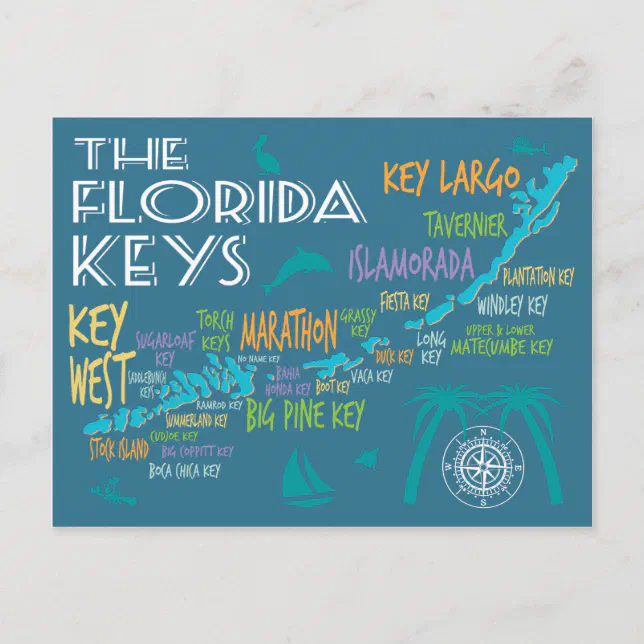
The Florida Keys, a crescent-shaped archipelago stretching southwest from mainland Florida into the Gulf of Mexico, is a destination synonymous with turquoise waters, vibrant coral reefs, and a laid-back island atmosphere. While many travelers associate the Keys with a collective identity, this string of islands is, in fact, composed of numerous individual keys, each boasting its own unique character, history, and charm. Understanding the names of these islands, from the bustling hubs to the secluded sanctuaries, unlocks a deeper appreciation for the diverse experiences the Florida Keys have to offer. This guide delves into the nomenclature of this captivating chain, highlighting key islands and their distinct identities, ideal for the discerning traveler seeking to explore beyond the familiar.

The Upper Keys: Gateway to Island Paradise
The Upper Keys serve as the initial entry point for many visitors arriving by car via the famed Overseas Highway. These islands, closest to the mainland, offer a blend of accessible attractions and a taste of the Keys’ signature allure.
Key Largo: The Dive Capital and Lush Entrance
The northernmost inhabited island, Key Largo, is renowned as the “Dive Capital of the World.” Its fame is largely attributed to the John Pennekamp Coral Reef State Park, the nation’s first underwater park, protecting a breathtaking expanse of coral reefs and marine life. Visitors flock here for snorkeling, scuba diving, and glass-bottom boat tours, marveling at the vibrant biodiversity. Beyond its underwater treasures, Key Largo also features lush tropical vegetation, a testament to its name, which in Spanish means “long key.” It’s a gateway to the protected wilderness of the Everglades National Park via its northern reaches.
Tavernier: A Local Hub and Nautical History
Just south of Key Largo, Tavernier is a smaller, more residential key, often overlooked by hurried tourists. However, it holds significant historical importance as a former shipbuilding center and a vital stop for vessels navigating the treacherous waters of the Atlantic. Its name is believed to derive from the Spanish word “taverna,” referring to an inn or tavern, suggesting its past role as a resting point for sailors. Today, Tavernier offers a glimpse into local life, with charming shops and restaurants, and is a favored spot for fishing and boating.
Islamorada: The Sportfishing Capital
Islamorada is a unique village comprising several islands, stretching across Lower Matecumbe Key, Indian Key, and Largo Largo Key. It proudly holds the title of the “Sportfishing Capital of the World,” attracting anglers from across the globe eager to test their skills against the abundant game fish found in its deep waters. The island is dotted with renowned fishing charters, marinas, and tackle shops. Beyond fishing, Islamorada is also celebrated for its vibrant arts scene, with numerous galleries showcasing local talent. The Theater of the Sea offers marine life shows and opportunities to interact with dolphins and sea lions, providing family-friendly entertainment. The history of the railroad, which once connected the Keys to the mainland, is palpable here, with remnants and stories of Henry Flagler’s Overseas Railroad adding a layer of historical intrigue.
The Middle Keys: A Blend of Serenity and Adventure
As you venture further south, the Middle Keys transition into a more tranquil rhythm, offering a perfect balance of natural beauty and engaging activities for travelers seeking a relaxed yet engaging escape.
Marathon: The Heart of the Keys
Marathon, a substantial city built across several islands including Vaca Key, Boot Key, and Stutters Key, is often considered the heart of the Florida Keys. It offers a comprehensive range of amenities, making it an ideal base for exploring both the Upper and Lower Keys. Its significance stems from its historical role as a major construction hub for Henry Flagler’s Overseas Railroad. Today, its most iconic landmark is the Seven Mile Bridge, a marvel of engineering that replaced the original railway bridge and offers breathtaking panoramic views of the surrounding water. Marathon is also a sanctuary for marine rehabilitation, notably the Turtle Hospital, which rescues and rehabilitates injured sea turtles, offering educational tours to visitors. The city boasts beautiful beaches, excellent diving and snorkeling sites, and a lively downtown area.
Duck Key: Luxury and Seclusion
Nestled between Marathon and Key West, Duck Key is an exclusive enclave known for its luxurious resorts and serene atmosphere. It offers a more private and upscale experience, appealing to those seeking a tranquil retreat. The name “Duck Key” is thought to have originated from the abundance of waterfowl that historically inhabited the area. The island provides a picturesque setting with pristine beaches and clear waters, perfect for water sports and relaxation.
Grassy Key: Nature’s Embrace
Grassy Key is a charming, less-developed island offering a more intimate encounter with the Keys’ natural beauty. It’s a haven for birdwatchers and nature enthusiasts, with abundant wildlife and a laid-back ambiance. The island is home to the Dolphin Research Center, where visitors can learn about and interact with these intelligent marine mammals. Its name likely reflects the grassy marshlands that characterize its landscape.
The Lower Keys: Pristine Wilderness and Historic Charm
The Lower Keys present a more remote and wilder side of the archipelago, characterized by their natural beauty, unique ecosystems, and a tangible sense of history that echoes the islands’ past.

Big Pine Key: The Endangered Wildlife Sanctuary
Big Pine Key is the largest of the Lower Keys and is most famous for being the heart of the National Key Deer Refuge. This refuge is dedicated to the protection of the endangered Key deer, a miniature subspecies of the North American white-tailed deer that are found nowhere else in the world. Driving through Big Pine Key, visitors are often fortunate enough to spot these gentle creatures grazing in the early morning or late evening. The island also boasts unique ecosystems, including pine rocklands and mangrove forests, offering opportunities for kayaking and nature walks. The iconic structure of the original Seven Mile Bridge can be seen from here, a silent testament to past engineering feats.
Ramrod Key: A Quaint Community
Ramrod Key is a smaller, more residential key, offering a quieter experience than its larger neighbors. It retains a strong sense of local community and provides a peaceful base for exploring the surrounding areas. Its name is thought to originate from a ship called the “Ramrod” that wrecked nearby.
Summerland Key: A Peaceful Respite
Summerland Key is another tranquil key known for its relaxed atmosphere and beautiful waterfront properties. It provides a peaceful escape for those looking to unwind and enjoy the gentle pace of island life. The key features several marinas and is a popular spot for boating and fishing.
Sugarloaf Key: Panoramic Vistas
Sugarloaf Key is recognized for its picturesque beauty and the excellent opportunities it provides for water activities. The island offers stunning panoramic views of the surrounding waters, making it a favorite for photographers and nature lovers. The name “Sugarloaf” is believed to be derived from the sugarloaf shape of the island’s highest point, though this feature is now largely submerged.
Key West: The Southernmost Jewel
At the very end of the chain lies Key West, the most famous and arguably the most vibrant of all the Keys. This island city is a melting pot of cultures, history, and eccentric charm, drawing millions of visitors each year.
The Conchs and the “Conch Republic”
The inhabitants of Key West are famously known as “Conchs,” a term that historically referred to anyone born in the Keys. This identity is deeply ingrained in the island’s culture, which often playfully refers to itself as the “Conch Republic.” This spirit of independence and unique identity is a defining characteristic of Key West.
Historic Landmarks and Vibrant Culture
Key West is steeped in history, from its days as a thriving port to its association with literary giants like Ernest Hemingway and Tennessee Williams. Visitors can explore the Ernest Hemingway Home and Museum, a beautifully preserved residence offering a glimpse into the author’s life. The island’s vibrant architecture, characterized by colorful Victorian houses with tin roofs and wide porches, adds to its unique visual appeal.
The famous Duval Street is the pulsing heart of Key West, renowned for its lively bars, restaurants, and street performers. Sunset at Mallory Square is a daily ritual, drawing crowds to witness street artists, musicians, and the spectacular hues of the setting sun over the Gulf of Mexico. Other significant landmarks include the Southernmost Point Buoy, marking the continental United States’ southernmost inhabited territory, and the historic Key West Lighthouse.
The maritime history of Key West is also prominently displayed at the Mel Fisher Maritime Museum, showcasing treasures recovered from shipwrecks. The island’s culinary scene is a delightful fusion of Caribbean, Latin American, and Southern influences, with fresh seafood being a staple.
Beyond the Main Islands: A Chain of Gems
While the major keys receive the most attention, the Florida Keys are composed of hundreds of smaller islands and cays, many of which are uninhabited or privately owned. These smaller islands, often referred to by local names, contribute to the intricate tapestry of the archipelago. Some notable, though less frequently visited, names include:
- No Name Key: True to its name, this island is a quiet residential area with a natural feel, often visited for its remote beaches and the opportunity to see Key deer.
- Cudjoe Key: A residential key known for its tranquil atmosphere and its role as a launching point for water activities.
- Big Torch Key and Little Torch Key: These keys offer a more secluded island experience, with beautiful natural surroundings.
Each key in the Florida Keys, from the bustling energy of Key West to the quiet natural beauty of the Lower Keys, offers a distinct piece of this extraordinary island paradise. Understanding their individual names and characteristics allows travelers to craft a more personalized and enriching journey through this captivating chain of islands.
LifeOutOfTheBox is a participant in the Amazon Services LLC Associates Program, an affiliate advertising program designed to provide a means for sites to earn advertising fees by advertising and linking to Amazon.com. Amazon, the Amazon logo, AmazonSupply, and the AmazonSupply logo are trademarks of Amazon.com, Inc. or its affiliates. As an Amazon Associate we earn affiliate commissions from qualifying purchases.