
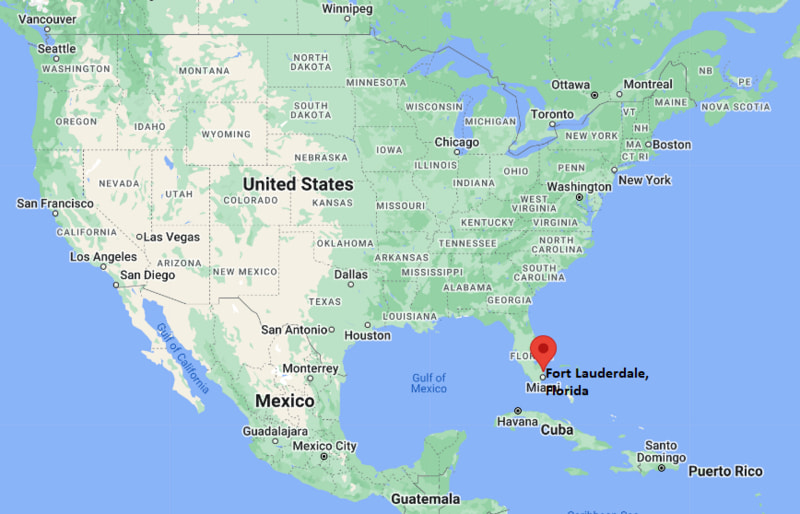
Fort Lauderdale, Florida, a vibrant jewel on the southeastern coast of the United States, is a city synonymous with sun-drenched beaches, sophisticated waterways, and a thriving cultural scene. While many visitors are drawn to its iconic “Venice of America” canals and the allure of its pristine coastline, understanding its administrative and geographical context is essential for a complete appreciation of this dynamic destination. Fort Lauderdale is situated within the boundaries of Broward County, a significant political and geographical entity in the state of Florida.
Broward County, established in 1915 and named after Napoleon B. Broward, a former governor of Florida, encompasses a substantial portion of the southeastern corner of the state. It is one of Florida’s most populous counties, characterized by its diverse landscape, which ranges from the urban density of its coastal cities to the wild expanses of the Everglades. Fort Lauderdale serves as the county seat, a role that places it at the administrative heart of this bustling region. This designation means that many of the county’s governmental functions and judicial proceedings are conducted within the city limits of Fort Lauderdale, further cementing its importance within Broward County.
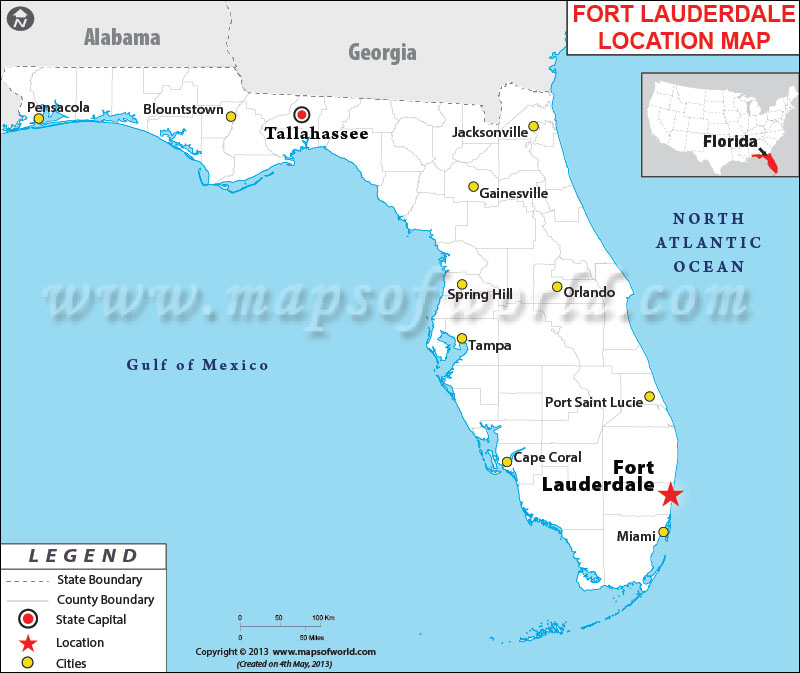
The geographical location of Fort Lauderdale within Broward County is also noteworthy. It lies just north of Miami-Dade County, a densely populated area that forms part of the larger South Florida metropolitan region. This proximity to Miami fuels a synergistic relationship between the two cities, with residents and visitors frequently traveling between them for business, leisure, and cultural experiences. To the west, Broward County borders Palm Beach County, another affluent and geographically diverse area, and extends inland to the protected wilderness of the Everglades National Park.
Understanding Broward County’s Significance
The designation of Fort Lauderdale within Broward County is more than just an administrative detail; it underpins the city’s identity and its access to regional resources and governance. Broward County operates under a county commission form of government, with commissioners elected from various districts to oversee the county’s operations. This structure allows for a coordinated approach to regional planning, infrastructure development, and the provision of public services that benefit all municipalities within its jurisdiction, including Fort Lauderdale.
Governance and Administration
As the county seat, Fort Lauderdale hosts key administrative buildings, including the Broward County Courthouse and various government offices. This concentration of administrative power contributes to the city’s role as a hub for regional affairs. The decisions made at the county level directly impact Fort Lauderdale’s development, from zoning regulations and transportation initiatives to public safety and environmental management. For instance, county-wide efforts to preserve the delicate ecosystems of the Everglades or manage water resources are often coordinated through Broward County government, with significant implications for Fort Lauderdale’s own environmental policies and quality of life.
Infrastructure and Transportation Networks
Broward County’s extensive infrastructure development is crucial for Fort Lauderdale’s connectivity and accessibility. The county manages a complex network of roads, bridges, and public transportation systems that facilitate movement within the county and connect it to neighboring regions and beyond. Fort Lauderdale-Hollywood International Airport (FLL), a major international gateway, is a prime example of a county-level asset that significantly benefits Fort Lauderdale as a tourist and business destination. Its extensive flight connections bring millions of travelers to the region annually. Furthermore, the Brightline passenger rail service, with a station in downtown Fort Lauderdale, offers efficient travel to cities like Miami and Orlando, further integrating Broward County into Florida’s broader transportation landscape. The county’s commitment to maintaining and expanding these networks ensures that Fort Lauderdale remains a readily accessible and well-connected city.
Economic Landscape
The economic vitality of Broward County directly influences Fort Lauderdale’s prosperity. The county’s diverse economic base, encompassing tourism, finance, technology, healthcare, and international trade, provides a robust foundation for Fort Lauderdale’s own economic growth. Many businesses and corporations are headquartered or have significant operations within Broward County, contributing to job creation and economic opportunities for residents of Fort Lauderdale and surrounding areas. The synergy between the county’s economic development initiatives and Fort Lauderdale’s specific business climate fosters an environment conducive to innovation and investment.
Fort Lauderdale’s Place within South Florida’s Broader Context
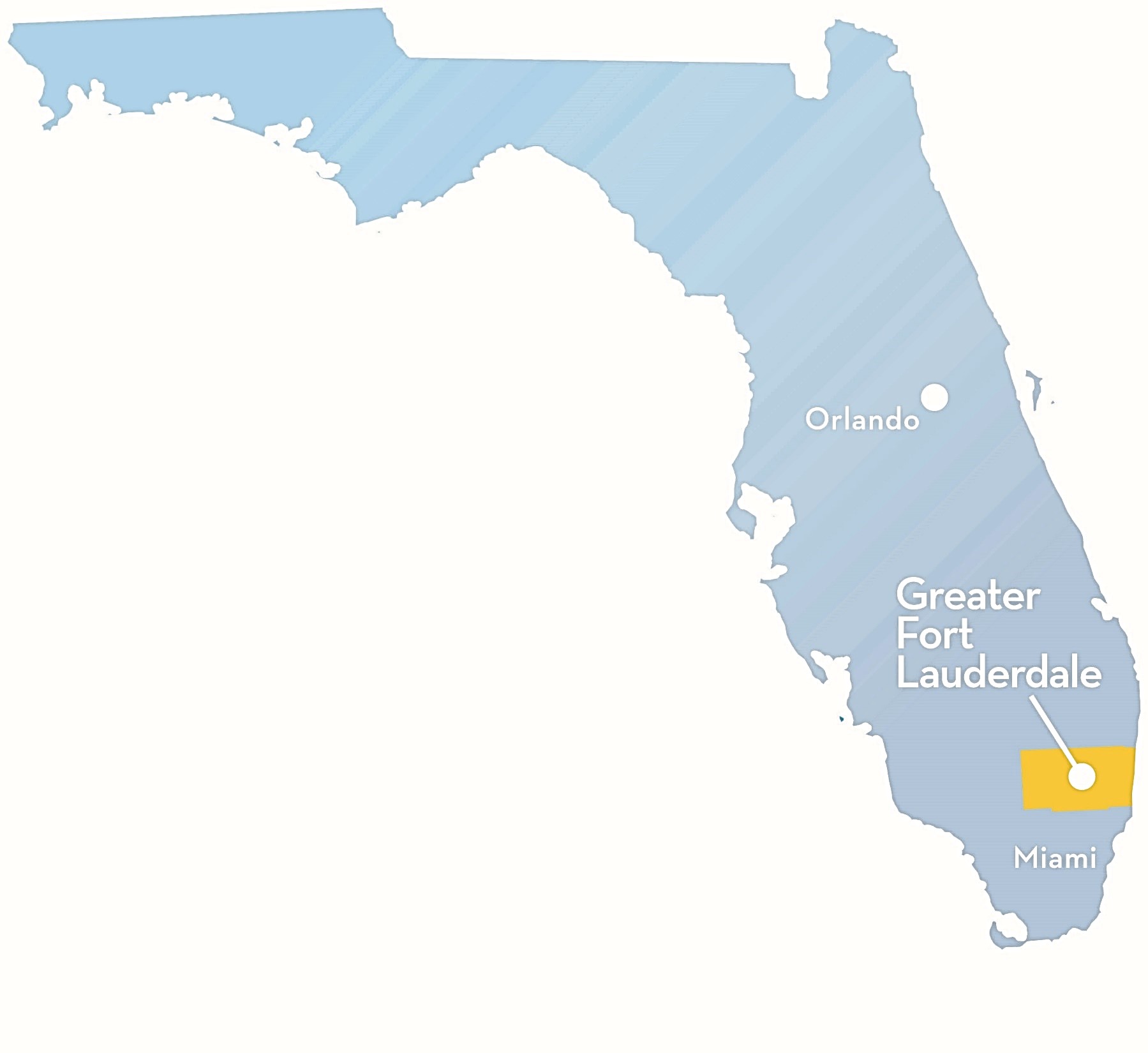
Fort Lauderdale’s position within Broward County is inextricably linked to its role within the larger South Florida metropolitan area, often referred to as the Gold Coast. This sprawling region, encompassing Broward, Miami-Dade, and Palm Beach counties, is a significant economic and cultural powerhouse in the southeastern United States. The interconnectedness of these counties creates a dynamic and diverse environment that attracts residents and visitors alike.
The “Venice of America” and its Waterways
Fort Lauderdale’s iconic reputation as the “Venice of America” is intrinsically tied to the extensive network of canals that thread through the city. These waterways are not merely aesthetic features; they are a vital part of the city’s infrastructure and recreational life. The canals provide access for recreational boating, waterfront living, and contribute to the city’s unique charm. Managing and maintaining these waterways is a complex undertaking that often involves coordination at both the municipal and county levels, highlighting the collaborative governance required in a region with such extensive water features. The health and accessibility of these canals are a shared responsibility, reflecting the interconnectedness of urban development and environmental stewardship within Broward County.
Tourism and Regional Appeal
The tourism industry is a cornerstone of both Fort Lauderdale and Broward County. The city’s world-renowned beaches, vibrant nightlife, and numerous attractions draw millions of visitors each year. However, the appeal of Fort Lauderdale often extends to the broader regional attractions of South Florida. Visitors might spend time exploring Fort Lauderdale’s famous Las Olas Boulevard, then venture south to experience the cultural dynamism of Miami or the upscale boutiques of Palm Beach. This regional tourism ecosystem is supported by collective marketing efforts and shared transportation infrastructure, underscoring the benefit of Fort Lauderdale’s placement within a larger, well-defined county and metropolitan area.
Cultural and Recreational Synergy
The cultural and recreational offerings of Fort Lauderdale are enriched by its proximity to other cultural centers within Broward County and the broader South Florida region. The Broward Center for the Performing Arts, a premier venue in Fort Lauderdale, hosts a wide array of theatrical productions, concerts, and cultural events, serving the entire county. Beyond the city’s immediate offerings, residents and visitors can easily access museums, art galleries, professional sports teams, and a diverse culinary scene spread across Miami-Dade and Palm Beach counties. This cultural tapestry is woven together by the interconnectedness of these regions, where Fort Lauderdale plays a pivotal role as a vibrant cultural hub within its county.
Navigating Fort Lauderdale: Essential Information for Visitors
For travelers planning a visit to Fort Lauderdale, understanding its location within Broward County provides valuable context for planning an itinerary and accessing local services. Knowing that Fort Lauderdale is the county seat offers insight into the administrative and governmental presence within the city, which can be relevant for specific inquiries or civic engagement.
Accessing Fort Lauderdale
Reaching Fort Lauderdale is convenient due to its strategic location and the robust transportation infrastructure of Broward County. As mentioned, Fort Lauderdale-Hollywood International Airport (FLL) is a primary gateway, offering a wide range of domestic and international flights. For those traveling by car, Interstate 95 runs north-south through Broward County, providing direct access to Fort Lauderdale from points north and south. U.S. Route 1, a historic coastal highway, also traverses the county, offering scenic routes and access to many local businesses and attractions. Public transportation options, including bus services and the aforementioned Brightline, further enhance accessibility within Broward County and to neighboring urban centers.
Local Attractions and Beyond
While Fort Lauderdale itself boasts an abundance of attractions, from the pristine sands of Fort Lauderdale Beach to the upscale boutiques and restaurants along Las Olas Boulevard, its location within Broward County opens up a world of additional experiences. A short drive can take you to the serene beauty of Hugh Taylor Birch State Park, offering a respite from the urban bustle. For nature enthusiasts, the western edge of Broward County provides access to the unique ecosystems of the Everglades, with various entry points offering airboat tours and wildlife viewing opportunities. Exploring the diversity of Broward County ensures a richer and more comprehensive South Florida experience, moving beyond the immediate confines of Fort Lauderdale to discover the region’s full potential.
Understanding Local Governance and Services
For residents and those planning extended stays, understanding that Fort Lauderdale is part of Broward County is crucial for navigating local governance and accessing essential services. Property taxes, utility services, and public safety often operate under county-wide frameworks. Familiarizing oneself with the Broward County website and its various departments can provide valuable information on everything from waste management and recycling to emergency preparedness and social services. This understanding ensures a smoother integration into the local community and a more informed engagement with the region’s administrative structures.
In conclusion, Fort Lauderdale’s identity is deeply intertwined with its administrative home: Broward County. This relationship shapes its governance, infrastructure, economy, and its position within the broader South Florida tapestry. Recognizing Fort Lauderdale as the heart of Broward County offers a more profound understanding of this dynamic city and the rich, diverse region it calls home.
LifeOutOfTheBox is a participant in the Amazon Services LLC Associates Program, an affiliate advertising program designed to provide a means for sites to earn advertising fees by advertising and linking to Amazon.com. Amazon, the Amazon logo, AmazonSupply, and the AmazonSupply logo are trademarks of Amazon.com, Inc. or its affiliates. As an Amazon Associate we earn affiliate commissions from qualifying purchases.